REVIEW · 2-HOUR EXPERIENCES
Mumbai: 2-Hour Guided Bandra Walking Tour
Book on GetYourGuide →Operated by Mumbai Dream Tours · Bookable on GetYourGuide
Bandra has Portuguese echoes everywhere. On this 2-hour guided walking tour with Mumbai Dream Tours, you trace that influence through neighborhood lanes and major landmarks, all explained by an English-speaking guide. I like how the route focuses on real places in Bandra instead of turning into a photo-stops-only loop, and I like the Portuguese heritage thread that ties the stops together.
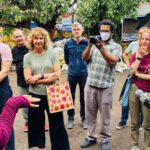
My favorite part is the storytelling quality of the guides. I’ve seen examples of top guides like Sanika and Krishna keeping things fun, answering questions, and sharing history in a way that feels easy to follow. One drawback to plan for: some historic churches can be under renovation, so you may not be able to see the interiors—though the guide should still give solid context from the outside.
In This Review
- Key Highlights to Know Before You Go
- Why This Bandra Walk Feels Like More Than Sightseeing
- The 2 Hours: Pacing, Timing, and What You’ll Actually Get
- St. Andrews Church: Where the Story Gets Concrete
- Historic Villages and Fort-and-Church Layers in Bandra
- Ranwar Village: Indo-Portuguese Catholic Heritage on Foot
- Basilica of Our Lady of the Mount: Faith, Meaning, and Views
- The Guides: Sanika and Krishna Make the Walk Sing
- Price and Value: Is $17 for Two Hours Worth It?
- Practical Tips So You Enjoy Every Step
- Who Should Book This Tour (and Who Might Skip It)
- Should You Book the Mumbai Dream Tours Bandra Walking Tour?
- FAQ
- How long is the Bandra walking tour?
- How much does the tour cost?
- Is the tour guided in English?
- What Portuguese heritage will I see during the walk?
- Which landmarks are included?
- Can I enter the churches?
- What kinds of places are covered besides churches?
- Who provides the tour?
- What if I need to change plans?
- Can I book without paying right away?
Key Highlights to Know Before You Go
- Portuguese influence on everyday Bandra: Western-Christian traces show up in churches and village life as you walk.
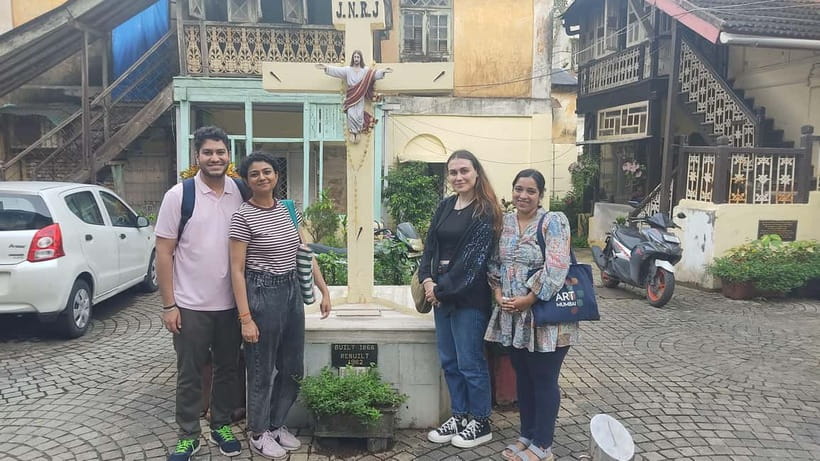
- Prime landmark stops: You’ll visit St. Andrews Church and major religious sites tied to the area’s layered past.
- Historic villages and village lanes: The walk is built around the neighborhood’s older pockets, not just main roads.
- Ranwar Village’s Indo-Portuguese Catholic feel: You get a sense of how communities formed and how faith shaped the landscape.
- Basilica of Our Lady of the Mount: A high point for the tour’s spiritual and viewpoint payoff.
- English-speaking guides: Clear explanations plus room for questions, with pace that works for slower walkers too.
Why This Bandra Walk Feels Like More Than Sightseeing
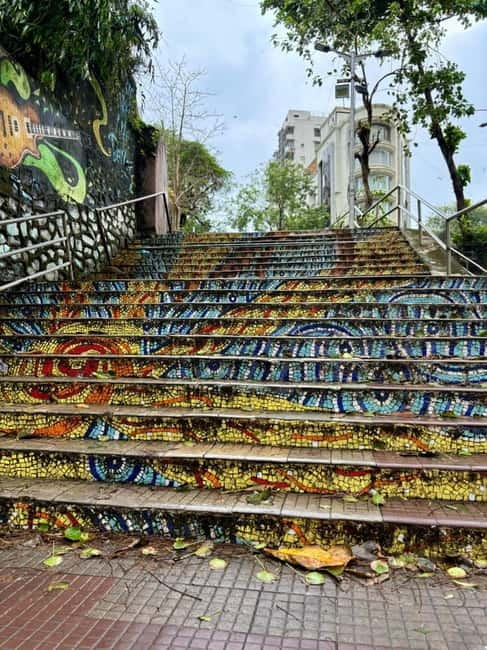
Bandra can look like any other lively part of Mumbai from a distance. But on foot, it reveals its layers. This tour is designed for that exact moment when you stop treating the neighborhood as a blur and start noticing patterns—church architecture, village layouts, and those Portuguese-era Catholic footprints that still show up in daily life.
I like that it’s framed as a focused cultural walk. Instead of trying to cover all of Mumbai (spoiler: no one can), you get a concentrated Bandra story. The guide’s job is to connect the dots between places: where Western and local influences met, how forts and churches shaped community life, and why certain villages remain important even when the surrounding city has moved on fast.
You’ll also get the benefit of learning in motion. Bandra’s charms are the kinds that don’t always land in a single museum visit—side streets, community centers, and the way people move through religious sites. When you walk with an English-speaking guide, the neighborhood becomes legible. You stop asking what something is and start understanding why it’s there.
You can also read our reviews of more walking tours in Mumbai

The 2 Hours: Pacing, Timing, and What You’ll Actually Get
This is a 2-hour experience, which is a sweet spot for Bandra. It’s long enough to cover several meaningful stops, but short enough that you’re not spending your whole day marching from one point to the next.
Here’s how to think about the pacing. The tour is a walking tour, so you’ll want comfortable footwear and a light plan for weather. The bigger practical win is that the pace is reported as workable even for slower walkers. In other words: don’t assume a walking tour automatically means you’ll be left behind at speed.
What you should expect in those two hours:
- A guided route through key cultural and historical points in Bandra
- Explanations from your guide at each stop so the area makes sense as you go
- Time to observe the neighborhood atmosphere instead of rushing past it
What you should not expect: a deep, hour-by-hour museum-style presentation. This tour works best when you’re ready to learn through place—seeing, listening, asking questions, and walking on.
St. Andrews Church: Where the Story Gets Concrete
A walking tour needs anchors, and St. Andrews Church is one of them. It’s the kind of landmark that changes how you read the surrounding streets. You’re not just looking at a building—you’re looking at the outcomes of historical contact and community formation.
What I like about starting or including a site like this is that it gives the tour a clear reference point. The guide can explain why churches mattered here: as centers of worship, as community anchors, and as visible markers of cultural influence. When the architecture and the location are tied to the narrative, the neighborhood feels less random.
One important consideration: churches can sometimes be under renovation, which may limit what you can see from the inside. In at least one experience, historic churches weren’t accessible internally, but the guide still delivered detailed history and made the walk meaningful anyway. So even if you can’t go inside on your day, plan to get value from the exterior context and the guide’s explanation.
Historic Villages and Fort-and-Church Layers in Bandra
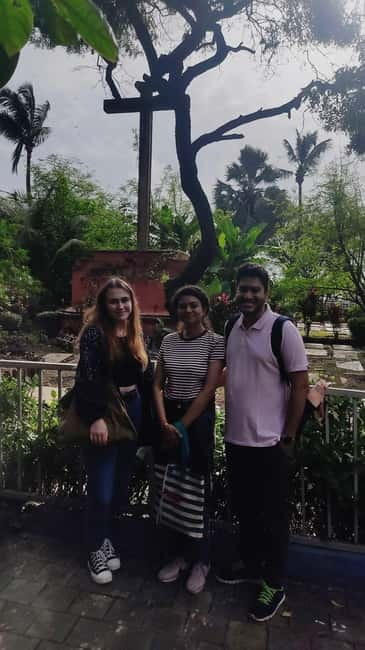
Bandra’s “hidden heritage” isn’t hidden because it’s obscure. It’s hidden because most people rush through the area without learning what to notice. This tour is built to slow that down.
You’ll move through the kinds of zones that keep older Mumbai identity alive: historic villages, church-centered areas, and pockets connected to forts and faith sites. The value isn’t just in naming places. It’s in understanding how these features relate:
- Forts and defensible spaces hint at security needs and early settlement patterns.
- Churches show how religious communities organized life.
- Villages reflect how people built neighborhood continuity—even as the surrounding city modernized.
This section matters most if you like seeing the logic behind a city’s shape. You’ll start to notice how a suburb becomes a patchwork: Western influences meeting local traditions, with Indo-Portuguese Catholic communities forming part of the story.
And because you’re walking, you get context. You’ll see how far something is from a main road, how it sits beside daily neighborhood life, and how architecture and street layout work together.
Ranwar Village: Indo-Portuguese Catholic Heritage on Foot
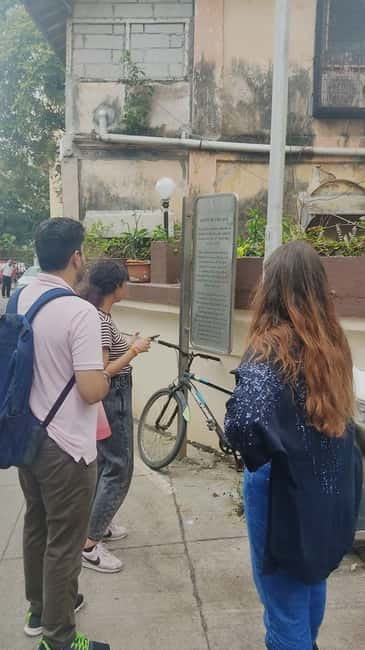
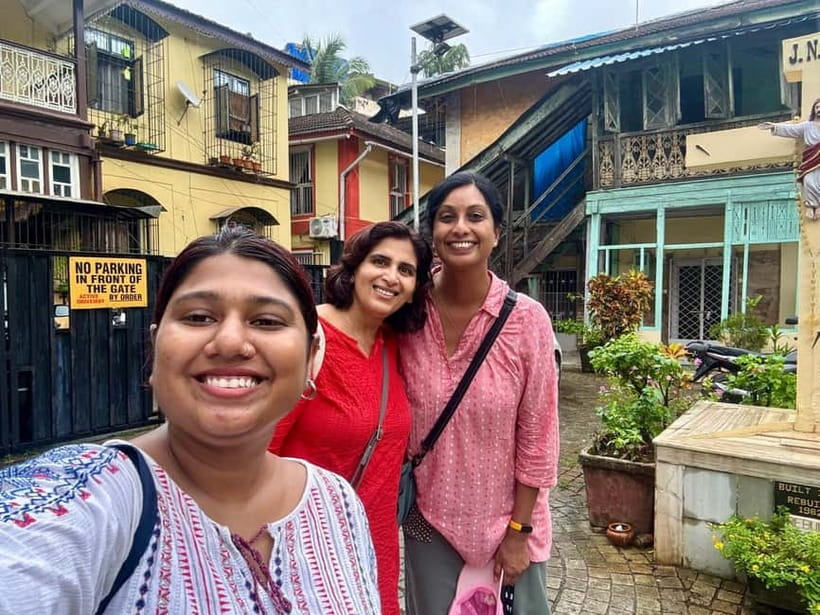
If you want the “this is why Bandra feels different” moment, Ranwar Village is a key stop. The tour is specifically positioned to show you Portuguese influence through the lens of Indo-Portuguese Catholic villages, and Ranwar fits that theme.
What you’re getting here is atmosphere plus interpretation. The guide can connect the broader Portuguese presence in the area to a local community identity you can sense through the environment—how the village functions, how faith shows up, and how heritage remains present even as the wider city changes.
I like village stops on guided walks because they’re where you can ask better questions. In a city landmark, you might wonder what a building is. In a village, you’re more likely to wonder how people live around it. That shift makes the tour feel human, not just historic.
Also, this is where you’ll probably feel the tour’s “off the beaten track” value. If you’re used to getting around by cab or train, walking through village lanes gives you a more accurate picture of Bandra’s character.
You can also read our reviews of more guided tours in Mumbai




Basilica of Our Lady of the Mount: Faith, Meaning, and Views
The Basilica of Our Lady of the Mount is another landmark that gives the walk a strong payoff. This is one of those stops that tends to stick with you because religious sites often carry both spiritual importance and strong visual presence.
On this tour, it’s treated as a major landmark for a reason. It helps the guide connect the Portuguese-influenced Catholic thread to a clearly identifiable place you can anchor your understanding to.
Here’s the practical way to enjoy this stop:
- Use it as a moment to slow down and look carefully.
- Listen for how the guide ties Portuguese heritage to the local religious landscape.
- Take a few minutes to absorb how the site fits into the surrounding area.
Even when interiors aren’t accessible (again, renovations can affect access), a basilica stop still delivers. The guide can explain what you’re seeing and why it matters, turning an outside view into actual understanding.
The Guides: Sanika and Krishna Make the Walk Sing
The strongest praise in the experiences comes down to one thing: guide energy and clarity. Names that show up in excellent outcomes include Sanika and Krishna.
What stands out about the best guides on this route:
- They keep you captivated with stories that connect facts to the street you’re standing on.
- They answer questions without making you feel rushed.
- They bring humor and warmth that make the walk feel more like a guided conversation than a lecture.
I also like that guides are described as giving helpful recommendations for tourists. That’s practical value. A good walk shouldn’t only end after two hours; it should help you plan the rest of your day with better direction.
If you’re the kind of traveler who learns best by asking questions, you’ll likely enjoy this tour. An English-speaking guide makes that easy, and the route is set up so questions can come naturally as each landmark adds a new layer.
Price and Value: Is $17 for Two Hours Worth It?
At $17 per person, you’re paying for two things: focused local expertise and the advantage of a structured route. In Mumbai, that’s a real value. Without a guide, you can still look around Bandra—but it’s easy to miss the Portuguese heritage thread and the meaning behind village and church landmarks.
This tour’s value comes from the combination of:
- Multiple key stops in just two hours (St. Andrews Church, Ranwar Village, Basilica of Our Lady of the Mount, plus historic village areas)
- Interpretive storytelling that helps you connect Western and native influences in the area
- A manageable walking commitment, which matters when you’re trying to plan a tight itinerary
So I’d treat the price as a cost for making Bandra understandable fast. If you like independent wandering only, you might feel you could do it without a guide. But if you want a quick cultural primer through the neighborhood’s real sites, $17 is a sensible trade for the time and clarity you gain.
Practical Tips So You Enjoy Every Step
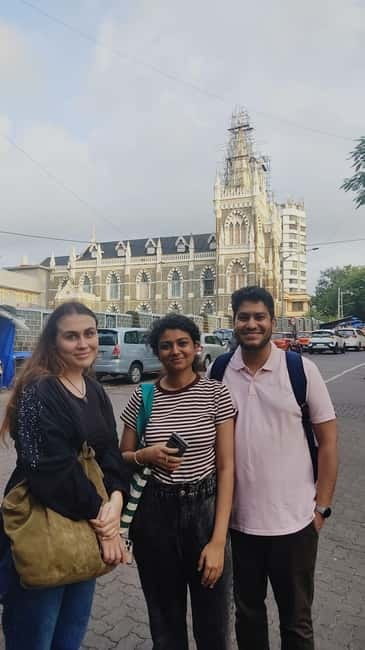
This kind of tour runs on comfort and attention. You don’t need special gear, but a few practical choices help.
Wear walking shoes
You’ll be on your feet for the duration, including time at stops. Comfortable footwear keeps the experience enjoyable instead of tiring.
Bring water and plan for weather
Mumbai weather can change quickly, and a two-hour outdoor walk means you feel it. If you tend to get hot or thirsty, bring water.
Be ready for exterior-first sightseeing
Since historic churches may be under renovation, don’t build your expectation around guaranteed interior access. Build your mindset around observation and listening.
Ask questions early
The guides are English-speaking and are reported as happy to answer questions. If you have one curiosity—Portuguese influence, village life, or the significance of each church—ask it as you go.
Go with a curious pace
This tour works best when you treat it like learning through place. If you’re planning to speed through and take only quick photos, you’ll miss the connections the guide is making.
Who Should Book This Tour (and Who Might Skip It)
This Bandra walking tour is a great fit if you:
- Want to understand Portuguese heritage in Mumbai through actual landmarks and village areas
- Prefer guided context over reading guidebooks alone
- Enjoy walking routes that feel off the main tourist tracks
- Like cultural storytelling with humor and room for questions
It might not be ideal if you:
- Only want guaranteed access inside churches (renovations can affect interiors)
- Don’t like walking at all, even at a comfortable pace
- Are looking for a huge range of Mumbai highlights beyond Bandra
Should You Book the Mumbai Dream Tours Bandra Walking Tour?
I’d book it if you’re spending time in Bandra or want to learn a specific slice of Mumbai’s cultural layers in a short window. The strongest reasons are the structure and the guide quality—people consistently highlight guides like Sanika and Krishna for keeping the walk fun, clear, and question-friendly.
I’d also book it with realistic expectations about church interiors. If you’re okay getting the historical meaning even when access is limited, you’ll likely feel you got your money’s worth.
If you’re trying to choose between wandering on your own and paying for a guide, this is the kind of tour where the guidance can genuinely change what you see. And at $17 for two hours, it’s a low-risk way to turn Bandra from a neighborhood you pass through into one you understand.
FAQ
How long is the Bandra walking tour?
The tour is listed as a 2-hour guided walking experience.
How much does the tour cost?
The price is $17 per person.
Is the tour guided in English?
Yes. The tour is offered with an English-speaking guide.
What Portuguese heritage will I see during the walk?
You’ll focus on Portuguese influence in Bandra, including landmarks and neighborhood areas connected to Indo-Portuguese Catholic heritage.
Which landmarks are included?
The tour includes stops such as St. Andrews Church, Ranwar Village, and the Basilica of Our Lady of the Mount, plus historic village areas along the route.
Can I enter the churches?
Sometimes historic churches may be under renovation, which can limit what you can see inside. Even then, the guide is expected to share the history.
What kinds of places are covered besides churches?
Expect a neighborhood walk that includes references to forts, churches, and historic villages tied to the area’s cultural past.
Who provides the tour?
The experience provider is Mumbai Dream Tours.
What if I need to change plans?
You can cancel up to 24 hours in advance for a full refund.
Can I book without paying right away?
Yes. It offers Reserve & Pay Later, meaning you can reserve your spot and pay nothing today.