REVIEW · FOOD
Mumbai Street Food Tour with Evening Bazaar Walk
Book on GetYourGuide →Operated by Mumbai Experiences · Bookable on GetYourGuide
In This Review
- Mumbai Street Food Tour with Evening Bazaar Walk: A Practical, Flavor-First Review
- From Train Windows to Chowpatty Sunset: Why the Start Works
- Chowpatty Beach Food: Vegetarian First, Then Confident Tasting
- The Taxi Jump to Bhuleshwar: How the Tour Moves You Without Stress
- Bhuleshwar Market and a Jain Temple Stop: Culture Before the Second Half
- Minara Masjid Area: Where You’ll Smell Baida Roti and Kati Rolls
- Bori Mohalla and Mrs. Ice Cream Walla: 120 Years, One Spoon
- Price and Value: Why $13 Can Feel Like a Steal in Mumbai
- Safety, Pace, and Food Comfort (Including What to Watch)
- Who This Tour Fits Best (and Who Might Want a Different Plan)
- Should You Book It?
- FAQ
- How long is the Mumbai street food tour?
- Is the first half of the tour vegetarian?
- How many street food dishes can I try?
- Where do I meet the guide?
- Is transport included, or do I get there on my own?
- Do they provide drinks and cleaning items?
- What language is the tour guide?
- Is free cancellation available?
- Is the tour stroller-friendly?
Mumbai Street Food Tour with Evening Bazaar Walk: A Practical, Flavor-First Review
Mumbai tastes different after sunset. This 3–4 hour loop through Chowpatty Beach and crowded bazaars is built around real street snacks, guided tastings, and a dose of neighborhood life that you just don’t get from a quick food list. I especially like the up-to-12 dish format with clean-looking stalls and controlled pacing.
I also like how the tour switches gears: it starts vegetarian at the beach, then takes you into market lanes where you’ll smell and taste the non-veg side of Mumbai. One possible drawback: the areas get very congested, so strollers don’t work well and small kids must be able to be carried.
Key points at a glance
- Chowpatty sunset start with photo time and local-food stalls
- Pani puri eating challenge plus classic cooling stops like kulfi
- Bhuleshwar market walking with a guide-led look at everyday Mumbai
- Jain temple visit for quick cultural context before the food mix changes
- Minara Masjid non-veg lane where kebabs and Baida Roti are part of the air
- Mrs. Ice Cream Walla in Bori Mohalla and a 120-year hand-churned recipe
From Train Windows to Chowpatty Sunset: Why the Start Works
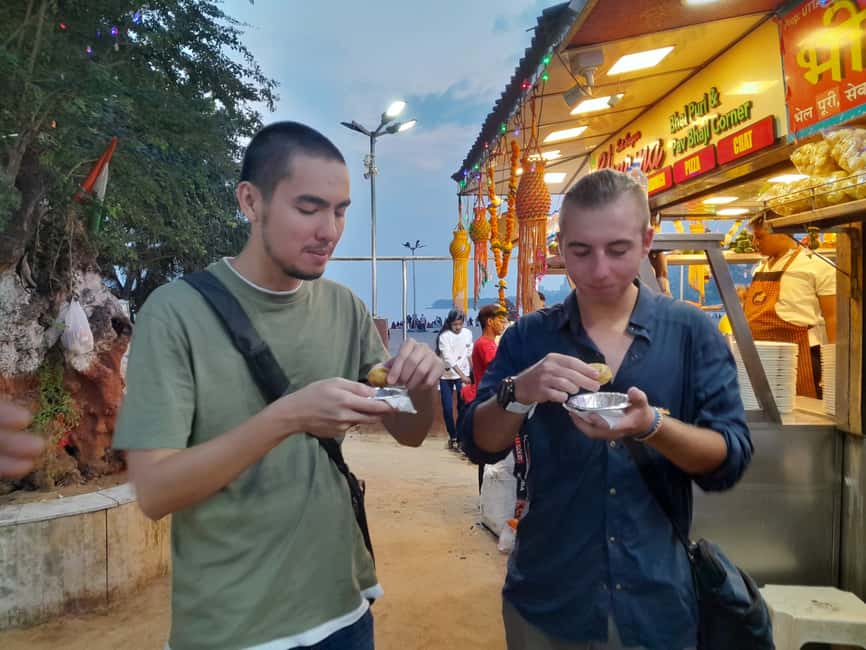
The tour begins with a short train ride, the kind of local transfer that makes you feel like you’re actually moving through Mumbai instead of being dropped off at a single corner. It’s not long, so you don’t waste evening time stuck in transit, and it gets you into the rhythm quickly.
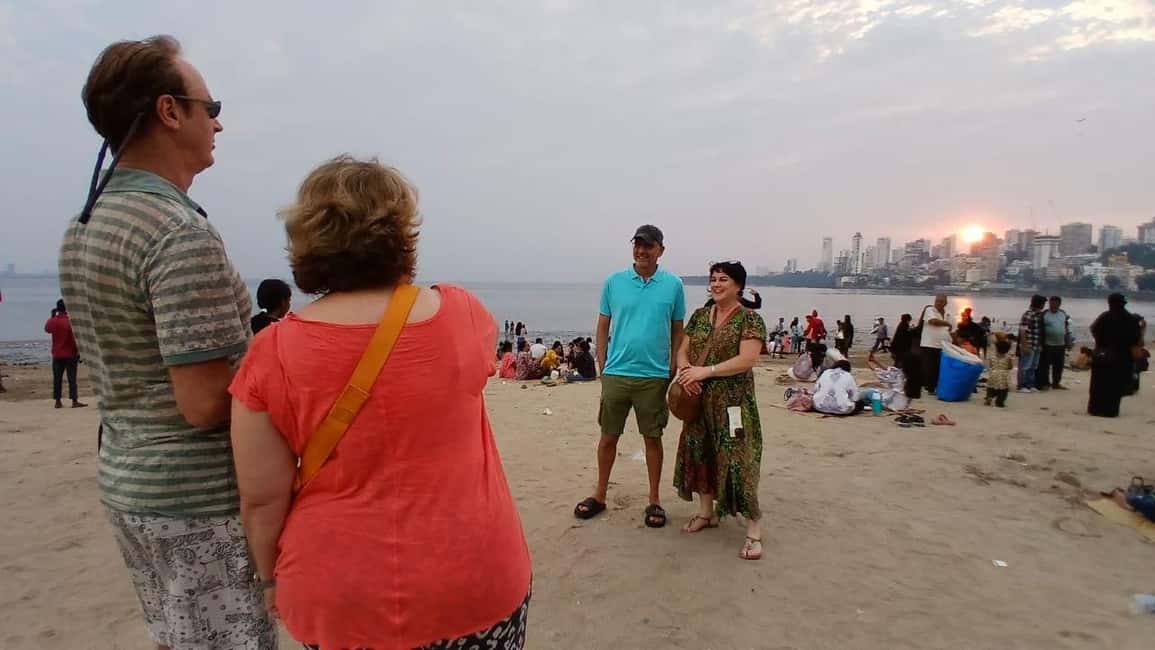
When you reach Chowpatty Beach, you get a brief sightseeing window and a photo stop—just enough to orient you—before the food kicks in. This matters, because Chowpatty is busy. A guide helps you read what you’re seeing: which stalls look orderly, where lines form, and how to eat fast without rushing. The sunset itself also changes the vibe. You’re not eating in a sterile setting; you’re eating where locals wander.
You can also read our reviews of more walking tours in Mumbai



Chowpatty Beach Food: Vegetarian First, Then Confident Tasting
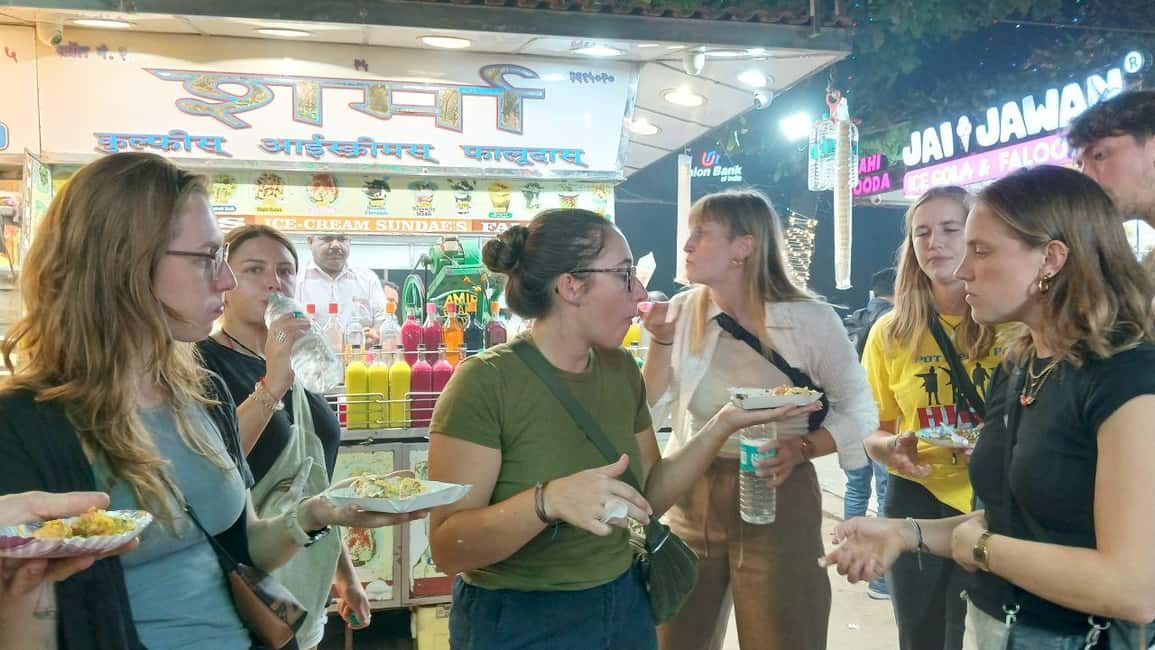
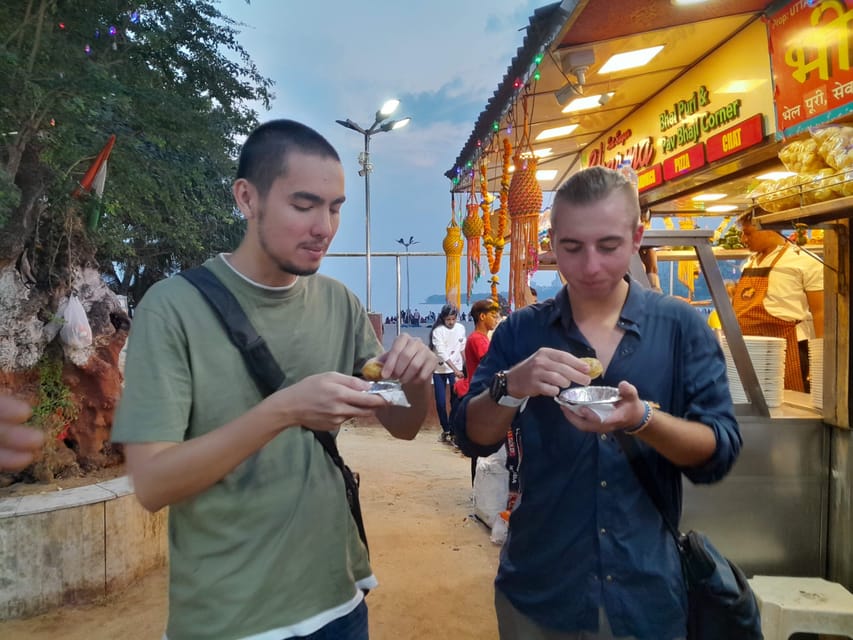
The first half is entirely vegetarian, and that’s a smart setup if you want an easier on-ramp to street food. You’ll sample beachside snacks from stalls chosen for clean and hygiene practices, and the tour design is built around tastings rather than one huge plate you have to guess at.
Expect the evening to include a Pani puri eating challenge. That usually turns into the most fun part for first-timers because it’s interactive and fast. Then you’ll cool off with kulfi ice cream, which is a great way to reset your palate after spicy, tangy street flavors.
Practical tip: if you’re sensitive to heat, go slow during the first bites. Street food can be intense, and pacing is easier with a guide steering you stall to stall. One reason people rate this tour so highly is that it doesn’t leave you guessing what to order; the guide explains what you’re tasting and helps you make choices on the spot.
The Taxi Jump to Bhuleshwar: How the Tour Moves You Without Stress
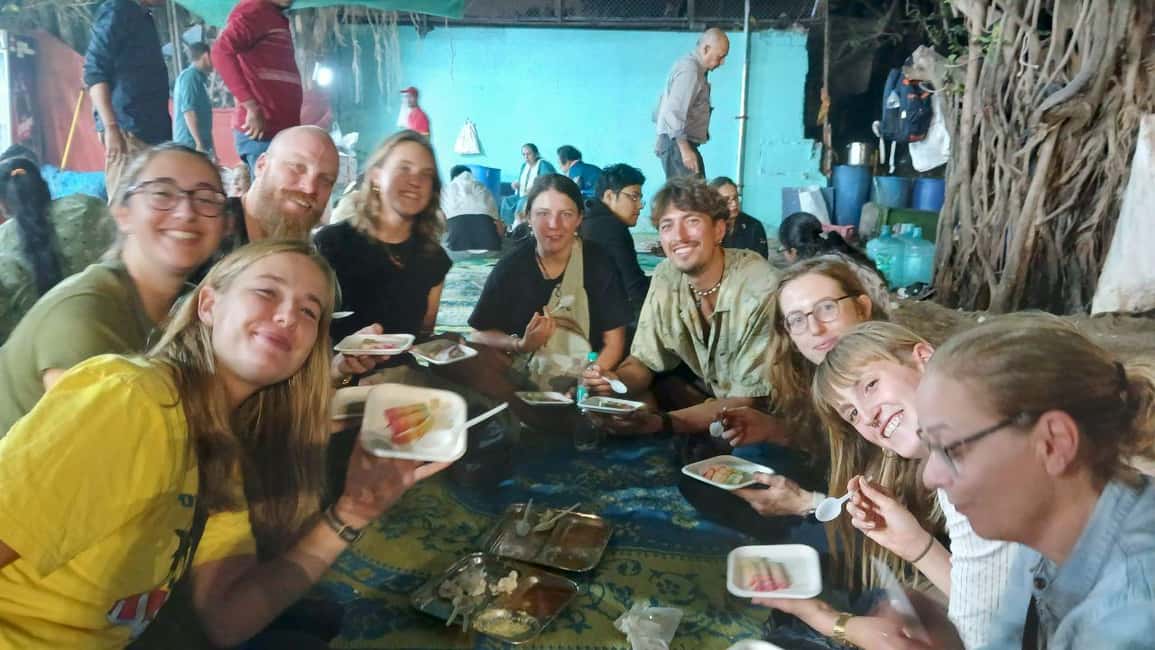
After Chowpatty, you switch to a quick cab ride to Bhuleshwar market. This is one of those details that sounds minor until you’ve tried to move through Mumbai traffic on your own. A guided transfer keeps the evening from turning into a scramble.
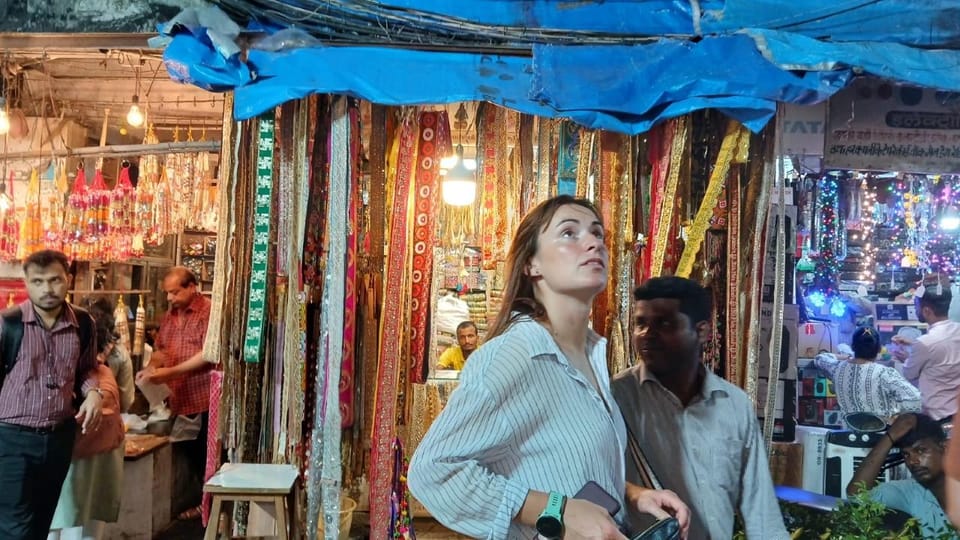
Once you’re in Bhuleshwar, the pace shifts from beach crowds to market lanes. This is where the tour’s “evening bazaar walk” promise becomes real: narrow streets, lots of foot movement, and plenty of sensory overload. The tradeoff is worth it. Bhuleshwar gives you the everyday market energy—vendors, shoppers, and the normal chaos that makes a city feel lived in.
Bhuleshwar Market and a Jain Temple Stop: Culture Before the Second Half
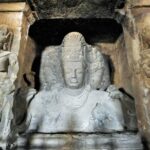
In Bhuleshwar, you get a guided walk that’s more than just eating stops. You also get a Jain temple visit, which adds context to what you’re seeing. It’s a brief pause in the middle of an otherwise food-heavy route, and it helps you understand that religious and community life shape how markets operate.
This stop also matters because the tour’s food mix changes later. Knowing there’s a cultural layer behind the neighborhoods makes the transition feel less random. You go from vegetarian snacks in a beach zone to market aromas that include non-veg options.
Practical note: this is a walking-heavy part. Even without formal hiking, you’re moving through crowded lanes, so wear comfortable shoes you don’t mind getting a little dusty. Keep your water close, and follow your guide’s lead on where to stop and how to cross busy areas.
Minara Masjid Area: Where You’ll Smell Baida Roti and Kati Rolls
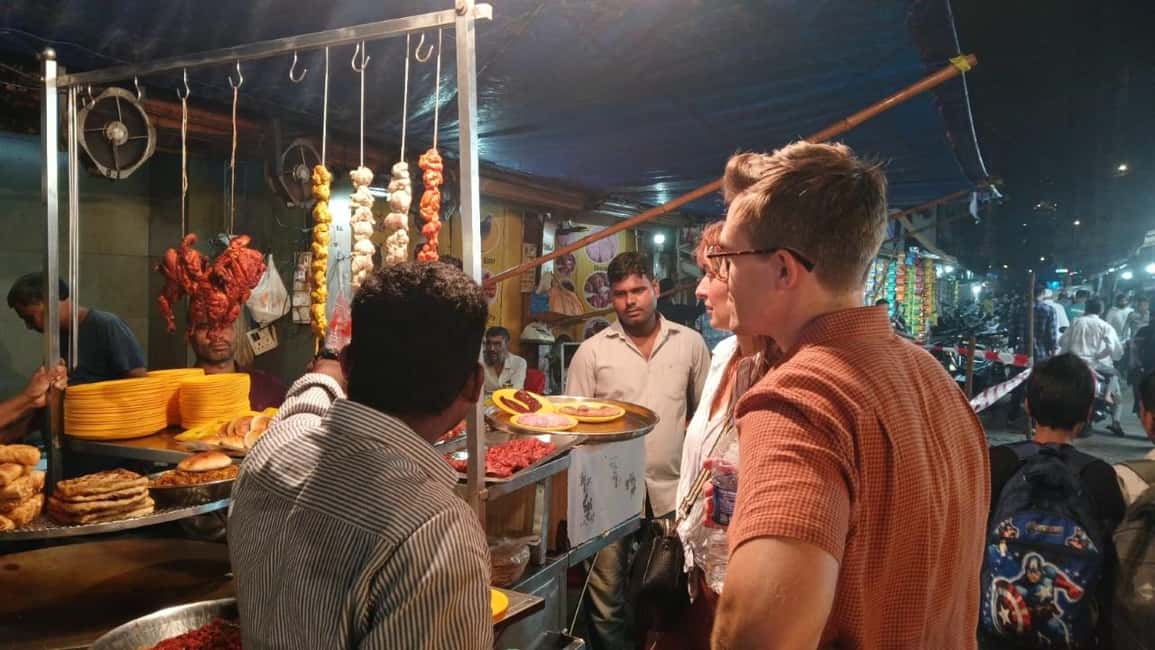
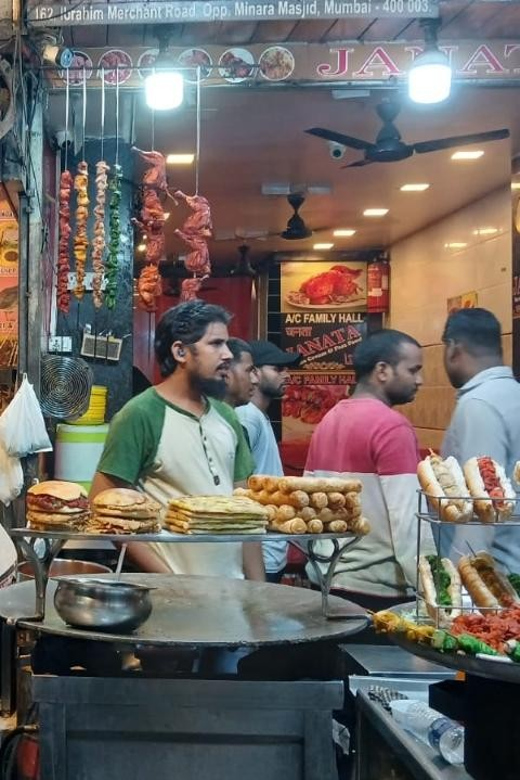
Next comes Minara Masjid, and this is where the tour turns predominantly non-veg. You’ll be around food market stalls and the kind of cooking smells that can hit fast—think kebabs, Baida Roti, and kati rolls. The guide’s role here is huge because you need someone to help you find the right stalls and keep the pace workable in busy surroundings.
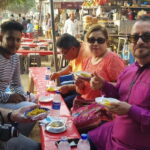
You also get guided food tasting here, not just browsing. That means you can try signature items without spending time scanning menus you may not fully understand. If you’ve never eaten street food with a lot of non-veg options, this section is a good bridge because it’s structured: you taste, you learn what you’re tasting, then you move on.
Diet consideration: the tour explicitly shifts from vegetarian to predominantly meat in the second half. If you’re avoiding meat for dietary or religious reasons, tell your guide ahead of time. They can advise you on available vegetarian dessert stops, but the second half is not purely vegetarian.
You can also read our reviews of more food & drink experiences in Mumbai


Bori Mohalla and Mrs. Ice Cream Walla: 120 Years, One Spoon
The evening ends in Bori Mohalla with a visit to Mrs. Ice Cream Walla, where you’ll taste their hand-churned fruit ice cream recipe said to be around 120 years old. This is a thoughtful capstone. Street food tours sometimes end with another savory item, but ice cream gives you a sweet, cooling finish that feels like local tradition rather than tourist dessert.
What I like about this ending is that it adds time depth. Mumbai’s street food is not just fast snacks; some recipes and shop methods stick around for decades. The guide’s context makes it easier to appreciate this isn’t just a random stop—it’s part of the neighborhood’s food story.
After the final tasting, you finish with drop-off points like Taj Icecream, depending on the option you booked. It’s a convenient way to end without having to navigate back from a dense market area.
Price and Value: Why $13 Can Feel Like a Steal in Mumbai
At around $13 per person for 3–4 hours, the value is mainly about what’s included and how much food you actually get. You’re not just paying for a walk. You’re paying for:
- a professional guide,
- bottled water,
- hand sanitizer and napkins,
- street food tastings,
- and transportation during the tour.
The big value lever is the food count: you can try up to 12 dishes. Even if each tasting is small, it’s still a lot of different flavors for a low entry price, and it reduces the usual street-food problem where you’re hungry but don’t know what to buy.
Also, the guide helps with safety and efficiency. Congested streets and busy crossings are easier with someone who knows how to manage small pauses and group flow. Several guides (including Shivam and Balaji) are praised for making people feel looked after while still giving you the street-level experience.
Safety, Pace, and Food Comfort (Including What to Watch)
I won’t pretend every street lane is calm. This tour moves through crowded areas, and it’s not ideal for anyone who needs a stroller. Small children must be able to be carried. If that’s you, plan accordingly and bring a carrier if needed.
On food safety, the tour emphasizes clean and hygiene food stalls, and it provides hand sanitizer and napkins. That reduces anxiety for first-timers. Still, your own instincts matter. If something looks off, you can ask your guide, and you can choose your pacing. The guide is there to keep things moving and help you understand what’s in each dish.
For spice: street food can be hotter than you expect. The guides are described as taking comfort levels into account, including heat tolerance. If you’re worried, say so early so you can adjust your tastings from the start.
Who This Tour Fits Best (and Who Might Want a Different Plan)
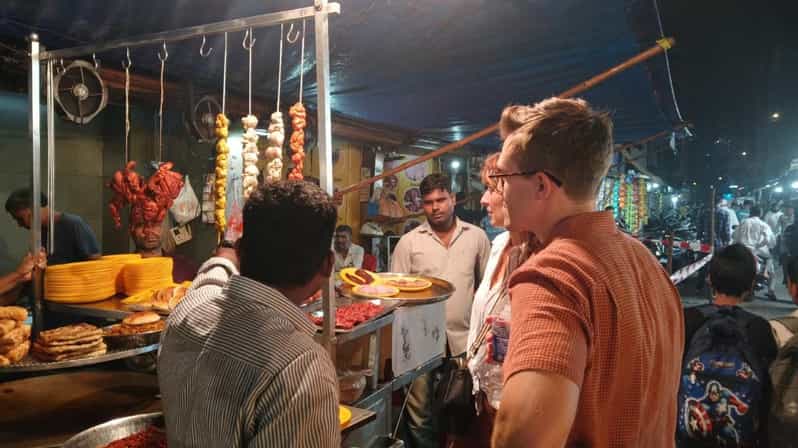
This is a great fit if you want an evening that includes both food and city texture. You’ll like it if you enjoy:
- tasting a lot of different items without planning each stop,
- walking through market neighborhoods instead of only sightseeing,
- and getting a local explanation alongside the food.
It’s especially useful for short stays. If you only have a day or two in Mumbai, this tour gives you multiple zones—beach, bazaar, temple area, and non-veg lanes—without needing to map it all yourself.
You might consider something else if you:
- need a strictly vegetarian route for the whole evening,
- can’t handle crowded lanes,
- or prefer slow, wide streets with minimal foot jostling.
Should You Book It?
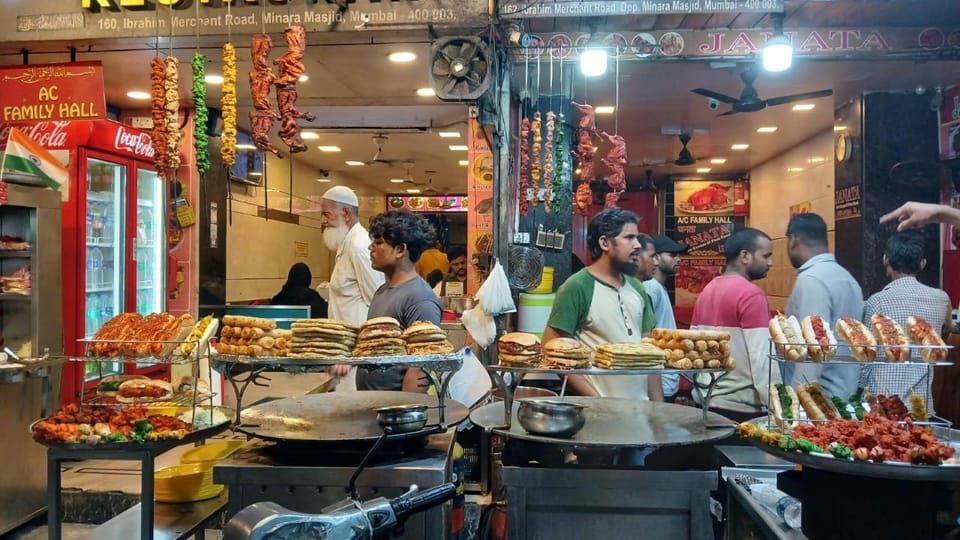
Yes, if you want a structured street-food experience that still feels like Mumbai, not a theme park. The combination of a Chowpatty sunset start, a guided walk through Bhuleshwar, cultural context at a Jain temple, and a Minara Masjid night-food segment is exactly the kind of route that turns a food craving into a real evening story.
Book it with confidence if you like the idea of trying up to 12 dishes with a guide who helps you make sense of what you’re eating. Just be sure you’re comfortable with the congestion and the fact that the second half is predominantly non-veg.
FAQ
How long is the Mumbai street food tour?
It runs for about 3 to 4 hours.
Is the first half of the tour vegetarian?
Yes. The first half is entirely vegetarian, and the second half is predominantly meat with a few vegetarian dessert stops.
How many street food dishes can I try?
The tour includes tastings that can total up to 12 dishes.
Where do I meet the guide?
The guide meets you outside the burger king looking for your name and the booking ticket.
Is transport included, or do I get there on my own?
Transport during the tour is included. The route uses a train for the start and then a cab to reach the markets.
Do they provide drinks and cleaning items?
Yes. Bottled water is included, and you’ll also get hand sanitizer and napkins.
What language is the tour guide?
The live tour guide speaks English.
Is free cancellation available?
Yes. You can cancel up to 24 hours in advance for a full refund.
Is the tour stroller-friendly?
Some areas are very congested and not suitable for strollers. Small children must be able to be carried by their parents.