
REVIEW · DHARAVI SLUM TOURS
Dharavi Slum tour in Mumbai by local resident
Book on Viator →Operated by Beautiful Bombay Tours · Bookable on Viator
Dharavi isn’t something you should rush past. This Dharavi slum tour in Mumbai is interesting because it takes you through both work areas and homes with a local, English-speaking guide. I also like that the route is built around real-life production, not just general sightseeing, with an included ticket and an easy walking format.
Two things stand out for me: you get guided access to the areas most people can’t comfortably explore on their own, and you’ll see specific types of work happening inside the community. One drawback to consider is that a walking tour through tight, busy areas may feel intense if you prefer quiet, wide-open streets.
In This Review
- Key Highlights You’ll Care About
- Why This Dharavi Slum Tour Works So Well
- Where You Meet: Third Wave Coffee and Easy Start
- The Time Window: 2 to 3 Hours of Guided Walking
- The Route Focus: Factories, Recycling, and Homes Side by Side
- Stop in Dharavi: Plastic Recycling and the Work That Powers It
- Soap and Plastic Bag Production: Small-Scale, Real Output
- The Leather Drying Area: A Reality Check (In a Good Way)
- Residential Lanes: What “Lifestyle” Means Here
- The Shop Stop: Browsing Without Pressure
- Price and Value: Why $4.46 Is a Big Deal
- Logistics That Actually Matter: Pickup, Mobile Tickets, Group Deals
- Who This Dharavi Tour Fits Best (And Who Might Not)
- Booking Thoughts: Should You Book This Tour?
- FAQ
- How long is the Dharavi slum tour?
- How much does the Dharavi slum tour cost?
- Is a ticket included in the tour price?
- Where do I meet the guide for the tour?
- Does the tour include pickup?
- Will I use a mobile ticket?
- Is there a limit on group size?
- Is it near public transportation?
- Can I cancel and get a full refund?
- Is the guide English-speaking?
Key Highlights You’ll Care About
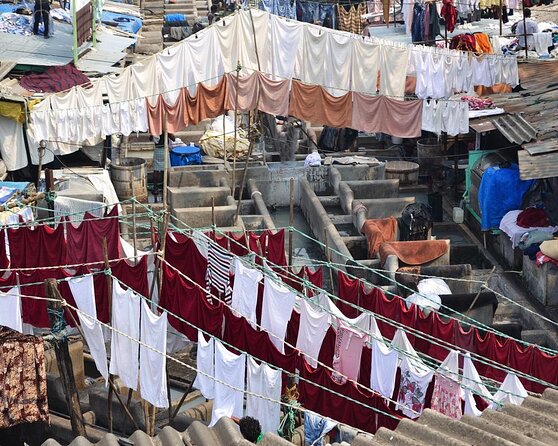
- Local, English-speaking guidance through Dharavi’s everyday spaces
- Factory-focused route covering commercial and residential sections
- Hands-on industry stops like plastic recycling, soap, and plastic bag production
- Leather drying area visit, so you’ll experience the real working environment
- No-fuss shopping stop where you can browse without pressure to buy
- Great value at $4.46 with an included admission ticket and mobile ticket
Why This Dharavi Slum Tour Works So Well
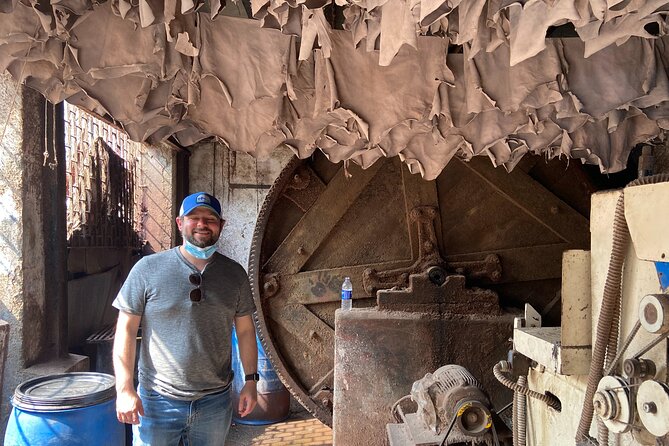
If you’ve ever looked at Dharavi from a distance, you already know it’s not a single story. It’s a whole set of neighborhoods and workshops, where people earn money, recycle materials, and run small businesses. A good guided walk matters because it turns scattered impressions into a clear, human-scale picture.
What I like most is the structure. You don’t just walk around and hope you’ll piece it together. You move through work zones (the factories and production areas) and then through residential lanes, so you can see how the economy and daily life sit next to each other.
This isn’t a theme park tour. You’re watching real jobs in real conditions, so your mindset should be respectful and observant. If you want a clinical, distant look, you might find the setting more emotionally real than you expected.
You can also read our reviews of more tours and experiences in Mumbai.



Where You Meet: Third Wave Coffee and Easy Start
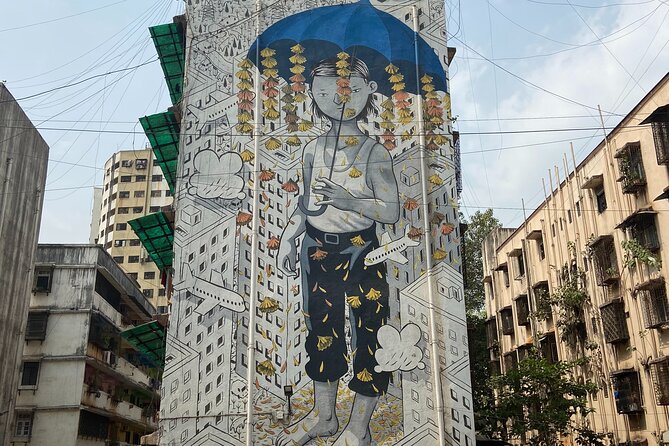
The tour begins at Third Wave Coffee, Tip Road, Unit no. 58, Ground, Ram Mahal, Senapati Bapat Marg, Marinagar Colony, Station, Mahim, Mumbai, Maharashtra 400016. The ending is back at the same meeting point, which is convenient when you’re trying to plan the rest of your day.
Because this is a walking experience, arriving a few minutes early can help you get your bearings and match up with your group. Also, since the tour is near public transportation, you’re not stuck planning around one complicated transfer.
The Time Window: 2 to 3 Hours of Guided Walking
Expect about 2 to 3 hours (the tour is described as approximately that long). That time range is a sweet spot: long enough to see multiple types of work and get a sense of the layout, but not so long that you’re exhausted before you even understand what you’re looking at.
The group size can be up to 99 travelers, so you’ll likely move as a group with your guide keeping everyone moving through the area. That means you should be comfortable following instructions and staying close—especially in narrower lanes.
If you’re sensitive to crowds or prefer slow one-on-one pacing, this format might not feel as personal as a tiny-group tour. Still, the guide focus is on showing the reality of Dharavi, not just checking boxes.
The Route Focus: Factories, Recycling, and Homes Side by Side
The core promise here is simple: you’ll get insight into Dharavi that you can’t recreate by yourself. The tour shows commercial and residential areas—so you don’t only see the workshops, and you don’t only see homes. You see how the industrial side of life and the neighborhood side of life overlap.
A key part of the experience is factory visiting. Instead of generic stops, you’re taken through production zones. That’s what makes the tour feel educational in a practical way—you can connect what you’re seeing to what people are actually making, recycling, and selling.
And because this is a local resident–led setup, you’re not just handed facts. You’re guided through places with context that helps you interpret what might otherwise look chaotic from the outside.
Stop in Dharavi: Plastic Recycling and the Work That Powers It
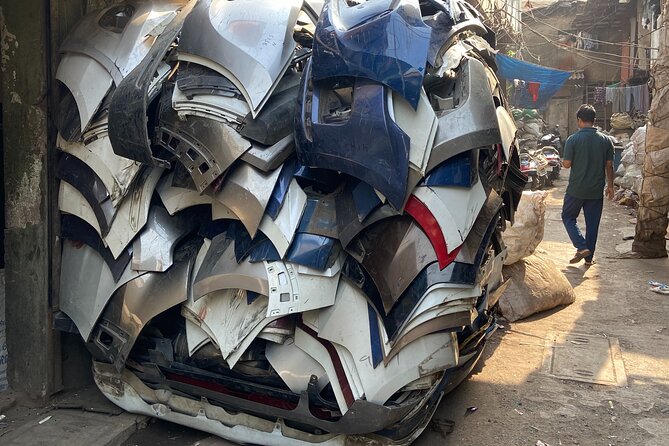
One of the most specific segments you’ll likely encounter is the plastic recycling area. This part is fascinating because it shows how material gets processed into something useful again. You’re not just hearing about recycling as an idea—you’re walking through the flow of work that turns waste into output.
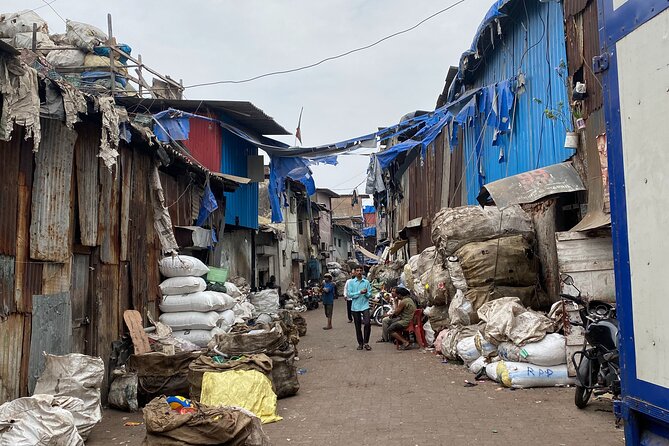
You may also move through a series of small alleys and tight lanes as part of the route. That’s where the tour feels most real. The cramped layout makes you slow down and notice how people move, work, and live with space constraints.
If you get uncomfortable with close quarters, plan to keep your personal boundaries while still staying respectful. You’re in active work areas, so your best approach is quiet observation and steady footing.




Soap and Plastic Bag Production: Small-Scale, Real Output
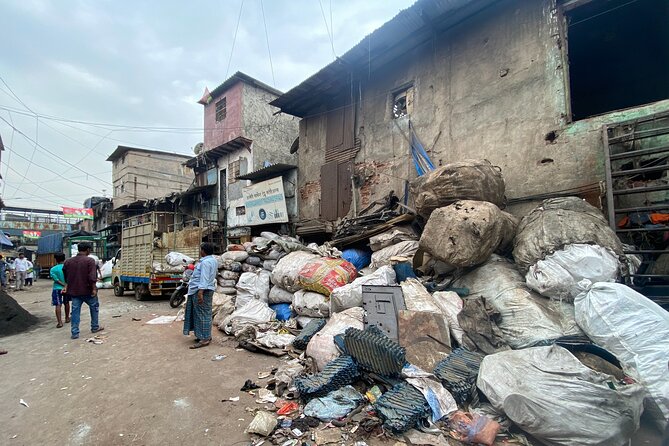
Another standout area described on this tour is where you can see soap and plastic bag production. This is the kind of stop that turns abstract economic talk into something concrete. You can look at what’s being made and understand that the products aren’t random—they’re tied to repeat processes and everyday demand.
I like these kinds of stops because they give your brain something specific to anchor to. Once you can name what kind of production you’re seeing, it becomes much easier to understand the whole district’s role in the city’s supply chain.
This portion is also a reminder that Dharavi’s economy isn’t just one industry. It’s multiple small operations that depend on each other. The guide’s job is to help you see those connections without overcomplicating it.
The Leather Drying Area: A Reality Check (In a Good Way)
One of the most memorable, very human details from the tour description is the leather drying area. That stop matters because it adds texture to the story—literally. Leather processing brings a different kind of environment than plastic recycling and soap production.
You should go in expecting the working atmosphere to feel distinct. Whether that’s visually different or simply more intense to your senses, this is part of what makes the experience honest. It’s not cleaned up for visitors.
If you’re planning on taking photos, keep it practical and respectful. In active work zones, focus on understanding what you’re seeing first, then consider whether it’s appropriate to record.
Residential Lanes: What “Lifestyle” Means Here
The tour doesn’t only show industry. It also includes time in residential areas, which helps you grasp what people’s daily lives look like alongside the workshops.
This is valuable because it prevents the one-sided view that many visitors accidentally fall into. Industry matters, but so does the reality that people also cook, rest, and raise families in the same general area. Seeing both sides helps you understand why Dharavi is more than a headline.
The most important thing you can do here is keep your attitude gentle. You’re not touring someone’s home like it’s a museum exhibit. You’re walking through a living place with people continuing their normal routines.
The Shop Stop: Browsing Without Pressure
The route can include a shop where products made in Dharavi are sold. The key point for you is that there’s no pressure to buy. That changes the vibe completely. Instead of feeling like you’re being steered into spending, you can browse if you want to, or skip it and just keep moving.
I also like that this kind of stop gives you a bridge from what you watched to what ends up as a finished item. Even if you don’t purchase anything, it helps you connect the production you saw earlier to real goods.
If you are the type who worries about awkward sales pressure, this detail is a big plus.
Price and Value: Why $4.46 Is a Big Deal
At $4.46 per person, the headline price looks almost unreal for a guided, structured walk. But the value isn’t just the low cost. You’re also getting an admission ticket included and a tour that covers multiple types of areas: industrial zones and residential areas.
You’re paying for more than direction. You’re paying for interpretation—how a local guide helps you understand what you’re seeing. That’s hard to replicate on your own unless you already know how Dharavi’s work is organized.
That said, the low price also means you should treat it like a walking tour you’ll want to prepare for. Wear comfortable shoes and plan for active neighborhoods, not a polished experience with long stops and lots of seated time.
Logistics That Actually Matter: Pickup, Mobile Tickets, Group Deals
This experience includes pickup offered, which is useful if you don’t want to spend time figuring out the meeting point. If you do use pickup, confirm how it works when you book, since pickup details aren’t fully spelled out here.
For tickets, you get a mobile ticket, which simplifies entry. You’re not juggling paper tickets or printing anything.
There are also group discounts, so if you’re traveling with friends, it may be worth booking together. The maximum group size is capped at 99 travelers, which can affect how personalized the pacing feels, but the guide focus remains on showing key parts of the area.
Who This Dharavi Tour Fits Best (And Who Might Not)
This is a good choice for you if you want a guided introduction to Dharavi that’s grounded in real work. It fits especially well if you like practical learning—seeing how recycling and production happen, then tying it to everyday life in residential areas.
It’s also a sensible option for many people because most travelers can participate. Service animals are allowed too, which can matter for travelers who need that support.
You might want to think twice if you prefer quiet, spacious walking routes, or if you don’t handle sensory intensity well (the leather drying area alone signals that working environments can be very different from what you’re used to). A slum-area tour isn’t meant to be comfortable in the spa sense—it’s meant to be truthful.
Booking Thoughts: Should You Book This Tour?
I think this is a strong booking if you want structure, local context, and specific factory-focused stops at a price that’s hard to beat. The included admission ticket, mobile ticket convenience, and pickup option make it easy to plan, and the route covers both work and homes—so you don’t leave with a one-note impression.
But be honest with yourself about your tolerance for walking through active, tight areas. If you go in with a respectful attitude and comfortable footwear, this can be one of the more meaningful Mumbai experiences you’ll have.
FAQ
How long is the Dharavi slum tour?
The tour runs for approximately 2 to 3 hours.
How much does the Dharavi slum tour cost?
The price is $4.46 per person.
Is a ticket included in the tour price?
Yes. An admission ticket is included.
Where do I meet the guide for the tour?
You meet at Third Wave Coffee, Tip Road, Unit no. 58, Ground, Ram Mahal, Senapati Bapat Marg, Marinagar Colony, Station, Mahim, Mumbai, Maharashtra 400016, India.
Does the tour include pickup?
Pickup is offered, and the tour is set up to start from and end back at the meeting point.
Will I use a mobile ticket?
Yes. The tour includes a mobile ticket.
Is there a limit on group size?
Yes. The tour/activity has a maximum of 99 travelers.
Is it near public transportation?
Yes. The meeting area is listed as near public transportation.
Can I cancel and get a full refund?
Yes. Free cancellation is available, and you can cancel up to 24 hours in advance for a full refund.
Is the guide English-speaking?
The tour is described as a walk with a local English-speaking tour guide.