REVIEW · FORT & COLABA WALKING TOURS
Mumbai 800 Year Worli Village: Talking Goddess, Old Fort & more
Book on Viator →Operated by No Footprints · Bookable on Viator
Old Mumbai lives in Worli. This short tour mixes sea views, faith, and everyday village life in a part of the city most people rush past. I especially liked the Worli Fort vantage over the Arabian Sea and the slow, human feel of the Worli market walk with shrine stops.
I also like how the format is built for you, not the other way around: round-trip hotel transfers and a private guide mean you can ask questions and move at a sane pace. On top of that, bottled water and refreshments keep the whole thing comfortable, even when Mumbai heat starts doing its thing.
One consideration: you’ll do a fair bit of walking and you’re out in the sun, so bring comfortable walking shoes and protect your head and skin. The village road has restrictions too, so don’t expect typical car access all the way inside the neighborhood.
In This Review
- Key things to know before you go
- Worli Fort: British watch-tower views over the Arabian Sea
- Nipponzan Myohoji Buddha Temple: a rare Buddhist-feeling pause
- The talking Goddess walk and the Worli market atmosphere
- Getting in and out: hotel pickup and the Innova-only village road
- Time on the ground: 3 to 4 hours that actually feel short
- Price and value: what about $47 gets you in Worli
- Who this Worli tour suits best
- Should you book this Worli village experience?
- FAQ
- How long is the Mumbai 800 Year Worli Village tour?
- Is hotel pickup and drop-off included?
- What’s included in the tour price?
- Which stops are part of the itinerary?
- Are children allowed, and do they pay?
- Are there any day restrictions?
Key things to know before you go
- Worli Fort views: a British watch tower style landmark with long sea-war history
- Nipponzan Myohoji Buddha Temple: a Buddhism stop in Mumbai with a major Buddha statue and a resident monk
- Talking Goddess + market walk: a shrine-to-street flow that shows daily life, not just monuments
- Innova-only village entry: the local road access limits which vehicle can drive in
- 3 to 4 hours total: short enough for first-timers, long enough to feel the place
Worli Fort: British watch-tower views over the Arabian Sea
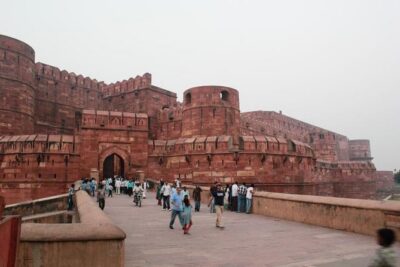
The first stop is the Worli Fort, a British-era watch tower perched above the water. It’s the kind of place where you immediately understand why people built along the coast: you get a wide sightline out over the Arabian Sea, and the fort’s position makes the city’s history feel physical. The descriptions you’ll hear point to centuries of use, including periods marked by sea conflict and raids.
In practical terms, this is a quick stop that’s still worth it. You don’t just look at a wall. You stand where guards once watched the horizon. If you like architecture, coastlines, or plain old ship-era drama, you’ll get something out of it. If you’re expecting a big fort with lots of rooms and signage, this isn’t that kind of stop. Think viewpoint first, ruins second.
A tip that matters here: the fort area can be exposed. Go in with sunscreen and a hat ready, and plan to move slowly as you take photos. It’s a short stop (about 20 minutes), so you’ll want your camera up fast.
You can also read our reviews of more tours and experiences in Mumbai.


Nipponzan Myohoji Buddha Temple: a rare Buddhist-feeling pause
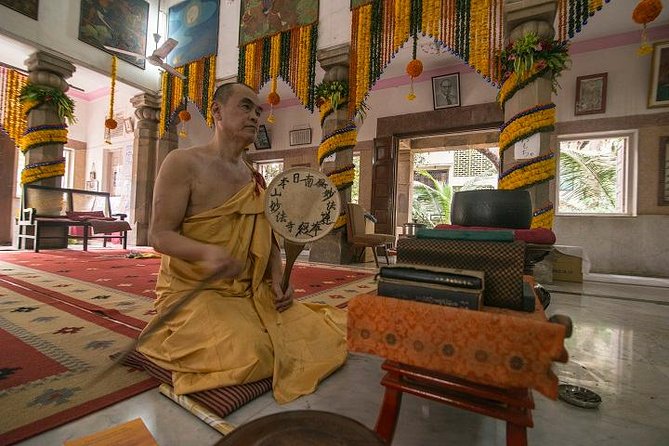
After the sea-breeze moment, the tour pivots to religion and quiet. You’ll visit the Nipponzan Myohoji Buddha Temple, a Buddhism site that follows the Nicherin branch. It’s described as around fifty years old, and the reason people stop isn’t just the temple buildings—it’s the Buddha statue, described as a rarity in Mumbai.
This stop is shorter (about 20 minutes), but it has a strong payoff. The temple is set up so you notice more than the big centerpiece. You also hear about worship routines and the idea of the resident monk—described as lion-hearted—which gives the place personality, not just ornament.
What I like about this part is the contrast. Worli Fort gives you the outer-world view. The temple gives you the inner-world pause. If you’re curious about how Mumbai’s different faith communities exist side-by-side, this brief visit is a good sampler. You won’t get a lecture where your feet go numb, either; the time is tight, and that helps.
Dress/behavior note: treat it like a real place of worship. Keep things respectful, follow any guidance from your guide, and be mindful that people may be coming to pray rather than to perform for visitors.
The talking Goddess walk and the Worli market atmosphere

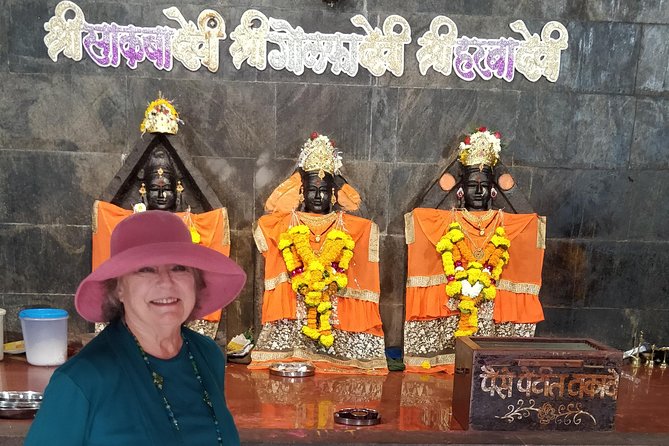
Then comes the part that makes the tour feel like Worli, not just Mumbai. You start with a temple connected to the talking goddess, and then you move into the Worli Koliwada Vailankanni Cross area for a market-and-neighborhood walk.
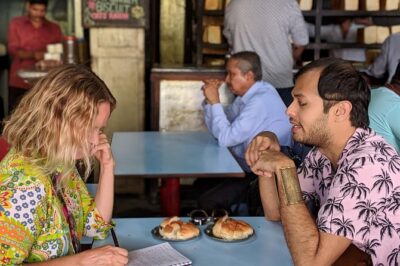
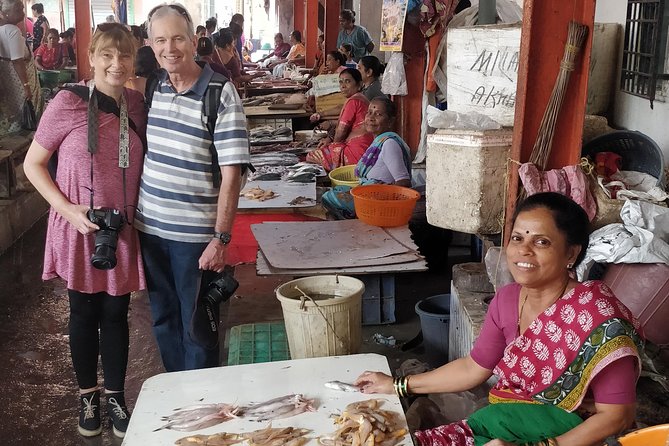
This is where the “off-the-beaten-path” promise becomes real. The walk is built around everyday scenes: stalls, foot traffic, and shrine-focused street corners. The descriptions you’ll hear emphasize continuity, including the idea that the market feel hasn’t changed much since early settlement times. Even if you can’t verify exact dates while you’re walking, you’ll recognize the vibe—less polished-tour-surface, more daily routine.
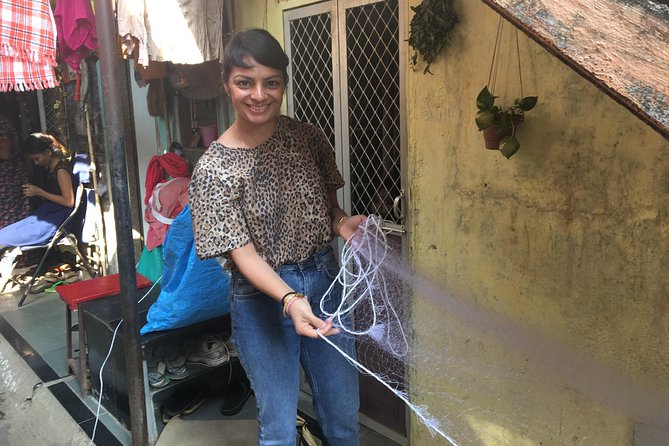
You’ll also have chances to see life tied to the sea, including fishermen handling nets and repairing gear, plus local women dressed in beautiful cloth. I wouldn’t count on a specific parade at a specific hour, but this neighborhood has the kind of rhythms where you can catch details if you keep your eyes up and your phone put away for a minute.
The stop is about 40 minutes, which is a good length. Long enough to absorb a market smell-and-sound picture, short enough that you don’t feel trapped. Wear breathable clothes, carry water if you need extra beyond what’s provided, and expect narrow lanes where the whole group moves like a single unit.
Getting in and out: hotel pickup and the Innova-only village road
Logistics can make or break a “village in a city” day, and Worli has a constraint you should know. The tour notes that only an Innova can enter the village. The reason is practical: the road isn’t navigable for other vehicles, and access is limited to help maintain the peaceful existence of people inside the village.
What this means for you: you may feel like you’re doing a small hop from parking point to village areas, rather than cruising to the front door of everything. That’s normal here. Don’t let it annoy you. It’s also a clue that you’re seeing the village on its own terms.
The tour is private, and you get round-trip transfers from your hotel, but the key is how the driver handles the last stretch. You should plan to be flexible with timing if you hit traffic or if the vehicle can only drop you at a certain point.
If you’re thinking, Will this be confusing? Not really. Your guide runs the flow, and the route order is set at their discretion based on what’s easiest in the moment. That matters in Mumbai, where timing can change without warning.
Time on the ground: 3 to 4 hours that actually feel short
This experience is designed to fit into a travel day without turning your legs into souvenirs. Total duration is about 3 to 4 hours, and the main stops break down roughly like this: around 20 minutes at Worli Fort, around 20 minutes at the Nipponzan Myohoji Buddha Temple, and about 40 minutes at the goddess-and-market area.
The walking is real, but it’s manageable if you prepare. The tour advises moderate physical fitness and comfortable shoes, plus hat and sunscreen. That’s not just legal language. It’s there because the sun and the footwork matter.
Here’s how I’d pace it:
- At the fort, take your photos first, then slow down for the sea views.
- At the temple, keep your pace steady and let your guide explain what matters.
- In the market section, give yourself a break from speed-walking. Look around. This is where the place tells you what it wants you to notice.
Your start and end timing can also shift with traffic. That flexibility can be a blessing. It means the day isn’t rigid enough to punish you for Mumbai timing.





Price and value: what about $47 gets you in Worli
At about $47.15 per person, the big value isn’t the individual sights. It’s the combination: private guide, private vehicle transport, hotel pickup and return, bottled water, and refreshments. For a short 3 to 4 hour window, you’re paying to avoid the hassle of figuring out vehicle access in a neighborhood with limited road entry, and to get context while you’re there.
Could you do this on your own with public transit? Maybe. But the “value” of this tour is that someone local handles the sequence and moves you through religious and market spaces without making you work out the best order. You’re also saving time. In Mumbai, time is usually the currency you run out of first.
One more value note: admission fees are listed as free for the fort and included for the Buddha temple. So you’re not stepping into unexpected paid-entry moments at each stop.
If you’re traveling solo or as a couple and you want something meaningful without spending a whole day, this price tier makes sense. If you’re only in Mumbai for a checklist selfie mission, you may find it feels too “human scale.” But if you like real neighborhoods, the cost-to-experience ratio is strong.
Who this Worli tour suits best
This is a great fit if you want old-world Mumbai without doing a full-city grind. It’s also ideal when you like mixing sea views with faith stops and street life. I’d put it high on the list for:
- First-time Mumbai visitors who want a calmer, local-feeling pocket
- Couples and solo travelers who prefer private guiding over group herding
- People interested in how different religions and daily market life coexist
- Travelers who enjoy short walks with plenty of stops, not long museum marathons
It may be less ideal if you hate walking in sun, need fully accessible routes, or want lots of time inside buildings. The tour is intentionally compact, and the pacing assumes you can keep moving.
One more practical note: kids under 9 years old can do the tour free of cost, which can make it a good family option if your child is comfortable with the walking pace and sun.
Should you book this Worli village experience?
I think you should book it if your goal is to see a Mumbai neighborhood with real daily texture, not just a highlight reel. The mix works: Worli Fort gives you the coastline gravity, the Nipponzan Myohoji Buddha Temple adds a thoughtful faith moment, and the goddess-and-market walk is where Worli feels lived-in.
Skip it if you’re looking for big-ticket sights, long guided immersion, or lots of indoor time. This is a short walk-through-and-feel-it tour. In the right mindset, it’s a smart use of a half day.
If you do book, I’d go in with two attitudes: slow down in the market section, and ask questions at each shrine stop. That’s when a simple village route turns into a memory.
FAQ
How long is the Mumbai 800 Year Worli Village tour?
The tour lasts about 3 to 4 hours.
Is hotel pickup and drop-off included?
Yes, round-trip transfers from your hotel are included.
What’s included in the tour price?
The tour includes a private guide, transport by private vehicle, bottled water, refreshments, and local taxes/fees.
Which stops are part of the itinerary?
You’ll visit Worli Fort, the Nipponzan Myohoji Buddha Temple, and the Worli Koliwada Vailankanni Cross area with the talking goddess temple and local market.
Are children allowed, and do they pay?
Children below 9 years of age can do the tour free of cost.
Are there any day restrictions?
The tour is not conducted on the day of the Mumbai Marathon.