REVIEW · WALKING TOURS
Mumbai: Private Walking Tour with a Local
Book on GetYourGuide →Operated by Lokafy · Bookable on GetYourGuide
Mumbai’s best stories aren’t on plaques. This private Lokafy walk is designed for people-watching, smart local tips, and seeing Mumbai at the speed you actually want.
I love the customization. Your Lokafyer can shape the route around what you care about most, and guides like Sukanya have a track record of answering your random Mumbai questions with real confidence.
One thing to consider: entrance fees and meals aren’t included, so your final day cost will depend on what you choose to enter or eat while you’re out.
In This Review
- Key things to know before you go
- Why this Mumbai walk feels like a real introduction
- The Lokafyer setup: what you’re really paying for (and why $30 can work)
- Pickup at Cusrow Baug or Apollo Bandar (and why meeting point matters)
- A walk that actually moves: photo stops, views, and real neighborhood texture
- Marine Drive and the sea-breeze pause: what you gain from the coastal angle
- Gateway of India, Taj landmarks, and the classic photo zone—handled the local way
- Dhobi Ghat and Chor Bazaar: the contrast that makes Mumbai feel real
- Getting around: walking first, with trains and rides when they make sense
- Food and local stops: how this tour helps you eat like you live there
- Guide quality is the real variable (and the names you’ll likely hear)
- Duration from 2 to 8 hours: picking the right length for your Mumbai reality
- Price and extras: what’s covered, what you’ll likely pay on top
- Who should book this Mumbai private walking tour
- Making the most of your Lokafyer day
- Should you book this private walking tour with a Lokafyer?
- FAQ
- What is the price per person?
- How long is the tour?
- Is this tour private?
- Where do pickup and meeting happen?
- What languages are available for the guide?
- What’s included in the $30?
- What’s not included?
- Can I cancel for a full refund?
Key things to know before you go
- A private Lokafy experience: small, personal, and tailored to your pace rather than a fixed script
- 6 people max: less crowd noise, more chances to ask questions and get practical advice
- Pickup in central areas: including Cusrow Baug or Apollo Bandar, plus flexible meet-ups near the city center
- More than landmarks: expect local hangouts, neighborhood texture, and cultural context (not just photos)
- English plus four other languages: English, Hindi, Spanish, French, German
- 2 to 8 hours: you can choose a shorter orientation walk or a longer mash-up day
Why this Mumbai walk feels like a real introduction
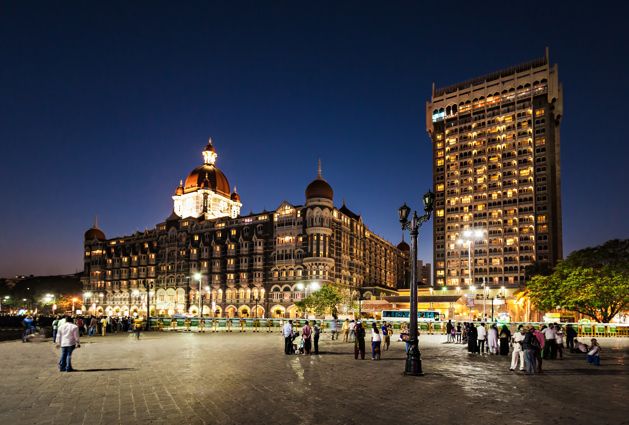
Mumbai can hit you fast. Colors, horns, smells, crowds, and constant motion. This tour works because it treats the city like a living place, not a checklist. You’re not stuck inside a strict script with a timer counting down to the next “must-see.”
The best part is how the guide helps you connect dots. You’re guided to the sights, yes—but you also learn how locals think about those places. It’s the difference between taking a picture of a busy area and understanding why people gather there, where they go next, and what to watch for as you move around.
I also like the people-first approach. Several guide accounts point to the same vibe: the tour is about friendly interaction as much as sightseeing. That matters in Mumbai, where the smallest human detail can be more memorable than the biggest building.
Finally, the small group size makes a big difference. With a limit of 6, you’re more likely to get the route shaped to your questions—whether you’re hunting down food stops, street scenes, or a better way to navigate the day without wasting time.
You can also read our reviews of more walking tours in Mumbai

The Lokafyer setup: what you’re really paying for (and why $30 can work)
At $30 per person, this is one of those “good value when used right” city experiences. The price covers a local guide plus a customized private tour. It does not automatically cover attractions, meals, or extra costs you might choose along the way.
So what you’re buying is guidance that can save you stress and wasted movement. In a place as complex as Mumbai, a smart local can help you:
- pick a route that matches your energy level
- avoid spending your time doing the same generic stops everyone else does
- learn local etiquette and practical pointers as you walk
You also get a language advantage. Tour guides are available in English, Hindi, Spanish, French, and German, which makes it much easier to ask follow-up questions instead of nodding politely and hoping you understand.
If you want a “first day orientation” vibe, this often makes sense. If you’re the type who loves wandering without planning much, it also fits. The key is to communicate what you want up front—food, heritage walk style, markets, seaside views, art, or a mix.
Pickup at Cusrow Baug or Apollo Bandar (and why meeting point matters)
You’ll get a meeting option that’s actually useful: pickup at Cusrow Baug or Apollo Bandar. Even better, the guide can meet you at a preferred location in or near the city center, like your hotel, an iconic landmark, or even a quieter café.
This matters because Mumbai is big and movement can be time-sensitive. A nearby start point helps you begin the walk without burning your energy on getting to the “starting line.”
Practical tip: if you’re staying in a busy area, pick the meetup spot that’s easiest for you to reach on foot or by quick local transport. The goal is simple—make the first 30 minutes feel like part of the experience, not a logistics puzzle.
And don’t worry if your interests shift mid-walk. The tour is meant to be flexible. Guides have asked what you’re into along the way, and they’ll often redirect you if your curiosity pulls you in a new direction.
A walk that actually moves: photo stops, views, and real neighborhood texture
Your tour will include a mix of walking and sightseeing, and you’ll hit photo stops along the way. That sounds basic, but in Mumbai it’s a serious advantage. You’ll see the city’s “in-between” spaces—the corners that give the place its personality.
Expect scenic views on the way. Several guides’ routes are built around the kind of viewpoints that help you understand Mumbai’s layout and mood. If you’re the type who gets overwhelmed, these visual pauses act like reset buttons.
One theme I appreciate is how the walk isn’t only about big monuments. It can include older parts of the city, local markets, and everyday cultural scenes. Guides have taken people through areas such as Dhobi Ghat, Chor Bazaar, and market sections with a “look and learn” rhythm.
Not every stop will be equally comfortable for every visitor. Some neighborhoods can mean more crowds, more noise, and more visual intensity. If that’s hard for you, tell your guide early. A good Lokafyer will adjust pace and stop frequency so the day stays enjoyable instead of exhausting.
Marine Drive and the sea-breeze pause: what you gain from the coastal angle
Mumbai’s coastline isn’t just pretty. It changes the way the city feels. A route that includes Marine Drive gives you that perspective—like a sensory chapter break between inner-city movement and open-air views.
Some guides have specifically taken visitors to a Hindi temple near Marine Drive, which is a great example of why this tour works. You’re not only looking at a view; you’re seeing how faith and daily life overlap in the same streets.
You’ll also often get a chance to understand how people use certain areas at different times of day—where families linger, where the vibe shifts, and where you can slow down for photos without turning the day into a frantic camera sprint.
If you care about culture as much as sightseeing, this is the stop type that can deliver. It’s the kind of place where you learn to watch respectfully and ask smart questions.
You can also read our reviews of more private tours in Mumbai



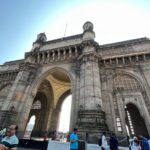
Gateway of India, Taj landmarks, and the classic photo zone—handled the local way

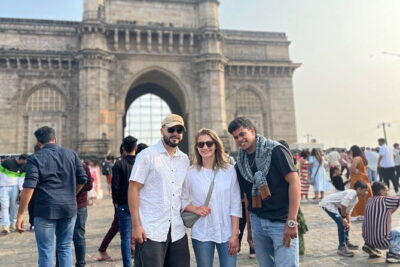
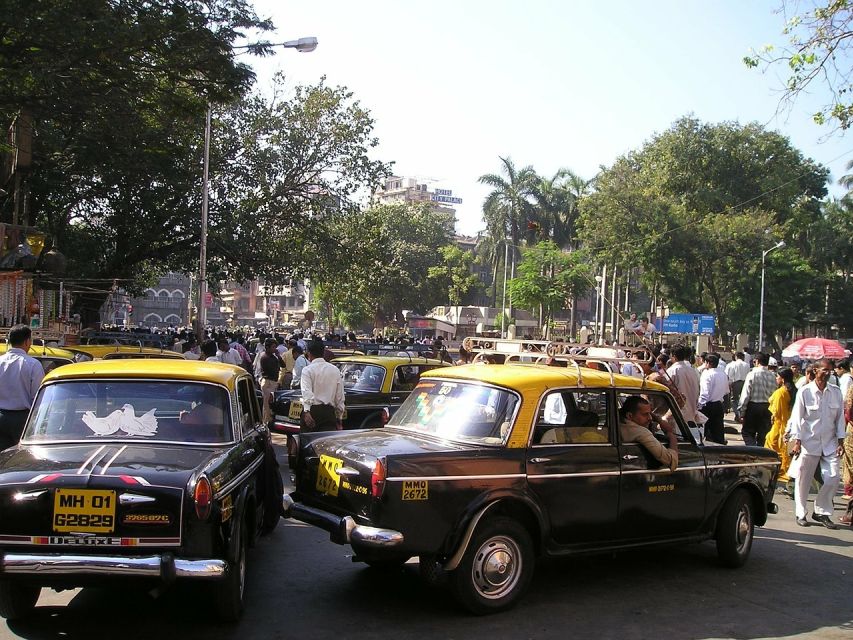
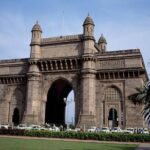
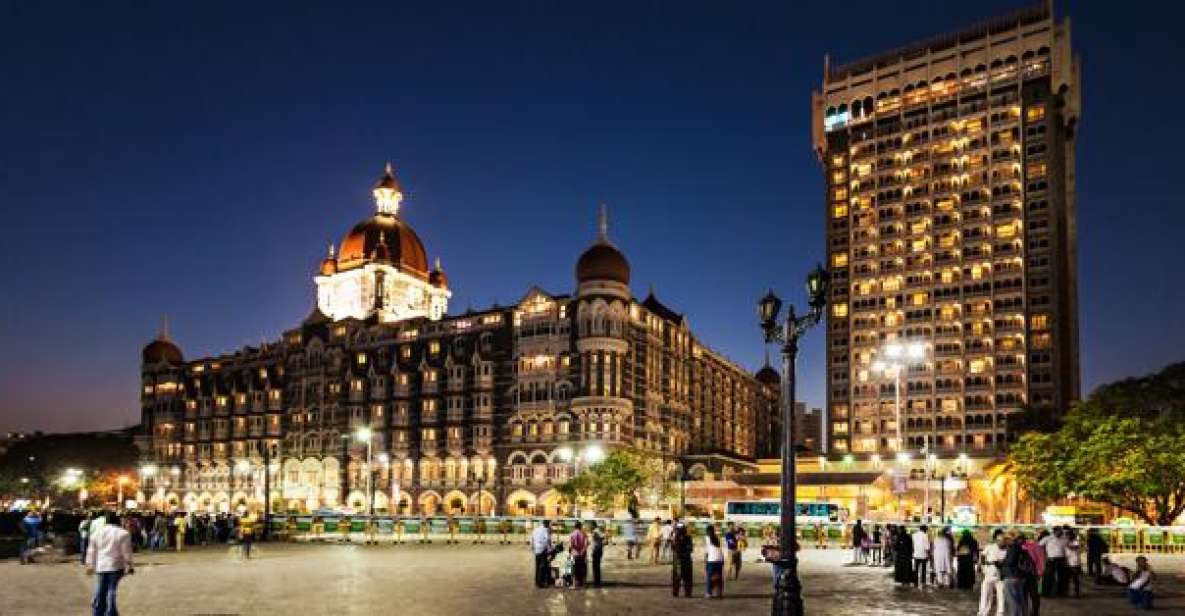
You’ll likely touch the big-name sights, including the Gateway of India and a Taj-connected landmark area (some routes even include a stop labeled Taj Mahal in guide itineraries). These places draw crowds for a reason: they’re iconic.
Here’s where a local guide adds value. Instead of treating the area like a single photo spot, you can get the surrounding context. You learn what the area means historically and what it means to people today.
The drawback is that classic sights can become busy. If you’re sensitive to crowd pressure, ask your Lokafyer about timing and how long you’ll need to hang around. A good guide will balance “see it” with “don’t spend your whole day fighting for space.”
Dhobi Ghat and Chor Bazaar: the contrast that makes Mumbai feel real
Mumbai’s magic often comes from contrast. One moment you’re near a landmark; the next, you’re stepping into the energy of daily life.
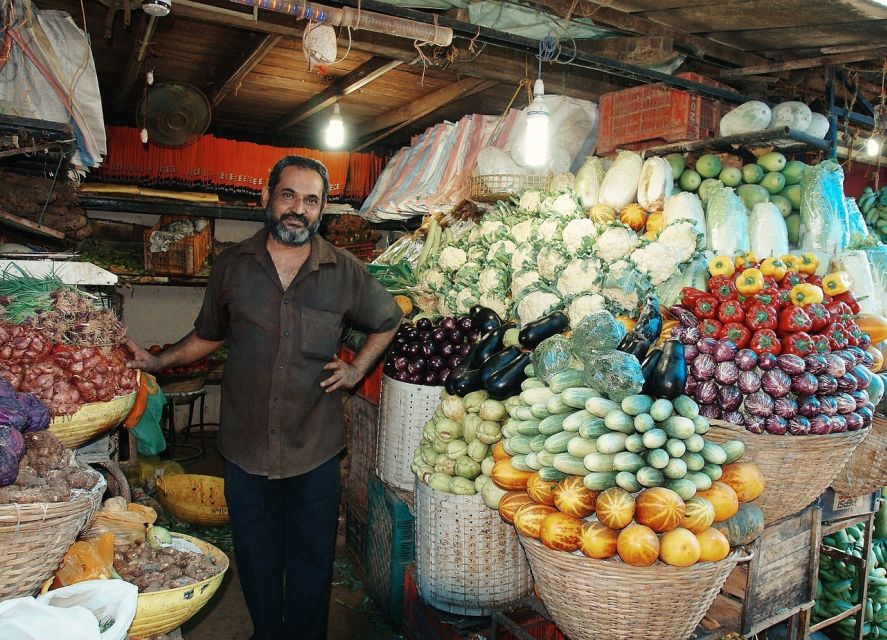
Routes have included Dhobi Ghat, and also Chor Bazaar along with other markets. This is where the tour becomes more than “views.” You start seeing how commerce and community work in the city. You also get that feeling that Mumbai isn’t staged for you—it’s just happening.
What I like most about these stops is that they tend to generate good questions. A local can explain what you’re seeing, what’s normal, and how to move through the area safely and respectfully.
One practical note: market areas can mean uneven walking surfaces and lots of distractions. If you have mobility concerns or you’re traveling with someone who needs frequent pauses, bring it up early. Several guide styles include pacing that adjusts naturally to the group’s needs.
Getting around: walking first, with trains and rides when they make sense
A walking tour doesn’t mean you stay on foot the whole time. Guides have taken people across Mumbai using a mix of walking plus local transit options like a train ride, and some routes include getting around by taxi or auto-rickshaw.
That flexibility is useful because it prevents “distance fatigue.” You might walk through neighborhood sections and then take a ride to connect to the next zone without losing hours.
One review mentioned learning about how train access works, including the women’s section on the train. That’s the kind of practical detail that can save you from awkward confusion on your own.
If you’re hoping to do the tour mostly on foot, tell your guide. If you’re short on time and want to pack in more, say that too. The idea is matching transport to your day, not forcing one style.
Food and local stops: how this tour helps you eat like you live there
Food is usually the highlight in Mumbai, but it can also be where people get stressed. You’ll want places that are worth your money and worth your stomach.
Guides on these walks have included lunch at local spots, and at least one route included a stop at a local Israeli café. Another included local restaurant recommendations and street-food direction. The point isn’t one specific menu. The point is that you get help deciding what’s good and where it makes sense in your route.
I like the way this tour treats food as part of the city’s rhythm. It’s not tacked on at the end. It’s usually woven into the walking plan so you’re not forced to choose randomly.
Practical suggestion: tell your Lokafyer your comfort level—spice, vegetarian/non-veg, and whether you want street food vs. more sit-down options. Your guide can then steer you toward places that match you.
Guide quality is the real variable (and the names you’ll likely hear)
In this experience, the guide matters as much as the route. The strongest signals from guide accounts revolve around one thing: guides like Sukanya and Ashish are active partners in the day.
Sukanya is highlighted for customizing the visit to needs and for being excellent at answering all sorts of questions about Mumbai and India. In one itinerary style, Sukanya paired heritage walking with a train segment and included stops like Gateway of India and Marine Drive areas. Another route style showed a mix of historical and cultural stops plus a lunch at a friend’s café.
Ashish is described as college educated, with strong English, and he adjusted pace for a slower gait while encouraging rest when needed. That balance—knowledge plus human timing—is what you want from a private guide.
So, if you can, take a moment before you start to share how you want the day to feel. Are you looking for culture and context, or photos and speed, or street scenes and food? A good Lokafyer will take that and shape the walking plan.
Duration from 2 to 8 hours: picking the right length for your Mumbai reality
The tour can run 2 to 8 hours. That range is helpful, but it means you should choose intentionally.
A 2-hour version is best if you want:
- an orientation walk
- a few key landmark/photo moments
- a quick shot of local advice so you can navigate after the tour
A longer 4 to 6 hour day works better if you want:
- markets plus heritage stops
- a food break that feels planned
- more neighborhood texture and fewer rushed transitions
If you’re picking an 8-hour slot, go in with a clear aim—heritage focus, street-life focus, or a mix—so the extra time doesn’t just turn into random wandering. With a personalized guide, that time can be great. But your own preferences still drive the result.
Price and extras: what’s covered, what you’ll likely pay on top
The $30 per person price includes the local guide and a customized private tour. What’s not included: entrance fees, meals and drinks, and any optional activity costs.
That means your budget can go in different directions depending on how many sites you enter and where you stop to eat. If you’re the type who likes one nice meal and a few paid entries, plan a little extra. If you’re more of a “walk, view, learn” person, you may keep costs lower.
Also, since transport can be part of the route at times, confirm what your guide plans to use on your day. The tour provides the guidance; additional costs vary depending on the transport and any entered attractions.
Who should book this Mumbai private walking tour
This tour fits best when you want more than photos. I’d especially consider it if you:
- want to meet Mumbai through people and local context
- like flexible itineraries that adjust to your pace
- care about food guidance, markets, and neighborhood texture
- value a small group (up to 6) so you can actually ask questions
It’s less ideal if you want a fixed, clockwork itinerary with zero adaptation. The whole point here is that the guide tailors the day to you.
Making the most of your Lokafyer day
To get better value, come prepared with a short list. You can tell your guide:
- the sights you definitely want
- the style you prefer: heritage, food, markets, coastal views, street art or just wandering
- your pace: slow and chatty, steady and efficient, or lots of stops
Wear shoes that work for walking plus occasional uneven ground. Mumbai walking can be harder than it looks from a map.
And bring curiosity. Several accounts point to guides asking what you’re interested in and then building around it. If you show interest back, the tour gets better quickly.
Should you book this private walking tour with a Lokafyer?
If you want a Mumbai day that feels human—where someone helps you interpret what you’re seeing—this is a strong pick. The price is reasonable for a private guide, and the small group format keeps the experience personal. Plus, the fact that guides like Sukanya and Ashish are repeatedly praised for customization and real Q&A is a good sign that this isn’t a “walk and disappear” setup.
Book it if you’re open to a route that adapts to your interests and if you’re ready to spend a few hours learning how locals see their own city. Skip it only if you need a totally fixed itinerary or you’re unwilling to pay for entrances and food on your own.
FAQ
What is the price per person?
The price is $30 per person.
How long is the tour?
It runs for 2 to 8 hours. You can check availability to see starting times.
Is this tour private?
Yes. It’s a customized private tour with a small group limited to 6 participants.
Where do pickup and meeting happen?
Pickup is included, with options at Cusrow Baug or Apollo Bandar. The Lokafyer will also meet you in or near the city center, such as at your hotel, an iconic landmark, or a quiet café.
What languages are available for the guide?
The tour guide is available in English, Hindi, Spanish, French, and German.
What’s included in the $30?
You get a local guide and a customized private tour.
What’s not included?
Entrance fees, personal expenses, optional activity costs, and meals and drinks aren’t included.
Can I cancel for a full refund?
Yes. You can cancel up to 24 hours in advance for a full refund.