REVIEW · DABBAWALA TOURS
Mumbai Dharavi Slum, Dhobi Ghat & Dabbawala Lunchbox Tour
Book on GetYourGuide →Operated by Cityscape Mumbai Tours · Bookable on GetYourGuide
Three stops, one big lesson about Mumbai. This tour connects Dharavi, Dhobi Ghat, and the dabbawala delivery machine, explained by local guides like Ravi and Subhan who keep things clear even when the streets feel chaotic. I especially like the way you get real context for daily work—laundry, manufacturing, and meal logistics—without turning it into a cold checklist.
What I really like: you walk and talk. You’ll spend about 1.5 hours in Dharavi, see Dhobi Ghat up close, then wrap with how the dabbawala system moves thousands of home-cooked meals with impressive accuracy.
One consideration: it’s not a sit-and-watch tour. Expect a lot of walking, it’s not suitable for wheelchair users or people with mobility impairments, and meals and drinks aren’t included.
In This Review
- Key takeaways
- Three systems that explain Mumbai in 3.5 hours
- The tour at a glance: what the 3.5 hours actually feel like
- First stop: learning the dabbawala system before you get the full picture
- Dharavi walk: real jobs, tight spaces, and a lot of entrepreneurship
- Dhobi Ghat: the historic open-air laundry at work
- The middle-to-end connection: why Dhobi Ghat and dabbawalas feel linked
- Price and logistics: is $17 worth your time?
- What to bring (and what to skip) so the day stays smooth
- Who this tour suits best (and who should skip)
- Guide quality: the difference between seeing and understanding
- Should you book this Mumbai tour?
- FAQ
- How long is the tour?
- What is the tour price?
- Is a local guide included?
- Are meals and drinks included?
- Is transportation included?
- What language is the tour guide?
- Is there free cancellation?
- What should I bring?
- Is the tour suitable for wheelchair users?
Key takeaways
- Small-group feel with local guides who explain from inside the community
- Dhobi Ghat in action: you see how laundry happens in an open-air, working setup
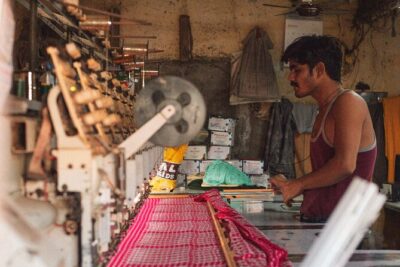
- Dharavi’s work economy: recycling, pottery, textiles, leather, and more in real small-scale spaces
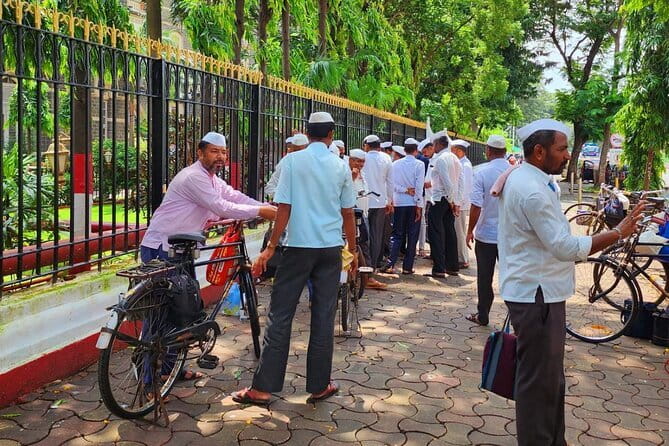
- Dabbawala logistics explained: how lunchboxes get sorted and delivered with minimal technology
- A pace that allows questions—guides like Ravi, Javed, and Yash are praised for patience and clarity
Three systems that explain Mumbai in 3.5 hours
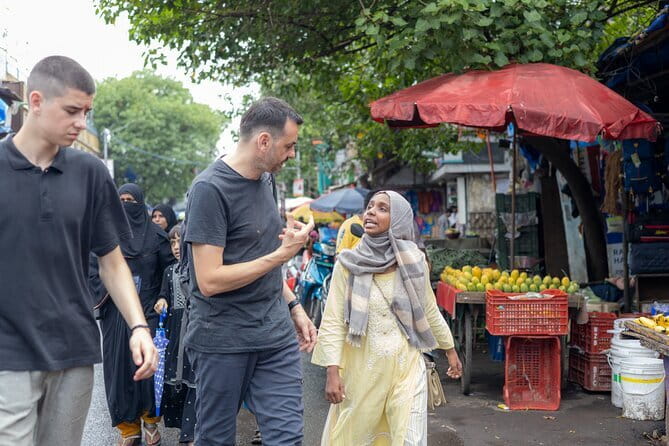
Mumbai can feel like a thousand separate stories at once. This tour is smart because it links three systems that run on labor, routine, and coordination. You’re not just seeing places; you’re seeing how people earn, move goods, and keep daily life going.
I like the focus on work instead of pity. Dharavi isn’t presented as a single label—it’s shown as a network of small industries and day-to-day skills. Dhobi Ghat is treated as a living practice, not a museum prop. And the dabbawalas are explained as planners and operators, not just a fun fact.
You can also read our reviews of more tours and experiences in Mumbai.



The tour at a glance: what the 3.5 hours actually feel like
You’ll be out for about 3.5 hours, with three main segments:
- a guided stop related to dabbawala food (about 40 minutes)
- Dhobi Ghat (about 35 minutes)
- Dharavi (about 1.5 hours)
Between stops, you’ll walk and transition by local transport (included). The tour also uses a small group size, which helps because you’ll likely want to ask questions when you see how each system works.
This is a “comfortable shoes” situation, not a “sandals and good intentions” situation. One review noted that the walking is significant, but you usually don’t clock how much until you’re done.
First stop: learning the dabbawala system before you get the full picture
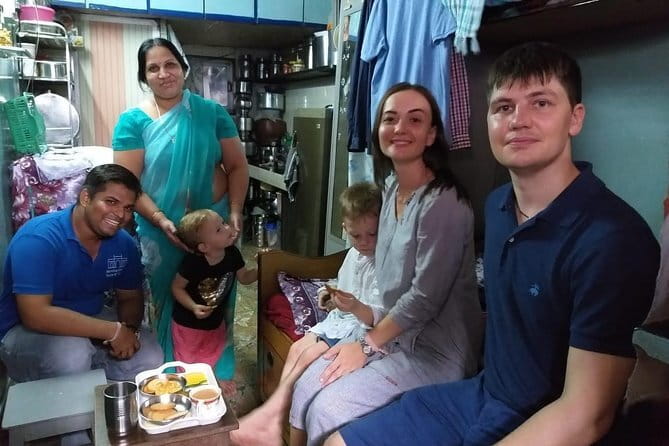
The tour starts with a section connected to dabbawala food and spends about 40 minutes on it with a guided explanation. Even without meals included, this part sets up the logic for everything that follows: Mumbai runs on routing, sorting, and reliability.
You’ll learn the history and impact of the dabbawala lunchbox system—then connect that to what you’ll see later in Dharavi and Dhobi Ghat. The key idea is efficiency without flashy tools. The system is known for accuracy even though it operates with minimal technology.
If logistics thrills you even a little, this is the part where you’ll start saying things like, so that’s how it all holds together. And if it doesn’t, you’ll still appreciate the practical detail—how delivery depends on organization, timing, and routes that people can execute day after day.
Dharavi walk: real jobs, tight spaces, and a lot of entrepreneurship
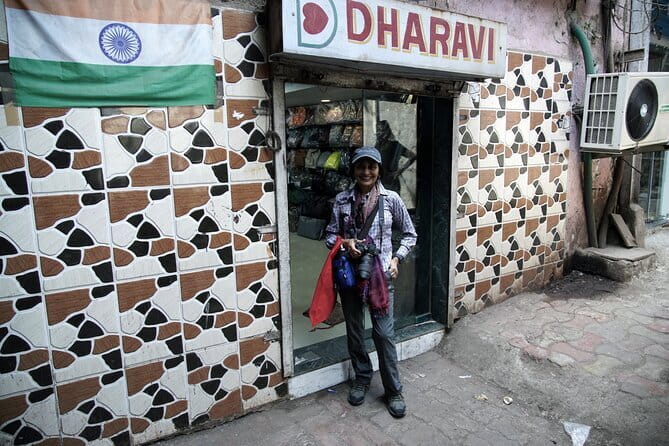
Dharavi is where the tour becomes most personal. You’ll spend roughly 1.5 hours walking through the neighborhood with a guide, seeing small-scale industries and workshop life.
Here’s what you should expect based on what guides commonly highlight: you may see or discuss recycling work, pottery, textiles, and leather goods—plus the web of small businesses that keeps goods moving. The point isn’t to “tour poverty,” it’s to understand how people build livelihoods in close quarters.
I appreciate that the tour is framed around resilience and creativity, but without pretending the challenges don’t exist. Reviews also emphasize that the tone stays grounded in daily life and work. One guide experience described that it’s not about poverty, but about people’s hustle, creativity, and routine.
A helpful detail: several guides are described as being known in the area or living in the community themselves—people like Subhan, Javed, and others such as Ravi, Jay/Jawwad, and Yash. That matters. When your guide is connected locally, you’re less likely to feel like an outsider who wandered into someone else’s reality.
Practical tip: bring your curiosity, not your assumptions. In narrow lanes and compact homes, it helps to watch how people share space and manage daily needs, then ask questions about what you’re seeing.
Dhobi Ghat: the historic open-air laundry at work
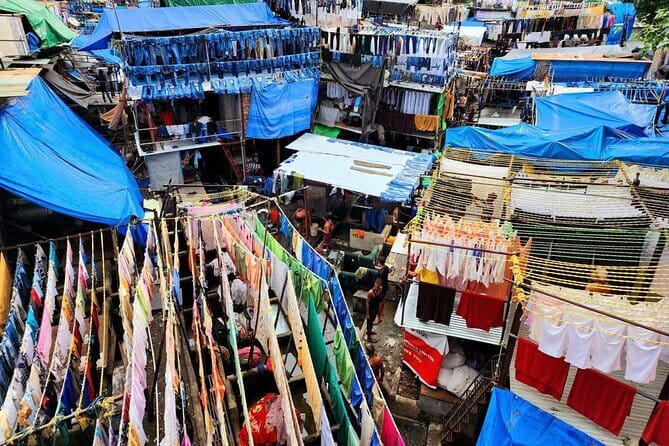
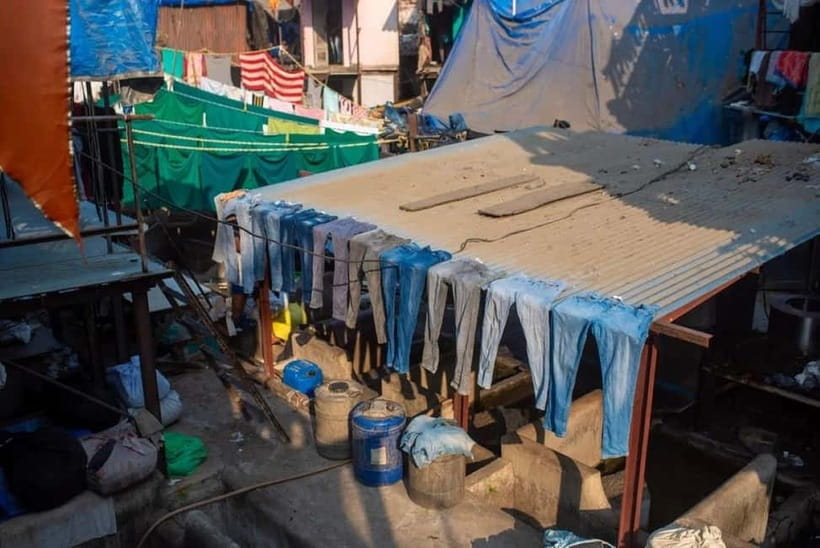
Next comes Dhobi Ghat, with about 35 minutes of guided sightseeing. This is one of those places where words don’t fully prepare you for the scale of ongoing work—hundreds of washermen doing traditional laundry in a communal, open-air setting.
You’ll see clothes washed, scrubbed, and hung to dry in an orderly way, despite the constant motion around you. The tour treats Dhobi Ghat as a living tradition that has continued for more than a century, which is the real value here. You’re not only observing the look; you’re watching the process that keeps Mumbai’s laundry moving.
One drawback to flag: you’ll likely be around strong smells and wet surfaces. Wear shoes you don’t mind getting slightly splashed with real-world Mumbai. And if you’re using a camera, keep it practical—strap it securely and protect it from water spray.





The middle-to-end connection: why Dhobi Ghat and dabbawalas feel linked

By the time you reach the dabbawala system and return to the idea of distribution and delivery, you start noticing a pattern. Dharavi shows how goods are produced or reworked. Dhobi Ghat shows how goods are cleaned and prepared. Dabbawalas show how prepared meal products get delivered reliably across the city.
That “chain” is the hidden payoff. It turns three different sights into one clear story about how Mumbai functions through daily labor and coordination.
If you like seeing how cities work underneath the skyline, this tour hits that sweet spot.
Price and logistics: is $17 worth your time?
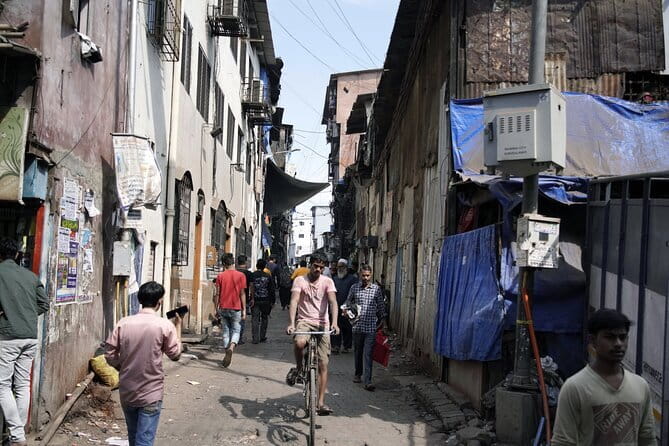
At $17 per person, this tour is priced like a value play, especially because it includes local guide fees and local transport during the tour. You’re also getting a walking format plus engagement with locals and their stories—plus small group size.
What’s not included is just as important: meals and drinks aren’t provided, and transportation from your own location to the meeting point isn’t included. So you should plan to buy water elsewhere if needed, or bring a bottle before you start.
Duration is 3.5 hours, which is long enough to get context but not so long that you’ll burn your whole day. That makes it a good choice if you’re doing other Mumbai visits in the same area. It also helps that the tour includes “skip the ticket line,” though the bigger point is time efficiency rather than a major queue experience.
Bottom line: for what you’re seeing—Dharavi + Dhobi Ghat + the dabbawala system—this is strong value if you’re ready for walking and real street-level scenes.
What to bring (and what to skip) so the day stays smooth
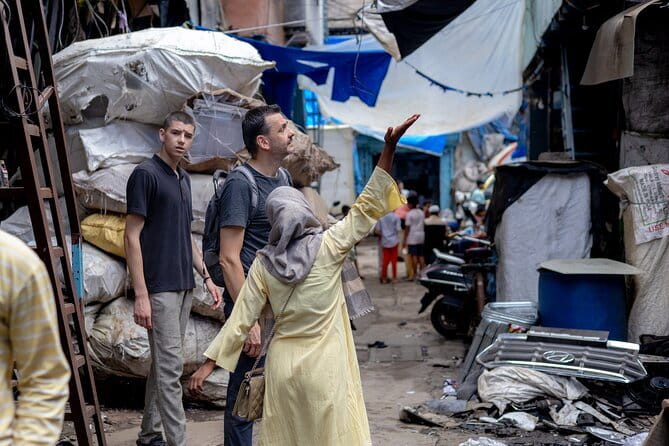
The tour is built around walking and sun. Bring comfortable shoes first. Then pack your comfort items: hat, sunscreen, water, and a camera if you want photos.
Also follow the simple rules: no smoking, no alcohol and drugs, and no littering. You’ll be walking through working areas, so keep your trash and your noise low.
If you’re the type who loves photos, plan for quick shots rather than long photo sessions at every turn. Dhobi Ghat especially is about motion and routine; you’ll get better pictures by being respectful and ready.
Who this tour suits best (and who should skip)
This works well for adults and older teens who want context and are comfortable asking questions. Reviews mention it can be done as a family trip (including a 13-year-old), as long as the child can handle walking and the tone of the experience.
It’s not suitable for children under 5. It’s also not suitable for people with mobility impairments or wheelchair users.
If you’re sensitive to heavy sights, crowded spaces, or open-air working smells, you should think carefully. This is a real working neighborhood tour, not a gentle scenic walk.
Guide quality: the difference between seeing and understanding
A consistent theme in the guide feedback is clarity plus personality. People call out guides like Ravi, Subhan, Javed, Jay/Jawwad, and Yash for being friendly, patient, and able to explain how the systems work amid real-life chaos.
That matters because the tour’s value isn’t just in the stops—it’s in the explanation. When your guide can connect Dharavi’s industries to everyday routines, and Dhobi Ghat’s laundry process to the larger city rhythm, you end the tour with a new mental map.
I also like that some guide profiles are described as living in the slums themselves or being known in the area. That often translates to less stiffness and more real answers.
Should you book this Mumbai tour?
Book it if you want a practical, human-scale Mumbai experience in 3.5 hours. This is the kind of tour that helps you understand how daily work connects—production, cleaning, and delivery—rather than just collecting photos.
Skip it if you need wheelchair access, minimal walking, or a purely comfortable, controlled environment. And if you’re hoping for catered meals or a hands-off experience, you’ll want to manage expectations: meals and drinks aren’t included, and you’ll be on your feet.
If you go, I’d do two things: wear strong shoes, and come with 3 or 4 questions you genuinely want answered. You’ll get more out of Dharavi and Dhobi Ghat if you’re there to learn how things operate, not only how they look.
FAQ
How long is the tour?
The tour duration is 3.5 hours.
What is the tour price?
The price is $17 per person.
Is a local guide included?
Yes. A local guide is included.
Are meals and drinks included?
No. Meals and drinks are not included.
Is transportation included?
Local transport during the tour is included, but transportation to the meeting point is not included.
What language is the tour guide?
The tour is in English.
Is there free cancellation?
Yes. You can cancel up to 24 hours in advance for a full refund.
What should I bring?
Bring comfortable shoes, a hat, a camera, sunscreen, and water.
Is the tour suitable for wheelchair users?
No. It is not suitable for wheelchair users or people with mobility impairments.