REVIEW · DABBAWALA TOURS
Mumbai: Dharavi Slum, DhobiGhat, and Dabbawallas Tour
Book on GetYourGuide →Operated by Amaze Tours · Bookable on GetYourGuide
A local train. A working laundry. Real city life. This Mumbai outing is built around three practical windows into everyday life: Dharavi, the open-air laundry of Dhobi Ghat, and the lunchbox delivery culture near Churchgate.
I love the fact that you get inside Dhobi Ghat instead of just looking from a distance, and that the route uses the local train so the journey feels like part of the story, not a transfer between spots. It’s also guided by people with local ties, including names you’ll see again and again such as Loki, Ganesh, Alam, Bharti, and Maze.
One drawback to plan for: you can’t take photos inside Dharavi, and the Dabbawallas segment can also be affected on days they don’t operate, so your exact moments may vary.
In This Review
- Key highlights you’ll feel fast
- First Stop: Churchgate Station and the Local Train Ride into Mumbai
- Dharavi Walking Tour: What You’ll See and How to Handle It Respectfully
- Dhobi Ghat Inside Tour: The Open-Air Laundry You Can Actually Watch
- Dabbawallas Near Churchgate: Lunchbox Delivery That Runs Like Clockwork
- Timing That Works: How 3–4.5 Hours Gets You Through All Three Stops
- Price and Value: Why This Tour Can Be a Smart $14 Spend
- What to Bring (and What to Leave Off Your Phone)
- Who This Tour Fits Best (and Who Might Want to Skip It)
- Booking Smarts: Dates, Dabbawallas Changes, and Day-of-Week Reality
- Should You Book the Mumbai: Dharavi, Dhobi Ghat, and Dabbawallas Tour?
- FAQ
- Where does the tour start?
- How long is the tour?
- What is the price?
- What languages are available?
- Is photography allowed?
- Do the Dabbawallas run on Sundays?
- What’s included in the tour price?
- What isn’t included?
- What should I bring?
Key highlights you’ll feel fast
- Local guides, real connections: Guides like Loki, Ganesh, Alam, Bharti, and Maze are repeatedly praised for local access and clear English.
- Two short local train rides: Riding between Churchgate and the Dharavi area turns commuting into a mini-adventure.
- Dhobi Ghat, open-air and working: You get to experience the laundry process in a real working space.
- Dabbawallas near Churchgate: You’ll see lunchbox delivery in action and learn how it runs so smoothly.
- A respectful Dharavi walk: The best versions of this tour keep the focus on how the neighborhood works, not on people as a spectacle.
First Stop: Churchgate Station and the Local Train Ride into Mumbai
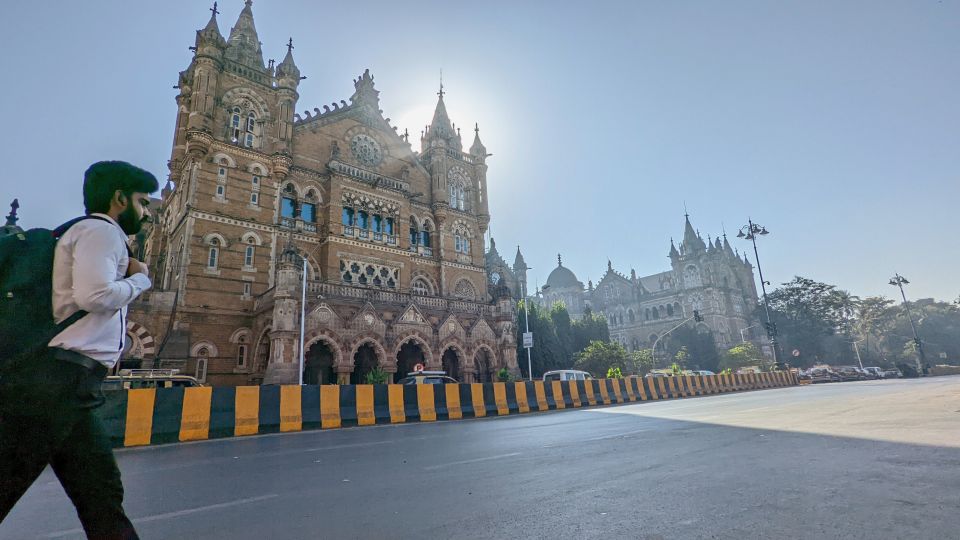
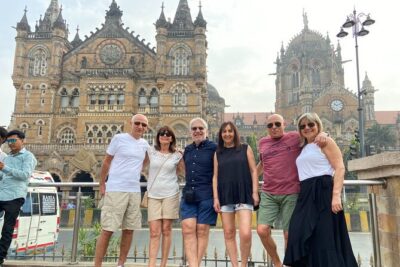
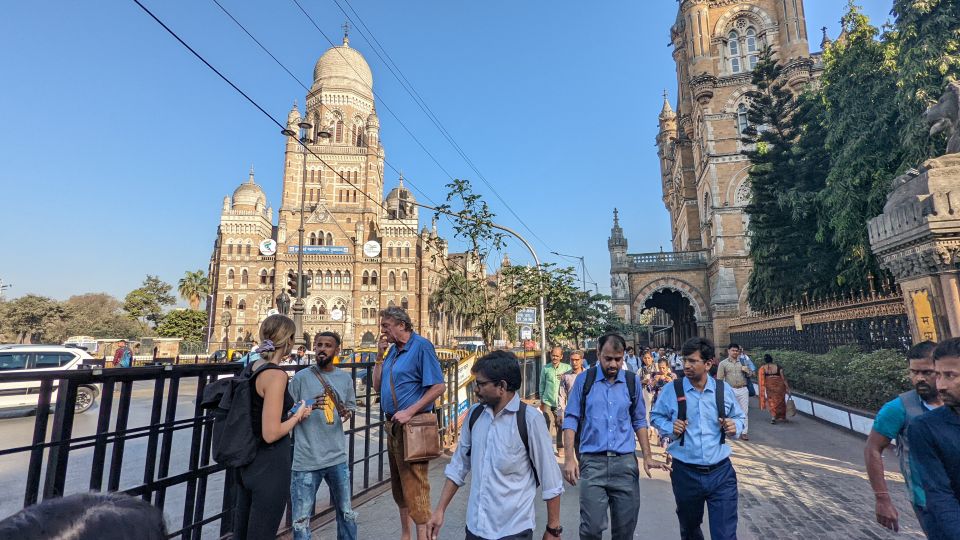
The tour starts near Churchgate Railway Station, and from there you’ll hop on a train to reach Dharavi. That first leg matters more than it sounds. Mumbai’s rail system is part of the city’s “how things move” reality, and taking the train keeps you from feeling like you’re being ferried around in a bubble.
You can also treat the train ride as a pacing tool. The overall time on this tour is short—about 3 to 4.5 hours—so using public transport helps fit in the major stops without turning the day into a long transit slog. If you’re the type who gets impatient with slow schedules, this one is built for speed.
One practical note: some groups emphasize that the guide helps you manage the train steps smoothly. You’re not left on your own to figure out platforms and timing. That’s a big deal when you’re moving through a fast city system.
You can also read our reviews of more tours and experiences in Mumbai.



Dharavi Walking Tour: What You’ll See and How to Handle It Respectfully
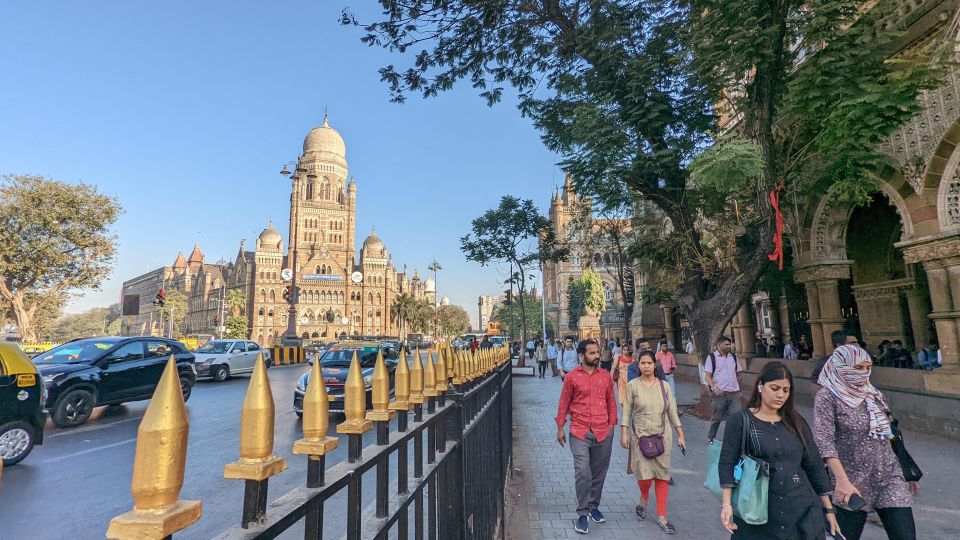
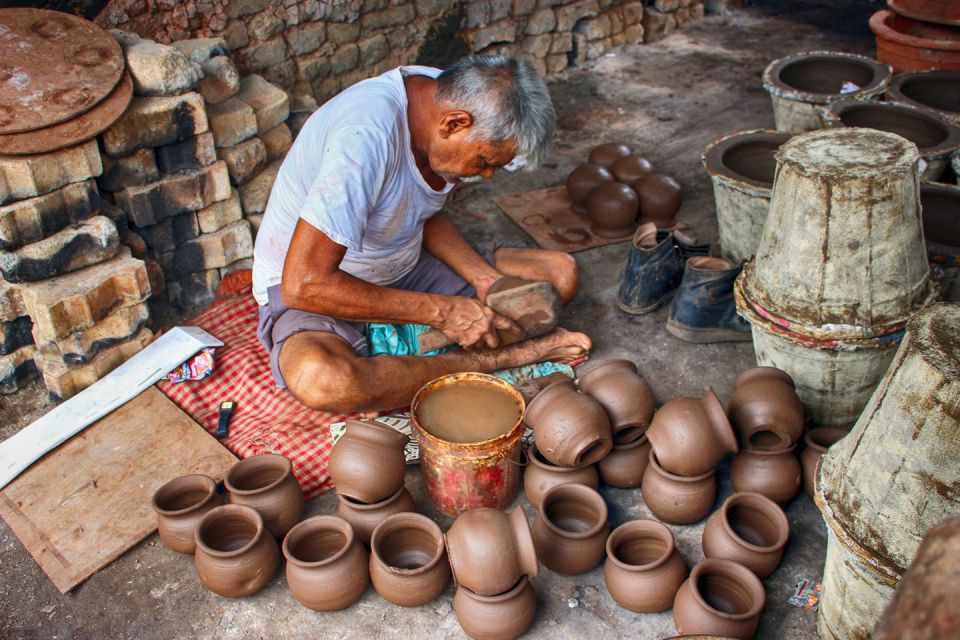
Dharavi is the centerpiece, and the route is designed as a guided walk through the neighborhood. Expect a lot of small scenes in a tight space: work spaces, community life, and multiple industries living close together. The “point” isn’t to turn Dharavi into a single story of poverty—it’s to understand how an urban area can be both challenging and full of local skills, routines, and livelihoods.
The guide is the difference-maker here. Many guides associated with this tour—Loki, Maze, Ganesh, and others—are praised for lived familiarity and for explaining the industries and daily life in a way that stays grounded. You’ll get answers, context, and a smoother flow through the narrow lanes.
Now the rule you need to know up front: no photography inside Dharavi. That changes how you experience the walk. Instead of snapping pictures, you’ll notice things more slowly—where people work, what goods are being made or handled, and how the neighborhood functions around those tasks.
What I’d do if you’re a first-time visitor: keep your phone away during the slum portion and use your attention on conversation. Ask simple questions like what gets made here, how work hours run, or what daily logistics look like. The guide’s job is to translate what you’re seeing into something you can actually understand.
Dhobi Ghat Inside Tour: The Open-Air Laundry You Can Actually Watch
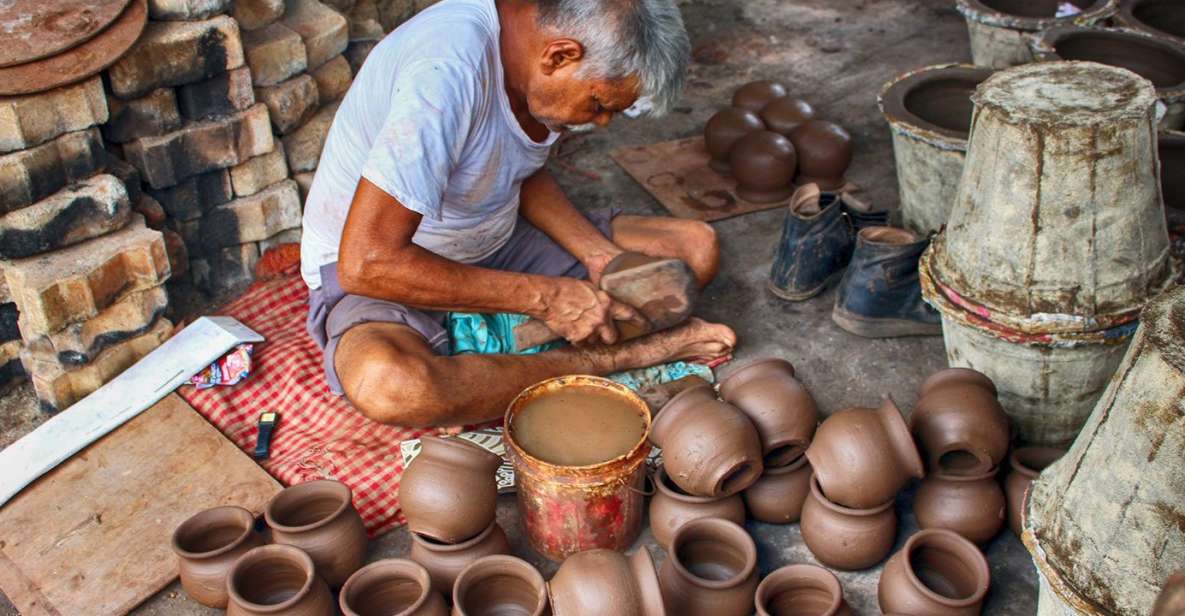
After Dharavi, you’ll go to Dhobi Ghat, an open-air laundry area where clothes move through a visible process. This is one of the most “real-life” stops on the tour because you’re not just touring a museum-style exhibit. You’re watching a working system in public.
The tour includes a guided visit inside Dhobi Ghat, with time to walk and learn. That inside access is a key value point. A lot of city tours will point at laundry from the outside; here, you’re meant to understand how the laundering process works on the ground.
What makes it special is the layout and visibility. Clothes collection, sorting, washing, and drying all happen in ways you can follow if your guide points out what’s going on. One practical benefit: it’s a break from the tight-lane feel of Dharavi. The open-air setting gives your brain a different pace.
You should also expect this portion to feel sensory: water, movement, and constant workflow. If you’re someone who likes practical craft and how systems operate, this is the moment you’ll likely remember most.
Dabbawallas Near Churchgate: Lunchbox Delivery That Runs Like Clockwork
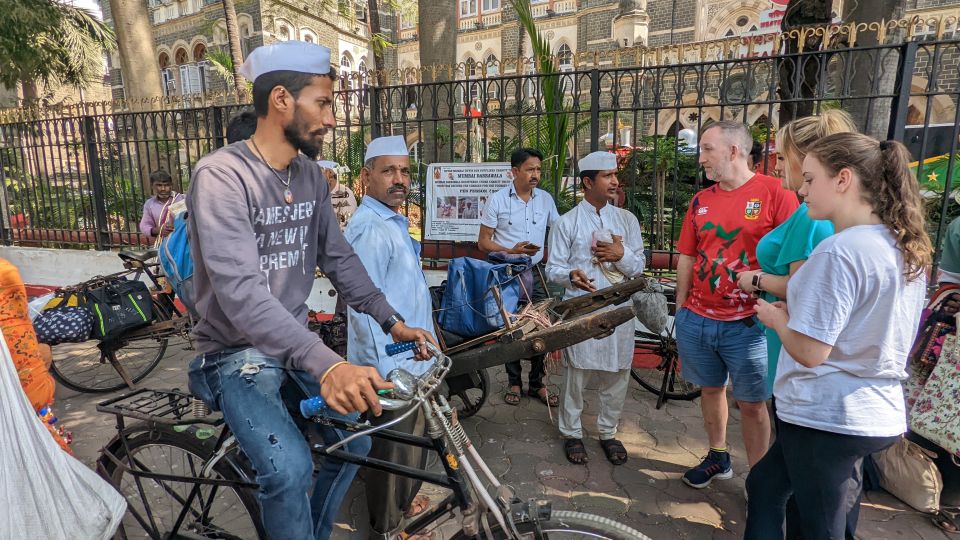
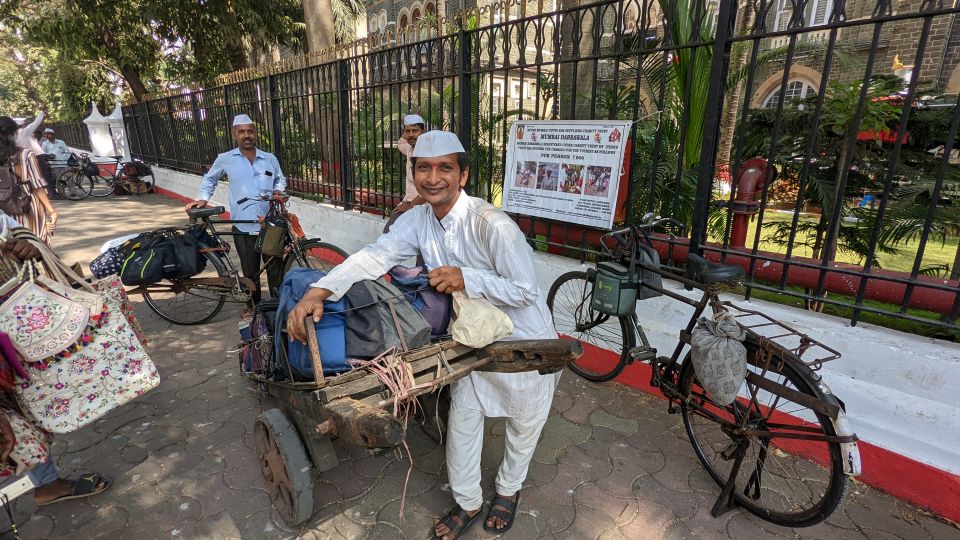
Near Churchgate Railway Station, you’ll see the Dabbawallas, Mumbai’s famous lunchbox delivery workers. This is the part that turns “street life” into “operations.” You’ll learn how the delivery process works well enough that meals reach their destinations reliably.
The tour is set up so you can see them in action and understand the workflow. That’s not just a fun cultural stop—it helps you grasp how Mumbai’s working rhythm connects neighborhoods to offices and homes.
There are a few scheduling caveats you should treat as serious planning info:
- Dabbawallas do not operate on public holidays and Sundays, so the lunchbox segment can be missing on those days.
- There’s also a specific disruption noted for 31st October to 4th November 2024 due to Diwali leave.
If you want this stop for sure, it’s worth checking your dates carefully before you book. If you show up on a day they’re not operating, you can end up with a tour that feels less complete.
Timing That Works: How 3–4.5 Hours Gets You Through All Three Stops
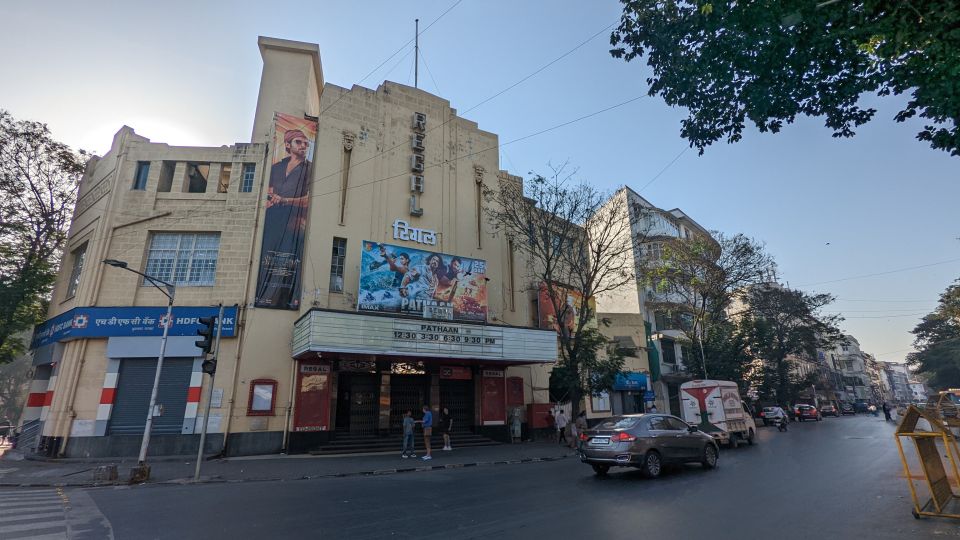
The total time is 3 to 4.5 hours, and the pacing is built around short chunks:
- A train ride to Dharavi,
- A guided walk through Dharavi,
- A guided walk/visit at Dhobi Ghat,
- A return train ride,
- Then time near Churchgate for the Dabbawallas segment.
In plain terms: you’re not trying to “cover Mumbai.” You’re doing a focused slice. That’s a good fit for a first trip to the city, especially if your schedule already includes iconic sights like the Gateway area.
Also, the tour includes transportation as part of the package. That matters because you’re dealing with heat, crowds, and transit navigation. Even if you’re comfortable on your own, having a planned route reduces stress and keeps the time usable.
One thing I appreciate in this kind of format: it lowers decision fatigue. You don’t have to guess what order makes sense or how long to spend. You follow the guide, and the day stays tight.





Price and Value: Why This Tour Can Be a Smart $14 Spend
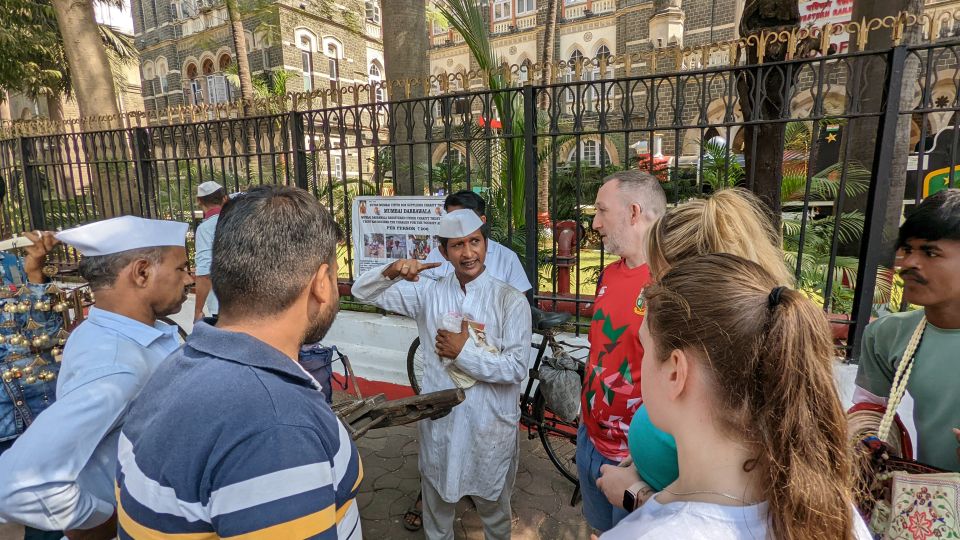
At about $14 per person, this tour is priced to be accessible, and it’s not just cheap—it’s structured around included value:
- A live English guide
- Transportation
- Dharavi guided walking time
- Dhobi Ghat inside tour
- Seeing the Dabbawallas in action
The Dhobi Ghat inside access and the Dabbawallas stop are the two “costly-feeling” parts of the day. Add in the included rail transport, and the price starts to make more sense than it looks at first glance.
One more value angle: guides matter on tours like this. Many of the guides linked to this experience—Loki, Ganesh, Alam, Bharti, Maze, Dawood, and others—are repeatedly praised for safety, respectful framing, and clear explanations. That’s not guaranteed with every guide in every city, so the strong guide culture here is part of what you’re paying for.
So if you’re trying to decide between doing one “big sight” day and one “how Mumbai works” day, this is the kind of booking that can give you more understanding per hour.
What to Bring (and What to Leave Off Your Phone)
The tour asks you to bring a sun hat. That’s not just a nice suggestion. In Mumbai’s sun, you’ll be outside during key walking parts, and a hat is an easy win.
Also plan around the photo rules:
- Photography is not allowed inside Dharavi.
- Photography is allowed elsewhere.
If you love taking pictures, set expectations now. Treat the Dharavi walk as a conversation and observation time. After that, you’ll have more freedom outside the restricted zone.
And one small comfort tip: bring water. The tour is short, but you’ll still be moving through outdoor areas and waiting periods around transit.
Who This Tour Fits Best (and Who Might Want to Skip It)
This tour is a strong match if you:
- Want to see Mumbai beyond the obvious tourist circuit,
- Like guided context while you walk,
- Prefer public transport over private car-only days,
- Are curious about working systems—laundry operations and lunchbox delivery.
It’s not suitable for children under 4, and it’s also not suitable for pregnant women. The reason is straightforward: the route involves walking and crowded public spaces, even if the guide manages things carefully.
If you have mobility limits or strong discomfort with dense walking, think twice and choose a gentler option.
Booking Smarts: Dates, Dabbawallas Changes, and Day-of-Week Reality
Two date-based issues can change what you see:
- No Dabbawallas on public holidays and Sundays
- Diwali leave impacts 31st October to 4th November 2024
That doesn’t mean the whole tour disappears. It means the lunchbox delivery segment may be missing, which changes the payoff you’re likely aiming for if you booked specifically for that portion.
So if the Dabbawallas segment is a must for your trip, pick a weekday and avoid known holidays when possible. If your heart is set on Dhobi Ghat and Dharavi context, you can still have a great experience even if the Dabbawallas portion is altered.
Should You Book the Mumbai: Dharavi, Dhobi Ghat, and Dabbawallas Tour?
If you want a practical, guided look at Mumbai’s working life—Dharavi industries, Dhobi Ghat laundry, and Dabbawallas delivery—this tour is a strong choice. The price-to-content ratio is excellent, and the structure is efficient enough to fit into a short visit.
I’d book it if you:
- Like walking with a local guide who can explain what you’re seeing,
- Care about understanding systems, not just sightseeing,
- Are okay with no photography inside Dharavi.
I would hold off or pick dates carefully if you:
- Are traveling on a Sunday or public holiday (Dabbawallas may not operate),
- Are sensitive to walking in crowded areas,
- Need phone-based photo time inside restricted zones.
FAQ
Where does the tour start?
The meeting point may vary depending on the option booked. The plan commonly starts at Churchgate train station.
How long is the tour?
The duration is 3 to 4.5 hours.
What is the price?
The price is $14 per person.
What languages are available?
The live tour guide is English.
Is photography allowed?
Photography is not allowed inside Dharavi slum. Photography is allowed everywhere else.
Do the Dabbawallas run on Sundays?
No. Dabbawallas do not operate on public holidays and Sundays, so they may not be part of the itinerary on those days.
What’s included in the tour price?
The tour includes a guide, transportation, Dharavi tour, DhobiGhat inside tour, and seeing Dabbawallas in action.
What isn’t included?
The tour does not include hotel pickup and drop-off.
What should I bring?
Bring a sun hat.