REVIEW · DHARAVI SLUM TOURS
Dharavi Slum Tour
Book on Viator →Operated by Dream City Tours and Travels · Bookable on Viator
Dharavi tours can change your mental picture fast. This 2-hour walk through Mumbai’s narrow alleys is built to correct one big misconception: it’s not about gawking at misery. You’ll see everyday work and community life, from plastic recycling to leather work, pottery, and soap production, along with schools and churches. I really like the small-group size (up to 5 travelers) and the English-speaking local guide. In particular, Mohamed and Shailinder show up in past tours as the kind of people who help you get oriented quickly. The one caution: you should have moderate physical fitness, and the tour needs good weather to run comfortably.
At around $20 per person, this is also a rare deal in Mumbai. You get a guided experience aimed at helping you understand the place in a human way, not a checklist. There’s also a mobile ticket, and the tour ends back at the meeting point, so you’re not left stranded wondering what to do next.
In This Review
- Key things I’d focus on before you go
- Why Dharavi’s lanes feel different than the photos
- 2 hours in Mumbai: what the walk realistically involves
- The trades you’ll see: recycling to soap production
- Schools and churches: community life beyond the workshop
- Mohamed and Shailinder: why the guide matters here
- Meeting point at Café Coffee Day (Mahim): the fast way to avoid stress
- Price and value: why $20 can work well here
- When this tour is a good fit (and when it isn’t)
- Weather, confirmations, and what to plan for
- The bottom line: should you book this Dharavi slum tour?
- FAQ
- How long is the Dharavi Slum Tour?
- How much does the tour cost?
- What’s included in the tour price?
- Is private transportation included?
- Where is the meeting point?
- What is the maximum group size?
- What fitness level do I need?
- What happens if weather is bad or I need to cancel?
Key things I’d focus on before you go
- A tour with a mission: it aims to dispel the idea that Dharavi is only misery.
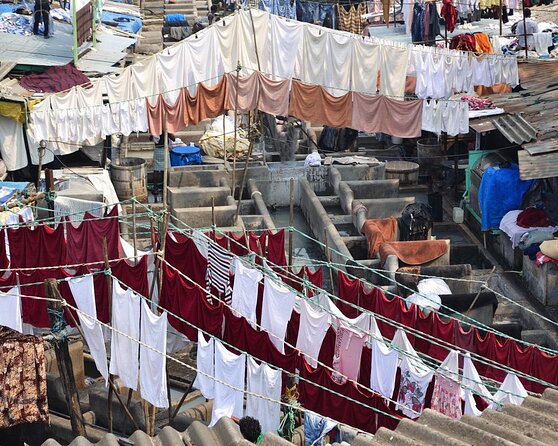
- Hands-on industry stops: you’ll encounter work areas like recycling, leather work, pottery, and soap production.
- Community landmarks included: you’ll see schools and churches as part of daily life.
- Small group pace: maximum of 5 travelers, which usually means fewer bottlenecks in tight alleys.
- Plan for weather and walking: the route calls for moderate physical fitness and good conditions.
Why Dharavi’s lanes feel different than the photos
Dharavi has been reduced in the world’s imagination to one movie-era image. This tour is built to fight that shortcut. Instead of treating the area like a problem to stare at, the focus is on what people do here, day after day, and how community life keeps moving.
I like that the tour frames the experience around achievement under tough circumstances. It’s not pretending hardship disappears. It’s just refusing to make suffering the main storyline. When you’re walking through compact lanes and seeing trades you’ve likely only read about in general terms, the place starts to feel like a working neighborhood with its own logic.
Expect the emotional tone to be “real and respectful,” not “shock and awe.” The guides keep the narrative grounded in ordinary life: work, learning, and neighbors doing what they can.
You can also read our reviews of more tours and experiences in Mumbai.



2 hours in Mumbai: what the walk realistically involves
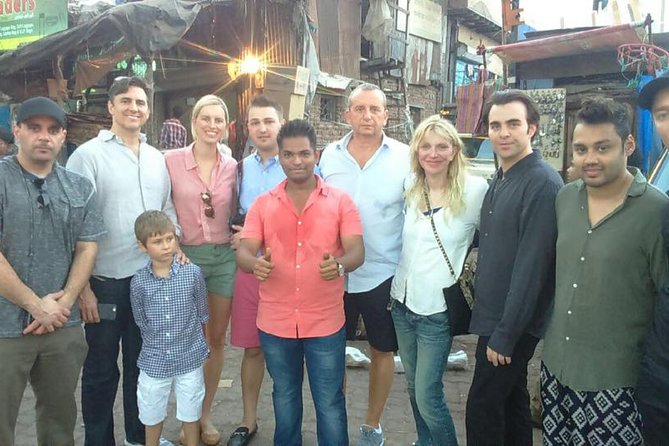
This isn’t an all-day production. The tour runs about 2 hours, which is a good length for a walking experience in a dense city area.
Here’s what that usually means for you:
- You’ll move at a pace that fits narrow alleys and active areas.
- You’ll likely have short blocks of time where the guide explains a craft or activity, then you’re back on your feet.
- Because the group is capped at 5 travelers, you’re less likely to get separated into a long line with people struggling to keep up.
The tour ends back at the meeting point. That sounds small, but it matters in a place where navigation can get tricky fast. You’re not guessing which transit stop to use after.
The other practical factor is physical comfort. “Moderate physical fitness” is the kind of requirement that usually means you should be fine with uneven ground, frequent turns, and standing/walking for most of the 2-hour window. If you’ve got knee issues or limited stamina, I’d think twice.
The trades you’ll see: recycling to soap production
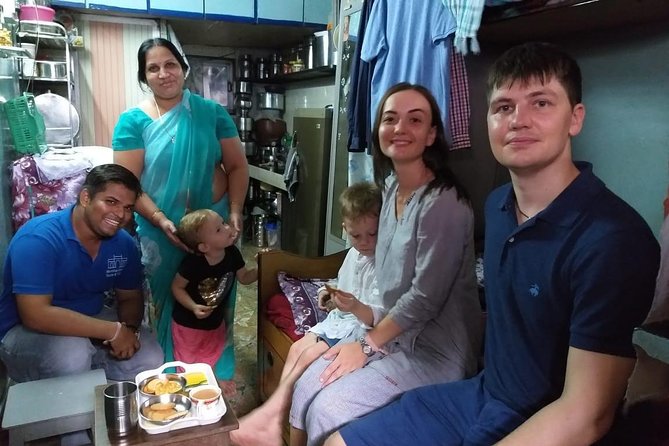
The heart of this tour is the work. Dharavi is known for small-scale industry happening right alongside everyday life, and the experience highlights several areas of production.
You should expect to see glimpses of:
- Plastic recycling
- Leather work
- Pottery
- Soap production
Even if you don’t know the specifics of each craft, you’ll get the sense that these are skills with purpose and momentum. What helps is that the tour isn’t just naming activities. It’s giving context for how different jobs fit into a mini-economy inside a very tight space.
I also appreciate the implication of these stops. When you see work like recycling and soap making, it forces a shift from thinking about the area as “only poor” to thinking about it as “busy, skilled, and connected to larger supply chains.” That’s the point: the tour tries to replace stereotypes with basic understanding.
Possible drawback to keep in mind: seeing active work areas in narrow spaces can be a bit intense. If you’re uncomfortable around strong smells, noise, or the reality of production, go in with eyes open and keep your expectations realistic.
Schools and churches: community life beyond the workshop
One of the most useful parts of the tour is that it doesn’t treat Dharavi as only labor lanes. You also pass schools and churches, which adds balance to what you’re learning.
Why that matters for you:
- It shows the place isn’t only about work output. People build routines for education, support, and worship too.
- It makes the neighborhood feel more complete. You’re not left with a single-track view of survival.
This is where the tour’s goal shows most clearly. If you walk away thinking about kids learning, community spaces meeting needs, and institutions that shape daily life, you’ve already gained something deeper than a surface tour.
Mohamed and Shailinder: why the guide matters here
The guide isn’t a minor detail on this kind of walk. In tight alleys, with complex social and economic realities, you want someone who can explain what you’re seeing in plain language.
In the strongest experiences, Mohamed and Shailinder are credited with helping visitors arrive at the meeting point and making the tour feel structured. That matters because orientation can make or break how comfortable you feel at the start.
What I’d look for in your guide experience:
- Clear English explanations
- A respectful tone that keeps the focus on what people do and how community life works
- A knack for keeping the group moving without chaos
Since the tour includes an English-speaking local guide, you can expect this to be handled, not left to luck. The maximum group size (up to 5 travelers) also makes it easier for the guide to manage the walk without someone getting lost.




Meeting point at Café Coffee Day (Mahim): the fast way to avoid stress
You’ll start at Café Coffee Day, Unit No. 58, Ground Floor, Ram Mahal Building, Senapati Bapat Marg, T.P. Road, Mahim, Mumbai, Maharashtra 400016. The tour ends back at that same spot.
For practical success, I’d do two things:
- Plan to arrive a little early so you’re not scanning storefronts at the last second.
- Use the meeting point as your anchor, not your final plan. Because you end there, you can decide what to do next with confidence.
It’s also described as near public transportation, which helps if you’re timing your Mumbai day around other sights. Even so, give yourself extra buffer time. Mumbai traffic can be unpredictable.
Price and value: why $20 can work well here
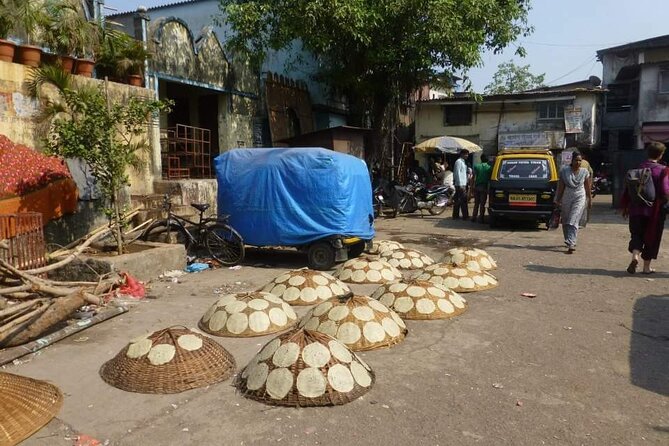
At $20.00 per person for about 2 hours, this tour is positioned as low-cost for a guided experience in one of Mumbai’s most talked-about areas.
But the value isn’t just the price tag. It’s what you get for that money:
- an English-speaking local guide included
- a structured walking experience aimed at correcting misconceptions
- small-group pacing (maximum of 5 travelers)
You’ll also want to notice the booking pattern: it’s typically booked about 6 days in advance on average. That’s a hint to lock in your time slot sooner rather than later, especially if you’re traveling during peak periods.
If you’re comparing costs in Mumbai, this is the kind of tour where the guide quality and group size can outweigh a slightly higher price elsewhere. A rushed or overly large group would be a worse experience in narrow lanes. Here, the cap helps.
When this tour is a good fit (and when it isn’t)
This is a strong match if you:
- Want a guided walk that aims to correct common misconceptions
- Prefer small-group experiences
- Like learning through real-world work examples such as recycling, leather work, pottery, and soap production
- Can comfortably handle moderate walking for around 2 hours
It may be a poor fit if you:
- Struggle with walking on uneven ground or cramped routes
- Are sensitive to the discomfort that can come with seeing real production environments close up
- Don’t have good weather luck. The tour requires good weather, and that matters.
Think of it as an educational street walk with human context. It’s not a cinematic drive-by. If you go expecting a theme-park version of Dharavi, you’ll miss what the tour is trying to do.
Weather, confirmations, and what to plan for
You’ll receive confirmation at the time of booking. And since the tour requires good weather, it’s worth watching the forecast. If conditions are poor and the tour can’t run, you’ll be offered a different date or a full refund.
Also remember the group cap. Up to 5 travelers means the tour isn’t designed to swallow a crowd. If you like quieter, slower, more personal pacing, that’s a plus.
The bottom line: should you book this Dharavi slum tour?
I think this tour is worth booking if your goal is understanding, not spectacle. The strongest promise here is the intention to dispel misconceptions and point you toward real work and real community life. Seeing trades like plastic recycling, leather work, pottery, and soap production, along with schools and churches, gives you a fuller picture in just about 2 hours.
I’d only hesitate if you know you’ll be uncomfortable with dense walking or if weather is a gamble for your dates. If you can handle that, this is a practical, small-group way to learn with an English-speaking local guide for a very reasonable price.
FAQ
How long is the Dharavi Slum Tour?
It runs for about 2 hours (approx.).
How much does the tour cost?
The price is $20.00 per person.
What’s included in the tour price?
An English speaking local guide is included.
Is private transportation included?
No, private transportation is not included.
Where is the meeting point?
You meet at Café Coffee Day, Unit No. 58, Ground Floor, Ram Mahal Building, Senapati Bapat Marg, T.P. Road, Mahim, Mumbai, Maharashtra 400016, India.
What is the maximum group size?
The tour/activity has a maximum of 5 travelers.
What fitness level do I need?
Travelers should have a moderate physical fitness level.
What happens if weather is bad or I need to cancel?
The tour requires good weather. If it’s canceled due to poor weather, you’ll be offered a different date or a full refund. You can also get a full refund if you cancel up to 24 hours in advance of the experience’s start time.