REVIEW · MUMBAI
Mumbai: Discover India’s Largest Slum -A Local’s Perspective
Book on GetYourGuide →Operated by The Urban Curious · Bookable on GetYourGuide
Street-level Mumbai rewrites your assumptions fast. This 2-hour Dharavi resident–led tour centers on how people actually work and live, with workshop stops plus rooftop views and real filming locations from Slumdog Millionaire. One thing to consider: you’re moving through active neighborhoods and workshops, so comfortable shoes are non-negotiable.
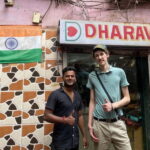
What makes this experience feel worth your time (and your money) is the guide’s inside perspective. You start outside Third Wave Coffee in Mahim, then walk into the everyday rhythms of Dharavi—markets, making things from recycled materials, and craft units you can see at close range. It’s a small, private group format, and the tour runs in English, Hindi, and Marathi.
The price is listed at about $10 per person, which is rare value for a guided format that includes multiple working areas, a community stop, a snack from a local bakery, and access to movie filming spots. If you’re only looking for tidy monuments and postcard angles, this may not match your style. If you like real stories, you’ll likely love how the tour frames Dharavi as creativity under pressure, not just a label.
In This Review
- Key things I’d highlight before you go
- Third Wave Coffee in Mahim: a simple start, then you’re “in it”
- Markets, lanes, and the everyday “how things really work”
- Recycling district: turning waste into real value
- Pottery workshops: watch hands work, and you may get a chance to try
- Leather workshops and embroidery units: the detail work you can actually see
- A bakery stop: a small taste that grounds the day
- Community projects: schools and health centers in view
- Rooftop view: the scale clicks into place
- Slumdog Millionaire filming locations: where movie fame meets daily routine
- Price and value: why ~$10 can work here
- Who this tour suits best
- Small-group comfort: languages, pace, and questions
- Book or skip: my straight answer
- FAQ
- Is the tour 2 hours long?
- Where does the tour start?
- How do I get to the meeting point from my hotel?
- What activities and stops are included?
- Is there entry to the movie filming locations?
- What languages are the guides available in?
- Do I need to pay for transportation to the tour?
- What should I bring?
- Can I cancel for a refund?
- Is the tour private or group-based?
Key things I’d highlight before you go
- A local guide from Dharavi: the story comes from someone who lives it, not a script.
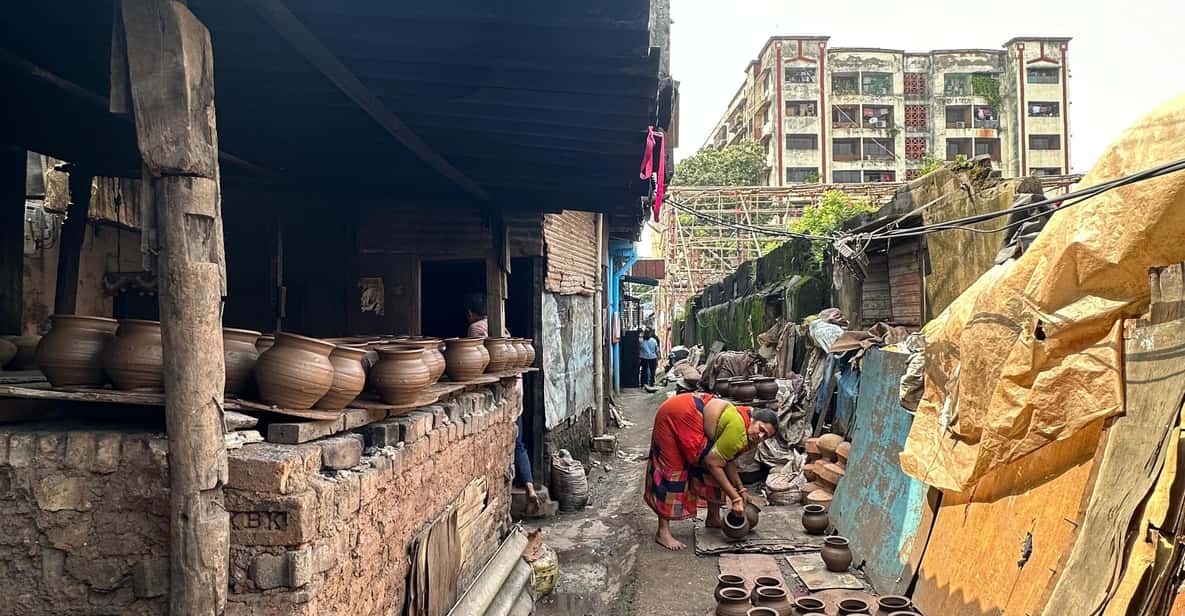
- Working craft stops: pottery, leather, and embroidery units where you can watch the process (and sometimes try pottery).
- Recycling district focus: see how waste turns into usable products.
- Slumdog Millionaire filming locations: movie history meets daily life in the same streets.
- Rooftop viewpoint at the end: you get a cleaner sense of scale after walking the lanes.
Third Wave Coffee in Mahim: a simple start, then you’re “in it”
Meeting outside Third Wave Coffee in Mahim is smart. It’s a clear, normal landmark in a big city. You don’t have to hunt down a hidden gate or guess where the group begins. From your place, you can use Uber or a tuk-tuk to reach Third Wave Coffee, then meet your guide there.
From that point, the tour is intentionally short and walk-based. Two hours goes fast once you’re among working businesses and neighborhood streets. You’ll want to arrive with the mindset of a walk plus stops—less museum pacing, more street conversation.
Also, you should know the tour runs with a live guide in English, Hindi, and Marathi, so language won’t be your obstacle. And since it’s a private group, you’re not stuck taking whatever pace a crowd forces on you.
You can also read our reviews of more tours and experiences in Mumbai.

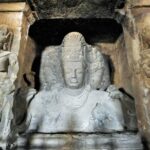
Markets, lanes, and the everyday “how things really work”
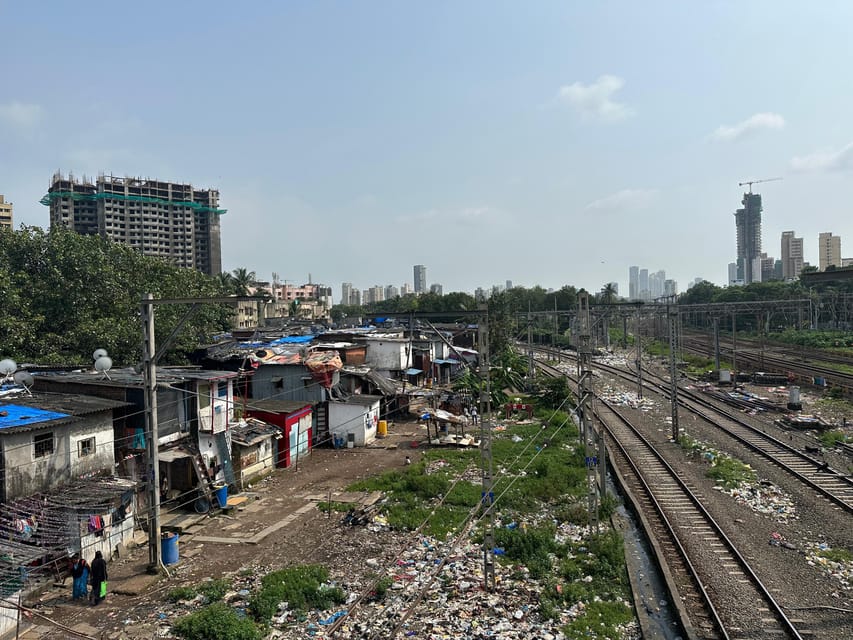
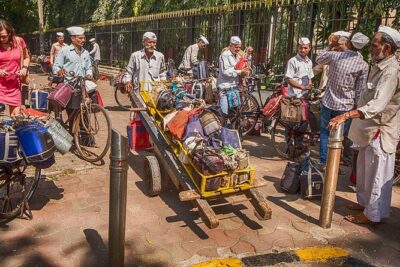
The first real flavor of Dharavi comes through its local markets. This is not a staged bazaar. You’re seeing the flow of daily needs: fresh produce, handcrafted goods, and the constant movement of people doing practical things.
Why I like this part so much for visitors is that it teaches you how to read the neighborhood. Markets are a shortcut to understanding a place because they reveal what people buy, what people sell, and what keeps daily life moving. When you stand there with a guide, you start connecting dots quickly—where materials come from, where products go, and why certain jobs exist.
A potential drawback is the same reason this section is valuable: it’s active. You’ll be in close quarters at times. Don’t plan to stop for big photos every ten minutes, because the tour’s focus is interaction and observation, not a sprint for Instagram frames.
Recycling district: turning waste into real value
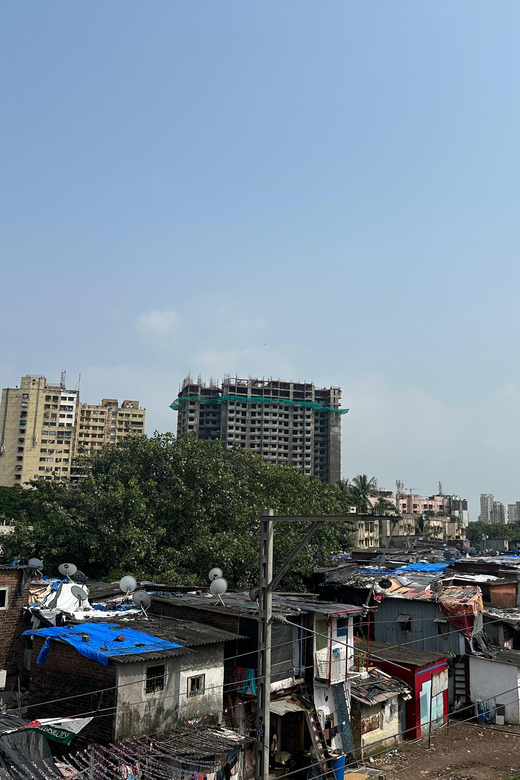
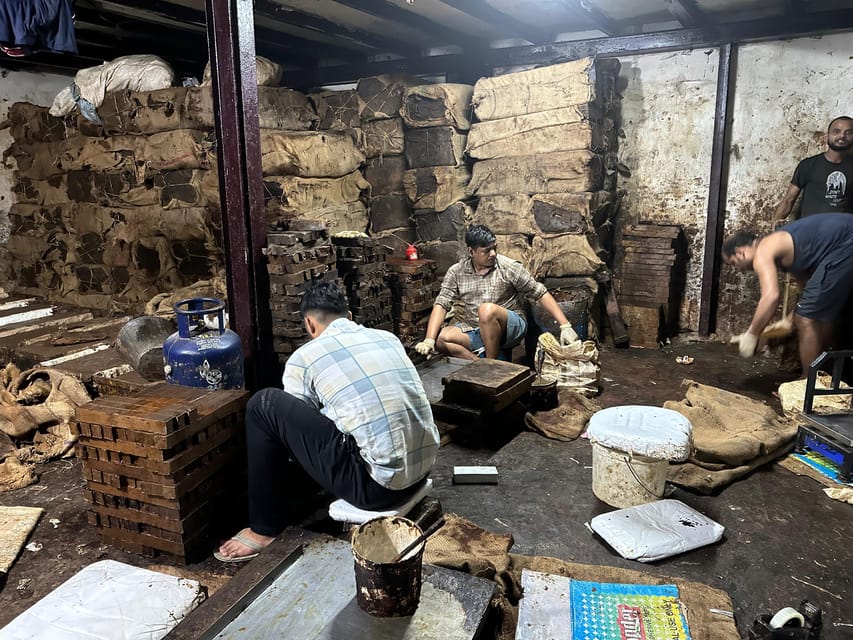
One of the tour’s strongest sections is the recycling district. You’ll see how waste is transformed into products. It’s not just watching people “sort trash.” It’s a system: materials moving through hands, processes breaking down items into usable inputs, and outcomes that feed the rest of the local economy.
This is where the tour’s message becomes concrete. Instead of hearing statements like resilience or creativity, you watch them happen in front of you. You’ll likely come away thinking differently about the word “waste”—because you can see that it’s often just raw material waiting for a skilled set of steps.
If you’re sensitive about certain visuals or prefer clean, controlled environments, this part may challenge your comfort level. My advice is simple: come prepared for reality. The guide’s context helps a lot, but your own comfort matters too.
Pottery workshops: watch hands work, and you may get a chance to try
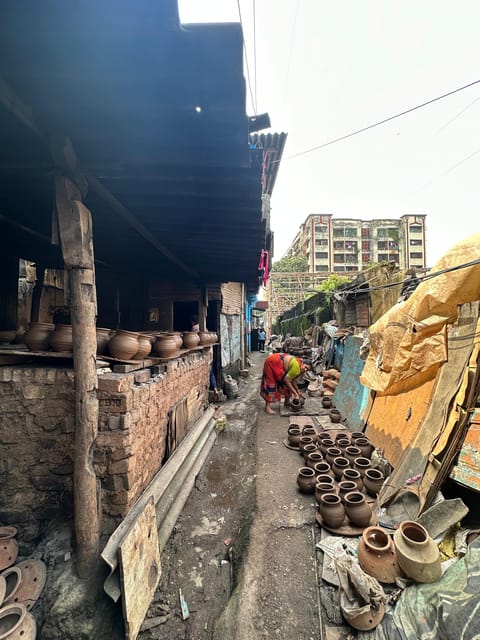
Next up is pottery. You’ll visit pottery workshops, watch artisans at work, and even try your hand at creating pottery if the moment allows. For visitors, pottery is a great stop because it’s visual and repeatable—you can see what changes as you try.
What makes this more than a demo is that pottery here connects to craft culture and materials. Even if you don’t become a ceramic artist in 30 minutes, you’ll understand the rhythm: shaping, smoothing, and preparing something that will hold up later as a finished product.
The main “consideration” is time and focus. Trying pottery can make you feel rushed if you expect a slow, relaxed class. Plan to stay present and follow the guide’s pacing. Comfortable shoes still help, since workshop floors and walkways aren’t designed for long standing breaks.
Leather workshops and embroidery units: the detail work you can actually see
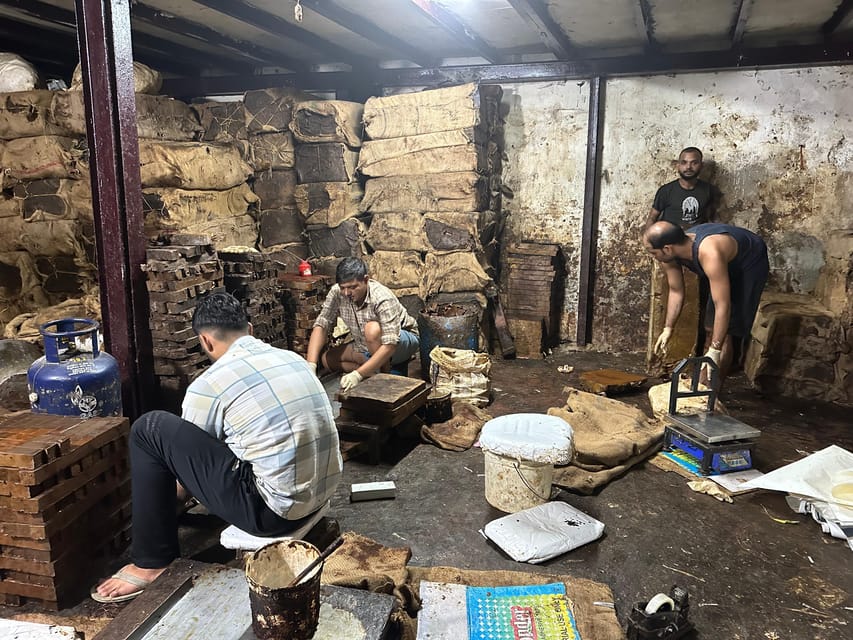
After pottery, the tour shifts to two craft areas that reward close attention: leather workshops and embroidery units.
In the leather workshops, you can see how high-quality leather goods get made and learn about the craftsmanship behind them. Leather work often depends on patience and repeated skill, and seeing it in operation helps you understand why finished products cost what they cost.
Then you’ll move to embroidery units, where intricate designs get brought to life on fabric. This is one of those moments where you might find yourself leaning in without meaning to. The value here isn’t only the beauty. It’s the precision—thread-by-thread work that turns plain material into something designed, measured, and built for careful use.
Practical tip: keep your questions respectful and short. Craft workers are focused. Ask about what you see: tools, steps, materials, and how a finished item ends up with customers.



A bakery stop: a small taste that grounds the day
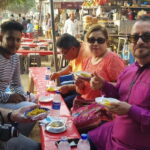
You’ll also sample freshly baked goods from a local bakery. It’s a short break, but it matters. Food becomes the “reset button” between workshop intensity and the next neighborhood section.
I like this stop because it’s not just a snack. It’s a reminder that Dharavi isn’t defined only by work industries. There are also routines of eating, sharing, and buying small daily comforts.
Since meals beyond the sampling aren’t included, you should plan on eating later if you’re hungry. But for a two-hour tour, this bite is a good payoff.
Community projects: schools and health centers in view
One of the tour’s more humane sections is the visit to community projects. You’ll see schools, health centers, and other initiatives aimed at improving quality of life in Dharavi.
This matters because it balances the narrative. If you only look at the economic engines—markets, recycling, craft—Dharavi can start feeling like a factory. The community stops bring you back to people and support systems. You leave with a fuller picture of what “everyday life” includes: education, healthcare, and community effort.
A helpful mindset here is to watch how projects connect to daily survival. You’ll probably understand faster why improvements matter so much when you’ve already seen how much people do with limited space and resources.
Rooftop view: the scale clicks into place
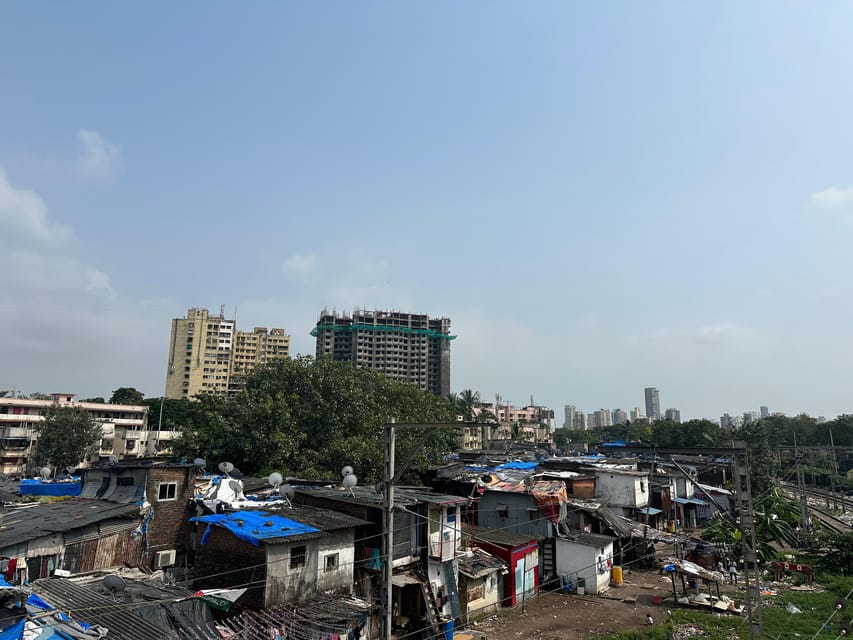
As the tour wraps, you’ll get a rooftop view of Dharavi from above. This is a classic travel move: after walking the lanes at street level, the rooftop perspective helps you understand scale and layout.
You’ll likely notice how the neighborhood’s density works visually. From up high, relationships between streets and clusters start to make sense in a way that street-level walking can’t fully show.
Don’t skip this stop. It’s one of those “trust the plan” moments. The view is the payoff for the walking.
Slumdog Millionaire filming locations: where movie fame meets daily routine
The tour also includes entry to real-life filming locations tied to Slumdog Millionaire. The movie brought international attention to Dharavi, and it was inspired by the English TV show Who Wants to Be a Millionaire.
This section works best if you treat it as context rather than as a theme-park attraction. Yes, it’s connected to a major film. But the guide’s explanations help you see the contrast: movie frames built from real streets, and real life continuing around those same spaces.
One practical perk: you’ll skip the ticket line for the included filming location entry. That keeps the two-hour window from shrinking under admin steps.
If you’re a movie fan, you may recognize the cultural footprint of the story right away. If you aren’t, you’ll still get value because the stop is a bridge between international attention and local reality.
Price and value: why ~$10 can work here
At about $10 per person for a 2-hour tour, the value is mostly in what’s included. You’re not paying only for walking and commentary. The tour pricing covers:
- guided exploration through multiple working areas (markets, recycling, pottery, leather, embroidery)
- entry to real filming locations
- personal interactions with locals and artisans
- a sampling from a local bakery
- a rooftop viewpoint
- small-group, private-group style attention
The tour doesn’t include transportation to and from the meeting point, and it doesn’t include meals beyond the bakery sampling. That part is normal. In Mumbai, getting to the meeting spot yourself can be a choice between Uber, tuk-tuk, or your own route planning.
If you’re budgeting for experiences, this is one of the more efficient formats: it gives you many “types” of Dharavi life in one compact visit. You’ll trade longer sightseeing for deeper concentration.
Who this tour suits best
This tour fits you if you want:
- story-first travel instead of checklist tourism
- a guide with real local perspective from Dharavi
- craft and work you can observe up close (pottery, leather, embroidery)
- a blend of daily life, community projects, and a rooftop viewpoint
- the chance to connect Dharavi with international pop culture through the Slumdog Millionaire filming locations
It may be less ideal if you’re looking for a calm, slow pace with minimal walking stops. You’ll be on your feet for most of the two hours. Keep your expectations grounded: this is a neighborhood, not a staged attraction.
Small-group comfort: languages, pace, and questions
This is a private group experience designed for a personalized feel. That matters because Dharavi is not one of those places where “wandering freely” gives you the full story. Questions are part of the point.
The guide speaks English, Hindi, and Marathi, which helps a lot if you need clarification. And in a small group, you’re more likely to get answers that fit your curiosity rather than generic explanations that land for everyone.
One more practical note: bring comfortable shoes. That’s the simplest advice in the whole program because the rest depends on how steady your feet feel.
Book or skip: my straight answer
Book this tour if you want a short, high-impact experience led by someone from Dharavi, with hands-on craft observation and a rooftop perspective. The combination of markets, recycling, pottery/leather/embroidery stops, community projects, bakery sampling, and the Slumdog Millionaire filming location is a lot to pack into two hours—and that’s exactly why the value works.
Skip it if you want a traditional “tourist photo loop,” low-interaction sightseeing, or minimal walking. Also, if you know you struggle with intense working environments visually, plan to go with calm expectations and good comfort basics.
If you’re okay with real-life detail and respectful observation, this is the kind of Mumbai experience that sticks.
FAQ
Is the tour 2 hours long?
Yes. The duration is listed as 2 hours, including walking time and stops.
Where does the tour start?
Meet your guide outside of Third Wave Coffee in Mahim.
How do I get to the meeting point from my hotel?
You can use Uber or a tuk-tuk to reach Third Wave Coffee, Senapati Bapat Marg, Mahim.
What activities and stops are included?
Included stops cover local markets, the recycling district, pottery workshops, leather workshops, embroidery units, a local bakery sampling, community projects (such as schools and health centers), a rooftop view, and Slumdog Millionaire filming locations.
Is there entry to the movie filming locations?
Yes, entry to the real-life filming locations of Slumdog Millionaire is included.
What languages are the guides available in?
The live tour guide is available in English, Hindi, and Marathi.
Do I need to pay for transportation to the tour?
Transportation to and from the starting point is not included.
What should I bring?
Wear comfortable shoes, since it’s a walking tour with stops in working areas.
Can I cancel for a refund?
Yes. Free cancellation is offered up to 24 hours in advance for a full refund.
Is the tour private or group-based?
It’s listed as a private group setting, designed for a small group experience.