REVIEW · ELEPHANTA CAVES TOURS
Mumbai Elephanta Caves Group Tour Half-Day All Including Guide
Book on Viator →Operated by Mumbai Dream Tours · Bookable on Viator
One of Mumbai’s best half-days is also its biggest rock puzzle. This tour takes you by ferry from the Gateway of India to Elephanta Island, where you’ll see UNESCO-listed caves and carved religious scenes that are believed to date from the 500s. With a guide, the stone stops being just impressive and starts making sense.
I especially like the focus on the main Shiva Cave and its huge sculptures of Shiva and Hindu mythologies, including Nataraja and Yogishvara. I also like that the smaller Hindu and Buddhist caves get their due, with the guide explaining what the carvings mean and why the caves were carved in the first place. One thing to keep in mind: the description is a bit mixed about ticket coverage for the ferry/entrance, so you’ll want to confirm what your voucher actually includes before you head out.
In This Review
- Key points before you go
- Why the Elephanta Caves still feel like Mumbai’s time capsule
- Ferry time from Gateway of India: make the ride count
- Entering the Shiva Cave: Nataraja, Yogishvara, and the big figures
- Smaller Hindu and Buddhist caves: how the side stops add meaning
- A professional guide is the difference between seeing and understanding
- What the half-day pace really feels like
- Price and value: is $61.23 a fair deal?
- Mobile tickets and small-group touring up to 15
- When to go: afternoon light, shorter day, and energy management
- Who should book this Elephanta Caves half-day tour?
- Before you book: the two things to double-check
- Should you book this Elephanta Caves half-day tour?
- FAQ
- How long is the Elephanta Caves half-day tour?
- Where does the tour start and end?
- Is there a mobile ticket for this experience?
- How many people are in the group?
- What’s included in the price?
- Is food included?
Key points before you go
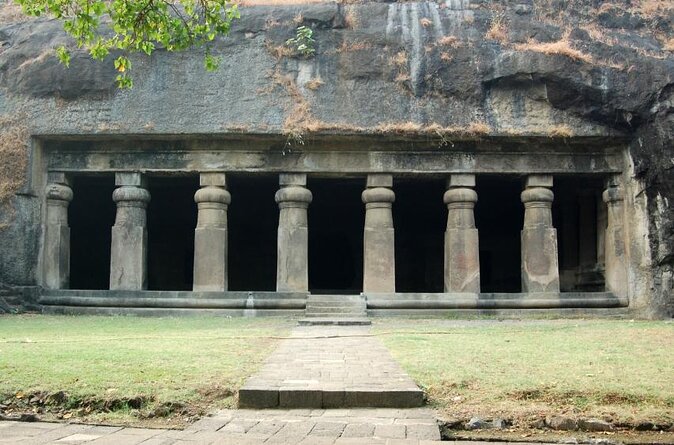
- Ferry start from Gateway of India makes the trip feel like part of the experience, not a commute.
- Shiva Cave highlights include the big sculptures tied to Hindu stories you can actually understand with a guide.
- Buddhist cave stops add variety and context beyond the main Shiva focus.
- Small group size (up to 15) keeps the pace from turning into a stampede.
- Mobile ticket helps you avoid last-minute scrambling.
- No food by default, though there’s an option for a family lunch.
Why the Elephanta Caves still feel like Mumbai’s time capsule
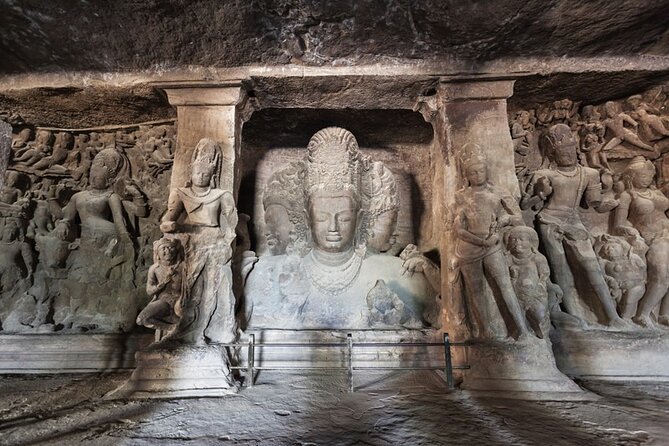
Elephanta Island is famous for its rock-cut world, and the main reason it works as a half-day trip is simple: you get a guided path through the key caves without feeling like you’re wandering. You’ll be looking at UNESCO-listed caves and rock art that are believed to date from the 500s, which means you’re dealing with centuries of spiritual art condensed into a walkable circuit.
What I like most is that this isn’t framed as only sightseeing. Your guide’s job is to connect what you see (the sculptures, reliefs, and iconography) to the stories and symbolism behind them. That turns big stone figures into something you can describe back home, not just photographs you’ll scroll past later.
A practical note: this is religious art, carved for belief and ritual. If you go expecting a museum-style lecture, you’ll miss the point. If you go ready to ask questions and let the guide translate the visual language, it clicks fast.
You can also read our reviews of more guided tours in Mumbai


Ferry time from Gateway of India: make the ride count
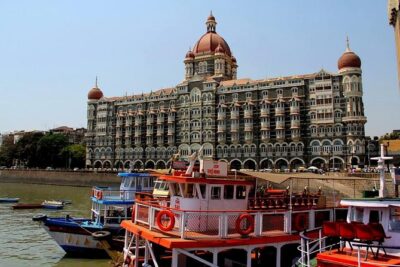
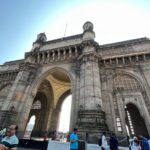
The tour starts at Gateway of India, at Apollo Bandar in Colaba. From there, you take a ferry to Elephanta Island. This matters because the ferry ride helps you shift gears from busy Mumbai to an island tempo. It also gives you a natural time marker: once you’ve crossed the water, you’re in the zone for walking, looking, and learning for the next few hours.
The description suggests the tour duration is about 4 hours total, with roughly an hour tied to the ferry time. That’s a sweet spot. It’s long enough to feel like you left the city, but short enough that you won’t dread the return.
A tip from the tone of guide-led visits: go into the ferry portion with the mindset of watching for light and views. One review mentioned an afternoon visit with a chance to enjoy sunset, so if you’re booking later in the day, you might catch nicer sky color on the water. Just don’t count on it like a schedule; treat it as a bonus if conditions allow.
Entering the Shiva Cave: Nataraja, Yogishvara, and the big figures
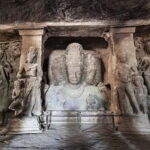
The centerpiece is the main Shiva Cave, and you’re guided right to what most people remember. This is where the scale hits you. The carvings include huge sculptures of Shiva and scenes drawn from Hindu mythologies, plus specific figures your guide points out, including Nataraja and Yogishvara.
Here’s what a good guide changes: without explanation, you might see strong shapes and tell yourself you’ll learn later. With explanation, you start spotting patterns. You begin to understand which figures are doing what in the story and why certain poses and symbols show up where they do.
Also, keep your eyes moving. The cave isn’t only about the largest statues. The overall composition matters, and reliefs around the main focal points add layers. If you want this to be more than a single “wow” moment, ask your guide what the main Shiva scene is meant to communicate, and then compare it with the smaller nearby caves.
One more value point: because it’s a half-day tour, the guide can spend time on the most important parts instead of trying to cover everything. That’s how you get a satisfying understanding without a rushed blur.
Smaller Hindu and Buddhist caves: how the side stops add meaning
After the main Shiva focus, you’ll see other caves tied to Hindu and Buddhist traditions. The tour highlights include smaller caves filled with statues and reliefs of religious scenes. This is where the visit becomes more than a “Shiva day.”
Why this matters for you: Elephanta isn’t only one tradition or one era in your mind. If you can connect the different visual themes across caves, the whole site starts feeling like a living history of beliefs that shared space, styles, and symbolism.
The guide is part of the equation here too. You won’t just walk past rock panels. You’ll hear the history behind the smaller cave sections and how the rock art fits into the broader purpose of the site. That’s especially useful if you don’t already know the basic vocabulary of Hindu and Buddhist imagery.
A small practical drawback: these caves are made of stone, so expect an environment that can feel cooler or dimmer than you’re used to outside. If you’re sensitive to temperature, bring a light layer. Comfortable shoes also help because you’ll be moving between cave areas and dealing with uneven rock surfaces.
A professional guide is the difference between seeing and understanding
This tour includes a cultured, professional, highly qualified guide, and the guide quality is one of the most praised parts. In the guide-related comments tied to this experience, names like Dave and Daivat came up as people who explained not just the cave art, but also how the island community lives. That kind of context turns Elephanta from a stone monument into a place with a human present-day connection.
When you have a good guide, you get answers to questions you didn’t know to ask. On this tour, the guide is also there to explain why the caves were carved and what the symbolism in the rock art means. That’s the value you can’t replicate with a map and a passing glance.
If you want to get the most out of your guide, ask one practical question early, like: what should I look for first inside Shiva Cave so I understand the carvings as a story? Then later ask: what’s the key difference in focus between the Shiva Cave and the smaller Buddhist caves? A real guide can point you to exact features, not vague descriptions.
You can also read our reviews of more tours and experiences in Mumbai



What the half-day pace really feels like

The schedule is built around two main pieces: ferry time and cave time. You’ll start at Gateway of India, take the ferry, and then have about 3 hours dedicated to the cave visit. The tour ends back at the meeting point, keeping everything contained.
This pacing is great if:
- you want UNESCO-worthy sights without a full day of travel fatigue
- you like structured walking routes with a guide
- you prefer learning to drifting
It’s less ideal if:
- you want long hours of solo wandering and sketching
- you plan to linger for lots of separate photo stops without help
- you’re hoping for an unhurried, museum-length read of every carving
In other words, it’s designed to be efficient. If you love that style of travel, you’ll probably enjoy the flow.
Price and value: is $61.23 a fair deal?
The price listed is $61.23 per person, and it’s typically booked about 9 days in advance. For that money, you’re paying for a guided, organized experience that includes ferry ride and all fees and taxes, plus a tour guide.
One caution: ticket coverage is described in a couple of different ways. Your tour details say ferry and entrance tickets may be at your own expense, but the included section also lists ferry ride and even an admission ticket as included. Because of that mismatch, I strongly recommend you check your confirmation or mobile ticket details to see exactly what you’ll show at the relevant points. That’s the one “gotcha” you can prevent with a quick check.
Also note: food and drink aren’t included. There is an option to include a family lunch. If you’re the type who likes a snack plan, bring water or plan on buying something outside the included framework. This is a half-day tour, so skipping food entirely usually won’t derail you, but it can make the second half of the cave walk less pleasant if you’re prone to low energy.
Given what’s included, the value is strongest for people who want:
- guided interpretation (not just photos)
- ferry logistics handled
- a compact, high-signal tour
If you’re comfortable piecing everything together yourself and reading about the site on your phone, you might find a cheaper self-guided approach. But if you want the carvings explained and organized into a simple route, this price can feel very reasonable.
Mobile tickets and small-group touring up to 15
The experience uses a mobile ticket, which is convenient. Instead of hunting for paper vouchers, you’ll use your phone at the checkpoints. That’s especially helpful on a trip that starts in a busy central area like Colaba.
The group size is capped at 15 travelers, which is a big deal for a cave visit. Big groups turn into lines and photo stops. A smaller group tends to let the guide keep explaining without constantly repeating themselves.
There’s also a comfort factor: most travelers can participate. That doesn’t mean it’s effortless for everyone, but it suggests the tour isn’t restricted to a narrow set of conditions. Still, if you have mobility limitations, you should be prepared for uneven stone and the natural movement between cave areas.
When to go: afternoon light, shorter day, and energy management
You’ll see the caves in roughly a 3-hour window. That half-day format means your main choice is the time of day you book.
Afternoon visits can be especially fun because you may get better light for the ferry ride back, and one review noted a sunset opportunity when they visited later. If you’re a photo person or you just like softer light on water, afternoon is a smart bet.
On the flip side, if you want a quieter, calmer start, mornings can feel smoother for energy. Either way, you’ll still be walking and looking inside caves, so plan your day around a moderate exertion block and then relax afterward.
A small practical mindset: the caves reward patient looking. If you schedule another major activity right after, you’ll feel rushed. I’d keep your next plans light.
Who should book this Elephanta Caves half-day tour?
This is a strong fit for you if:
- you want a guided walk through the main Shiva focus and supporting caves
- you enjoy UNESCO sites that come with an explanation of meaning, not only dates
- you like a compact day plan with ferry logistics handled
- you prefer smaller group sizes and personal attention
It may not be the best choice if:
- you want to spend many extra hours on your own exploring at your own pace
- you’re comfortable navigating ticketing and ferry steps without assistance
- you’re strictly food-first and don’t want the idea of bringing a snack or using the optional lunch
Before you book: the two things to double-check
This tour is straightforward, but I’d verify two details so you feel confident on the day:
First, ticket coverage. The information you see includes both statements that admission is included and that ferry/entrance tickets may be at your own expense. Your best move is to confirm what’s covered in your specific confirmation and what, if anything, you need to pay on arrival.
Second, food. Food and drink aren’t included, though there’s an option for a family lunch. If you know you’ll need a meal, make a plan now so you’re not searching under time pressure once the cave portion ends.
If you handle those, the experience reads like a good value: ferry + guide + the core caves without wasting your day.
Should you book this Elephanta Caves half-day tour?
I’d book it if you want a guided, high-impact introduction to Elephanta without a full-day commitment. The biggest selling point for me is that you’re not just looking at stone carvings; you’re getting help understanding Shiva Cave, plus the supporting Hindu and Buddhist caves and the symbolism behind the rock art.
If you’re on the fence, use this quick checklist:
- You’re happy to rely on a guide for interpretation.
- You can handle a half-day walking plan.
- You confirm your voucher shows exactly what’s included for entrances and ferry steps.
- You plan for snacks or optional lunch since food isn’t included.
If those boxes are true, this tour is a smart way to see one of Mumbai’s most important heritage sites in a tidy, memorable format.
FAQ
How long is the Elephanta Caves half-day tour?
It’s about 4 hours total.
Where does the tour start and end?
It starts at Gateway of India (Apollo Bandar, Colaba) and ends back at the same meeting point.
Is there a mobile ticket for this experience?
Yes. The tour uses a mobile ticket.
How many people are in the group?
The maximum group size is 15 travelers.
What’s included in the price?
The tour includes a professional guide, all fees and taxes, and the ferry ride. The information also notes admission ticket coverage, but you should check your confirmation details to confirm exactly what’s included for your booking.
Is food included?
Food and drink are not included, but there is an option to include a family lunch.