REVIEW · DHARAVI SLUM TOURS
Dharavi: Daily Life inside Asia’s Largest Slum walking tour
Book on GetYourGuide →Operated by Mumbai with Locals · Bookable on GetYourGuide
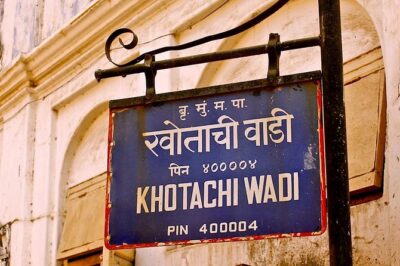
Dharavi is not what you think. This 2-hour walking tour gives you a first-hand look at how people survive and build livelihoods in one of the world’s most crowded neighborhoods, moving from industrial workshops to everyday homes with stories you can’t get from a quick photo stop. You meet your guide outside Third Wave Coffee, get a clear briefing, then head into the dense maze at a human pace.
I love how the tour spotlights practical work—especially plastic recycling in action and the small, family-run production that turns waste into soaps, textiles, and everyday goods. I also like the guide-led feel of it: you’re not wandering alone, and you’ll often hear from locals like Segidi, Ravi, Abhishek, or Bala, who keep things organized and help you cross streets with care.
One key consideration: this walk is in narrow, uneven lanes, and it’s not suitable for wheelchair users or people with mobility issues, respiratory issues, or visual impairments.
In This Review
- Key things you’ll notice on this walk
- Why a Dharavi daily-life walk feels different from a quick sighting
- Getting oriented outside Third Wave Coffee (and why it matters)
- Industrial Dharavi: recycling, small factories, and making value from scraps
- Dhobi Ghat and the rhythm of open-air laundry
- Residential lanes: tough realities, but also pride and neighborhood life
- Khumbharwada potters’ colony: kilns, clay work, and Gujarat roots
- Practicalities you should plan for (so the tour stays enjoyable)
- Price and logistics: why $7 can be strong value
- Who this tour fits best (and who should choose something else)
- The people factor: what makes the guide-led format work
- Should you book this Dharavi daily-life walking tour?
- FAQ
- Meeting point and where the tour ends
- How long is the Dharavi walking tour?
- What does the price include?
- Are there guides who speak English, or is it Hindi-only?
- What should I wear or bring?
- Is photography allowed?
Key things you’ll notice on this walk
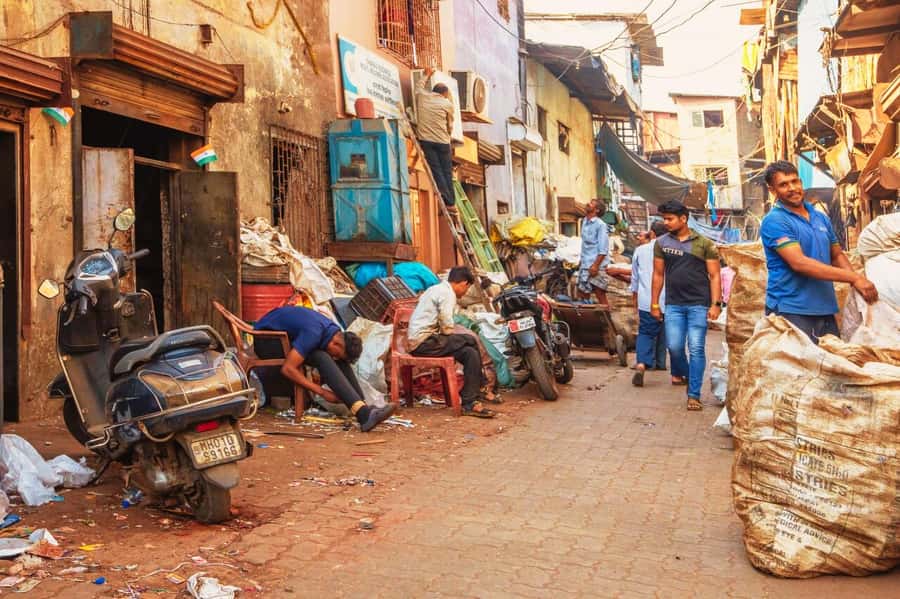
- Plastic and metal recycling at working speed: you see materials move from waste to products, not just a concept.
- Dhobi Ghat hand-washing: Mumbai’s open-air laundry culture comes into focus in real time.
- Kids, neighbors, and daily rhythms: you’ll witness small moments like cricket in tight alleyways and doorstep conversations.
- Khumbharwada potters’ colony: kilns, drying pots, and skilled clay work from a Gujarat-rooted community.
- Small-group pacing with safety in mind: guides help you stay grounded and handle street crossings.
Why a Dharavi daily-life walk feels different from a quick sighting
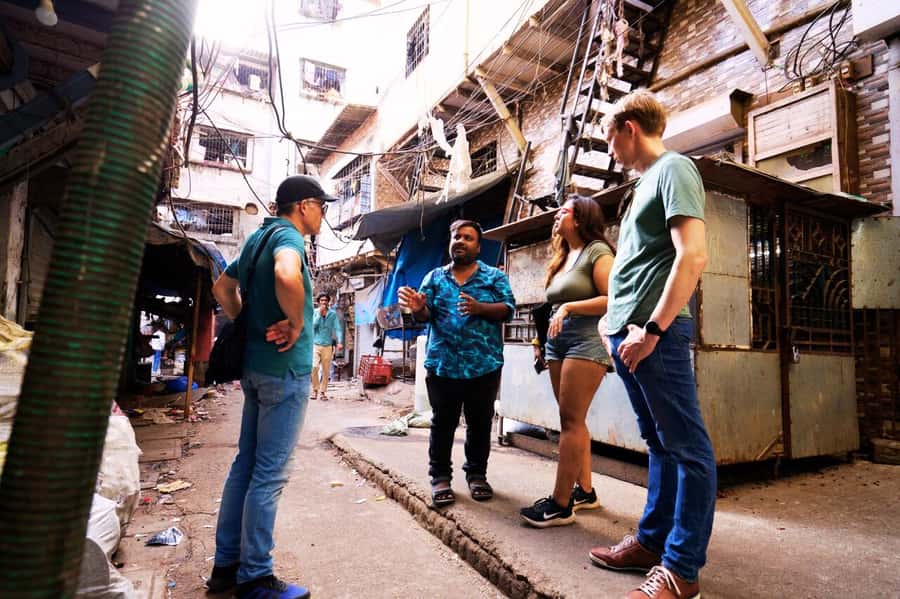
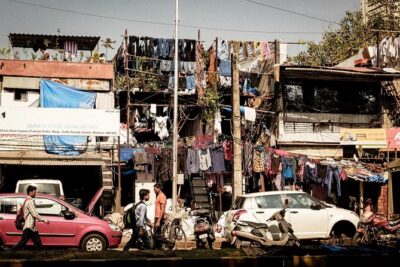
A lot of tours treat Dharavi like a label. This one treats it like a place where people work, raise families, and argue about prices and weather the same way you do—just in far tighter space. You walk through the industrial part first, where the activity hits you right away. Then you move into the residential lanes, where the mood shifts from production to personal routines: school talk, neighbors checking in, food being prepared, kids finding games that fit the lane.
What makes it click is the balance. You don’t just see hardship, and you don’t just see industry. You see how both exist side by side, and how community ties help people keep going. The guide’s job is to keep the human context intact, so the walk stays respectful and focused on real daily life.
And yes, the meeting point matters. Starting outside Third Wave Coffee gives you an easy, low-stress landing, especially after getting to Mumbai’s busier streets.
You can also read our reviews of more walking tours in Mumbai



Getting oriented outside Third Wave Coffee (and why it matters)
The tour starts outside Third Wave Coffee. That’s a practical win: you get a solid meetup location, not a vague landmark that only locals would recognize. Once you’re together, your guide gives a short introduction and a briefing on what to expect—how the route will feel, what you should watch for, and how to behave when you’re near homes and workplaces.
Before you step into the lanes, you should mentally switch from sightseeing mode to listening mode. You’ll spend most of the time walking and talking, not photographing and moving on. If you plan to take pictures, remember the simple rule: photography is allowed, but you should ask permission before photographing people. That keeps the experience grounded and avoids that awkward “outsider snap” vibe.
You’ll also learn the basics of how Dharavi functions in Mumbai’s informal economy—small spaces packed with real output. The point isn’t just to be impressed. It’s to understand why this neighborhood is economically important even when resources are limited.
Industrial Dharavi: recycling, small factories, and making value from scraps
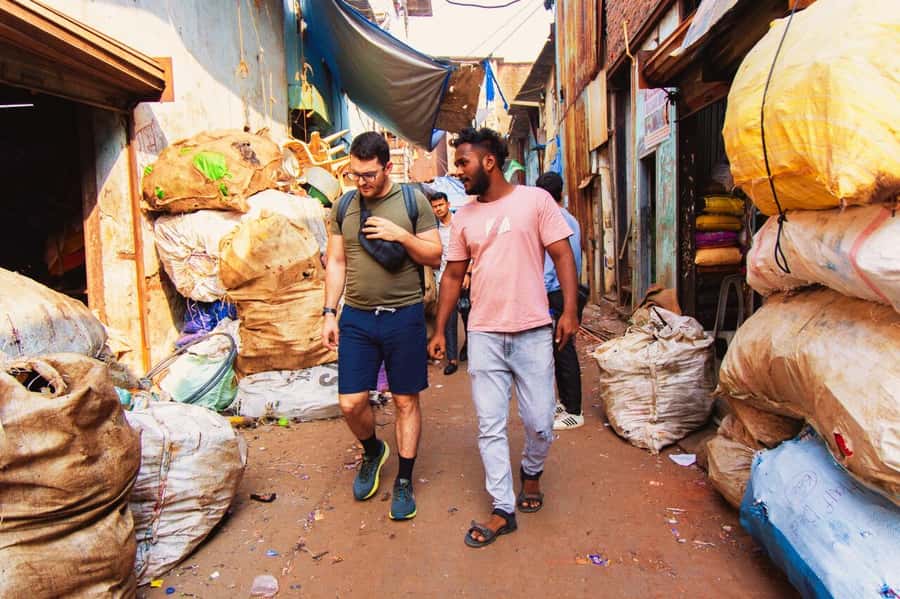
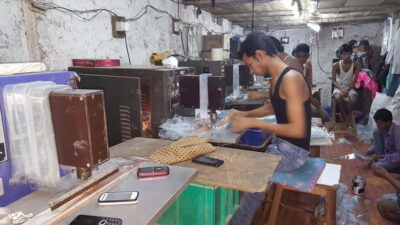
The first phase of the tour is the industrial district. This part can surprise you, because Dharavi is often described as only residential deprivation. Here, you see speed, skill, and purpose. People are recycling plastic and metal. You’ll also hear about (and often see) small trades tied to leather goods, baking snacks, pottery, soaps, and textiles.
This is where the tour earns its name: daily life inside an active working area. When you watch plastic recycling happen in front of you, it stops being an abstract environmental issue. You start connecting dots between waste streams and household products. You also get a clearer picture of how families turn limited space into functioning workspaces—and how long many operations have been running.
A lot of the work is family-run. That means you’re not looking at some faceless factory. You’re looking at a way of life that has been carried forward through generations. And your guide ties it to Mumbai’s bigger economic picture, explaining that these industries generate significant turnover each year even though they operate with tight space and basic infrastructure.
Dhobi Ghat and the rhythm of open-air laundry
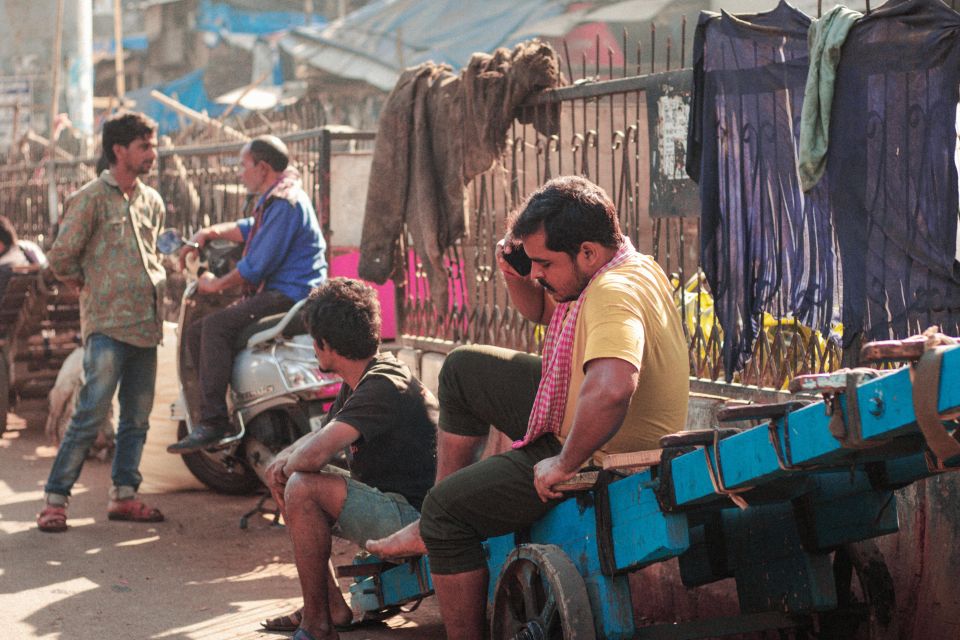
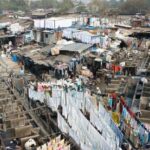
One of the highlights of the tour is Dhobi Ghat: Mumbai’s open-air laundry, where washerfolk clean clothes by hand. Even if you’re used to seeing laundry in the background of city life, this stop tends to make you pay attention to effort. Hand-washing is physical work, and in open air you see how rhythm matters—washing, rinsing, and managing daily flow.
Think of it as a lens on everyday labor. The tour isn’t only about recycling and workshops. It’s also about services that keep households running across a huge city. Dhobi Ghat helps you understand how work in Dharavi connects to the broader city that depends on it.
You’ll get more out of this part if you stay curious and watch what’s happening rather than trying to “capture the scene” immediately. Let the guide translate what you’re seeing into context.
Residential lanes: tough realities, but also pride and neighborhood life
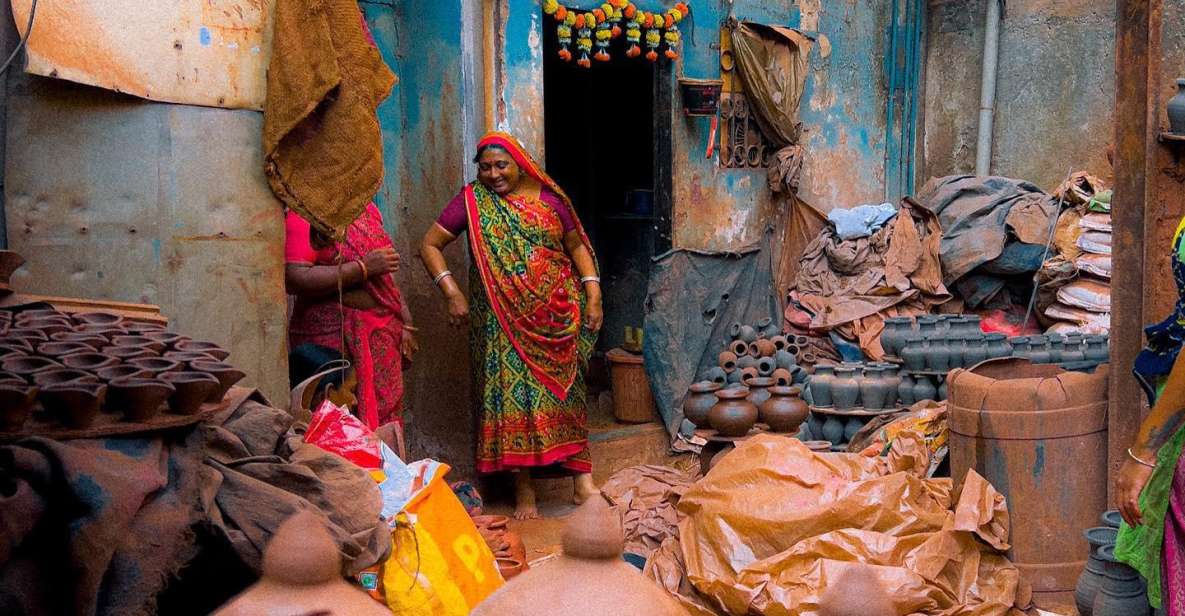
After the industrial district, the walk shifts into the residential area. This is where Dharavi becomes more emotional than mechanical. The lanes are narrow, the homes are close together, and daily life has a way of spilling into shared space. You might see kids playing cricket in tight alleyways. You’ll likely notice women chatting from doorstep to doorstep. You’ll also see food being prepared and shared.
The guide will share personal stories and local perspectives. That’s important, because the goal here isn’t to treat residents like scenery. You’ll talk about challenges linked to sanitation, education, healthcare, and housing. At the same time, you’ll hear about pride—how people feel about their homes, their neighborhoods, and their identity.
One thing I appreciate in this kind of tour format is that it prevents “either/or thinking.” You don’t get forced into pity-only narratives or admiration-only narratives. You get the real blend: constrained living conditions plus strong social bonds that help people function and adapt.
Small practical note: since you’re walking through real home zones, keep your voice calm and your movements careful. It’s not a stage. It’s someone’s neighborhood.



Khumbharwada potters’ colony: kilns, clay work, and Gujarat roots
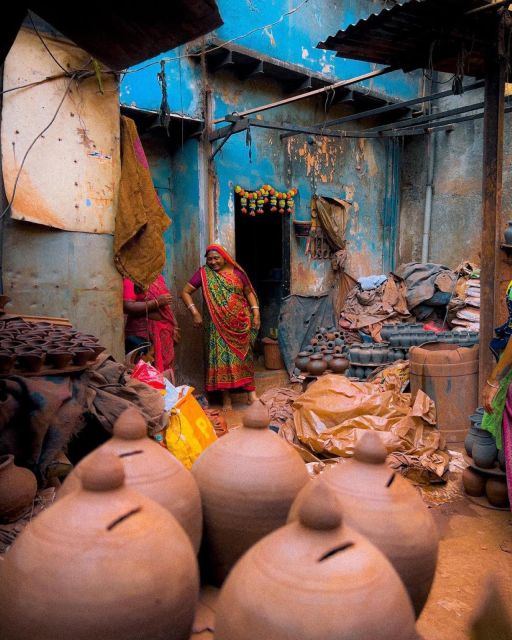
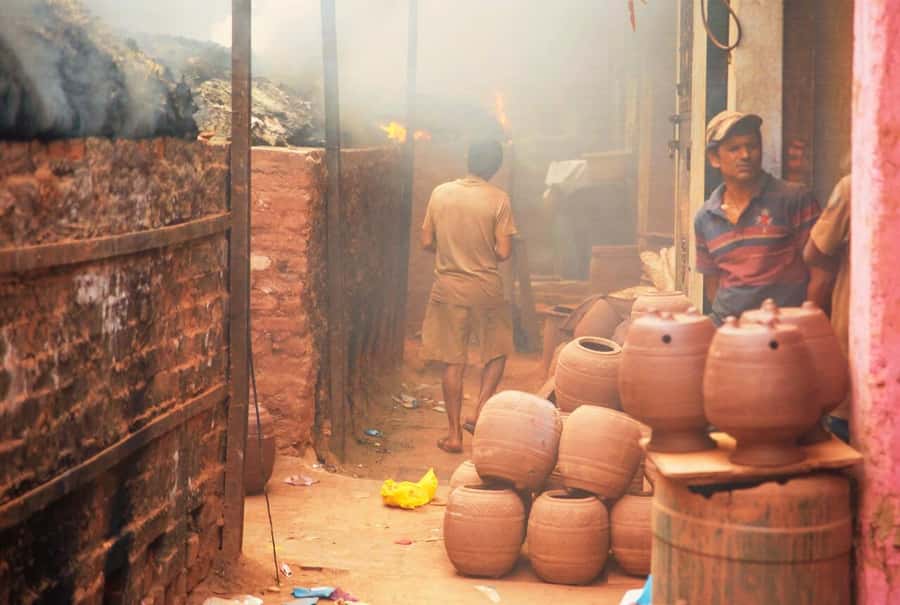
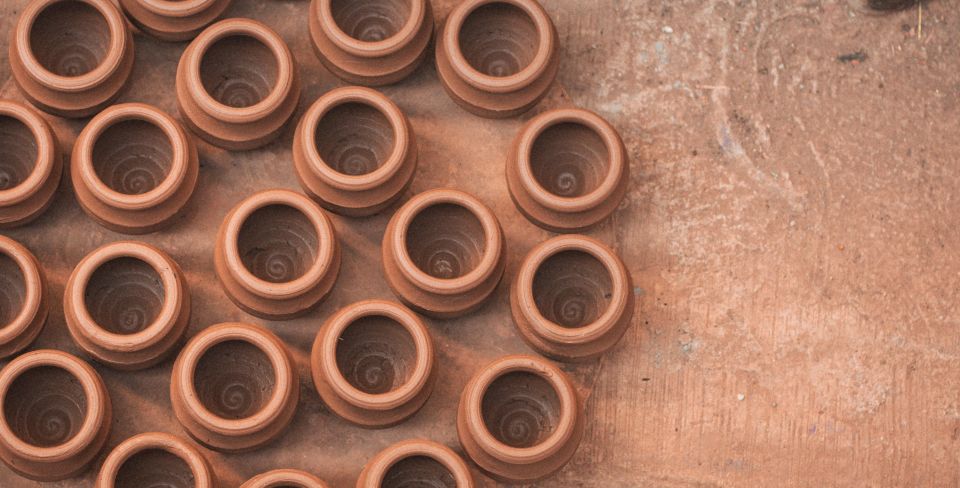
The final leg is Khumbharwada, a potters’ community inside Dharavi. This part is quieter and more reflective than the industrial and residential lanes. You’ll see artisans at work shaping clay with practiced hands. You’ll also notice kilns, and you may see rows of freshly molded pots drying in the sun.
The community’s roots trace back to Gujarat. That detail matters because it explains why you see traditions thriving in a place that outsiders often assume is only crowded and temporary. Pottery here isn’t an “old museum craft.” It’s work that still supports daily life.
If you’re the type who likes learning how skills travel and evolve, this stop is a good payoff. It adds depth to the earlier recycling and manufacturing theme: not just turning waste into products, but turning raw materials into crafted goods with technique and continuity.
Practicalities you should plan for (so the tour stays enjoyable)
This walk is 2 hours. You’ll be on foot through narrow, uneven lanes. That means your shoes matter more than your outfit. Wear comfortable shoes and comfortable clothes, plus a scarf and closed-toe footwear. Dress modestly as a sign of respect for the local community.
Because you’re outside for much of the experience, bring what you need for Mumbai’s sun and heat. Water is included as packaged water if needed, but you’ll still feel better with extra water in your day plan. Sunscreen and a hat can help a lot, especially if you’re sensitive to sun exposure.
Group size is kept small, which is part of why the experience feels personal. It also makes it easier for your guide to manage street crossings and keep the group together.
And a quick behavior reminder that will help you instantly: photography is allowed, but ask permission before photographing people. If someone says no, accept it. That’s how you keep the tour respectful.
Price and logistics: why $7 can be strong value
The price is listed as $7 per person for a 2-hour walking tour inside Dharavi, with an English-speaking guide and packaged water if needed. That’s low for a guided, local-led walking experience in a major city, especially one that requires planning and route knowledge.
Where the value comes from:
- You’re paying for interpretation. The guide helps you connect what you see to how Dharavi works day to day.
- You’re getting access to a place that’s easy to misunderstand without context.
- You’re getting safety support. Several guides are praised for organization and careful street crossings, and one guide even helped a participant with a train ticket and got them to the right platform afterward.
Is it “light and easy”? No. It’s a walking tour with real walking conditions and real conversations. But if you want authentic daily-life context instead of a checklist of sights, the price feels fair.
Who this tour fits best (and who should choose something else)
This tour is best for people who want to understand day-to-day life and informal work in Mumbai. If you like practical, behind-the-scenes learning—how materials get turned into products, how laundry gets done, how neighborhood life works—this is a great match.
It also fits well if you enjoy asking questions. The guides you might encounter (like Segidi, Ravi, Abhishek, or Bala) are repeatedly described as communicating clearly and making sure you feel safe while walking. That matters when you’re in tight lanes and active streets.
But it’s not for everyone. It’s not suitable for:
- Wheelchair users or people with mobility impairments
- People with respiratory issues
- People with visual impairments
If you fall into any of those categories, you’ll likely struggle with the walking lanes and outdoor conditions. In that case, it’s smarter to choose a different kind of Mumbai experience that matches your comfort level.
The people factor: what makes the guide-led format work
A walking tour lives or dies by the guide. In this case, the experience is built around local voices and careful pacing. Guides like Segidi and Ravi are credited for making Dharavi feel understandable, not chaotic. Abhishek is praised for good communication and for keeping the experience organized and safe. Bala stands out for clear explanations, strong English, and hands-on support with safety and even helping someone after the tour to get home.
That last detail might not be standard for every group, but it reflects the overall approach: your guide isn’t just reciting facts. They’re managing the human side of the day—crossing streets, answering questions, and guiding behavior around homes and small businesses.
So when you book, come with respect, patience, and curiosity. Your questions are welcome, but your tone matters too.
Should you book this Dharavi daily-life walking tour?
Book it if you want an honest, on-foot view of how Dharavi functions: recycling and production in the industrial areas, hand-washing life connected to Dhobi Ghat, and neighborhood routines in the residential lanes. You’ll also get a meaningful cultural ending in Khumbharwada, with potters, kilns, and the Gujarat-rooted craft that still shapes daily life.
Skip it if you can’t do uneven, narrow walking lanes or if you have respiratory or visual limitations that make outdoor environments hard. Also skip it if you’re expecting a classic sightseeing-style itinerary where you mainly look at big landmarks.
If you’re open to learning through real streets and real work, this tour offers strong value for money and a kind of understanding you won’t get from a drive-by.
FAQ
Meeting point and where the tour ends
You start outside Third Wave Coffee and the tour ends back at the same meeting point.
How long is the Dharavi walking tour?
The walk lasts about 2 hours.
What does the price include?
The price covers an English-speaking guide and packaged water if needed.
Are there guides who speak English, or is it Hindi-only?
The languages listed are Hindi and English.
What should I wear or bring?
Bring comfortable shoes and comfortable clothes, plus a scarf and closed-toe shoes. Since there’s outdoor walking, it also helps to bring water, sunscreen, and a hat if needed.
Is photography allowed?
Photography is allowed, but you should ask permission before photographing people.