REVIEW · CITY TOURS
Mumbai: Guided City Sightseeing Tour
Book on GetYourGuide →Operated by Amaze Tours · Bookable on GetYourGuide
Mumbai hits you fast—this tour helps you steer. I like that it’s customized to your interests, so you’re not stuck marching through a fixed checklist. I also love the mix of iconic landmarks and everyday Mumbai stops, especially places like Dhobi Ghat and Mani Bhavan. One drawback: because it’s a short-to-full day (3–8 hours), you’ll move quickly, so you’ll want comfortable shoes and a few flexible expectations.
The value is what really surprised me. For around $10, you get hotel/cruise-area pickup and drop-off, an English-speaking guide, entrance fees, and an air-conditioned car with driver. In the guiding style I saw firsthand—people like Dawood, Ganesh, Alam, Maze, and Dinesh showed up with strong local context, plus that calm humor that matters when you’re in Mumbai traffic and heat.
If you’re the kind of traveler who wants long museum time and zero running around, you might feel rushed. But if you want to get your bearings fast and leave with a real sense of the city, this is a smart way to spend your hours in Mumbai.
In This Review
- Key moments I’d prioritize
- First Impressions: A Custom Mumbai Day with AC comfort
- How the 3–8 Hour Format Works for Your Pace
- Gateway of India to Colaba: Sea views and old-city energy
- Oval Maidan, Kala Ghoda, and Mumbai’s public squares
- CSMT UNESCO: The station you should actually walk
- Crawford Market and Marine Drive: Markets and the city’s evening mood
- Mani Bhavan and Banganga Tank: Gandhi’s house and a working spiritual stop
- Hanging Gardens and Dhobi Ghat: Views plus everyday labor
- If You choose 8 hours: Dadar Flower Market and Dharavi
- Price and Logistics: Why this tour feels like a bargain
- Who This Tour Fits Best (and who should plan differently)
- Should You Book This Mumbai City Sightseeing Tour?
- FAQ
- How long is the Mumbai guided city sightseeing tour?
- What are the main stops on the tour?
- Is Dharavi included?
- Does the price include entrance fees?
- Is food included?
- Is Prince of Wales Museum included?
- Do I get an English-speaking guide?
- Is pickup available from my hotel?
- Where is the meeting point for cruise passengers?
- Are alcoholic drinks allowed in the vehicle?
Key moments I’d prioritize
- AC comfort + pickup: You’re not trying to figure out Mumbai transport on your own for a packed day.
- CSMT is the headline: Chhatrapati Shivaji Maharaj Terminus is UNESCO listed, and the walk-through time helps you see why.
- Markets with context: Crawford Market and (on the longer option) Dadar Flower Market are better with a local guide than with a map.
- Dhobi Ghat is worth the detour: It’s open-air, it’s working, and it’s easy to watch how people live and work.
- Optional Dharavi with a guide: If you choose the 8-hour route, you can see how neighborhoods function beyond stereotypes.
First Impressions: A Custom Mumbai Day with AC comfort
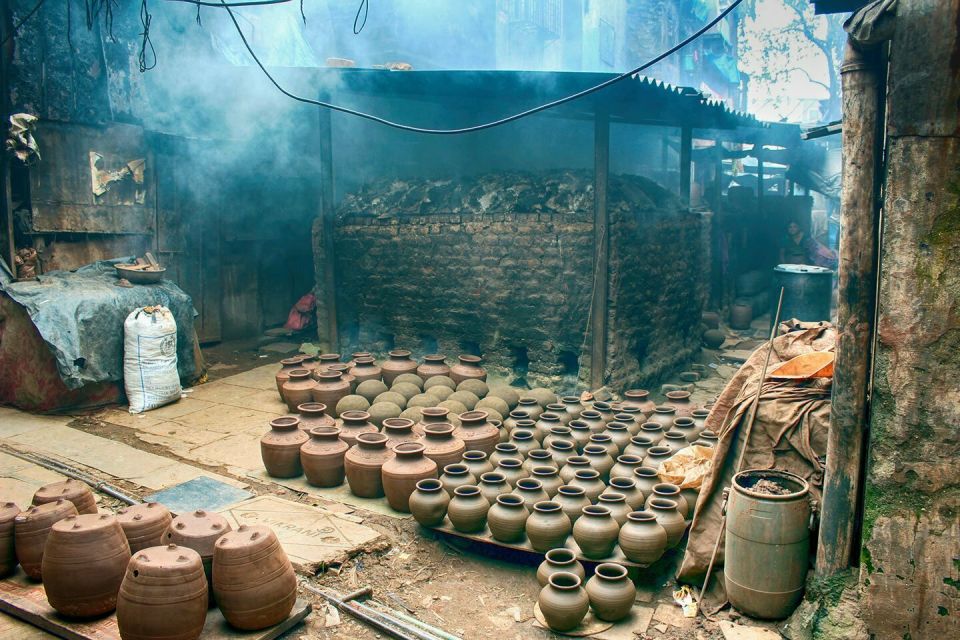
This tour works because it gives you structure without pretending Mumbai is a theme park. You start with pickup, then you’re guided through the classic south-and-central sights by an English-speaking guide, with time to walk, take photos, and actually look at what’s in front of you. In practice, the customization is the difference between a checklist tour and a real city day.
I like that the vehicle is air-conditioned—Mumbai weather can turn a “quick stop” into a heat slog. The driver’s job is to get you from point A to point B in traffic, so your job stays simple: show up, listen, and decide what you want to linger on.
There’s also a clear philosophy: no commissioned shopping pressure. That matters in big cities where markets can turn into sales funnels. You still have shopping time if you want it, like at Crawford Market, but you’re not being steered into sketchy, high-commission detours.
You can also read our reviews of more guided tours in Mumbai

How the 3–8 Hour Format Works for Your Pace

Think of this as two overlapping itineraries: a core route you can do in about 6 hours, then an 8-hour version that adds more of the city’s texture. The shorter plan keeps you focused on Mumbai’s most iconic sights and a few meaningful cultural stops. The longer plan adds two higher-impact, very local experiences: Dadar Flower Market and Dharavi.
In both cases, you’ll get a rhythm:
- quick photo stops for major landmarks,
- walking time where it counts (for photos, views, and atmosphere),
- and “pass by” moments for buildings you’ll recognize even from the car.
If you’re visiting for the first time, I’d lean toward the longer option. If your schedule is tight or you’re easily exhausted by walking, the 6-hour route gives you strong coverage without feeling like you’re on the move every single minute.
Gateway of India to Colaba: Sea views and old-city energy
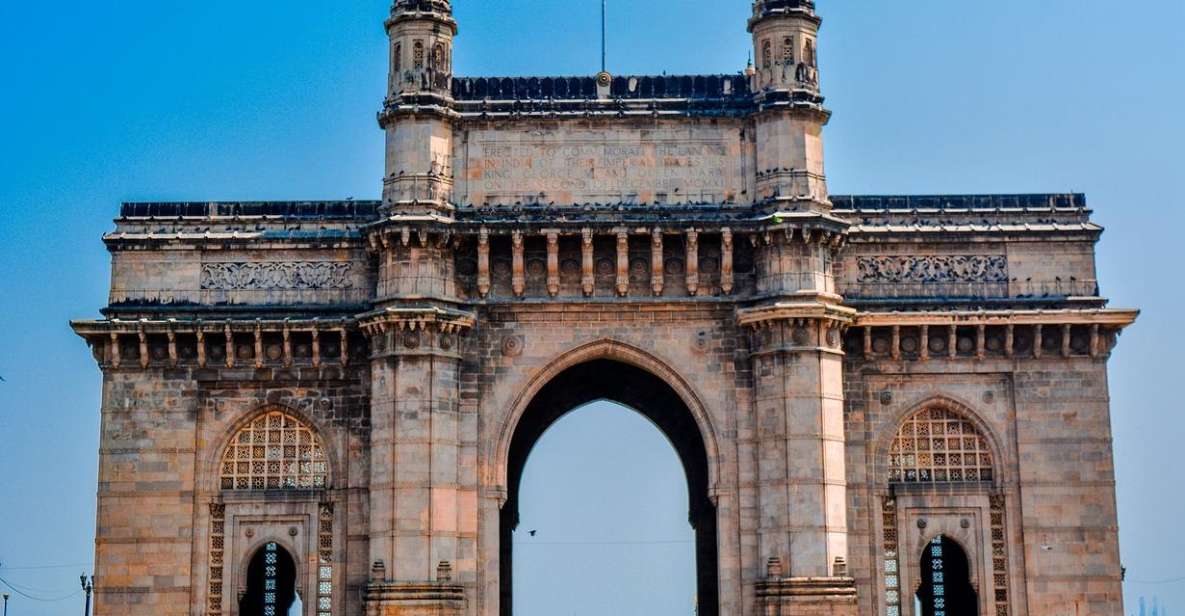
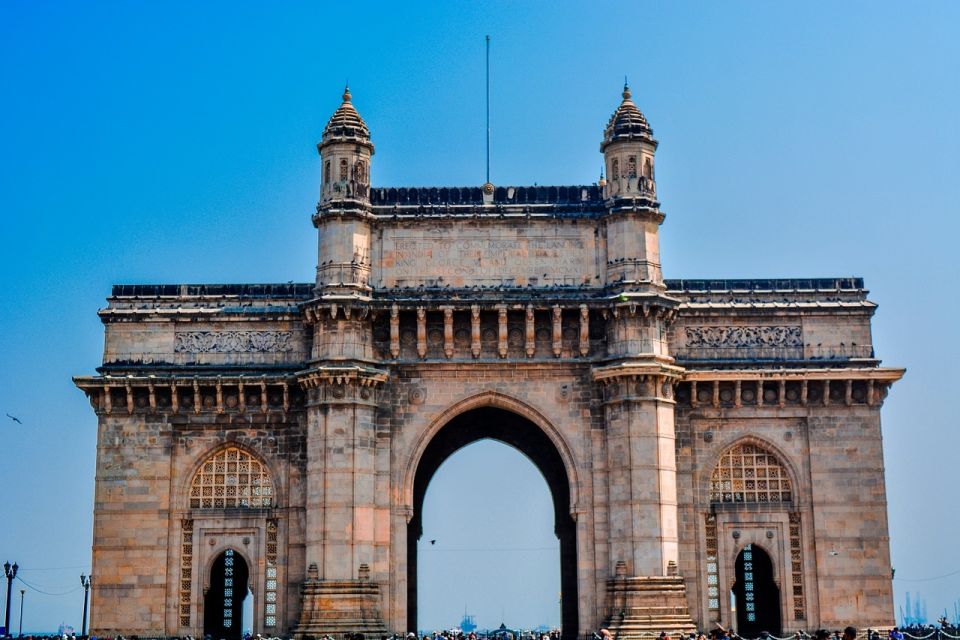
Your day often starts at the Gateway of India area, with a brief photo stop and a short walk. This is one of those places where a little time goes a long way. You’ll see the waterfront feel, the scale of the monument, and the way crowds naturally gather here.
From there, the tour typically threads through the Colaba/Fort area. That’s useful because it’s where Mumbai’s colonial-era buildings and modern street life sit close together—almost like two eras negotiating for the same sidewalk.
A practical tip: bring sunglasses and a sun hat. Even when your stops are short, the open-air light is strong. And if you’re a photographer, you’ll get more benefit from having your camera ready during the walks than waiting for the perfect shot from the car.
Oval Maidan, Kala Ghoda, and Mumbai’s public squares
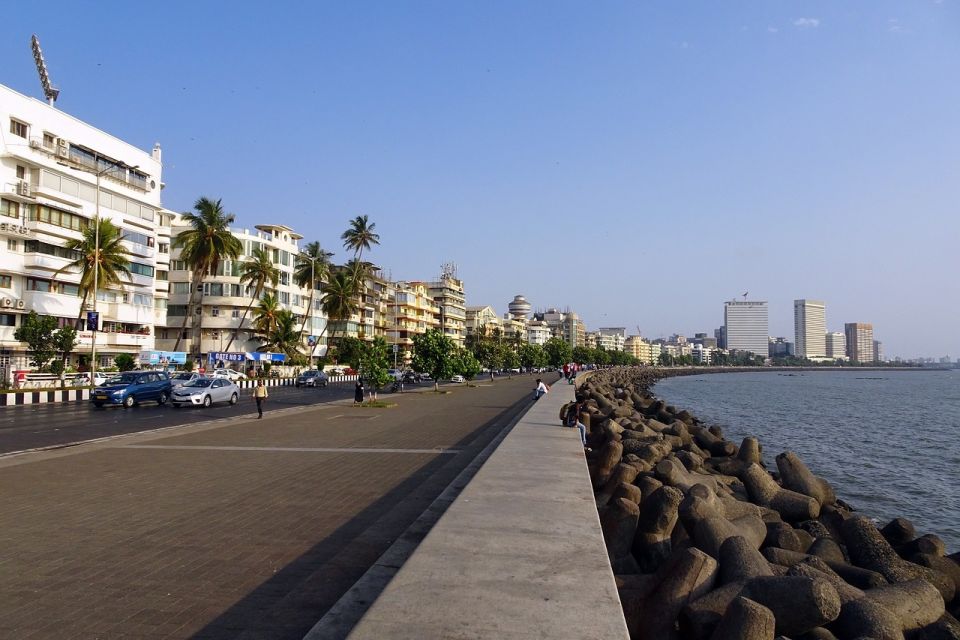
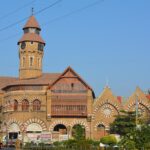
This is the part of the tour where the city starts to feel “designed.” You’ll pass or stop near areas like Kala Ghoda and Oval Maidan—places where Mumbai’s public life shows up in architecture and open space. You’ll get photo moments and short walking stretches, which is exactly what you want here: enough time to see the buildings and feel the space, not so long that you’re drained before the best stops.
You may also pass by places like the Asiatic Society of Mumbai and other landmarks in the central zone. Even if you don’t go inside every building, the guide’s context helps you connect the dots: who built what, what the architecture suggests, and why the area still matters.
This section works especially well if you enjoy city history in bite-size pieces. It’s not a long lecture. It’s more like getting a map in your head while you walk.
CSMT UNESCO: The station you should actually walk
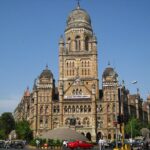
Chhatrapati Shivaji Maharaj Terminus is one of those “famous for a reason” stops. The tour includes time for a photo stop, sightseeing, and a walk. That walk is key. From the inside edges and the station’s layout, you get a sense of scale that you simply don’t get from quick photos outside.
CSMT is UNESCO listed, and the guide’s explanation makes the place feel less like a postcard and more like a living part of the city’s travel system. You’ll also get that contrast effect: the station looks historic, but it’s still part of everyday movement.
If you’re planning your day around landmarks that feel real, this is one of them. Don’t rush it.
You can also read our reviews of more city tours in Mumbai


Crawford Market and Marine Drive: Markets and the city’s evening mood
Crawford Market is where Mumbai gets practical. The tour gives you time for a photo stop, visiting, and shopping time if you want it. You’ll likely pass through a spice-and-goods atmosphere that feels very British-era in layout but unmistakably Indian in daily use. It’s a great place to buy small items—spices, snacks, or souvenirs—if you’re okay doing quick browsing instead of a slow shopping spree.
You then head toward Marine Drive, often with photo stop time, plus visiting and a walk. Marine Drive has that “people-watch” energy. Even when you’re not staying long, you can feel why locals and visitors both gravitate here.
If you’re sensitive to crowds, keep your expectations realistic. Marine Drive and nearby areas can get busy. Your best move is to stick to the walking time and enjoy the views rather than hunting for quiet corners.
Mani Bhavan and Banganga Tank: Gandhi’s house and a working spiritual stop
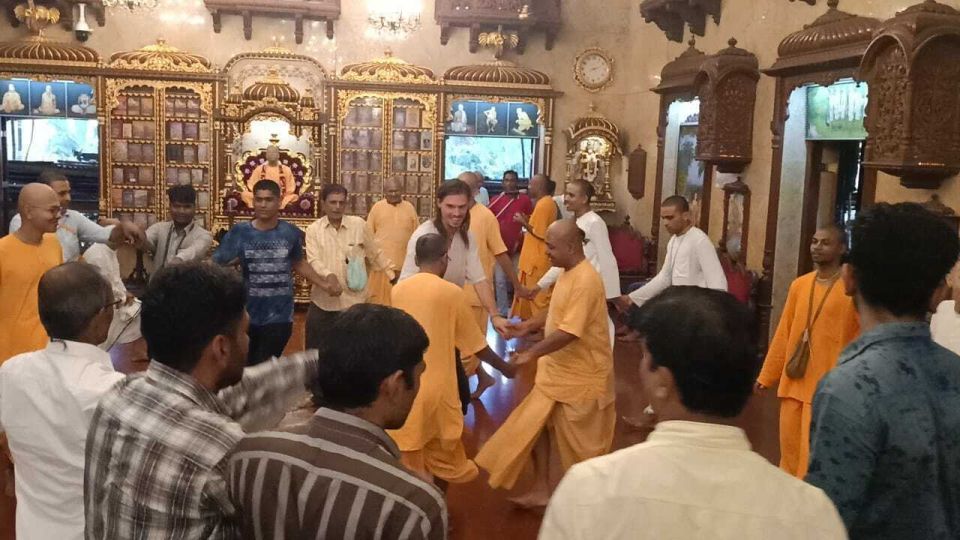
Mani Bhavan is one of the most meaningful stops on the route. The tour includes time for a photo stop and a visit with walking/sightseeing. It’s Mahatma Gandhi’s home, so it carries emotional weight even if you don’t know every detail before you arrive.
What makes this stop work on a guided tour is interpretation. The guide helps you understand why the building matters and what you’re seeing rather than just pointing at rooms and photos.
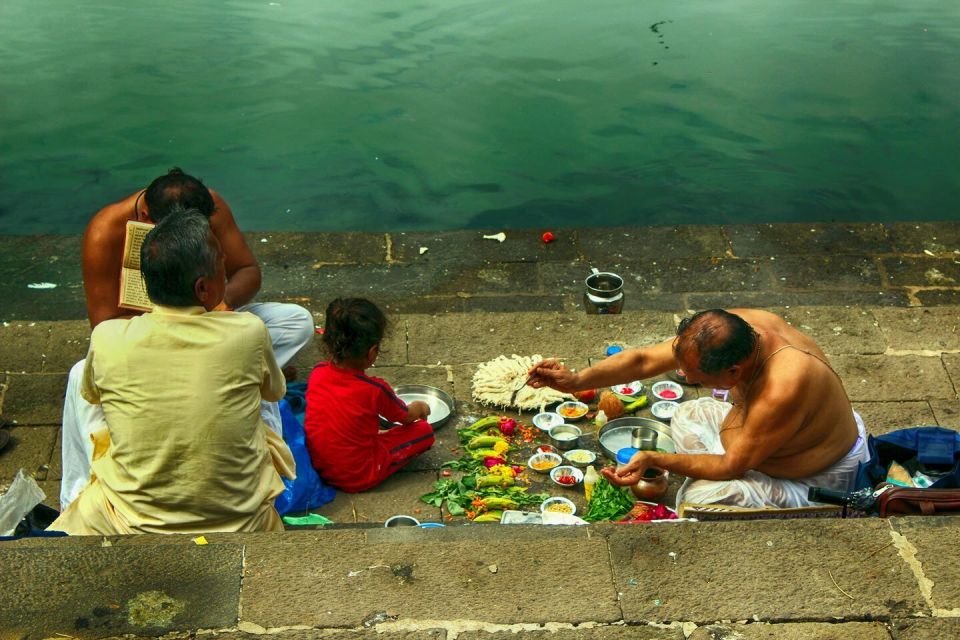
Banganga Tank is another strong add-on: a photo stop plus visiting and sightseeing time. You’ll get a sense of how religious and cultural practices live in the middle of the city’s normal flow. If you like places where people show up for daily faith or community routines, this part of the tour tends to land well.
Hanging Gardens and Dhobi Ghat: Views plus everyday labor
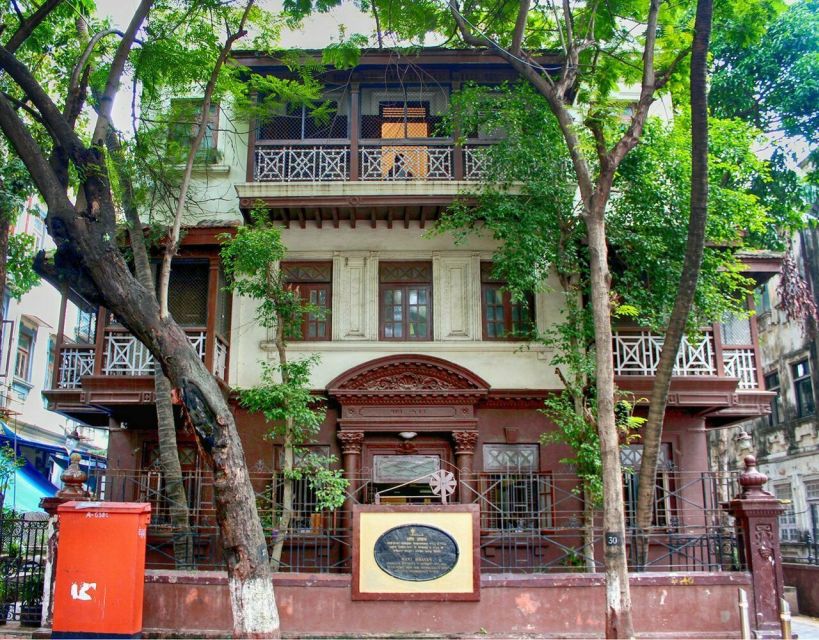
Hanging Gardens is often a highlight because it gives you a view and a change of pace. You get photo time, plus visiting and a walk. It’s the kind of stop where you can look out across the city and feel how huge Mumbai really is.
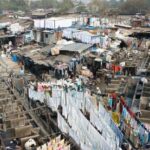
Then comes Dhobi Ghat, and this is the stop I’d protect in your schedule. It’s open-air laundry, and the tour includes photo stop time and a visit. Watching the work—people washing, sorting, hanging—hits differently than most “attraction” stops. It’s not staged for you. That’s the point.
A note for first-timers: wear comfortable shoes and don’t expect luxury restrooms or long sitting breaks. You’ll be moving and observing. Bring hand sanitizer or tissues, and keep your expectations focused on observing daily life, not just taking photos.
If You choose 8 hours: Dadar Flower Market and Dharavi
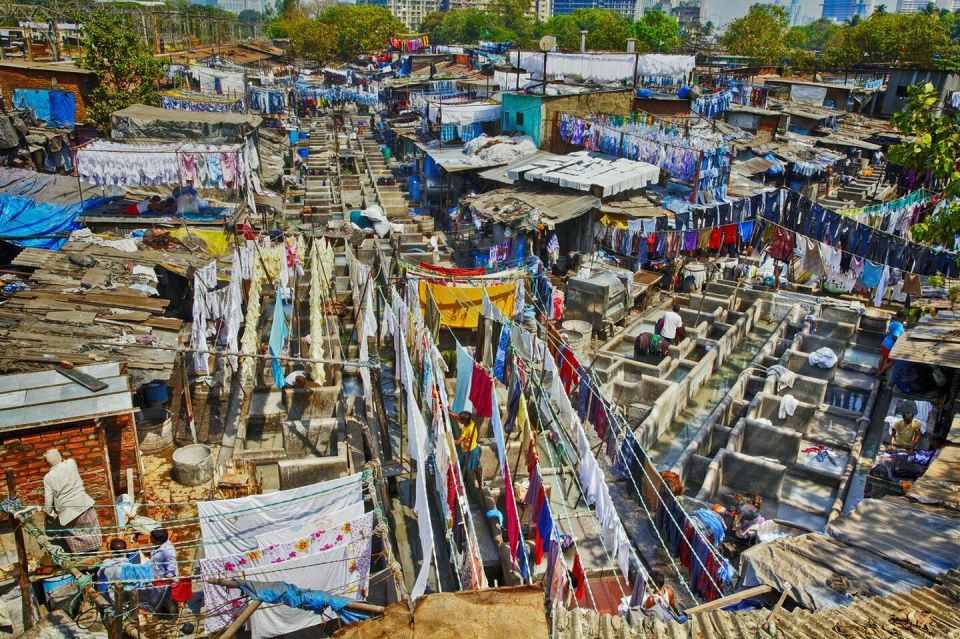
The longer route adds two experiences that shift the tone of the day. Dadar Flower Market brings color, motion, and trade. The tour includes a stop there only if you pick the 8-hour option, and that makes it feel like more than an extra photo stop. You’ll have time to see how flowers move through the city’s systems, not just how the market looks from the outside.
Dharavi is the bigger emotional and social stop. The 8-hour itinerary typically includes Dharavi, and the tour offers an option for a local guide if you want insider context. This is where your guide’s tone matters: you want respectful, practical explanations that treat the place as a real community with real work and routines—not a spectacle.
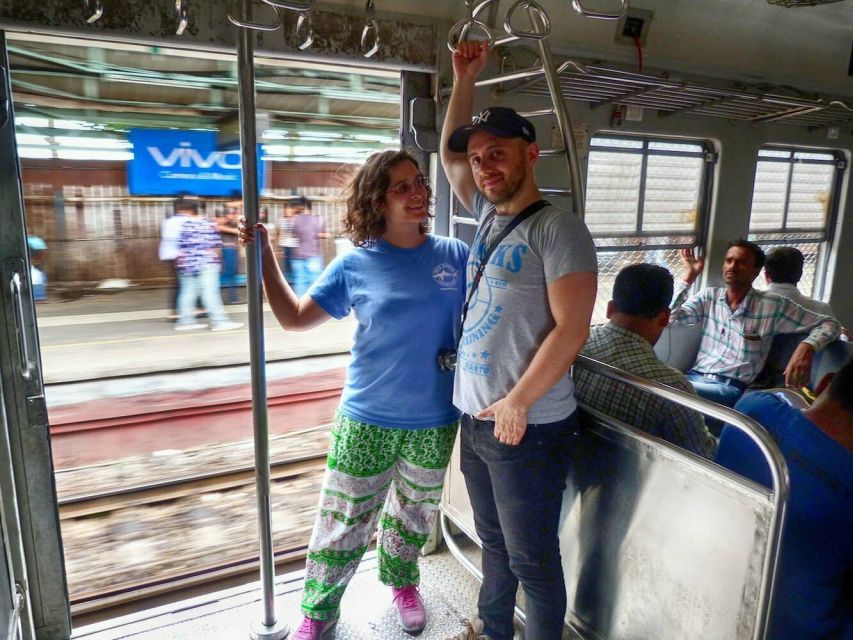
A few guides also add extra ways to move through neighborhoods during the day, including local train segments, which can help the route feel connected rather than chopped into separate boxes.
If you’re choosing between 6 and 8 hours, I think the decision comes down to this: do you want a tour that stays mostly on famous landmarks, or do you want Mumbai’s daily life and social complexity as well? The 8-hour option leans hard into the second.
Price and Logistics: Why this tour feels like a bargain
At around $10 per person, the value is strong—assuming you use the day well. You’re paying for:
- pickup and drop-off,
- an air-conditioned car with driver,
- an English-speaking guide,
- entrance fees,
- and taxes/parking fees.
That bundle matters in Mumbai because getting around efficiently (and safely) can eat time and energy fast. The AC vehicle also lowers the “cost” you pay in fatigue, which is usually what ruins a sightseeing day.
The tradeoff is time. Stops are short, and you’ll likely spend less time inside museums than you would on a standalone ticketed visit. If you love slow travel and deep reading, you might want to plan follow-up visits. If you want to see a lot and understand what you’re looking at, this price-to-output ratio is hard to beat.
Also, food isn’t included. Plan for your own snack or lunch. The guide can usually help you time breaks, but your wallet is still part of the equation.
Who This Tour Fits Best (and who should plan differently)
This tour fits best if you:
- want a first-timer orientation to Mumbai’s key areas,
- enjoy short walks plus context from a guide,
- want flexibility to spend a few extra minutes where you care most,
- and prefer not to deal with transport logistics alone.
It’s also great for solo travelers. Many people feel safer navigating Mumbai with a guide and a driver than trying to self-drive a packed day.
Who should think twice? If you’re expecting a relaxed, lingering “stay awhile” museum day, the pacing might feel too tight. Also, if you’re only interested in one or two sites, you may find it cheaper and simpler to book those separately and build a lighter day.
Should You Book This Mumbai City Sightseeing Tour?
Yes—if your goal is a high-value, well-paced overview with the option to add deeper local stops. It’s especially worth it for seeing CSMT properly, understanding Gandhi’s Mani Bhavan with context, and experiencing Dhobi Ghat in a guided, respectful way.
Before you book, match the tour to your expectations:
- pick 6 hours if you want highlights with fewer high-intensity moments,
- pick 8 hours if you want market life and Dharavi on the same day,
- wear the right shoes because the walking time is real.
If you do that, you’ll come away with more than photos—you’ll understand how Mumbai connects its famous monuments to daily work and community life.
FAQ
How long is the Mumbai guided city sightseeing tour?
It runs for 3 to 8 hours, depending on the option you choose and what you want to fit in during the day.
What are the main stops on the tour?
Common stops include the Gateway of India, Chhatrapati Shivaji Maharaj Terminus (CSMT), Crawford Market, Marine Drive, Mani Bhavan, Banganga Tank, Hanging Gardens, and Dhobi Ghat.
Is Dharavi included?
Dharavi is included on the longer 8-hour itinerary option.
Does the price include entrance fees?
Yes. Entrance fees and all taxes and parking fees are included.
Is food included?
No. Food is not included in the tour price.
Is Prince of Wales Museum included?
No, Prince of Wales Museum is not included.
Do I get an English-speaking guide?
Yes. The tour provides an English-speaking tour guide.
Is pickup available from my hotel?
Pickup is optional. If you choose it, you meet the guide/driver at your hotel lobby and should be ready at least 10 minutes before pickup time.
Where is the meeting point for cruise passengers?
Cruise passengers meet your guide at the cruise terminal. Only certain tour options are available for cruise arrivals.
Are alcoholic drinks allowed in the vehicle?
No. Alcoholic drinks are not allowed in the vehicle.