REVIEW · CITY TOURS
Mumbai: City Tour, Elephanta Caves, Dharavi Slum W/Options
Book on GetYourGuide →Operated by Amaze Tours · Bookable on GetYourGuide
Elephanta and Dharavi in one tightly guided day. I like the contrast: Elephanta Caves for ancient Shiva sculptures, then Dharavi for real work, small industries, and community pride. The best part is how local guides like Daivat on Elephanta Island and city guides such as Dawood, Maze, or Lokesh can turn famous landmarks into clear, human stories.
There is one real consideration: over 100 steps with no elevator at the caves, plus ferry rides that can feel rough depending on the day and water. If you have back pain or mobility limits, this is not the easy-going type of tour.
In This Review
- Quick hits: what makes this Mumbai mix work
- How the day runs: pickup, timing, and the ferry clock
- Gateway to CST: the city’s big landmarks, explained in plain terms
- Marine Drive, Malabar Hill, and the quieter corners worth pausing for
- Elephanta Caves by ferry: stairs, Shiva, and why a guide changes everything
- Dharavi Slum Visit: jobs, trades, and the human side of Mumbai
- Price and value: where your $32 per person can actually go
- What to bring, what to watch for, and how to pace yourself
- Should you book this Mumbai city + Elephanta + Dharavi tour?
- FAQ
- How long is the tour?
- What’s included in the tour price?
- Does every option include Elephanta Caves and hotel pickup?
- How difficult is the Elephanta Caves visit?
- What happens during monsoon season when ferries are delayed or cancelled?
- What should I bring, and is there anything I can’t bring?
Quick hits: what makes this Mumbai mix work
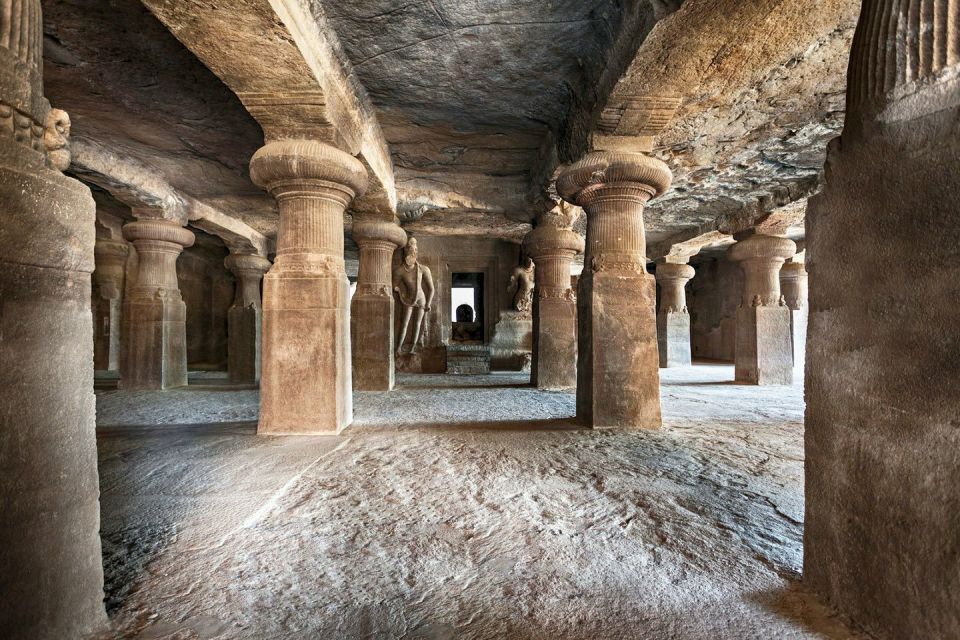
- Two UNESCO stops in one day: Chhatrapati Shivaji Maharaj Terminus and Elephanta Caves
- Local guides matter: you may get Elephanta island explanations from guides like Daivat, Dave, Harish, or Krupesh
- Ferry time is built in: plan on about an hour each way, and it can be crowded
- Dharavi is about jobs, not just poverty: pottery, leather, recycling, textiles, and everyday enterprise
- A/C comfort on the road: you ride in a private car with a driver on most options
- You’ll walk: Dhobi Ghat and Elephanta both involve stairs and compact city streets
How the day runs: pickup, timing, and the ferry clock
This tour is designed for people who want a full picture of Mumbai without trying to stitch together separate tickets, guides, and transport. Your day starts with hotel pickup in many areas (or airport pickup if you’re arriving), then it’s straight into South Mumbai’s sights. The overall time can range from 4 to 10 hours depending on which option you pick, so you should match the schedule to your energy and flight times.
The timing that affects everything is the ferry to Elephanta Island. You’ll spend about an hour each way on the water, and then about two hours inside the Elephanta Caves area with a guided walk. That means your whole day has a rhythm: city stops while you’re on land, then a set window for island time.
If you’re booking a full day that includes Dharavi, the value comes from having guides coordinate the handoffs. In practice, you’ll feel like you have three layers: a driver who knows how to move through traffic, a city guide who sets context, and an Elephanta guide who explains the carvings and symbolism at the pace you can handle.
One more real-world note: you cannot bring luggage or large bags. Pack light, and keep essentials on you. Comfortable shoes are not optional.
You can also read our reviews of more city tours in Mumbai



Gateway to CST: the city’s big landmarks, explained in plain terms
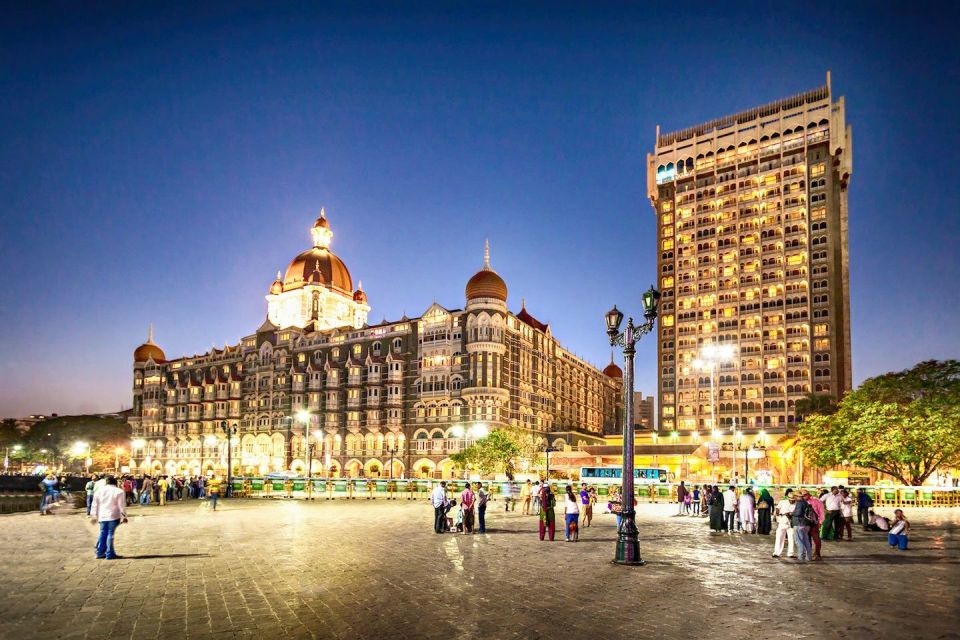
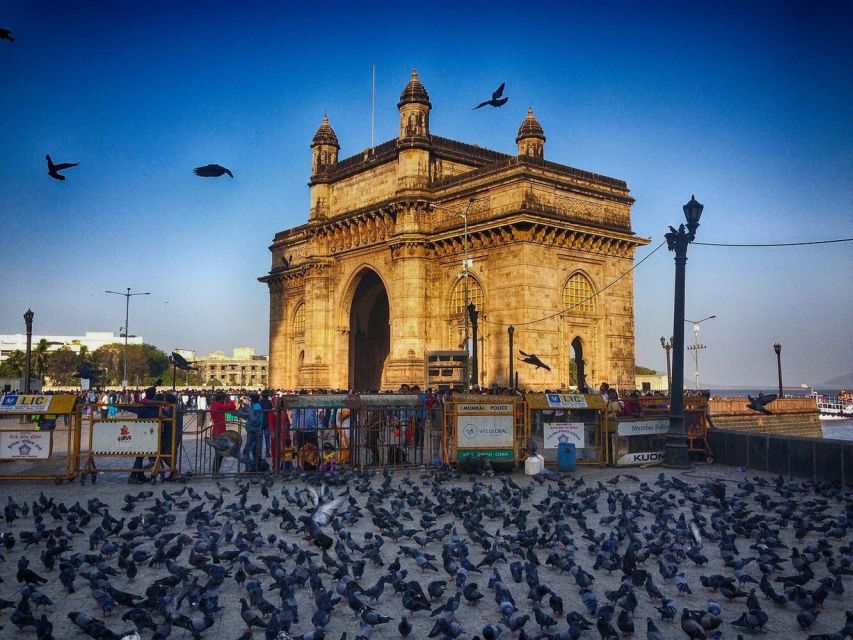
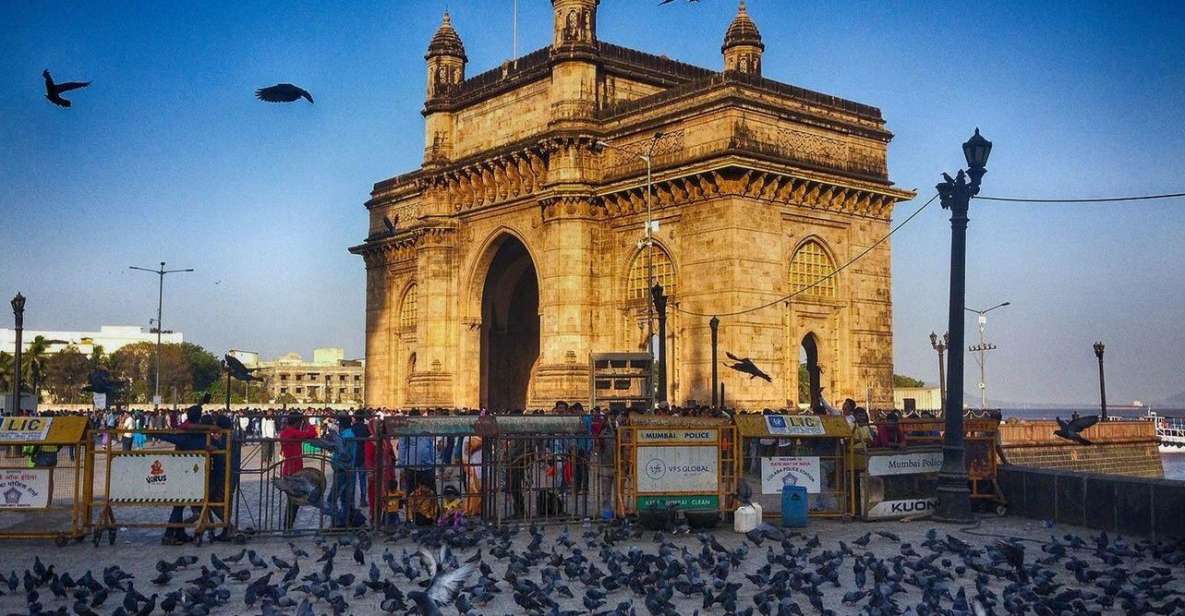
Your day often begins at the Gateway of India, the waterfront arch that acts like a postcard for Mumbai. Nearby you’ll see the Taj Mahal Palace area, which helps you understand why this city’s identity is tied to both the sea and global trade. Even if you only have a short stop, it’s a strong opening because you’re standing where the city meets the Arabian Sea.
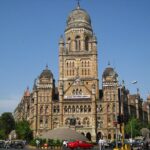
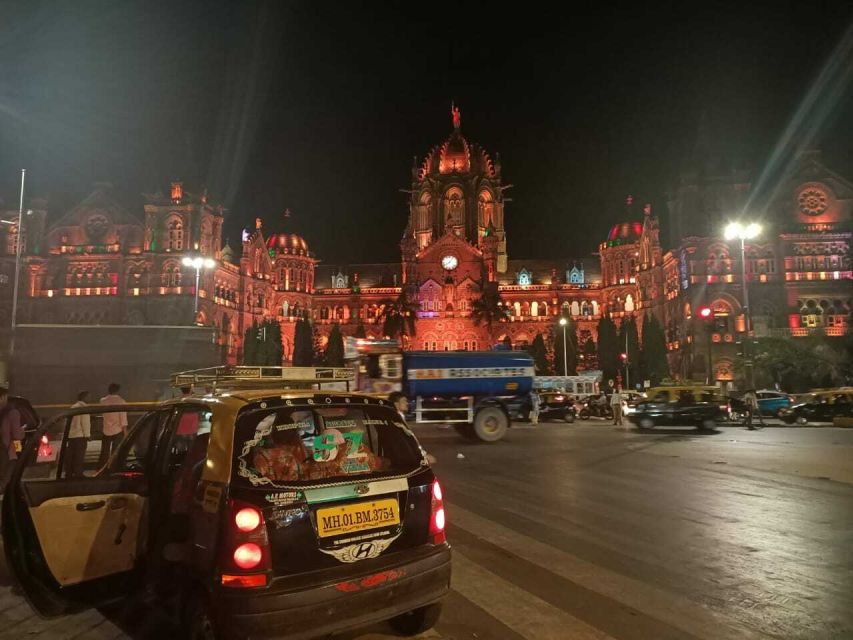
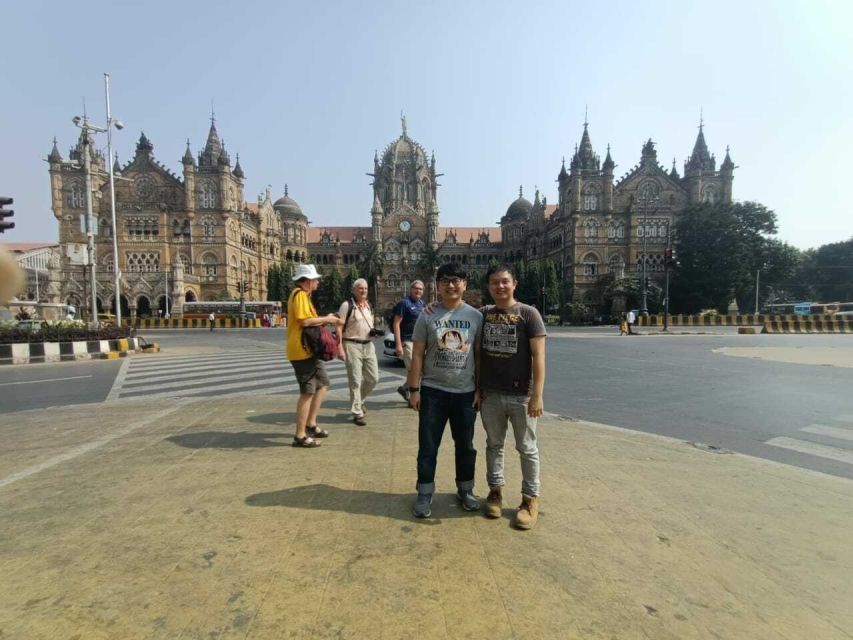
Next up is Chhatrapati Shivaji Maharaj Terminus (CST). This UNESCO site is a must because it’s not just a pretty station. You’ll get an explanation of the Victorian Gothic and Indian architectural mix, and why CST became such a powerful symbol for the city’s rail-era ambition. A quick guide here pays off, because stations are easy to walk past without noticing the details.
You may also stop at Crawford Market, which gives you a different angle than the monumental buildings. Markets feel more everyday, more hands-on, and they help connect Mumbai’s architecture to how people actually live. On many days, you also swing by places like Oval Maidan, which is useful for perspective: it’s where you can pause and see the city’s pace from a calmer open space.
The practical upside of this route is efficiency. You cover a lot of ground in one day, and you’re not stuck trying to figure out what to prioritize when you’re tired and the traffic is loud.
Marine Drive, Malabar Hill, and the quieter corners worth pausing for
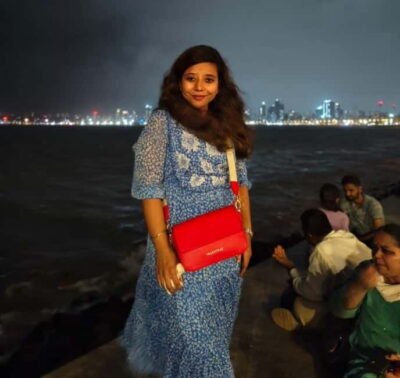
After the big hits, the tour usually slows down just enough to help you feel Mumbai instead of just collecting photo stops. Marine Drive is one of those spots. At night it’s known as the Queen’s Necklace for its curved string of streetlights, but even during daylight the coastal sweep gives you a clean visual reset.
Malabar Hill and the Hanging Gardens are a great contrast: you get panoramic views, and then you can wander through terraced greenery. This is also where you’ll appreciate a guide who knows what to point out. Panoramas are more satisfying when someone tells you what you’re looking at and how it connects to the city’s layout.
A few other stops often round out the South Mumbai story. Mani Bhavan is a short visit with a guided look, and Banganga Tank is another place where you’ll learn why water and religion are linked in Mumbai’s development. Dhobi Ghat is especially memorable because it’s active. A guided walk there is useful since laundry ghats can feel chaotic if you don’t know what you’re seeing.
You might also have a stop at a place like Delhi Darbar for a meal, depending on the pace and route chosen that day. If you’re sensitive to heat, build in a real pause. Mumbai can wear you down faster than the sightseeing schedule suggests.
Overall, these stops work because they show different Mumbai moods: seaside calm, hilltop views, historic corners, and daily work happening in real time.
Elephanta Caves by ferry: stairs, Shiva, and why a guide changes everything

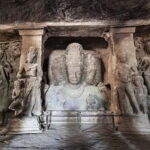
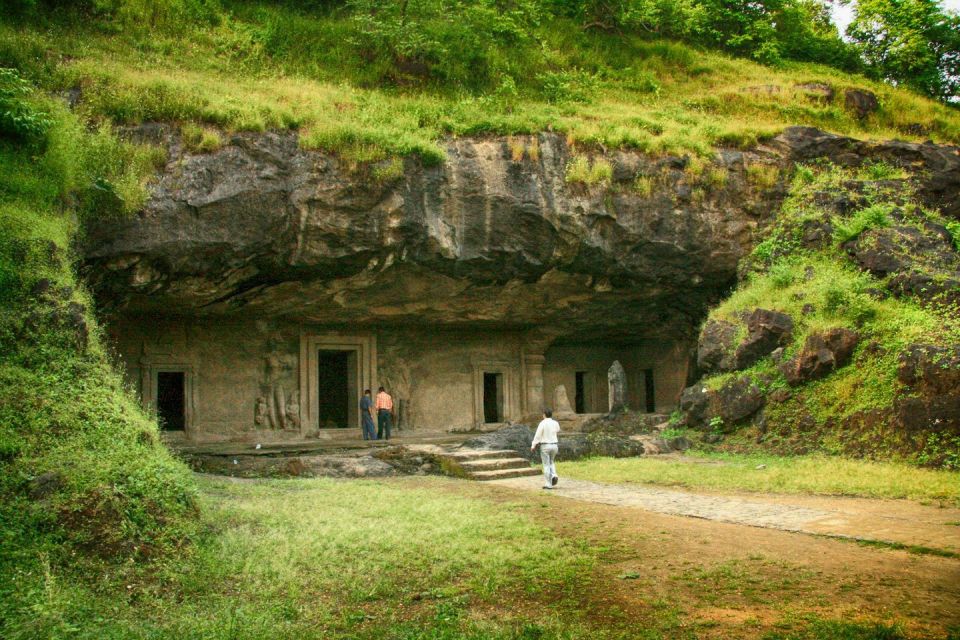
Elephanta Caves is the centerpiece for most people. The UNESCO site on Elephanta Island holds ancient rock-cut temples dedicated to Lord Shiva, including the famous three-faced Shiva sculpture. What you notice first is scale—then the more you learn, the more the carvings start to make sense.
Here’s what to expect on the ground: you’ll get ferry rides of about an hour each way, followed by guided time at the caves area. Plan for walking, sun, and stairs. There is no elevator, and you climb more than 100 steps (many days feel like around 120 steps to reach the entrance). If stairs are a problem for your body, this is the moment you’ll feel it most.
A strong Elephanta guide is worth their weight. Some guides from island time you may encounter include Daivat, Dave, Harish, or Krupesh, and they tend to focus on iconography—what each figure means and why it’s carved the way it is. You’ll also get help with pacing and photo timing. In a few cases, guides even step in to help with camera moments if you need it.
The ferry itself deserves a reality check. It can be rough, and it can feel longer than you expect when you’re in hot weather or dealing with crowds. If you get motion sick, I’d treat this as a forecast, not a surprise. Bring what works for you (sea-sickness medication is a common approach for people who know their limits).
Finally, the pacing matters. You’re given about two hours at the caves, so it’s not rushed like a cattle-call circuit. Still, it’s not a slow stroll either. Your best strategy is to wear good shoes, hydrate, and tell your guide early if you need a break.
Dharavi Slum Visit: jobs, trades, and the human side of Mumbai
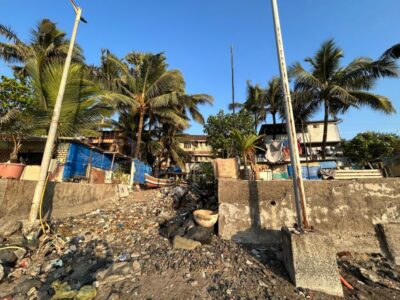
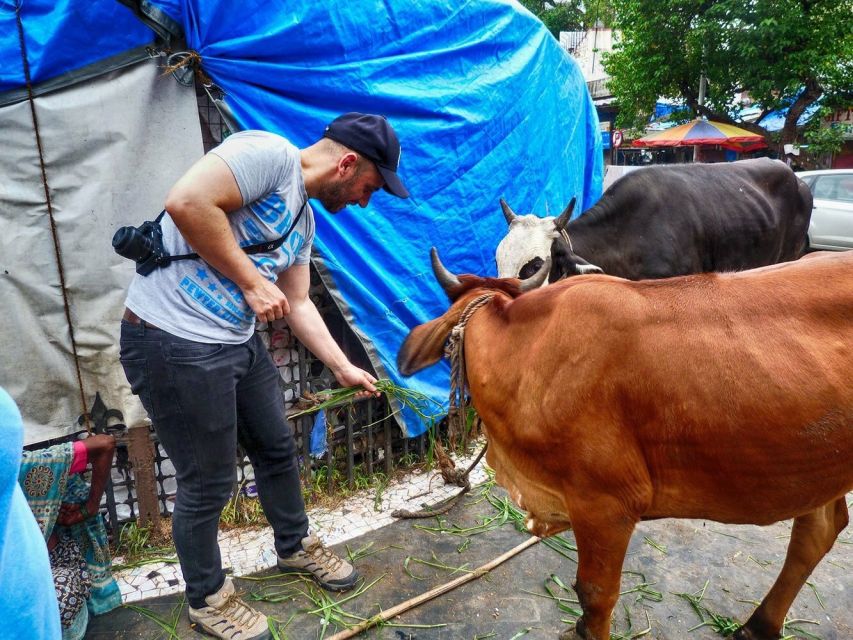
Dharavi is one of the most misunderstood stops in India. In this tour, it’s handled as a guided walk into the working side of the neighborhood—small-scale industries and day-to-day enterprise—rather than as a checklist of poverty imagery.
What you can expect is a focus on how people earn a living and how local industries run. Depending on the route and guide, you may see or discuss trades like pottery, leather work, recycling, and textiles. The point isn’t just what exists; it’s the organization behind it. A good guide connects that work to community networks, strong daily routines, and an entrepreneurial mindset.
Some guides you might be paired with include Dawood and Dinesh, and you may hear stories and examples that make the place feel less like an abstract headline and more like a living neighborhood. In a few experiences, guides also used creative ways to keep the visit manageable, such as using local transport to reduce unnecessary walking when someone is tired.
Dharavi tours can also include visits around local workshops and community spaces, and sometimes a stop connected to laundry operations (like the open-air laundry area) shows how labor fits into family life. The practical value is that your understanding changes from outside assumptions to inside logic. You start noticing systems: how goods move, how people share resources, and why certain crafts survive.
Do be aware of the emotional weight. Even when the tone is respectful and grounded, this part of the day can hit harder than the monuments. If you’d like a lighter experience, you can still enjoy the tour by staying focused on the work you see and the explanations you’re given.



Price and value: where your $32 per person can actually go
At around $32 per person, the big question is simple: what are you paying for, and what’s included versus optional? The tour is private, includes an expert English-speaking guide, and most options include ferry tickets to and from Elephanta plus the Elephanta entrance fees and village taxes. That alone is usually the heart of the cost.
On top of that, you’re getting a private AC vehicle with a driver on options that include transport. It’s not just comfort. In Mumbai traffic, a driver who knows the move saves time and reduces stress. That makes the day feel like a plan instead of a scramble.
Dharavi can be included if you choose the all-inclusive full day option. When Dharavi is in the schedule, you’re not just paying for one attraction. You’re paying for coordination: getting between far-flung stops, handing off to local guides at the right moments, and keeping the day readable instead of chaotic.
One caution: not every option includes everything. Some half-day formats exclude hotel pickup and/or the Elephanta portion. Before you commit, check that your chosen option matches the day you want—especially if Elephanta Caves is your main priority.
In value terms, this tour makes the most sense when you want a tight, guided overview across multiple parts of Mumbai in one shot, and you appreciate having local experts explain the why behind what you’re seeing.
What to bring, what to watch for, and how to pace yourself
This tour asks for basic readiness. Bring comfortable shoes you can climb in, plus sunglasses and a sun hat. You’ll be outside for parts of the day, and the sun plus stairs in Elephanta can add up quickly.
Water helps. I also recommend keeping a small amount of cash on hand for small purchases if that’s your style, since local markets can tempt you. If you’re the type who dislikes tipping confusion, it’s smart to know that some guide experiences can involve expectations around tips. If you’re unsure what’s normal, ask your guide politely what’s appropriate for your situation, and follow your own comfort level.
Mobility matters. The caves have no elevator and involve a staircase climb, and the tour is not suitable for people with back problems or mobility impairments. Also, be aware that during monsoon season (July to mid September), ferries can be delayed or cancelled due to strong winds. If that happens, you’ll either be offered Kanheri Caves as an alternative in Mumbai or receive a refund of 30%.
Heat and fatigue are real too. If you’re traveling after a long flight, plan to take breaks. A good guide will adapt the pace, and some experiences include flexibility about shortening garden or walking segments when someone needs to recharge.
Packing advice is practical: no large bags or luggage. Keep your day bag small so you’re not fighting with crowd flow at ferries and in tight city spots.
Should you book this Mumbai city + Elephanta + Dharavi tour?
Book it if you want a one-day overview of Mumbai that connects the famous with the everyday: UNESCO grandeur at CST and Elephanta Caves, plus a guided look at Dharavi’s trades. It’s also a strong pick when you’re short on time and prefer private transport with guide handoffs that keep the day organized.
Pass or pick a simpler option if stairs are a deal-breaker for you, if ferry rides make you very uncomfortable, or if you’d rather explore fewer neighborhoods at a slower pace. If Elephanta is non-negotiable, make sure you choose an option that includes it, and build your expectations around the staircase climb.
If you match the tour to your stamina and you show up with good shoes and sun protection, you’ll leave with a Mumbai story that feels grounded, not generic.
FAQ
How long is the tour?
The duration can range from 4 to 10 hours depending on the option you select and your starting time availability.
What’s included in the tour price?
It’s a private tour with an English-speaking expert guide. Many options include a private AC car with driver, ferry tickets to and from Elephanta (plus Elephanta entrance fees and village taxes), and a Dharavi tour if you choose the all-inclusive full day option.
Does every option include Elephanta Caves and hotel pickup?
No. Elephanta is not included if you choose the Mumbai Half day sightseeing Tour. Hotel pickup and the city tour aren’t included if you choose the Half-Day Elephanta Tour from Meeting Point.
How difficult is the Elephanta Caves visit?
There is no elevator at the caves. You climb more than 100 steps to reach the top and entrance area.
What happens during monsoon season when ferries are delayed or cancelled?
From July to mid September, strong winds can delay or cancel ferries. In that case, you’re offered either a visit to Kanheri Caves or a refund of 30%.
What should I bring, and is there anything I can’t bring?
Wear comfortable shoes and bring sunglasses and a sun hat. Luggage or large bags are not allowed.