REVIEW · KANHERI CAVES & PAGODA TOURS
Mumbai: Private Kanheri Caves Guided Tour
Book on GetYourGuide →Operated by Beautiful Bombay Tours · Bookable on GetYourGuide
A quiet cave walk in Mumbai feels unreal. You trade street noise for Kanheri’s 1st-century Buddhist carvings cut into basalt rock, far inside Sanjay Gandhi National Park. I really like that the tour is private and structured, so you’re not just wandering among caves without context.
What I love second: the guide points out the big visual hits and the quieter details, like the towering Buddha figure and the serene meditation cells monks used in daily life. The main drawback is timing. On very busy days, park entry lines can stretch (one guide-highlighted experience even had over an hour of queuing), so you’ll want buffer if you’re traveling during major holidays.
In This Review
- Key highlights at a glance
- Kanheri Caves in Sanjay Gandhi National Park: What Makes Them Worth the Trip
- A quick note on expectations
- The Private Drive from Mumbai: Time, Comfort, and Getting There
- Your Guided Walk Through the 109 Basalt Caves
- Guides you might be paired with
- Highlights Inside: Buddha Figure, 34 Pillars, and Avalokiteshwara
- How to make these highlights land emotionally
- Inscriptions in Multiple Scripts: What They Tell You
- A small “how to look” trick
- Meditation Cells: Seeing Monks’ Daily Life in Stone
- What to bring mentally
- Timing and Crowds at the Park Entrance: Avoiding the Friction
- Price and Value: Is $21 Worth It for Kanheri Caves?
- Who This Tour Fits Best (And Who Might Prefer Another Plan)
- Best match for time-poor travelers
- Should You Book This Kanheri Caves Private Tour?
- FAQ
- How long does the Kanheri Caves private guided tour take?
- Is hotel pickup and drop-off included?
- What does the tour include?
- What is not included in the price?
- Where do I meet the guide?
- Do I need to buy entry tickets separately?
- Is the tour private?
- What language is the live tour guide?
- What should I bring?
- FAQ
- Can I cancel for a refund?
- Is there a way to book without paying immediately?
Key highlights at a glance
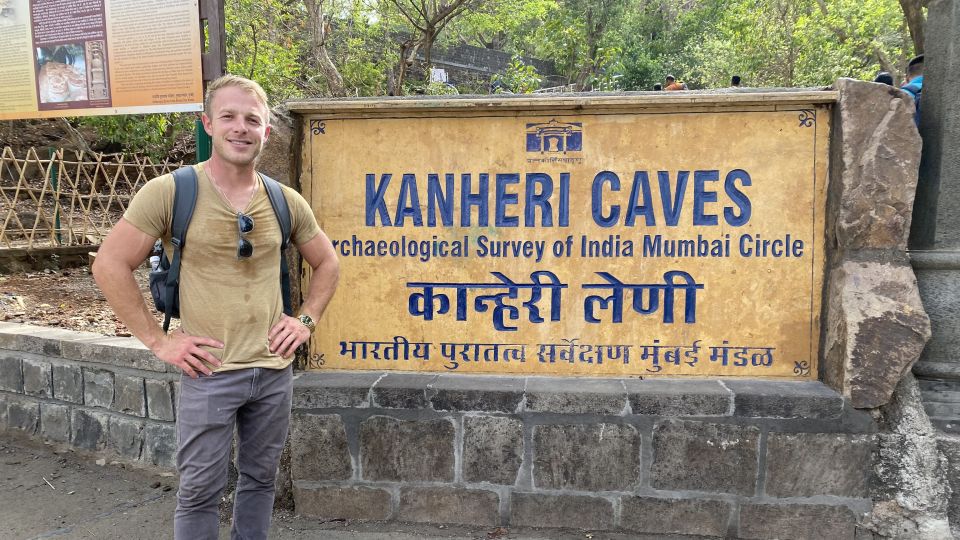
- Private, guided cave circuit: Your guide focuses your time on the most meaningful caves (about five) instead of leaving you to guess what matters.
- 109 basalt caves in one park: A huge rock complex with both resting viharas and worship chaityas.
- Buddha art you can’t miss: Including the 7-meter Buddha and carved pillars inside the main hall area.
- Inscriptions across scripts: You’ll see around 100 inscriptions, with scripts like Brahmi, Devnagri, and Sanskrit noted on the tour.
- Meditation cells for everyday spirituality: The layout helps you understand how monks lived and practiced, not just what they built.
Kanheri Caves in Sanjay Gandhi National Park: What Makes Them Worth the Trip
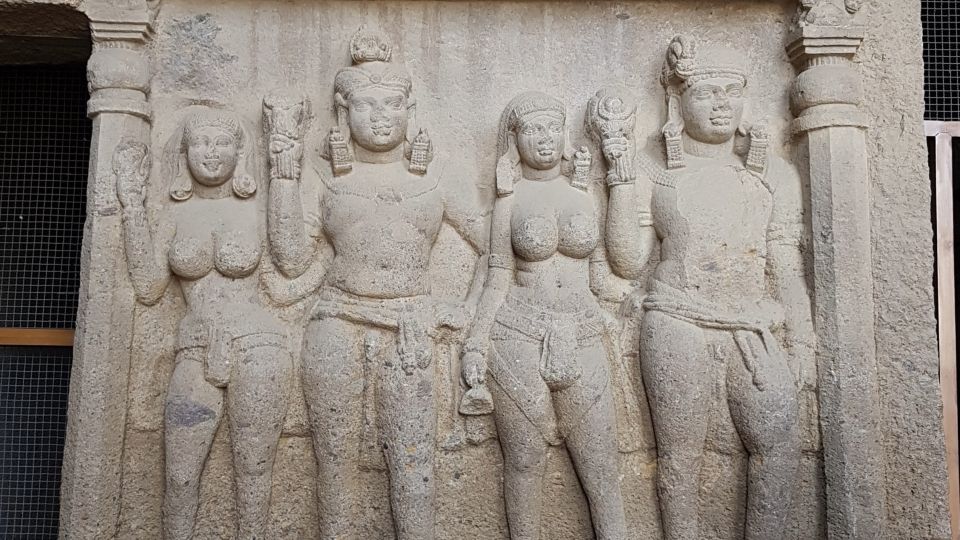
Kanheri Caves are one of those places where the setting does half the work. You’re in Mumbai, but you’re also in a national park—so the drive gives you a mental shift before you even buy a ticket for the caves area. Once you’re inside, the caves don’t feel like a quick stop. They feel like a working spiritual zone, carved straight out of a massive basalt rock outcrop.
The scale is part of the appeal. There are 109 caves total, carved from the rock. Within that, you’ll see the two main types you should keep in mind while you walk: viharas (smaller caves used as resting places for monks) and chaityas (larger caves used for worship, with carved sculptures and ornamentation). Your guide’s job here is to help you read those differences so you understand what you’re looking at, instead of just checking boxes.
I also like the way Kanheri connects art to real daily rhythm. Some stops emphasize worship halls and big figures, while others emphasize the quieter cells where meditation happened. When you can see both, you get a more complete picture of how a monastic community lived.
You can also read our reviews of more guided tours in Mumbai

A quick note on expectations
This is not a museum-style “single-room masterpiece.” You’ll walk through a network of cave spaces, guided and then partly self-guided, so comfortable shoes matter more than you might think.
The Private Drive from Mumbai: Time, Comfort, and Getting There
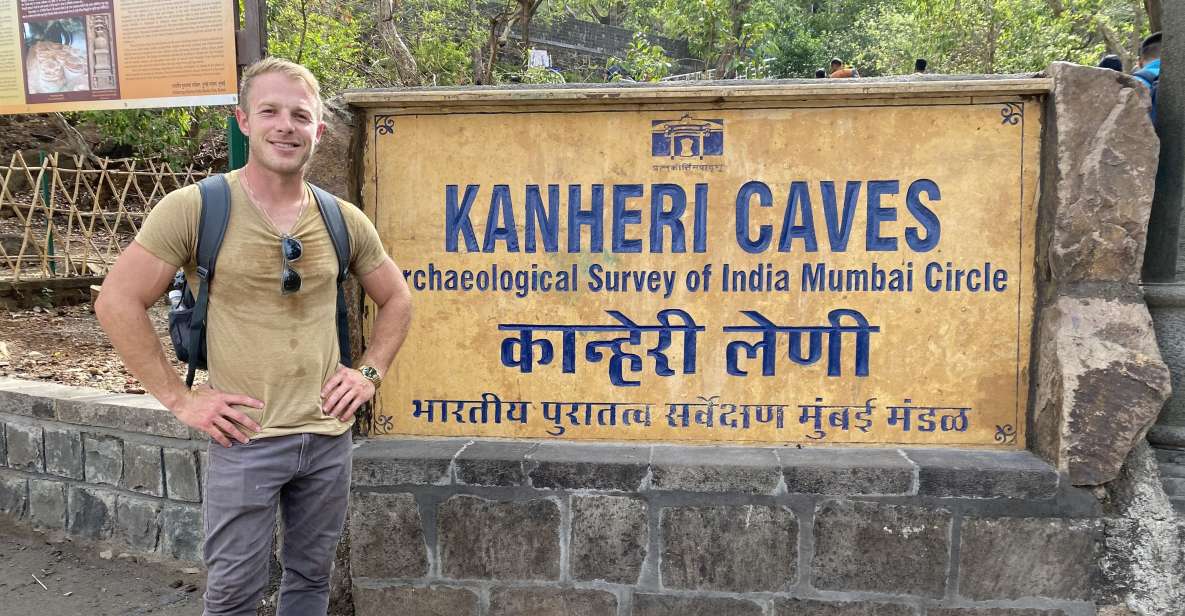
This tour is designed around one simple goal: you shouldn’t spend your morning fighting transport logistics. You can get hotel pickup and drop-off, and you’ll ride in an air-conditioned car with an English-speaking guide. That’s a big deal in Mumbai traffic, because it turns your cave day into a smooth schedule instead of an all-day chase.
The drive to the Kanheri area is typically about 1 to 1.5 hours, depending on where you’re staying and how traffic behaves that day. The practical value here is that you can focus on the tour once you arrive, instead of using your energy to reach the park.
You’ll want to pay attention to the start point: the tour begins at the entrance of Sanjay Gandhi National Park near the ticket counter. If pickup is optional in your package, wait in your hotel lobby about 5 minutes before your scheduled pickup time so you don’t miss the window.
If you’re a planner type, here’s the timing reality to keep in mind: the full tour runs 2.5 to 5 hours, depending on your chosen start time and how long you spend walking inside. That flexibility is useful if you want to keep the day light, or if you want extra slow time for photos and reading inscriptions.
Your Guided Walk Through the 109 Basalt Caves
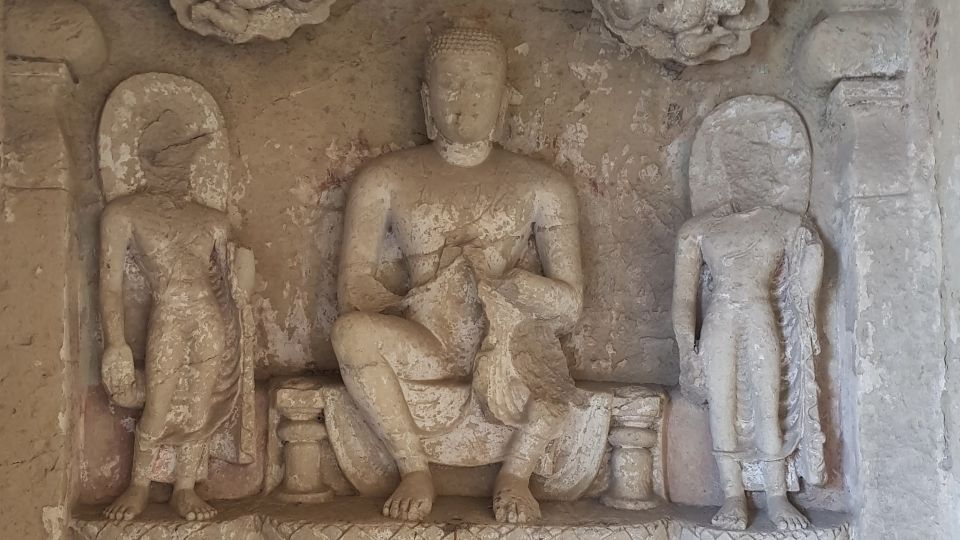
Inside Kanheri, the best tours don’t try to show you every cave in the whole park. That’s impossible in a half-day. Instead, you get a guided highlight route: your guide leads you through the most important caves (about five caves) and explains what you’re seeing.
That “small number of stops” approach is exactly why this style of tour works. If you try to do everything unguided, you can end up feeling overwhelmed, and you won’t learn the vocabulary that makes the caves meaningful. With guidance, you start recognizing patterns—where the worship spaces are, where the resting spaces are, and why certain sculptures and layouts exist.
The walk itself matters. These are cave interiors with changing light and uneven surfaces. Even if the distance isn’t huge, your feet will feel it. Plan for a steady pace and stop when your guide points out key features. Then, you’ll have some free time to explore and wander on your own, which is your chance to linger around the inscriptions or pick a favorite meditation cell.
Guides you might be paired with
The tour description is set up for English-speaking guidance, and the experiences shared include guides like Nikhil, Sunil, and Sahil being praised for friendliness, depth of explanation, and being engaged throughout. In real terms, that usually means you’ll get more than a script. You’ll ask questions and actually get answers that connect art, ritual, and monastic life.
You can also read our reviews of more private tours in Mumbai





Highlights Inside: Buddha Figure, 34 Pillars, and Avalokiteshwara
When people think of Buddhist cave art, they often picture big statues or temple-like halls. Kanheri delivers both, and it’s useful to know what the main visual targets are before you walk in.
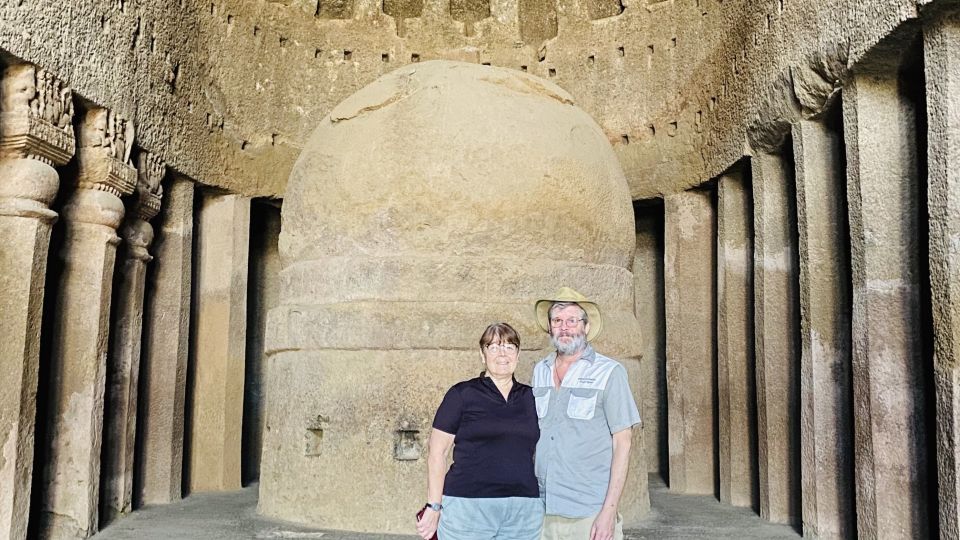
One of the headline features inside the main hall area is a 7-meter-high figure of Lord Buddha. That scale is hard to appreciate from a distance. Up close, it makes the whole space feel devotional, not just historical.
You’ll also see a colonnade of 34 carved pillars around that central hall. This is where the architecture starts doing storytelling. Those pillars frame the worship area and give you a sense of formal design—like the cave space was planned for repeated visits, not a one-time construction project.
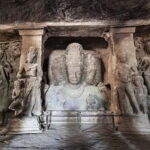
Then comes another detail that grabs attention fast: the eleven-headed Avalokiteshwara. If you’ve seen Avalokiteshwara iconography before, you’ll recognize the theme immediately: compassion made visible through multiple heads. If you haven’t, your guide should help you connect what you’re seeing to the cultural meaning of the figure rather than treating it like a decorative oddity.
How to make these highlights land emotionally
Here’s my practical advice. When you see the Buddha figure and the pillar colonnade, pause longer than you think you need. Look up, then look around. The height and the framing make the space feel intentional. After that, shift your attention to the smaller cells and inscriptions—otherwise the day becomes only “big sights,” and you miss the quieter, more human side of monastic life.
Inscriptions in Multiple Scripts: What They Tell You
The inscriptions are one of the most valuable reasons to book a guided visit here. The caves are old, but inscriptions turn old stone into a record of people. You’ll encounter around 100 inscriptions in different scripts, including Brahmi, Devnagri, Pallavi, and Sanskrit.
Why should you care? Because script variety tells you Kanheri wasn’t sealed off in time. It suggests interactions, teaching traditions, donations, and the spread of literacy across communities. Even if you can’t read the language directly, the act of seeing multiple scripts together makes the place feel lived-in and connected.
This is also where a good guide earns their pay. They can point out why certain inscriptions appear where they do and what you should notice visually—carving style, placement, and how the text relates to the cave space. Without that context, inscriptions can feel like background noise. With it, they become evidence.
A small “how to look” trick
When you reach an inscription, don’t sprint past. Stand at an angle where the carving shadows show up. Then read the guide’s cues, even if you’re not reading the script yourself. You’ll start noticing depth and workmanship, not just characters.
Meditation Cells: Seeing Monks’ Daily Life in Stone
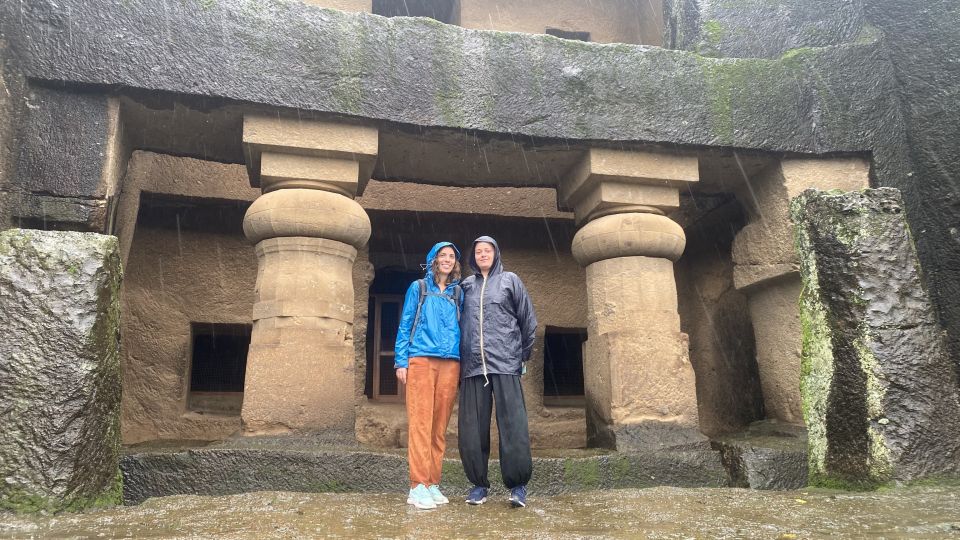
The meditation cells are the part of Kanheri that tends to make people slow down. You’ll hear about them as spaces used for monk life—smaller cave units that feel quieter and more enclosed than worship halls.
Even without perfect understanding of every iconographic detail, the layout helps you imagine routine: where monks would rest, where practice would happen, and how communal spaces connect to more private ones. Your guide’s route helps you move from the larger ritual areas toward these calmer cells so you feel the contrast.
This is also where private guiding matters. If you’re in a group, it’s easy to rush. Here you can keep a gentler pace in the areas that need it. And because you’ll have a bit of free time afterward, you can circle back to the cell features that made the biggest impression.
What to bring mentally
Go into the meditation zones ready to think less about pictures and more about atmosphere. The goal isn’t just to photograph stone. It’s to recognize that these spaces were designed for repetition: sitting, listening, waiting, and practicing.
Timing and Crowds at the Park Entrance: Avoiding the Friction
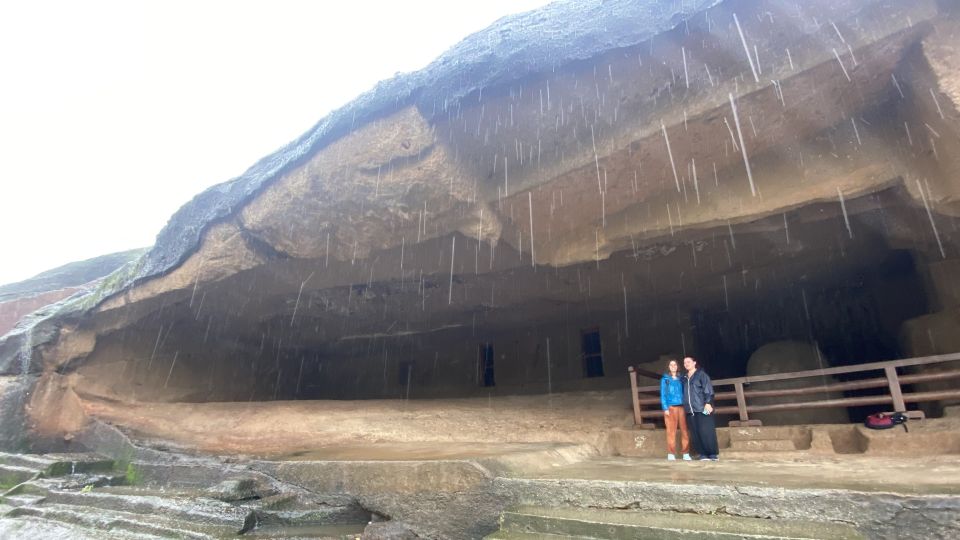
Kanheri Caves are popular, and that affects what your experience feels like at the start. A big detail from the shared experiences: 1 January was extremely busy, resulting in long queues over an hour before entering the park. That kind of slowdown changes the mood of the day.
So here’s how you protect your time. If your trip coincides with major holidays, don’t assume the tour time will feel fast and smooth. Add extra buffer so the cave walking still feels calm even if entry is delayed. Your guided route can only work as well as your arrival timing.
Also consider the common trap: arriving impatiently. If you go in tense, you’ll rush. If you go in prepared, you’ll still enjoy the inscriptions and the meditation cells, which are the moments that require patience.
Price and Value: Is $21 Worth It for Kanheri Caves?
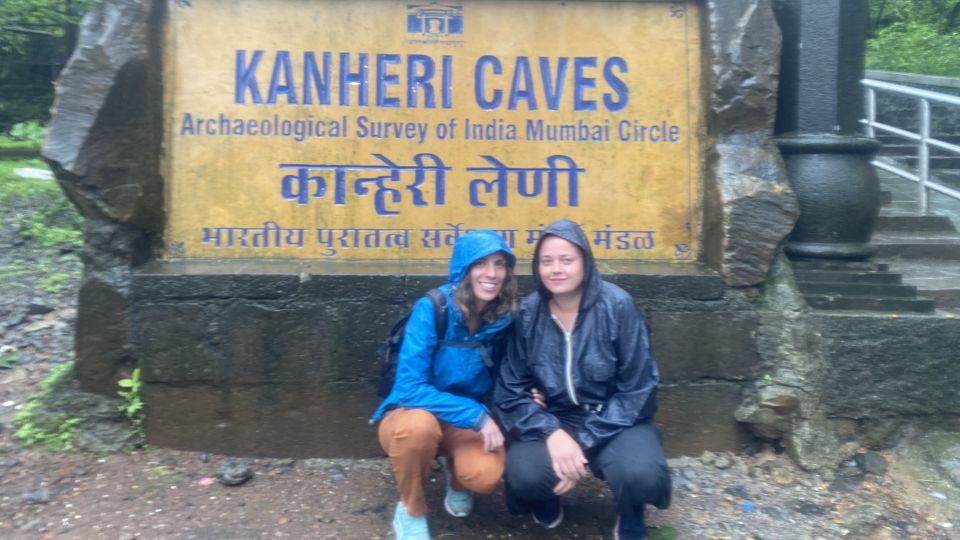
Let’s talk value honestly. The price is $21 per person, for 2.5 to 5 hours with hotel pickup and drop-off, an English-speaking guide, and an air-conditioned car.
The big “value” logic is simple: transport and guided interpretation are often what make historical sights worth the money. Kanheri is not just a random monument. It’s a cluster of cave spaces, and scripts and iconography are easier to understand when someone guides you through the meaning.
What’s not included matters too. Entry tickets are not included and are listed as approximately INR 500. Food and drinks are also not included. So you should budget for those separately, especially if your tour timing overlaps a meal.
Where the math usually lands: if you’re coming from farther away in Mumbai, or you’d otherwise spend time arranging local transport, the included pickup and car often feels like savings rather than an add-on. If you’re the type who learns best by asking questions, paying for an English guide is usually worth it here.
Who This Tour Fits Best (And Who Might Prefer Another Plan)
This private guided tour is a good match if you want structure without the stress. You’ll enjoy it if you like:
- Clear explanations of what you’re looking at
- A guided highlight route rather than trying to plan caves yourself
- A mix of major statues and quieter meditation spaces
It may be less ideal if you prefer purely independent travel with no guide. The inscriptions and script variety are exactly the parts where guidance helps most. Without it, you might enjoy the visuals, but miss some of the meaning.
Best match for time-poor travelers
If you only have a half-day in Mumbai and want something distinctly different from beaches and city streets, Kanheri works. It gives you cultural depth plus nature-driven pacing inside the national park setting.
Should You Book This Kanheri Caves Private Tour?
Yes, you should strongly consider booking if you want a smoother day, an English guide, and a focused cave route that doesn’t waste your time. The mix of Buddha imagery, pillars, Avalokiteshwara, and inscriptions across multiple scripts is the kind of combination that becomes far more rewarding with context. Add pickup, drop-off, and an air-conditioned ride, and the tour starts making sense as a practical value.
Book with a small caution if you’re traveling during peak holiday periods. If you’re rolling the dice on entry lines, you’ll want that buffer so you don’t lose the calm feeling that makes the meditation cells special.
If you want a half-day in Mumbai that feels like a real change of world, this tour is an easy yes.
FAQ
How long does the Kanheri Caves private guided tour take?
The tour duration is listed as 2.5 to 5 hours.
Is hotel pickup and drop-off included?
Yes. Hotel pickup and drop-off are included in the tour.
What does the tour include?
It includes hotel pickup and drop-off, an English-speaking guide, and an air-conditioned car.
What is not included in the price?
Entry tickets (approx INR 500) and food and drinks are not included.
Where do I meet the guide?
Meet your guide at the entrance of Sanjay Gandhi National Park near the ticket counter.
Do I need to buy entry tickets separately?
Yes. Entry tickets are not included and are listed at approximately INR 500.
Is the tour private?
Yes. A private group is available.
What language is the live tour guide?
The live tour guide provides English.
What should I bring?
Wear comfortable shoes.
FAQ
Can I cancel for a refund?
Yes. Free cancellation is available up to 24 hours in advance for a full refund.
Is there a way to book without paying immediately?
Yes. Reserve now and pay later is available, so you can book your spot and pay nothing today.