REVIEW · MUMBAI
Mumbai: Local Transport & Dabbawallah Tour
Book on GetYourGuide →Operated by Reality Tours and Travel Private Limited · Bookable on GetYourGuide
Mumbai makes sense on the commuter circuit. I love the way you ride the suburban train and hop buses and taxis like locals, and I love seeing the dabbawallah lunch system at Churchgate, up close. This is a small-group, working-day tour that trades skyline photos for the pace of real life.
The possible downside is the tight timing. Some stops are more quick looks and photo breaks than slow wandering, so if you want to linger at every market, plan for a bit of a rush.
In This Review
- Key things you’ll notice on this tour
- Why this tour feels more real than a standard Mumbai day
- The meeting points and the first ride: getting oriented fast
- Chhatrapati Shivaji Maharaj Terminus (CSMT): a quick stop with big energy
- The suburban train segment: where the city becomes your guide
- Dadar Flower Market: color, scale, and fast footwork
- Dhobi Ghat: a photo stop that shows labor in plain view
- Black-and-yellow taxi time: fast movement in chaotic traffic
- Churchgate and the dabbawallah in action: the tour’s emotional center
- Chor Bazaar: flea-market energy and bargaining reality
- The viewpoint walk: a breather before you head out
- Ending at Churchgate: closing the loop with the city’s workflow
- Price and value: $31 for real transit, real markets, real work
- Best fit: who will enjoy this most
- A balanced look at pacing and guide quality
- Before you go: practical prep that actually helps
- Should you book the Mumbai Local Transport & Dabbawallah Tour?
- FAQ
- How long is the Mumbai Local Transport & Dabbawallah Tour?
- How much does the tour cost?
- What transport do we use during the tour?
- Which sights and markets are included?
- Is the tour fully guided in English?
- Is hotel pickup or drop-off included?
- What’s included in the price besides the guide?
- Is food included?
- Is the tour suitable for strollers or prams?
Key things you’ll notice on this tour
- Suburban train rhythm, not just sightseeing: You get to feel how Mumbai moves when people head out.
- Markets with purpose: Dadar flower color, Dhobi Ghat’s laundry workflow, and Chor Bazaar’s chaos each teach a different side of the city.
- Dabbawallah lunch logistics at Churchgate: You’ll see the system in action where it connects.
- A mix of transport styles: Public bus, rail, and black-and-yellow taxis keep you on different “Mumbai lanes.”
- Small group feel: Up to 6 people makes it easier for the guide to manage crossings, photos, and boarding.
- Strong guide support in English: Some guides like Hitesh get praised for clear English and solid organization.
Why this tour feels more real than a standard Mumbai day
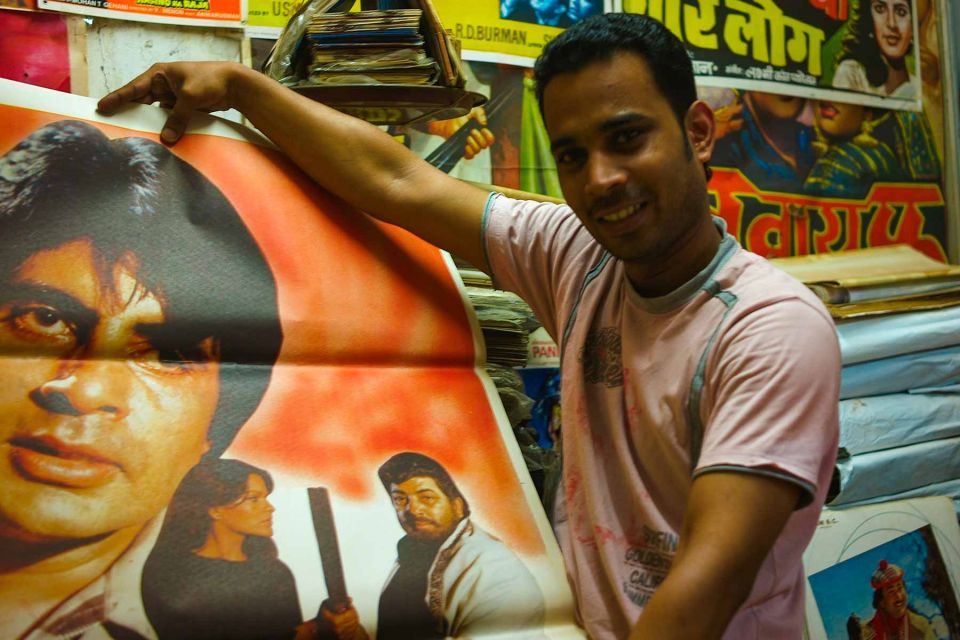
Most Mumbai tours focus on monuments and big backdrops. This one does the opposite. You start moving with the city, using the same kinds of transit that carry office workers, shop employees, and everyday families. That matters because Mumbai is a place where your experience changes fast once you’re riding rather than standing.
You also see how labor shows up in the city’s everyday systems. The dabbawallah network is the headline, but it isn’t alone. Markets, laundry, and commuter stations all show the same truth: someone is always doing the next step, on schedule, with pressure on them. That’s why the tour’s message lands. You don’t just learn the concept; you watch the choreography.
It’s also good value. At about $31 per person for 3.5 hours with local transport and a local English-speaking guide, you’re paying less than you would for most private Mumbai outings that don’t include as much transit. The trick is to show up ready to walk and move—this isn’t a sit-down tour.
You can also read our reviews of more tours and experiences in Mumbai.



The meeting points and the first ride: getting oriented fast
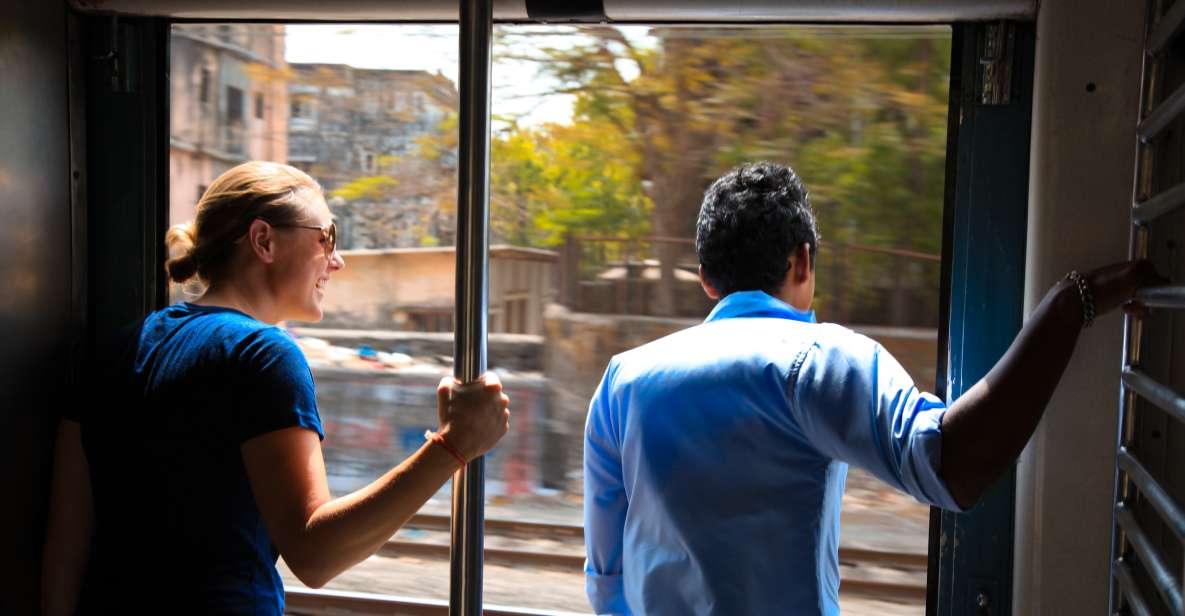
The meeting point can vary depending on which start option you book, and the tour begins with a short segment of public transport (about 15 minutes). That early motion is helpful. You get oriented to how locals board, where people cluster, and how the guide keeps the group together.
Timing is part of the design. You’re out in the morning flow, so you’re not only visiting places—you’re witnessing the daily rush of the working day. If you’re the kind of traveler who likes getting your bearings fast, this format works well.
Practical note: wear comfortable shoes. The tour is not suitable for prams or strollers, and you’ll be doing walks and boarding in busy areas.
Chhatrapati Shivaji Maharaj Terminus (CSMT): a quick stop with big energy

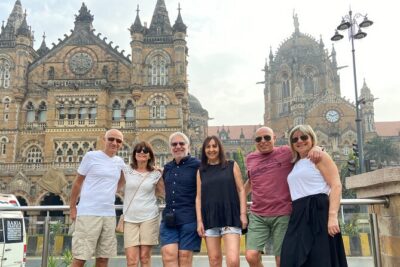
Next up is Chhatrapati Shivaji Maharaj Terminus (CSMT). You get a brief sightseeing window (around 10 minutes). It’s a classic Mumbai anchor, but the value here isn’t lingering in a museum-like way. It’s the contrast: you’re about to board and move again, so CSMT works as a launchpad.
A short visit also helps manage expectations. This isn’t a slow architecture tour. It’s a “see it, then get going” stop. If you want longer time at CSMT, keep that in mind and maybe plan a second visit later on your own.
The suburban train segment: where the city becomes your guide
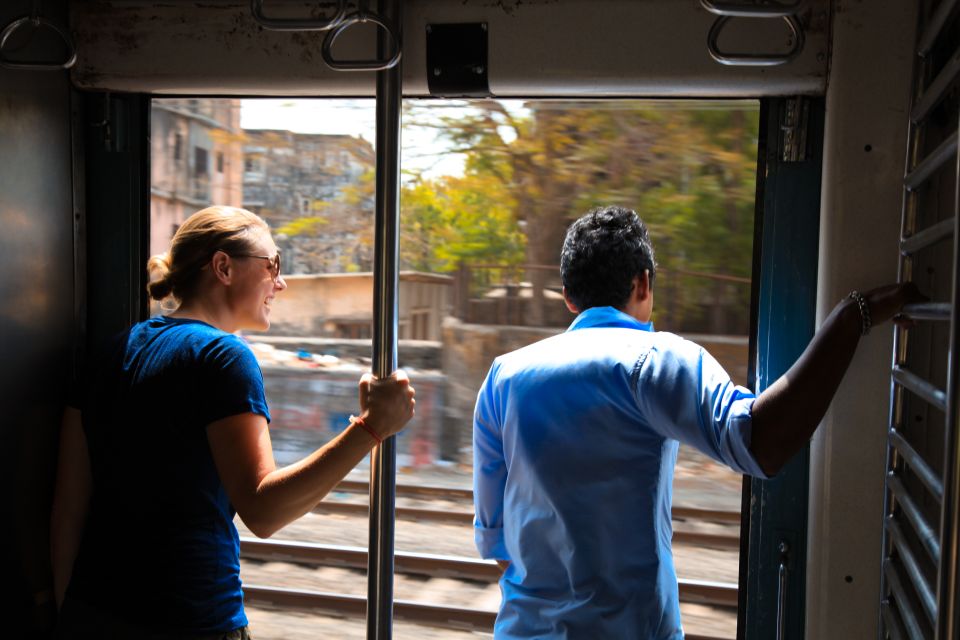
One of the strongest parts of this experience is the suburban train ride (about 15 minutes, then you ride again later for another short segment). This is the heart of the tour because it turns Mumbai into motion.
You’ll watch commuters shift positions, find seats or standing spots, and move with practiced routine. The train also acts like a moving viewpoint—people-watch without feeling like you’re intruding. And because you’re on a guided route, you’re not stuck figuring out the logistics on your own.
Tip for enjoyment: keep your phone and camera accessible, but don’t block your view for boarding. The guide is managing the group rhythm, so you’ll get the right moments without slowing everyone down.
Dadar Flower Market: color, scale, and fast footwork
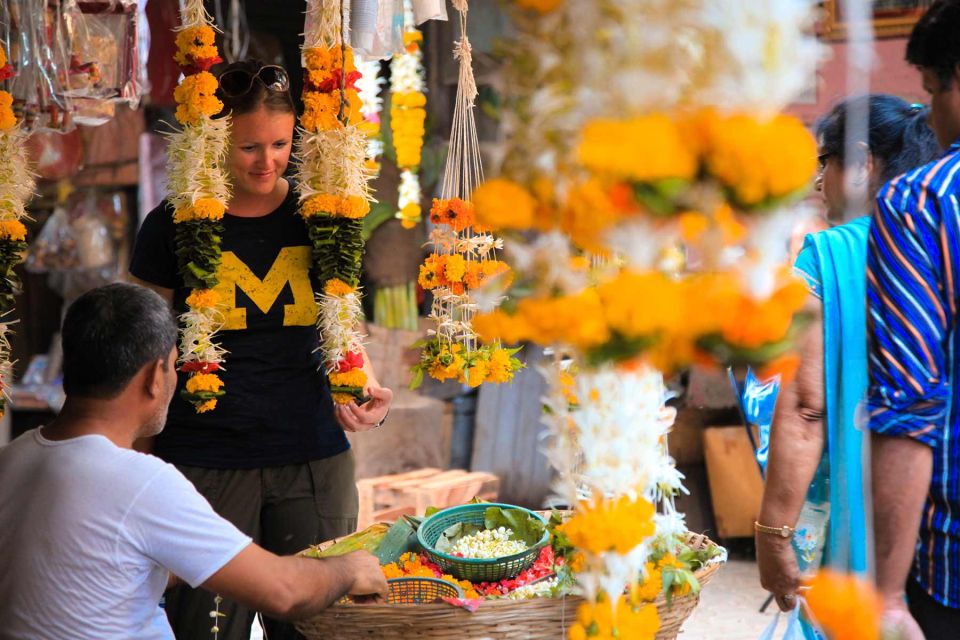
Then comes Dadar Flower Market, with a visit and guided walk (about 15 minutes). This stop is memorable because flowers aren’t just pretty here—they’re part of an active supply chain. Even with a short time, you can feel the work behind the scenes: handling, sorting, selling, and moving quickly through a crowd.
This is also a good place for photos, but expect to move through tight spaces. Comfortable shoes matter more here than at most stops. You’re not walking on a scenic promenade—you’re walking inside a market workflow.
Why I like this market stop for visitors: it’s sensory without requiring you to know anything in advance. You don’t need context to understand that this is a real trading place, not a staged attraction.





Dhobi Ghat: a photo stop that shows labor in plain view

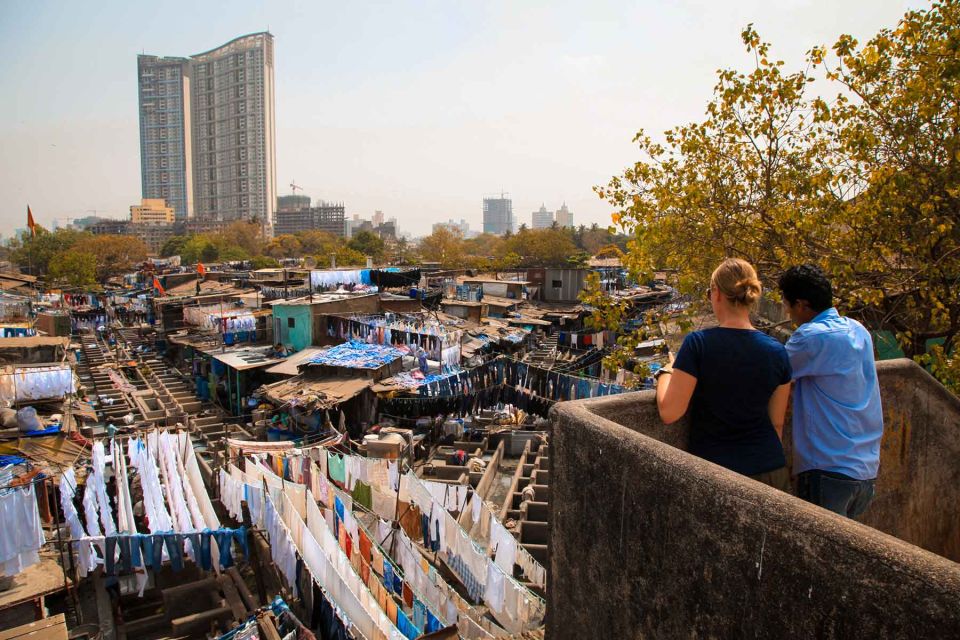
Next is Dhobi Ghat, with a photo stop and guided sightseeing (about 10 minutes). Even if you’ve seen images, this place hits differently when you’re actually there. The scale of laundry work and the visual routine are hard to describe without seeing it yourself.
This is the kind of stop that can make people pause. The tour frames it in terms of the working class’s struggles and spirit, and Dhobi Ghat fits that theme neatly. It’s not a casual “pretty view.” It’s a working system.
One consideration: since it’s a short stop, you won’t have time for long exploring. If you want a deeper look, treat this as your taste and plan a return.
Black-and-yellow taxi time: fast movement in chaotic traffic
A black & yellow taxi ride follows (about 15 minutes). This portion is about switching perspectives. The train gives you a rhythm. The market gives you close-up chaos. The taxi gives you speed and city context—glimpses of streets you’d miss if you stayed on rail only.
Traffic in Mumbai can be slow, so part of the experience is simply riding through it. Also, one review experience noted that sometimes a shared taxi can show up as a substitute for other public-transport segments, even if the plan includes buses. The takeaway for you: keep a flexible mindset. Mumbai routes can change based on what’s actually possible that day.
Churchgate and the dabbawallah in action: the tour’s emotional center

The dabbawallah moment is the reason many people book this tour. You spend time around Churchgate Station and see the lunch-box delivery system connecting workers to their meals. It’s not just a story told by a guide—it’s something you observe where the system operates.
This stop lands best when you pay attention to the workflow. Watch how people move, how boxes are organized, and how the handoff energy looks in real time. Even if you only grasp part of the logistics, you’ll understand the core idea: it’s a high-trust system that has to run correctly every day.
If you’re into everyday history—how communities solve practical problems—this is a standout. The tour connects dabbawallah work to the broader picture of the city’s working rhythms.
Also, guides seem to matter a lot here. Some English-speaking guides, including one named Hitesh, have been praised for clear explanations and good organization. That helps you leave with more than photos.
Chor Bazaar: flea-market energy and bargaining reality

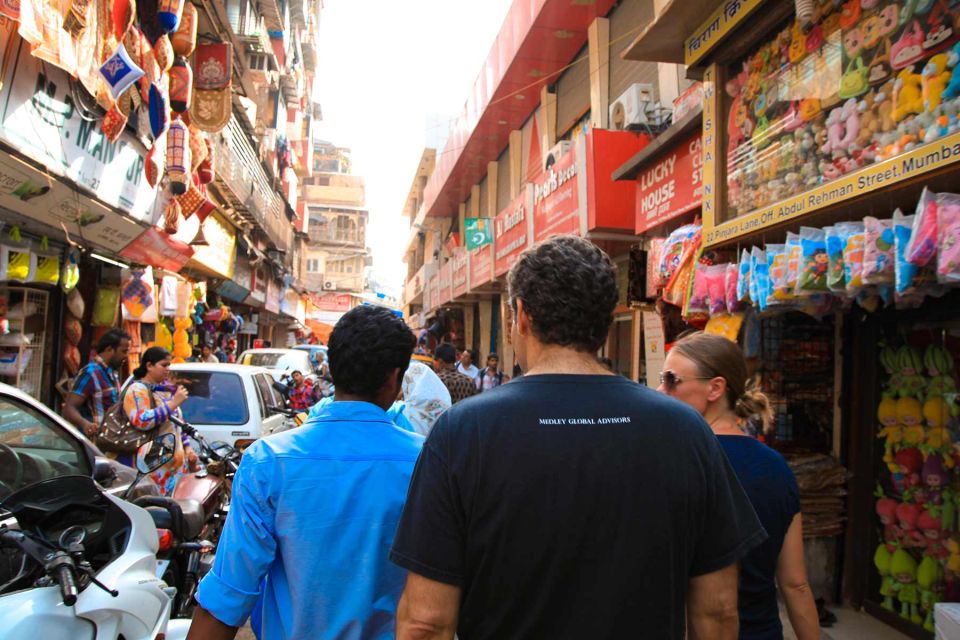
Then it’s Chor Bazaar, one of the largest and busiest flea markets in India. You’ll have around 30 minutes for shopping and exploration, guided along the way.
Chor Bazaar is fun if you enjoy browsing, scanning, and negotiating your way through crowd flow. It’s also a place where you can easily lose track of time—so the guided structure is useful. You’ll get oriented faster than you would on your own, and you won’t spend the whole session fighting your way to the next aisle.
What to keep in mind:
- You’ll be on your feet and working around other shoppers.
- This is a market for looking closely, not just passing by.
- With limited time, focus on a couple of target items rather than trying to see everything.
The viewpoint walk: a breather before you head out
After Chor Bazaar, you take another taxi ride (about 20 minutes) to a viewpoint for a guided stop and a short walk (around 10 minutes). This is a breather moment built into the schedule.
It’s also a good time to reset your brain after markets. You’ll get a pause from the close-up browsing and the constant crowd movement, then wrap up with a more open perspective before heading back.
Depending on the exact route that day, the viewpoint could match what you’ve seen described as a Marine Drive-style walk in some experiences. But the important thing for you is the function: a short break that helps the whole tour feel balanced.
Ending at Churchgate: closing the loop with the city’s workflow
The tour drop-off is at Churchgate Station (Churchgate Railway Station). Ending here ties the day together because you’ve spent time observing how the city’s daily systems connect—especially through the lunch delivery network.
You also leave with a better mental map. Even if you don’t remember every street, you’ll remember the transit shapes: how you moved from rail to road, from market density to station structure.
And that’s what makes this kind of tour worth repeating on your own later. You’ll know where to go next, not just what you saw.
Price and value: $31 for real transit, real markets, real work
At $31 per person for 3.5 hours, the value comes from what’s included: a local English-speaking guide, all transport during the tour, and water/cold drink. You’re not paying extra for each move between stops.
Where people often feel the squeeze on tours like this is time vs. detail. If you want deep, unhurried explanations at each site, this format may frustrate you because the schedule is tight. But if you want a day that helps you understand Mumbai’s working side quickly—then this price makes sense.
Another value point: the group size max is 6, which helps the guide keep things organized and helps you move through busy places without losing the group every five minutes.
Best fit: who will enjoy this most
This tour is a strong match for:
- You want to experience local transport instead of just reading about it.
- You like markets, not only monuments.
- You’re curious about the dabbawallah lunch system and how it works in real life.
- You’re okay with short stops and guided pacing.
It may be less ideal if:
- You hate crowds or tight movement.
- You need lots of free time at each stop.
- You prefer slow, museum-style sightseeing.
A balanced look at pacing and guide quality
The overall rating is high, and many people highlight that the guide explains places well, organizes boarding smoothly, and keeps things interesting using clear English.
Still, quality can vary with the guide’s attention and the day’s flow. One experience described the tour as rushed with minimal explanations and a distracted moment from the guide’s phone. That’s not guaranteed, but it is a reminder for you to pick the experience style that fits your preferences: structured and fast, rather than slow and lingering.
If you want to maximize your time, come with 2-3 questions in mind about the dabbawallah system, commuter life, or what you’re seeing at markets. A good guide can turn short stops into meaningful answers.
Before you go: practical prep that actually helps
- Wear comfortable shoes. This matters more than any clothing choice.
- Plan for a tour that involves walking and transit around busy areas.
- Don’t bring a pram/stroller; it’s not suitable.
- Expect a group experience where you may be joined by other travelers, even if private group options exist.
- Bring water needs in mind. Water/cold drink is included, but you’ll still be out for hours.
If you like flexibility, the tour offers free cancellation up to 24 hours in advance and a reserve-and-pay-later approach. That’s useful if you’re juggling a few city days.
Should you book the Mumbai Local Transport & Dabbawallah Tour?
Book it if you want Mumbai through movement: train windows, station energy, market crowds, and the dabbawallah system in action. For around $31, you get a guided day that connects multiple working parts of the city without making you plan every transit step yourself.
Skip or consider alternatives if you’re the type who needs lots of time to wander freely, or you dislike fast pacing. This experience is designed to cover several key stops in 3.5 hours, so it’s built for momentum.
My simple verdict: if you’re excited by the idea of seeing how people live and work, not just what they pose beside, this is a smart pick.
FAQ
How long is the Mumbai Local Transport & Dabbawallah Tour?
It lasts about 3.5 hours.
How much does the tour cost?
The price is $31 per person.
What transport do we use during the tour?
You use multiple modes of local transport, including a ride on the suburban train, public bus, and a black & yellow taxi.
Which sights and markets are included?
You’ll visit CSMT, Dadar Flower Market, Dhobi Ghat (photo stop), and Chor Bazaar. You’ll also see the dabbawallah lunch delivery system in action around Churchgate.
Is the tour fully guided in English?
Yes. The tour includes a local English-speaking guide and the tour is listed as English language.
Is hotel pickup or drop-off included?
No. Hotel pickup and drop-off are not included.
What’s included in the price besides the guide?
The tour includes all transport during the tour and water/cold drink.
Is food included?
Food is not included.
Is the tour suitable for strollers or prams?
No, it is not suitable for prams or strollers.