REVIEW · MUMBAI SIGHTSEEING TOURS
Mumbai: Sightseeing by Walk or Car
Book on GetYourGuide →Operated by Mumbai with Locals · Bookable on GetYourGuide
Mumbai hits fast—and this tour helps you aim.
I like how this is built for real understanding, not just sightseeing photos. You get an English-speaking guide who’s born and raised in Mumbai, and the stories they share turn places like Chhatrapati Shivaji Terminus and Gandhi’s old home (Mani Bhavan) into something you can actually picture in your head.
My other favorite part is the ending at Dhobi Ghat, where the world’s biggest open-air laundry shows how busy Mumbai can be without any museum glow. One drawback to plan for: it’s a group format with an air-conditioned vehicle but with short walks, uneven spots, and religious-site dress rules—so it’s not a slam-dunk choice for mobility limits or very sensitive knees.
In This Review
- Key takeaways before you go
- Starting in Colaba: Regal Cinema as your launch point
- Crawford Market lanes: A quick walk that sets the tone
- Mani Bhavan: Seeing Gandhi’s Mumbai, not just hearing about it
- Banganga Tank and a Jain Temple: Quiet stops that change your pace
- Chhatrapati Shivaji Terminus: Gothic rail architecture up close
- Marine Drive, High Court views, and the Mumbai skyline mix
- City viewing gallery moments: Why the in-between stops matter
- Gateway of India: A classic stop with the right context
- Dhobi Ghat at the end: Watching laundry happen by hand
- Group vs private: how to choose the best format
- Price and value for $36 in 4 hours
- Who this tour suits best (and who should skip it)
- What makes the guides the star of the show
- Should you book this Mumbai walk-or-car tour?
- FAQ
- Where does the tour start?
- How long is the tour?
- What’s included in the price?
- Is food included?
- Are there walking segments?
- Is the tour guided in English?
- Is this tour suitable for wheelchair users?
- Can I take photos?
Key takeaways before you go
- A guide who actually knows the city: Expect an easy conversation about history, religion, food, and current events.
- Iconic sights plus quiet corners: Gothic rail architecture, a sacred tank, and a peaceful Jain temple all in one run.
- Dhobi Ghat is the practical payoff: You’ll see laundry workers wash and organize clothes by hand, up close and nonstop.
- Built for timing, not aimless wandering: The route mixes photo stops, short walks, and car travel so you cover a lot in 4 hours.
- Air-conditioned comfort with short walking segments: You get breaks, water, and a manageable pace, even with big crowds outside.
Starting in Colaba: Regal Cinema as your launch point
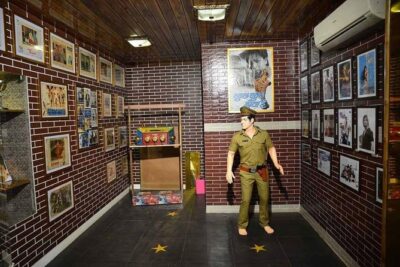
The tour starts outside Regal Cinema in Colaba, a busy, central landmark in South Mumbai that’s easy to find by taxi or local transport. You’ll meet your guide right there, and they’ll have your name from booking.
Arrive about 10 minutes early. Mumbai traffic can mess with timing, and you don’t want to stand sweating near the curb while the group gets sorted.
You can also read our reviews of more walking tours in Mumbai
Crawford Market lanes: A quick walk that sets the tone
From the meeting area, the tour threads into the everyday side of South Mumbai, and Crawford Market is a great example. You’ll do a short walk here, enough time to feel the rhythm of the area without turning the day into a marathon.
This stop works because it’s not just a monument. It’s a place locals pass through, where commerce and daily routine sit right next to heritage buildings. Even if you’re not shopping, you’ll get context fast for how Mumbai stays practical while still being dramatic.
Mani Bhavan: Seeing Gandhi’s Mumbai, not just hearing about it
Next comes Mani Bhavan, Gandhi’s former home in Mumbai. This is one of those stops where the value is in the details—how a single person’s life tied into a much bigger movement.
You spend about 20 minutes inside. That’s long enough to take in the feel of the rooms and absorb what your guide explains, without feeling rushed like you’re speed-walking through a brochure.
Banganga Tank and a Jain Temple: Quiet stops that change your pace
Banganga Tank is a sacred water tank tucked into the city, and it’s the kind of place that resets your brain. You’ll get a photo stop, then a visit of about 15 minutes—just enough time to understand why locals treat it with reverence even though it sits in the middle of modern Mumbai life.
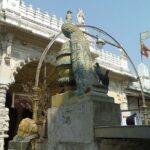
After that, you’ll stop at a Jain Temple with intricate carvings inside. The visit is also about 15 minutes, and the tone here is different from the street stops: more still, more reflective, more focused on art and meaning.
For these religious sites, you’ll want to follow the modest clothing guidance (skip sleeveless tops and short skirts). It’s not about fuss; it’s about respecting the space.
Chhatrapati Shivaji Terminus: Gothic rail architecture up close
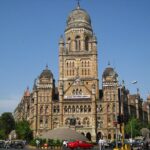
One highlight in this tour is Chhatrapati Shivaji Terminus—a jaw-dropping Gothic-style railway station. Seeing it in person works better than trying to learn it from a screen, because the scale and stonework do the convincing.
Your guide points out what to notice, and this is where the English-Hindi storytelling style really helps. You’re not just looking at buildings; you’re learning what people see when they pass through them every day.


Marine Drive, High Court views, and the Mumbai skyline mix
You’ll spend time on the road too, and this is where the tour shows Mumbai as a blend. The route includes a drive along Marine Drive, the seaside boulevard locals call the Queen’s Necklace, plus glimpses of landmarks like Mumbai University and the High Court.
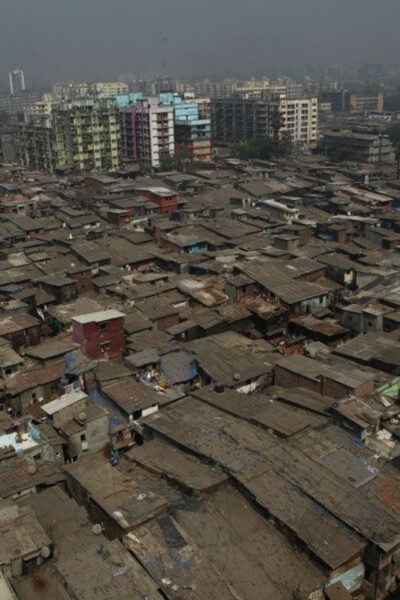
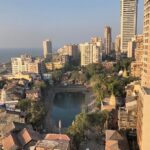
There are also photo stops along the way, including a couple of city-view moments where you can see how Mumbai rises: colonial-era structures beside modern towers. If you like architecture, this part is the “how did this city grow so fast” section.
One fun (and slightly surreal) roadside detail is a pass by Antilia, the famously extravagant private residence. Even if you don’t love celebrity wealth imagery, it’s a sharp contrast against the rest of what you’ll see.
City viewing gallery moments: Why the in-between stops matter
The tour includes short photo stops and a city viewing gallery moment. These parts are easy to skip in your head, but they actually do important work: they give you a mental map of what you’re seeing.
When you later stand in front of major landmarks, you’ll understand how they fit into the broader city shape. That’s what makes the day feel less like a checklist and more like a story you can follow.
Gateway of India: A classic stop with the right context
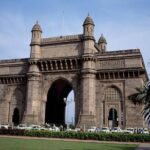
Gateway of India gets a photo stop and a visit. It’s one of Mumbai’s most recognizable sights, but the key is what your guide connects around it—how this iconic structure sits next to modern street life and changing city moods.
You’re on-site long enough (about 15 minutes) to get the pictures you want and still hear the main context points your guide shares.
Dhobi Ghat at the end: Watching laundry happen by hand
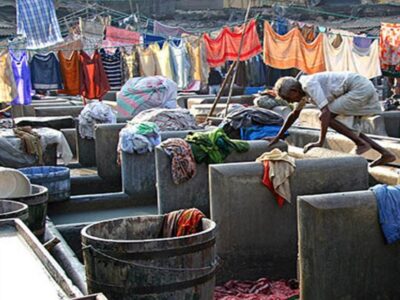
Then comes the payoff. The tour finishes at Dhobi Ghat, the world’s largest open-air laundry. Instead of a staged museum scene, you see hundreds of workers washing and organizing clothes by hand, day after day.
This is the stop that feels most like Mumbai in motion. It’s not polished for tourists. It’s work—loud, repetitive, practical—and that’s exactly why it lands so well.
The tour provider can help you get back toward Colaba or onward to the nearest train station, depending on what you prefer.
Group vs private: how to choose the best format
This experience can run as a group tour or a private tour.
- Group tours share the guide, vehicle, and route. You’ll often meet other travelers, and the shared format keeps the price down.
- Private tours can include hotel pickup and drop-off across Mumbai, including Navi Mumbai, and you can move a bit more directly around your comfort level.
If you like meeting people and sticking to a well-paced plan, go group. If you want a quieter, more flexible day, private is the smoother choice.
Price and value for $36 in 4 hours
For a $36 per person tour lasting about 4 hours, the value is strongest in three places: a local English-speaking guide, an air-conditioned vehicle, and included train tickets. Bottled water is also included, which matters in Mumbai’s heat.
Food isn’t included, so you’ll want to plan around a light snack earlier or grab something after the tour. Since the stops are spread out with short visits and photo stops, this format feels efficient rather than rushed—especially if you’re trying to cover South Mumbai highlights without hiring separate transport for each area.
Who this tour suits best (and who should skip it)
This works well if you want a guided “first taste” of Mumbai’s mix: grand architecture, religious sites, Gandhi’s legacy, and a look at everyday labor. It’s also a strong pick if you ask questions easily. The guides are used to talking history, religion, and current events in plain language.
That said, it’s not suitable for everyone. The tour isn’t recommended for wheelchair users or people with limited mobility because some locations have uneven surfaces or stairs. It’s also not listed as suitable for pregnant women, people with motion sickness, heart problems, back problems, or similar health limitations.
If any of those apply to you, consider asking the provider directly if adjustments are possible for your needs—because the plan does include short walks and real stairs.
What makes the guides the star of the show
The guides are the difference between seeing objects and understanding a city. In recent experiences, guides like Balaji and Sajid were praised for being professional, helpful, and full of practical details, including answers to lots of questions. One guide also stood out for navigating small-ally areas confidently and connecting the conversation to local life and neighborhood change.
Your best move: come with curiosity. If religion and architecture matter to you, mention it at the start. If you care more about daily life and how people get through their day, that’s just as easy to focus on.
Should you book this Mumbai walk-or-car tour?
Yes—if you want to cover major South Mumbai landmarks in a short window while still seeing the city’s everyday side. The mix of Mani Bhavan, Banganga Tank, a Jain Temple, and the hands-on labor of Dhobi Ghat makes this more than sightseeing.
No—if you need fully step-free access, strong mobility accommodations, or you know you get motion sick in vehicles. This tour is designed for short walks plus vehicle time, and that combo won’t match everyone.
FAQ
Where does the tour start?
The meeting point is outside Regal Cinema in Colaba.
How long is the tour?
The tour duration is 4 hours.
What’s included in the price?
It includes an English-speaking guide, packaged bottled water, and train tickets.
Is food included?
No. Food is not included.
Are there walking segments?
Yes. It includes short walking segments at selected stops, plus photo stops.
Is the tour guided in English?
Yes. The guide speaks English (and Hindi as well).
Is this tour suitable for wheelchair users?
No. It is not suitable for wheelchair users or people with limited mobility due to uneven surfaces and stairs at some locations.
Can I take photos?
Photography is allowed at most places, though some religious or historical sites may have restrictions.