REVIEW · DHARAVI SLUM TOURS
Mumbai: Slum Tour Dharavi & Dhobi Ghat Laundry with a Local
Book on GetYourGuide →Operated by Inside Mumbai Tours · Bookable on GetYourGuide
Slums are not what you think. This 2.5-hour Dharavi and Dhobi Ghat tour shows real daily life and how the world’s biggest open laundry works. I especially like seeing Dharavi through resident explanations, and then switching to the practical, on-the-ground hustle of Dhobi Ghat.
One thing to consider: the experience is hands-on and close-up, and the guide may be strict about where you stand and when you ask questions.
In This Review
- Key Highlights at a Glance
- Meeting at Third Wave Coffee Mahim and Setting Expectations
- Dharavi Through a Local Lens: Homes, Work, and Daily Routines
- What “Real Life in a Slum” Means in Practice
- Dhobi Ghat: Mumbai’s Open-Air Laundry and the Day-to-Day Hustle
- The Slumdog Millionaire Filming Spot: How Mumbai Shows Up in Movies
- Guide Style Matters: What You’ll Want From Your Local Host
- Timing, Pace, and the Small-Group Advantage
- Price and Value: Why $4.64 Can Still Be Worth It
- Practical Tips for Getting the Most Out of Dharavi + Dhobi Ghat
- Who This Tour Suits Best
- Should You Book This Dharavi & Dhobi Ghat Tour?
- FAQ
- Where is the meeting point for the tour?
- How long is the Dharavi and Dhobi Ghat tour?
- How much does the tour cost?
- Is the tour guide available in English?
- Is this a small-group tour?
- What’s included in the price?
- Does the tour offer free cancellation?
- Can I reserve now and pay later?
- Is a tuk tuk allowed at the meeting point?
- What do you visit during the tour?
Key Highlights at a Glance
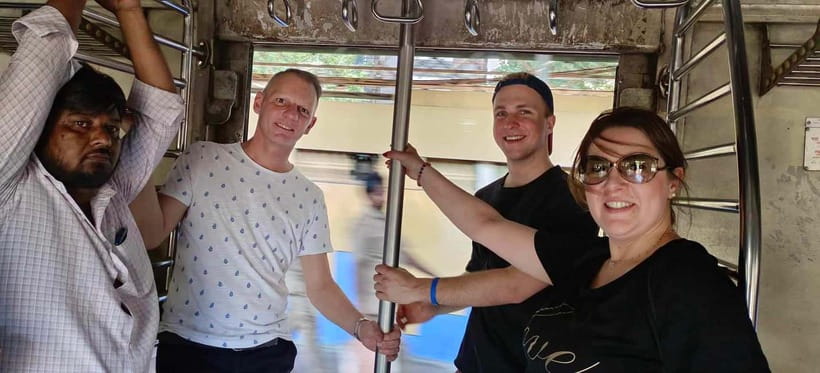
- A resident-led Dharavi walk focused on lived-in homes, work, and routines
- Dhobi Ghat’s open-air laundry system with a close look at what happens there
- Industry you can point to, like plastic recycling, leather, garment/textile, and metal
- A movie connection to Slumdog Millionaire inside Dharavi
- Small group size (up to 9) so questions aren’t lost in the crowd
- Value-driven structure that includes the local guide, transport, and entry/taxes
Meeting at Third Wave Coffee Mahim and Setting Expectations
The tour meets at Third Wave Coffee in Mahim, right opposite Mahim junction/station west. It’s easy to reach by Uber or local transport, and once you’re there you can wait inside the café or stand outside. Your guide should find you quickly, and they’ll ask your name and introduce themselves.
Two practical notes help the day go smoothly. First, the tour doesn’t use a tuk-tuk option at this meeting point, so plan for walking and public transport. Second, because this is a small group tour (limited to 9), you’ll feel the pace more than on big bus trips—bring patience, not a checklist.
You can also read our reviews of more tours and experiences in Mumbai.



Dharavi Through a Local Lens: Homes, Work, and Daily Routines
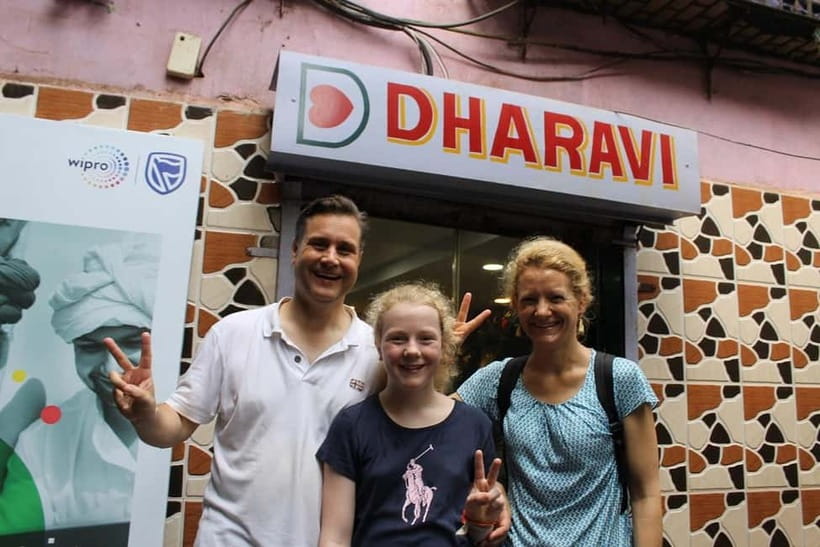
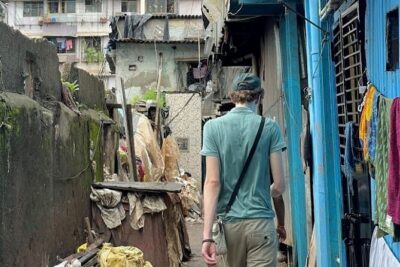
The core of the tour is visiting Dharavi as a working, living neighborhood—not a sad story on a postcard. You’ll see life and work from inside the area, guided by someone who lives there. The goal is to break stereotypes and show what’s actually happening day to day.
Expect to walk past the practical details of daily existence: where families live, how people relax, and how children play in shared spaces. You’ll also get a clearer picture of how local businesses connect to the city. It’s not just about poverty; it’s about systems—how materials move, how goods get made, and how services get done.
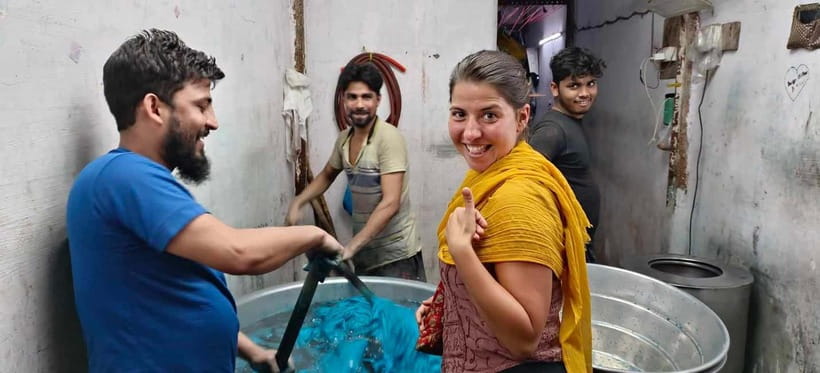
The tour also focuses on the kinds of work you can identify in the area. You’ll hear about and see business types such as plastic recycling, leather industry, garment/textile work, and metal industry. The tour description even points to impressive economic activity, including an estimated yearly income figure stated as 1 billion US dollars—whether you treat that as a big-picture claim or a conversation starter, it’s meant to reframe the area as productive, not passive.
What “Real Life in a Slum” Means in Practice
This is where your expectations matter. Instead of looking at Dharavi from the outside, you’re guided through the place as people do business, raise families, and manage routine. The tour’s emphasis is that you’ll visit by a resident route, and you’ll see where people stay and what their days revolve around.
I like that this kind of tour doesn’t try to turn serious life into entertainment. You’ll likely learn how work and household life overlap in the same physical space. That’s a big mental shift for many first-time visitors, because it changes the question from Why is this here? to How does it function?
There’s also a clear safety framing in how the tour is presented: it’s positioned as completely safe to visit inside and around, and it’s led by locals. You still should treat it like a real neighborhood visit—listen closely, follow the guide’s directions, and keep your tone respectful.
Dhobi Ghat: Mumbai’s Open-Air Laundry and the Day-to-Day Hustle
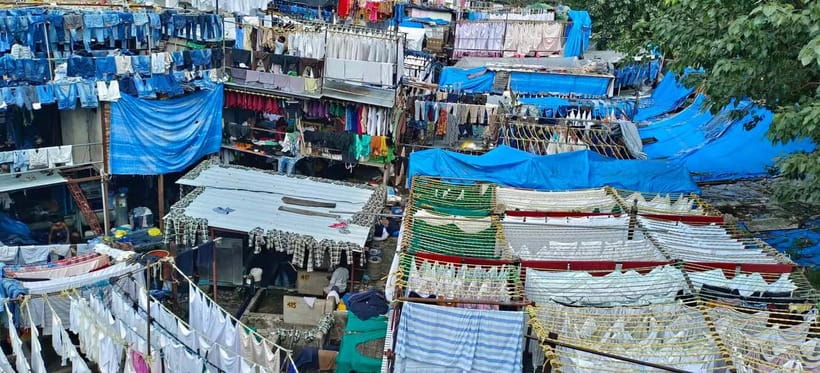
After Dharavi, you move to Dhobi Ghat, Mumbai’s largest open-air laundry facility and described as Asia’s biggest laundry. This part is famous with foreign visitors, and I get why: you can see the entire workflow in front of you. It’s not a museum display; it’s people doing laundry as a living practice.
What makes Dhobi Ghat special is the visibility of the process. You’ll learn about activities going on there and how the work fits into a bigger schedule. Even if you don’t know the terminology, you can still understand the rhythm—sorting, washing, handling, and moving laundry through a large outdoor system.
This is also one of those places where your emotions can run mixed. Laundry is ordinary. The scale isn’t. One concern worth noting: some people want more time to go inside or see more of the working areas. If you’re the type who hates feeling rushed at a “must-see,” you may want to be mentally prepared that the tour’s Dhobi Ghat portion may feel a bit short.
The Slumdog Millionaire Filming Spot: How Mumbai Shows Up in Movies
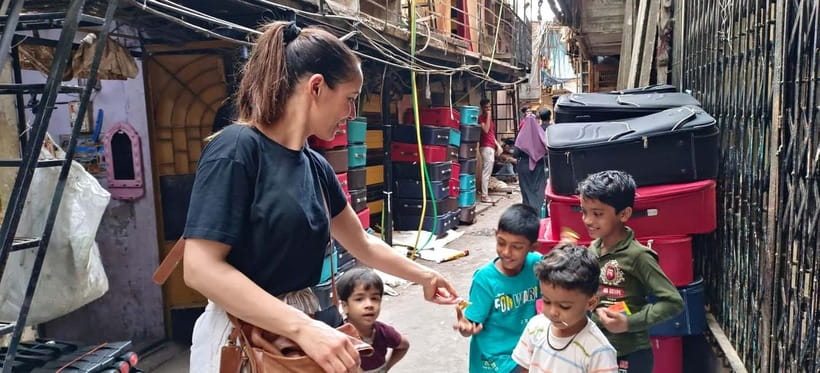
Dharavi has a known connection to film, and your tour includes a stop where the movie Slumdog Millionaire was filmed inside Dharavi. This adds a layer most visitors don’t expect. You’re not just learning about a real neighborhood—you’re seeing how Mumbai becomes story on screen.
The value here is perspective. When you stand where film scenes were shot, you start noticing the mismatch between cinematic framing and real streets. It also gives you a reason to pay attention to details: building corners, street flow, and the way people move through shared space.
Just remember: this stop is there to connect you to a familiar name, not to turn the neighborhood into a set. Keep your focus on the lived environment, and let the movie connection be a useful lens, not the main event.




Guide Style Matters: What You’ll Want From Your Local Host
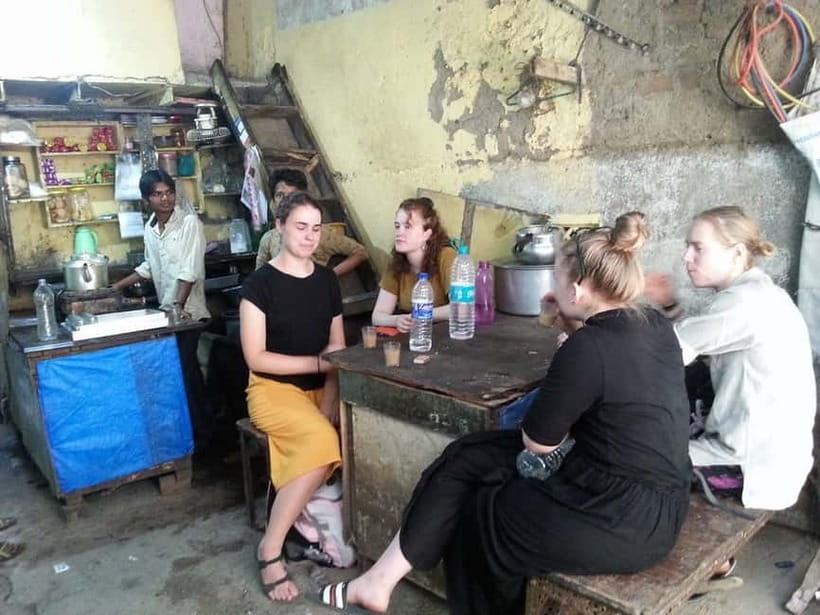
A tour like this lives or dies by the guide. In this case, guides are described as local residents and English-speaking, and multiple guides are named in the experience record, including Fazim and Faizan. The best part isn’t only accuracy—it’s how they connect origins, daily life, work routines, and family details so you can actually understand what you’re seeing.
I also like how some guides manage the group. You may get clear direction about where to stand and when you can ask questions. That can feel strict, but it often makes the walk smoother and prevents the tour from turning into a chaotic crowd.
One drawback to flag: not every guide’s humor lands the same way. Some people note sarcasm can feel a bit sharp or offensive at times. If you’re sensitive to that kind of tone, set your own boundaries mentally—stay focused on the facts and questions you want answered, and don’t let the style derail the main point.
Timing, Pace, and the Small-Group Advantage
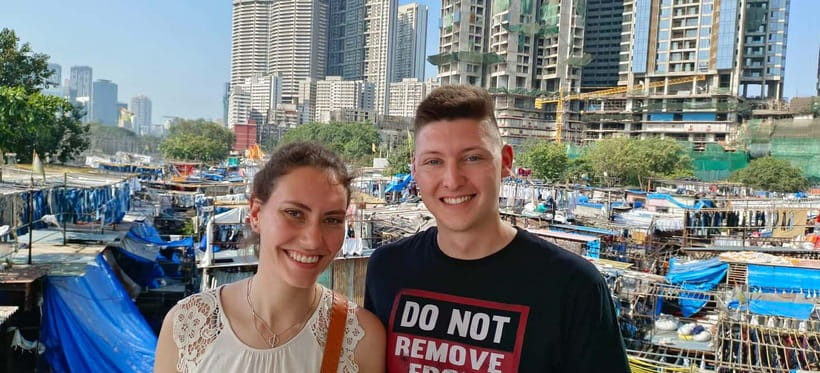
The tour runs about 2.5 hours, and it’s set up as a small group with a maximum of 9 participants. That matters more than it sounds. In tight neighborhood spaces, you’ll need room to walk and space to hear explanations, and smaller groups make that possible.
The pacing also changes how you experience the day. Dharavi requires slower attention because the details are layered—people, work, and homes in close proximity. Then Dhobi Ghat is more open and operational, but you still need time to understand what you’re seeing.
If you’re the type who loves taking photos, this kind of tour can feel like a series of “look now, ask later” moments. That’s not a bad thing, but it’s a reminder to stay present rather than multitask your attention.
Price and Value: Why $4.64 Can Still Be Worth It
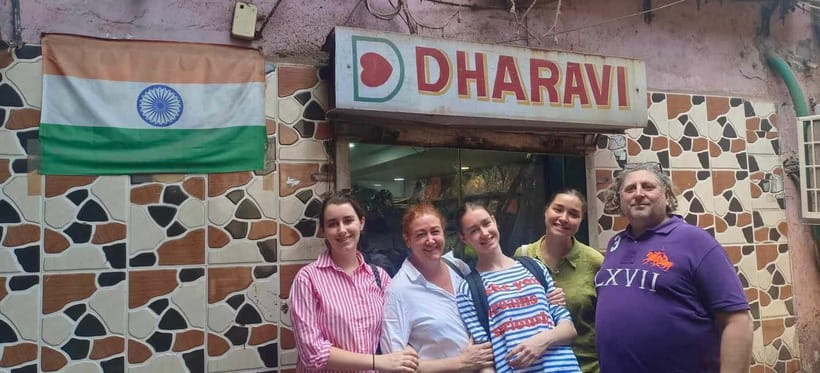
At around $4.64 per person, this tour price is startlingly low for a guided, English-speaking, resident-led experience that also includes transport fees and what are described as all entry tickets and taxes. That price point can be a deal-breaker in your favor if you think of it as paying for access and interpretation—not just sightseeing.
That said, low cost can also be a reality check. Make sure you’re buying the right kind of experience: a human, neighborhood-focused walk with rules, not a relaxed “wander and wonder” tour. If you’re looking for comfort and spontaneity, you might feel more constrained by the guide’s structure.
Still, when a tour includes the local guide and the logistics of getting you between key areas, the value can be strong—especially when the alternative is hiring separate services or paying for entry/transport on your own.
Practical Tips for Getting the Most Out of Dharavi + Dhobi Ghat
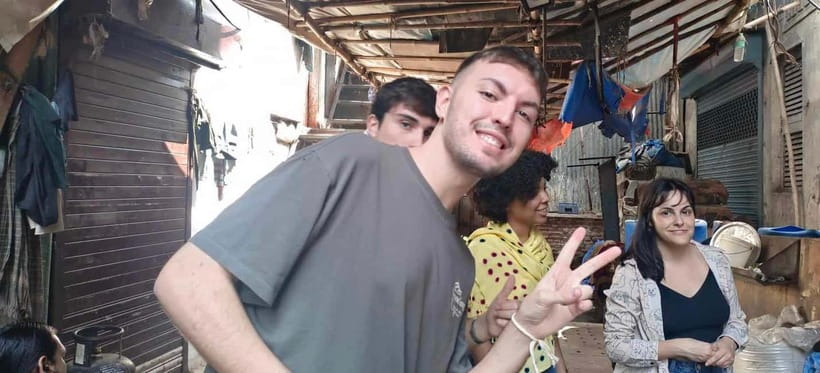
This tour works best if you treat it like a conversation with a neighborhood, not a show. I’d plan to come with 2–3 questions you genuinely want answered, then let the guide’s pace bring you to the right moments.
Also, be ready for real emotional contrast. Dharavi can challenge your assumptions quickly because it doesn’t fit the “slum” label most outsiders carry. Dhobi Ghat flips the script again, because it looks like hard work and industry, not a dramatic spectacle.
Finally, keep your behavior simple and considerate. This is a lived community, and the tour format assumes you’ll follow instructions about where to stand and how to move. That’s how you’ll get the most learning and the least friction.
Who This Tour Suits Best
This is a strong fit if you want to understand how a neighborhood functions—how people live, work, and organize daily life. If you’re curious about recycling and manufacturing-related industries, Dhobi Ghat’s laundry workflow, or how film history intersects with the real place, you’ll likely enjoy this.
It’s also a good choice if you like small groups and guided storytelling where questions are part of the plan. The resident-led angle makes the explanations feel less like generic sightseeing and more like lived knowledge.
If you need a very light, comfortable, low-emotion experience—or if you’re easily bothered by close viewing—consider your temperament first. Some visitors want more time at Dhobi Ghat, and the strictness of guide control can feel less like tourism and more like a classroom visit.
Should You Book This Dharavi & Dhobi Ghat Tour?
Book it if you want a real-world Mumbai experience that challenges assumptions with street-level explanations. The combination of Dharavi’s everyday life and Dhobi Ghat’s open-air laundry gives you two different lenses on the same theme: how people make systems work.
Don’t book it if your priority is comfort, long time at Dhobi Ghat, or a relaxed sightseeing rhythm. Also, if you’re very sensitive to certain tones from a guide, you may want to mentally prepare to focus on content over delivery.
If you do book, go in expecting to learn fast, walk actively, and see the city as more than a skyline. This tour doesn’t ask you to feel sorry. It asks you to look clearly.
FAQ
Where is the meeting point for the tour?
The meeting point is Third Wave Coffee Mahim, opposite Mahim junction/station west.
How long is the Dharavi and Dhobi Ghat tour?
The duration is 2.5 hours.
How much does the tour cost?
The price is listed as $4.64 per person.
Is the tour guide available in English?
Yes, the tour includes a live English-speaking local guide.
Is this a small-group tour?
Yes. The group is limited to 9 participants.
What’s included in the price?
It includes the local English-speaking tour guide, travelling fees, and all entrance/entry tickets and tax.
Does the tour offer free cancellation?
Yes, you can cancel up to 24 hours in advance for a full refund.
Can I reserve now and pay later?
Yes. The option is listed as reserve now & pay later.
Is a tuk tuk allowed at the meeting point?
Tuk tuk rickshaws are not allowed at the meeting point.
What do you visit during the tour?
You visit real Dharavi life and work with a local resident, Dhobi Ghat (Mumbai’s open-air laundry), and a place in Dharavi connected to the filming of Slumdog Millionaire.