REVIEW · CITY TOURS
Mumbai City Tour with multiple options
Book on GetYourGuide →Operated by Beautiful Bombay Tours · Bookable on GetYourGuide
Mumbai landings feel like movie scenes. I like how this tour strings together Gateway of India landmarks with a guided walk through Elephanta Caves. You’ll get clear explanations from the English-speaking guide, plus the day is structured so you’re not stuck figuring out connections on your own.
Two big wins for me are the chance to watch the daily spectacle at Dhobi Ghat and the ferry viewpoints back toward the port and hotels. The only real drawback is cost surprises: the base price is $24, but entry tickets and ferry/Elephanta cave fees are not included, so plan for extra spend.
In This Review
- Key things I’d circle before booking
- Starting at PizzaExpress: an easy launch into South Mumbai
- South Mumbai icons, from Taj Mahal Palace to Victorian rail glamour
- Dhobi Ghat and Marine Drive: two very different Mumbai moods
- Gandhi, parks, courts, and clocks: why the route feels smarter than it sounds
- Elephanta Caves tour: the ferry ride makes it feel like a real trip
- Inside the caves: Shiva Cave, Trimurti, and the side shrines
- Value check: what $24 really gets you (and what to budget)
- Getting the timing right: 5–8 hours is a real half-day plan
- Practical notes that affect your comfort
- Should you book this Mumbai City Tour with Elephanta Caves?
- FAQ
- What’s the meeting point for the tour?
- How long does this tour last?
- Is the price ($24 per person) all-inclusive?
- Does the tour include a guide?
- Are ferry tickets included for Elephanta?
- Where does the Elephanta Caves part begin?
- What documents do I need to bring?
- What if ferry service is disrupted due to weather?
- Is this tour wheelchair accessible?
Key things I’d circle before booking
- The PizzaExpress meeting point by Gateway of India makes the start easy to find.
- A ferry ride to Elephanta Island gives you dramatic bay views, not just a cave visit.
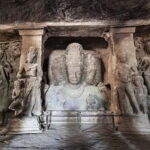
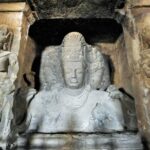
- Elephanta’s Shiva Cave plus the 20-foot Trimurti sculpture is the main event.
- Dhobi Ghat and Marine Drive add everyday Mumbai scenes alongside big monuments.
- Options that mix Elephanta with private city time (or Dharavi) let you tailor your day.
Starting at PizzaExpress: an easy launch into South Mumbai
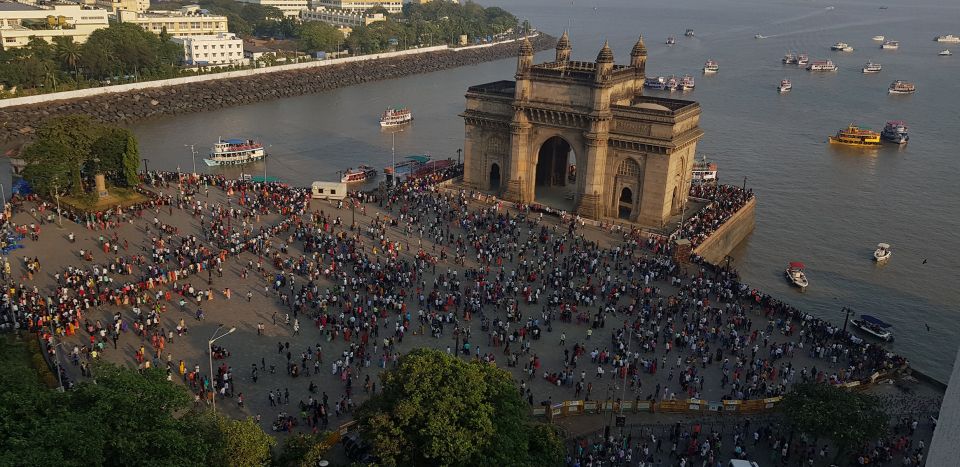
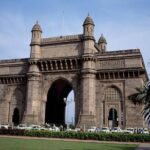
Your day begins right at the water at Gateway of India, with the meeting point at PizzaExpress next to it. A company representative waits outside the PizzaExpress entrance, which is a relief in a city where one wrong turn can waste an hour. If you can’t spot them, there’s a helpline number for quick help.
From there, the tour is built for flow. You’re moving between major landmarks in South Mumbai rather than wandering far on your own. The guide handles the why behind each stop, so you’re not just reading plaques and hoping it sticks.
One practical point that matters: the tour says no luggage or large bags. If you’re traveling light, that’s fine. If you’re carrying a lot, you’ll want to reconsider what you bring for the day.
You can also read our reviews of more city tours in Mumbai



South Mumbai icons, from Taj Mahal Palace to Victorian rail glamour
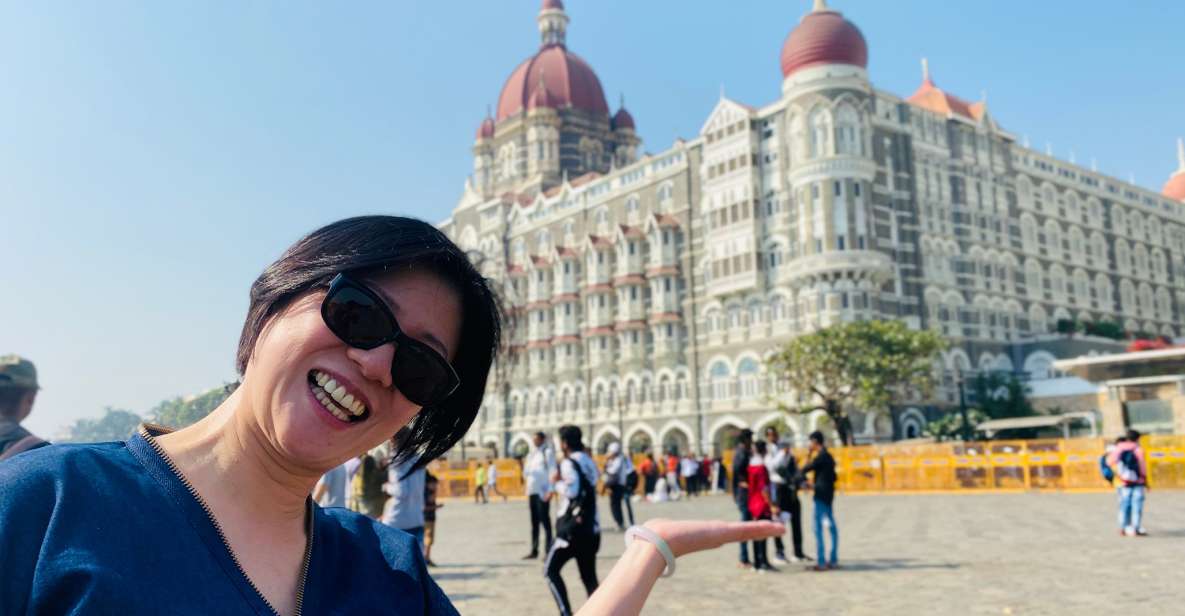
A lot gets packed in during the city portion, and that’s the point. You’ll see well-known Mumbai sights like Taj Mahal Palace Hotel, plus colonial-era landmarks and civic buildings along the route.
Stops you’ll likely pass include:
- Gateway of India (the anchor of the whole day)
- Taj Mahal Palace Hotel
- Oval Cricket Ground
- Mumbai University
- Big Ben Clock of India
- Bombay High Court
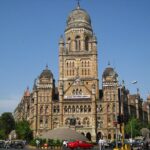
- Queen Victoria Terminus
- Crawford Market
- Mani Bhawan (Gandhi’s House)
- Hanging Gardens and Kamla Nehru Park
What makes this useful isn’t just the name-brand sights. It’s that the guide ties them together so you come away with a sense of how Mumbai grew—where power and institutions sit, where public life happens, and how the city’s landmarks sit close to everyday streets.
This is also where the guide quality shows. In multiple experiences shared by people who booked this tour, the guides were praised for staying prepared and for explaining what you’re looking at without making it feel like a lecture. I’d take that as a sign the pacing is meant to stay comfortable even while you cover a lot.
Dhobi Ghat and Marine Drive: two very different Mumbai moods
This tour doesn’t treat Mumbai as only monuments. You also get Dhobi Ghat, the laundry-washing scene that’s become one of the most distinctive things to witness in the city. Expect a genuine snapshot of daily work and routine rather than a staged attraction.
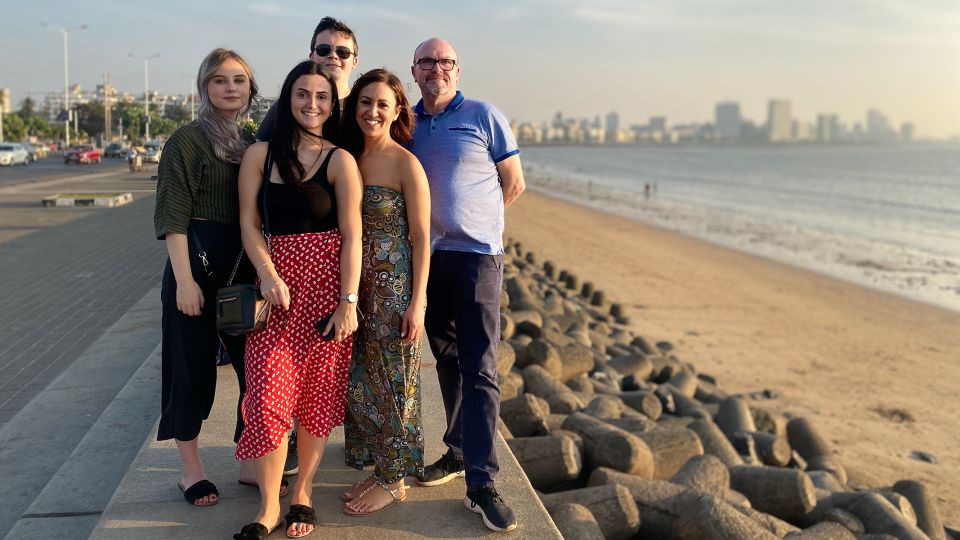
Then there’s Marine Drive, the famous seaside stretch that people associate with Mumbai’s skyline and evening atmosphere. The tour route gives you time to enjoy the views as you pass through, and it breaks up the heavier landmark stops so the day feels less like museum hopping.
If you’re the kind of traveler who likes learning through real-life scenes—what people do, how streets operate, what the city looks like when you’re not inside a vehicle—these two stops are a big reason this tour works.
Gandhi, parks, courts, and clocks: why the route feels smarter than it sounds
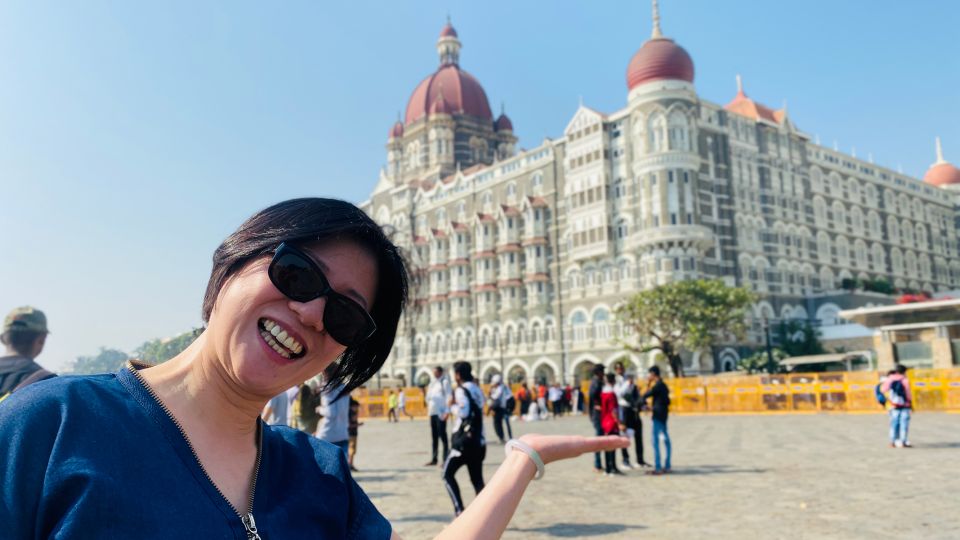
You don’t just see famous places here—you also see the different layers of the city’s public spaces: education (Mumbai University), governance (Bombay High Court), civic landmarks, and places of leisure like Hanging Gardens and Kamla Nehru Park.
You’ll also cover Mani Bhawan (Gandhi’s House), which is a strong stop if you want the day to feel more than architectural. And you’ll pass through clock-and-building landmarks like the Big Ben Clock of India and the Queen Victoria Terminus area, which helps you connect Mumbai’s identity to its colonial-era design language.
One theme that comes through in how people talk about this day: it tends to feel full but not chaotic. Guides are described as punctual, helpful, and willing to keep a steady pace without racing you. That matters because Mumbai traffic can turn a tight plan into a stressful one fast. A good guide and driver can prevent that.
Elephanta Caves tour: the ferry ride makes it feel like a real trip
The Elephanta part starts with a scenic ferry ride across the bay. This is more than transport. The views toward Gateway of India and the harbor area help you shift mentally from the city to the island, so the caves don’t feel like a rushed side stop.
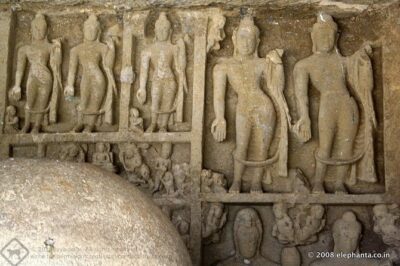
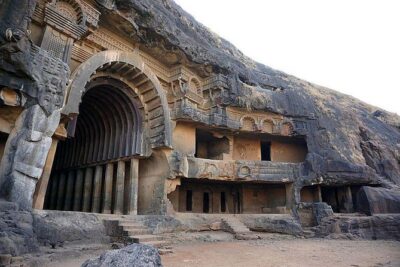
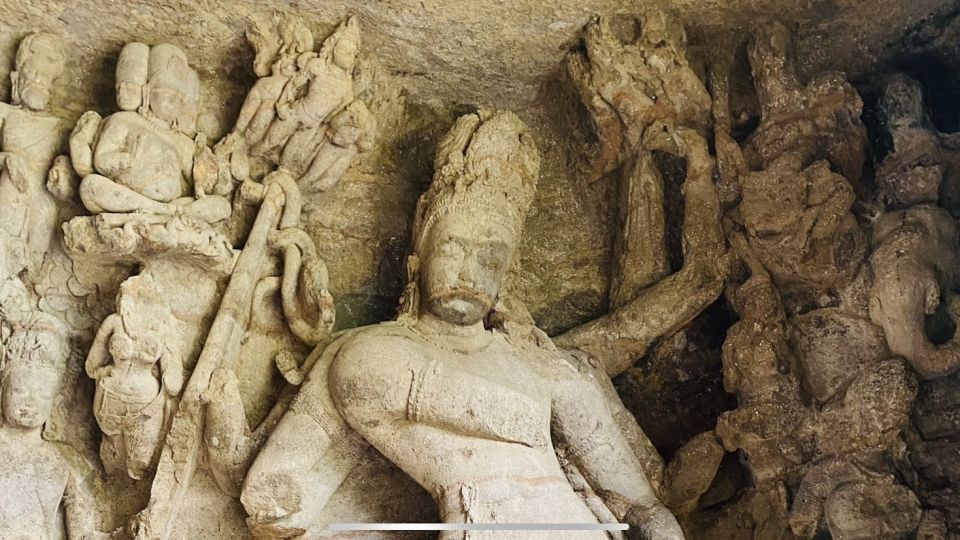
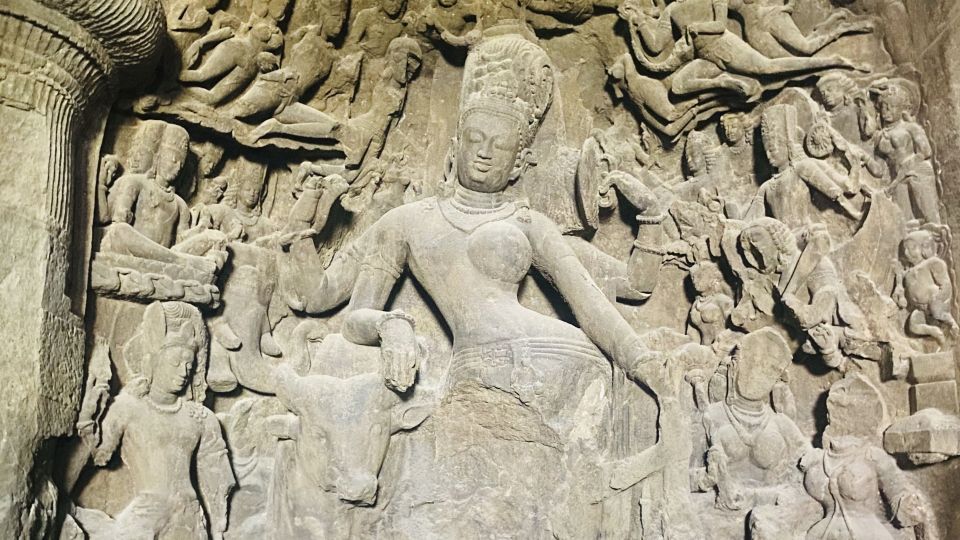
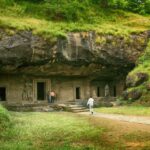
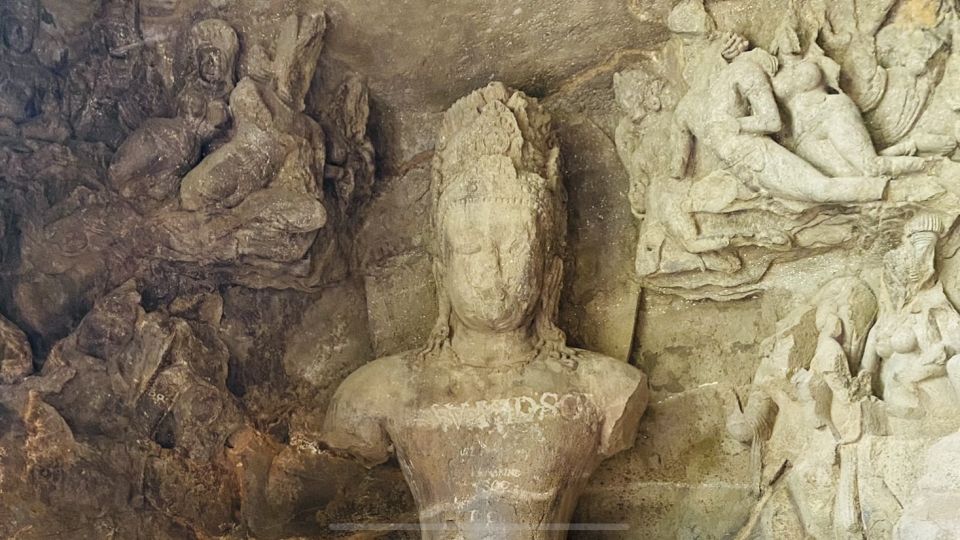
Once you reach Elephanta Island, your guide leads you through the cave complex. The caves themselves are described as man-made wonders carved into solid mountains, used as sacred sites for Hindu and Buddhist worship from the 5th to 7th century. That time range is what gives the site its weight: this isn’t just a pretty rock wall. It’s an old spiritual landscape.
And one important detail: the tour data says you’ll have guidance for the caves, and the experience notes also highlight that an island guide may be required. Translation: the cave portion isn’t you alone with your phone. You’ll get help understanding what you’re seeing.



Inside the caves: Shiva Cave, Trimurti, and the side shrines
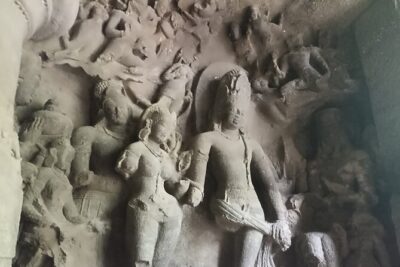
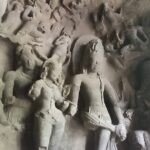
The main attraction is the Shiva Cave, where you’ll see depictions from Lord Shiva’s stories. The centerpiece highlight is the 20-foot-tall Trimurti sculpture, which is the big visual that anchors a lot of the cave’s meaning.
You’ll also learn about the “real meaning” of Hinduism during the visit. The useful part here is not memorizing terms. It’s that a guide helps you read symbols instead of treating everything as decoration.
Beyond the main chamber, you’ll explore other wings with shrines devoted to Shiva’s sons:
- Kartikeya
- Ganesh
This matters because it prevents the visit from turning into a one-photo stop. You get a sense of how the site is organized around related figures and stories, and how the carvings connect.
One more thing I appreciate in how this tour is positioned: you’re not only there to tick off a historic site. You’re there to understand why it was built the way it was, and why it has endured as a worship space for centuries.
Value check: what $24 really gets you (and what to budget)
At $24 per person for a 5–8 hour outing, the base price is attractive—especially because you’re paying for routing, an English-speaking guide, and a structured day.
But you should budget for the extras that aren’t included:
- Entry tickets
- Ferry tickets (for Elephanta)
- Elephanta Caves entry fees
So the value equation is this: you’re not paying $24 to cover every ticket in the day. You’re paying $24 for the guided, organized experience that brings those pieces together with less effort on your side.
Also note this detail from the tour info: the experience includes skip the ticket line. That’s not the same as having all tickets prepaid. It just means the waiting time at entry points should be reduced.
If you’re comparing options, this is the key question: are you the kind of traveler who wants to spend time planning and negotiating tickets? If not, the tour structure usually pays off.
Getting the timing right: 5–8 hours is a real half-day plan
The tour runs 5 to 8 hours, depending on which option you choose and how the day unfolds. That duration can fit well if:
- you have just one day in Mumbai
- you want a broad overview of South Mumbai plus the Elephanta caves
- you prefer a fixed plan in a city where distances and traffic can add up
If you’re tight on schedule, check the option you selected carefully. The tour mentions several combinations, including:
- a Group Elephanta Caves Tour
- a Private Elephanta Caves Tour
- Group Elephanta + Private City Tour
- Group Elephanta + Dharavi Slum Tour
So you’re not stuck with one format. If you mainly care about Elephanta, a standalone Elephanta option might fit better. If you want both city overview and caves, pair versions can be the move.
Practical notes that affect your comfort
Here are the practical bits that can make or break the day:
- Bring comfortable shoes. You’ll be walking through multiple city stops and then moving in the cave complex.
- Carry passport or ID. A copy is accepted.
- Expect possible ferry disruptions. During high tides or heavy rainfall, ferry operations might be disrupted. In those cases, the operator may offer Kanheri Caves or a 25% refund.
- Wheelchair and mobility limits are a concern. The tour is listed as not suitable for wheelchair users and people with mobility impairments. At the same time, wheelchair rental is mentioned as available on-site for an added fee. If you’re relying on a wheelchair, I’d treat this as a route that could be difficult and confirm details directly before booking.
Also, because the pace can be active, I’d plan on a relaxed evening afterward. Even when the day feels smooth, it’s still a lot of movement in one block.
Should you book this Mumbai City Tour with Elephanta Caves?
I’d book it if you want an efficient day that balances icon photos with something truly different. Dhobi Ghat gives you real Mumbai life, while the Elephanta Caves deliver the kind of ancient carvings that make the trip feel worth leaving the city for.
Skip it if you’re trying to minimize walking, or if you hate managing extra costs for tickets and ferry fees. The base price is low, but the day can turn into a more expensive ticket-and-ferry plan once you add entry charges.
And if you care about guide quality: people describe consistently friendly, punctual guides who explain what you’re seeing and keep the day flowing at a comfortable pace. I’d treat that as a strong signal that this is one of those tours where the guide truly matters.
FAQ
What’s the meeting point for the tour?
The meeting point is PizzaExpress, located right next to the Gateway of India. A company representative waits outside the PizzaExpress entrance.
How long does this tour last?
The duration is typically 5 to 8 hours, depending on the option and schedule.
Is the price ($24 per person) all-inclusive?
No. The tour price does not include entry tickets. It also notes that ferry tickets and Elephanta Caves entry fees are not included.
Does the tour include a guide?
Yes. The tour includes an English-speaking guide.
Are ferry tickets included for Elephanta?
No. The information provided says ferry tickets are not included, and the Elephanta Caves entry fees are also not included.
Where does the Elephanta Caves part begin?
It begins with a ferry ride across the bay to Elephanta Island, followed by a guided visit to the caves and then a return ferry ride.
What documents do I need to bring?
You should bring a passport or ID card. A copy is accepted.
What if ferry service is disrupted due to weather?
If ferry operations are disrupted during high tides or heavy rainfall, the operator may offer Kanheri Caves or a 25% refund.
Is this tour wheelchair accessible?
The tour is listed as not suitable for wheelchair users and people with mobility impairments. Wheelchair rental is mentioned as available on-site for an additional fee, but given the suitability note, you should confirm fit for your needs before booking.