REVIEW · MUMBAI SIGHTSEEING TOURS
Private Half-Day Mumbai Sightseeing Tour by Public Transportation
Book on Viator →Operated by Mystical Mumbai · Bookable on Viator
Mumbai looks different when you ride it. This private half-day tour is built around Mumbai’s public transportation, so you see landmarks and daily life side by side—without spending the whole day stuck in a car. You’ll travel with a guide, using local buses, trains, and cabs, plus Mumbai’s well-known black-and-yellow taxis along the way.
Two things I really like: first, the chance to focus on real working places like Dhobi Ghat rather than just picture-taking at famous spots. Second, the guide, Dev, brings the itinerary to life with personal storytelling and an easy, thoughtful conversation that makes the trip feel less like a checklist and more like a human city tour.
One consideration: there’s no hotel pickup, and the tour ends by Churchgate, so you’ll want to plan how you reach the first meeting point near Regal Cinema and how you’ll get back after.
In This Review
- Key things to know before you go
- A Private 4-Hour Mumbai Route That Uses the City’s Transit
- Regal Cinema and Chhatrapati Shivaji Terminus: Starting With Story and Style
- BB Dadar Market: Flowers as Commerce, Not Just Color
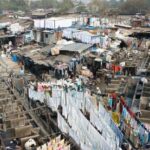
- Dhobi Ghat: Watching Laundry Work in the Open
- Chor Bazaar: Flea-Market Myths and Street-Level Buying
- Churchgate Station and the Dabbawallas: Lunch Logistics at Scale
- Public Transit, Private Guide: Why the Transportation Style Matters
- Price and Value: What $80 Covers and What to Plan For
- Who This Tour Suits Best (and Who Might Skip It)
- Should You Book This Mumbai Public-Transit Tour?
- FAQ
- How long is the private half-day Mumbai sightseeing tour?
- Where does the tour start and where does it end?
- Is transportation included in the price?
- What is included besides sightseeing?
- Is food included in the tour price?
- Is hotel pickup provided?
Key things to know before you go
- A private tour for only your group, but still riding the city’s normal transit
- Transit fares included, so you’re not paying extra hop-by-hop
- Stops that mix architecture, work life, and street-market culture
- You’ll cover Regal Cinema, Chhatrapati Shivaji Terminus, Dhobi Ghat, Chor Bazaar, and more in about 4 hours
- Tea and bottled water are included, but meals aren’t
- The tour runs from Colaba (Regal Cinema area) to Churchgate (Maharshi Karve Rd)
A Private 4-Hour Mumbai Route That Uses the City’s Transit
This is a smarter way to see Mumbai if you like movement, not just monuments. Instead of teleporting between sights, the tour uses local buses, trains, and taxis, which gives you a sense of the city’s rhythm and how people actually get around.
You’re also getting a guide who can translate what you’re looking at. When you’re dropped into a new city, it’s easy to miss the point—why a place is where it is, what a crowd is doing, or why a landmark matters beyond its photo. With Dev, the trip leans heavily on explanation and conversation, not just navigation.
The best part is the balance. You’ll spend real time at working or market areas, and you’ll still hit major sights like Chhatrapati Shivaji Terminus, where the architecture tells its own story.
You can also read our reviews of more private tours in Mumbai
Regal Cinema and Chhatrapati Shivaji Terminus: Starting With Story and Style
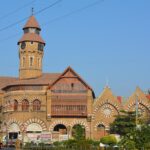
You start at Regal Cinema near Colaba Causeway. It’s an Art deco movie theatre, and the building carries a bit of movie-world lore—its first film screening is noted as The Devil’s Brother (1933) featuring Laurel and Hardy. Even if you don’t care about old cinema, this sets a good tone: Mumbai isn’t only about religion or beaches. It’s also about entertainment, design, and long-running institutions.
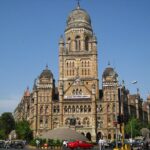
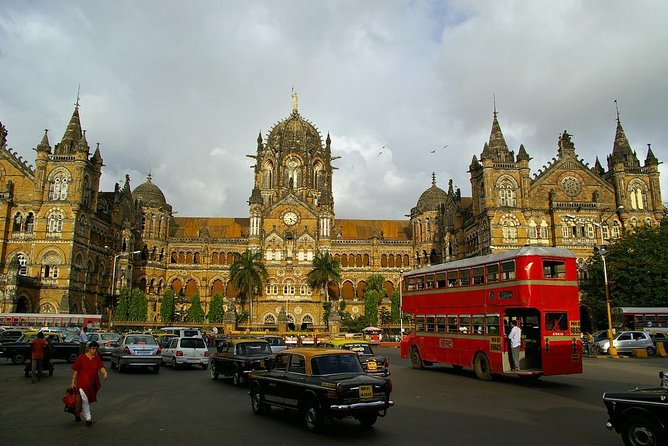
Next is Chhatrapati Shivaji Terminus (also called CST). This is a major railway station, and it’s busy—one of the busiest stations in India. The architecture is a big reason to pay attention: the station was designed by British engineer Frederick William Stevens and built in the Victorian Italianate Gothic Revival style, with construction beginning in 1878.
I like this pairing because it gives you two different kinds of historical “proof.” Regal Cinema is a cultural landmark with early-1900s style. CST is industrial grandeur with a clear engineering footprint. Together, they help you see why Mumbai grew the way it did.
Practical note: plan to look up as well as around. At CST in particular, the details are part of the experience, and your guide can point them out while you’re still moving.
BB Dadar Market: Flowers as Commerce, Not Just Color
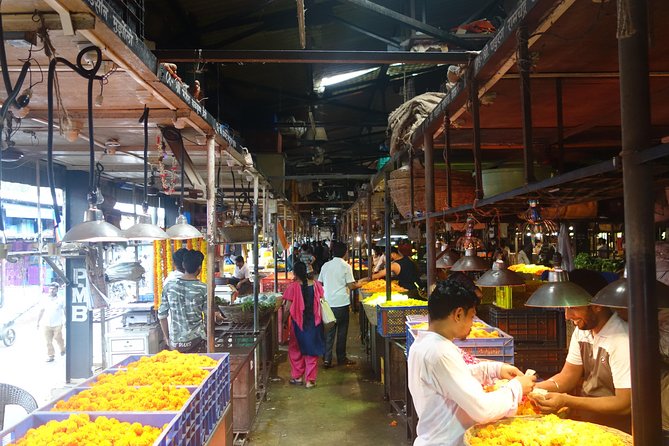
After the stations, you’ll head to BB Dadar Market, a fresh flower market where you can watch auctions and see a wide variety of blooms. This stop is short enough to stay easy on your schedule, but it’s long enough to notice how quickly the market turns over.
The value here is simple: flowers aren’t just decoration in Mumbai. They connect to daily rituals, ceremonies, and the constant flow of events that give the city texture. Even if you aren’t buying anything, you get a feel for the supply chain—people arriving with stock, pricing activity, and the speed of commerce.
What I recommend: give yourself permission to slow down for a few minutes. Look at how vendors present bundles, how buyers respond, and how movement works in a place that’s basically built for fast exchanges. This is one of those stops where a good guide matters, because you’re not just watching plants—you’re watching an economy in motion.
Dhobi Ghat: Watching Laundry Work in the Open
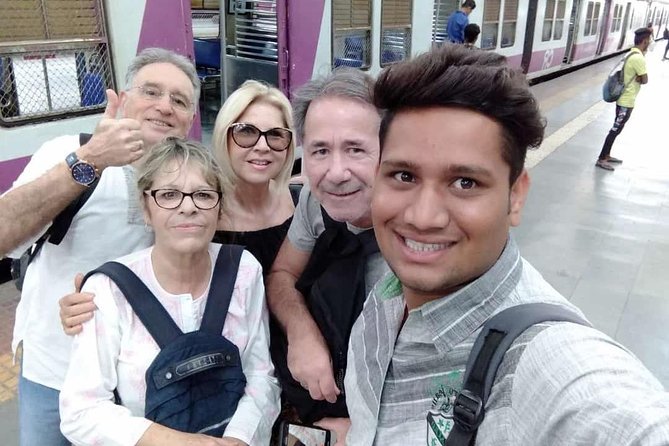
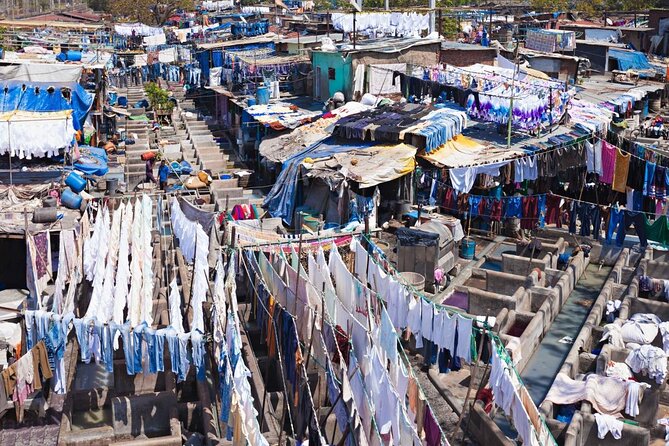
Then comes Dhobi Ghat, an open-air laundromat where dhobis (washers) clean the clothes and linens used by Mumbai’s hotels and hospitals. It’s described as being constructed in 1890, and the working setup is what makes it compelling: washing happens outdoors, in a system that has been functioning for generations.
This stop is one of the most memorable on the route because it shifts your view from landmark sightseeing to real labor. You’re seeing services behind the scenes—the kind of work most visitors never schedule time for. The guide’s explanations help you connect what you see with why it matters: the city runs on logistics, and Dhobi Ghat is a vivid example.
Consideration: this is not a quiet, museum-like stop. It’s active and practical. If you prefer highly staged environments, you might find it a bit intense. But if you want authenticity, this is the heart of the tour.
Bring a bit of respect for the workers’ space. Stay aware of where you’re standing and what’s happening around you, since this is still a working area.
Chor Bazaar: Flea-Market Myths and Street-Level Buying
Next is Chor Bazaar, one of the largest flea markets in India. The name comes from the word chor, meaning thief in Marathi and Hindi, and there’s a popular legend that if you lose something in Mumbai, you can buy it back from Chor Bazaar.
Whether you believe the legend or not, the market’s atmosphere makes the story feel believable. You’re walking through stalls with an energy that’s part commerce, part scavenger-hunt mood. This is also a good place for your guide to point out patterns—how bargaining works in spirit, how merchandise gets categorized, and what you should and shouldn’t expect to find.
Tip: treat it like a browsing stop, not a shopping mission. If you go in with a clear idea—souvenirs, small items, or just a sense of what people trade—you’ll enjoy it more and waste less time.
Chor Bazaar is also where the tour’s “see Mumbai like a local” promise becomes concrete. This is street-level city culture, not staged entertainment.
You can also read our reviews of more tours and experiences in Mumbai



Churchgate Station and the Dabbawallas: Lunch Logistics at Scale
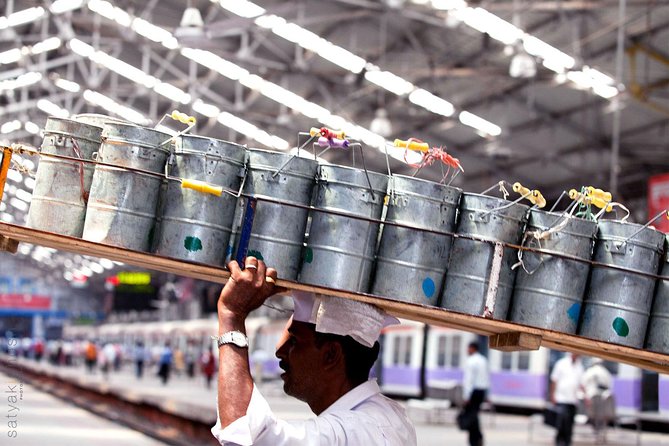
The final major stop is Churchgate Railway Station, where you’ll get a look at the dabbawallas—the people who organize lunchbox delivery across the city. The number given is striking: they deliver 200,000 lunchboxes every single day.
This part of the tour is about order in motion. You’ll be watching a system where timing matters and coordination matters. Even without inside details, it’s impressive to stand near the delivery flow and realize how many meals are being organized through a network that depends on reliability.
I like how this wraps the day. You started with buildings—cinema and rail architecture—then you moved into labor and markets—laundry and flea shopping—and now you end on a practical logistics miracle: food delivery at massive scale.
It’s also a good “contrast stop.” After hours of seeing people work and sell, lunchbox organization shows a different side of civic life: planning, routine, and repeatable trust.
Public Transit, Private Guide: Why the Transportation Style Matters
The transportation method is the real differentiator. You’re not only visiting places; you’re learning the routes that connect them. The tour uses local buses, trains, and cabs, and it specifically mentions the use of Mumbai’s legendary black and yellow taxis.
That matters because public transit in a big city is more than a way to get from A to B. It’s a window into crowd behavior, city spacing, and what neighborhoods connect to each other. With a private guide, you’re less likely to feel lost or stuck waiting around.
This setup also helps you get through traffic reality without turning the whole day into a gridlock study. Still, expect normal city pacing. A half-day tour doesn’t mean everything will happen instantly. The tradeoff for authenticity is time that follows real-world rhythms.
One more reason this works: your guide can translate what you’re seeing while you’re moving. When you’re on transit, the explanations become part of the travel experience instead of something you only get at the stops.
Price and Value: What $80 Covers and What to Plan For
At $80.00 per person for about 4 hours, the headline value is that fare for all transportation is included. In Mumbai, that can add up quickly if you rely only on taxis or repeated rides without a plan.
Along with transit, the tour includes:
- a local guide
- tea and bottled water
- group discounts (when available)
What’s not included is food and drinks unless specified, and there’s no hotel pickup and drop-off. That last point is worth treating as a cost of convenience, because you’ll pay in time and planning to get to the meeting point near Regal Cinema and then finish near Churchgate.
If you’re someone who hates transportation surprises, this package helps. You know most of the expenses up front, and you spend your energy on the experience instead of on figuring out tickets and routes.
Who This Tour Suits Best (and Who Might Skip It)
This tour is a great match if you want to see Mumbai through working life and street markets, not just postcard stops. It also suits you if you like travel with conversation and a guide who explains details while staying friendly and human—especially since Dev is a standout for sharing personal stories and keeping the mood relaxed.
It’s also a good choice if you’re comfortable with public transit environments. The tour is near public transportation and lists that most travelers can participate, so you’re not being pushed into extreme situations. Still, you should be ready for active stops like the market and Dhobi Ghat area.
Consider skipping it if you want a totally car-based tour, if you need long sit-down meal breaks, or if you strongly prefer only “pretty views” over places that show real work.
Should You Book This Mumbai Public-Transit Tour?
If your ideal Mumbai day includes Dhobi Ghat, a major rail landmark like CST, and at least one market stop with real street energy, then yes, this is worth booking. The structure—private guide plus public transportation—is the kind of combo that keeps the experience from feeling generic.
Book it if you want practical travel value: transport fares included, tea and water covered, and a guide who makes the day feel personal. The best reason to choose it is the way the tour connects places with people, especially through Dev’s conversation and self-sharing style.
I’d only hesitate if you don’t want to handle getting yourself to the start near Regal Cinema, or if you dislike active working areas. If that sounds like you, a more traditional car-and-monuments tour may fit better.
FAQ
How long is the private half-day Mumbai sightseeing tour?
The tour duration is about 4 hours.
Where does the tour start and where does it end?
It starts at the Regal Cinema Building near Colaba (Chhatrapati Shivaji Maharaj Marg, Apollo Bandar, Colaba) and ends at Maharshi Karve Rd in Churchgate.
Is transportation included in the price?
Yes. Fare for all transportation used during the tour is included.
What is included besides sightseeing?
The tour includes a local guide and tea plus bottled water.
Is food included in the tour price?
No. Food and drinks are not included unless specified.
Is hotel pickup provided?
No. Hotel pickup and drop-off are not included.