REVIEW · ELEPHANTA CAVES TOURS
Mumbai Elephanta Caves Private Half-Day Tour including Guide
Book on Viator →Operated by Mystical Mumbai · Bookable on Viator
Rock-cut gods on an island ride are a great Mumbai break. The Elephanta Caves are a UNESCO site across the harbor, where you’ll spend a half-day walking through Hindu and Buddhist rock art with a guide doing the explaining. With a private setup (only your group) and local storytelling, it’s an easy way to make sense of carvings that would otherwise feel like “cool statues” and not a whole visual language.
I love the chance to meet the caves through a living guide lens. Names like Sameer (island local) and Raj have popped up in past groups, and the common thread is they point out what to look for and how the scenes connect, including photo tips so you don’t miss the big moments. I also like that you’re not limited to one section: you get the main Shiva Cave plus smaller areas with Buddhist connections, so the island feels layered rather than one-note.
The only real drawback is the day has “out in the sun” energy. You’ll have a ferry ride (about an hour each way) and some moderate walking on steps and paths, so bring sunscreen and comfy shoes—and do check that your package matches your expectations about what’s included, since a few people have reported different experiences with guide timing and costs.
In This Review
- Key things I’d plan for on Elephanta
- From Colaba to Elephanta: the ferry run that makes it work
- The Shiva Cave walk: why the main carvings hit so hard
- Buddhist caves and the “bigger picture” your guide should explain
- What a “private” guide really means here
- Included extras that can improve your half-day
- Price and value: $105 isn’t just a tour price
- Practical tips so the day feels smooth
- Who should book this, and who might skip the tour
- Should you book the Mumbai Elephanta Caves private half-day tour?
- FAQ
- How long is the Mumbai Elephanta Caves private half-day tour?
- Where do we meet for the tour?
- Is the ferry and cave entry included?
- Is hotel pickup included?
- What languages are available for the guide?
- Can lunch be included?
- What should I wear or bring?
Key things I’d plan for on Elephanta
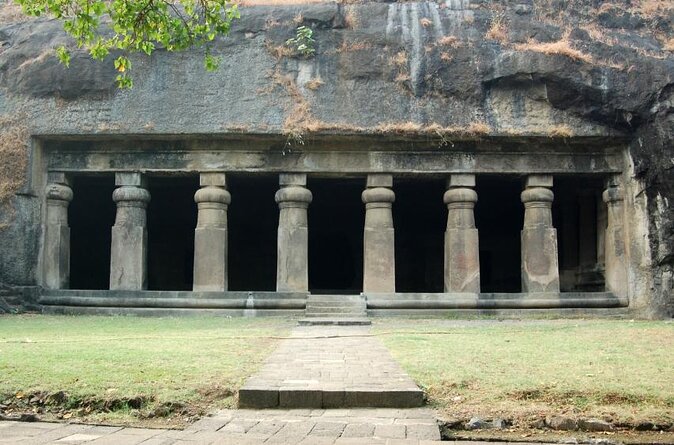
- The ferry sets the pace: expect about an hour each way and plan your photos and water timing for the ride.
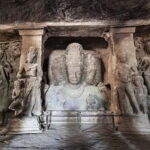
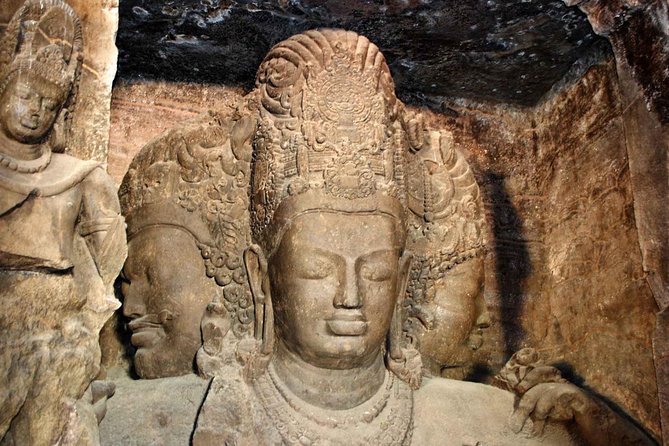
- Shiva Cave is the headline: huge sculptures like the Trimurti (around 20 feet tall) and many Shiva scenes.
- You’ll get the symbolism, not just the statues: guides explain why the caves were carved and what you’re seeing.
- You may be guided in segments: people have experienced guide hand-offs from Mumbai to the island.
- Lunch can become the highlight: the family lunch option adds a human, local layer to the visit.
From Colaba to Elephanta: the ferry run that makes it work

Your day starts in South Mumbai near Colaba at Regal Cinema (opposite the Chhatrapati Shivaji Maharaj Vastu Sangrahalaya). From there, you’re routed to the harbor area where you catch a ferry for the crossing to Elephanta Island.
Plan for the ferry ride as part of the experience, not just a commute. It’s roughly an hour each way, and you get a different view of Mumbai from the water. One practical note: the sun can be strong, so it helps to bring a hat/scarf and keep water and sunscreen in your day bag.
Also notice how timing affects comfort. If you arrive when ferry crowds are building, lines and crowd flow can slow you down. A lot of the value here is having a guide manage where you stand, when you move, and how you move—so you’ll usually feel less rushed than if you show up alone and start “winging it” at every junction.
If you’re traveling with a group, the private format matters. This is set up so only your group participates, but you may still see different people manage different segments (for example, one person assisting at the Mumbai side and another greeting you on the island). That doesn’t have to be bad—it just means you’ll want to listen closely to your instructions at each transfer point.
You can also read our reviews of more guided tours in Mumbai

The Shiva Cave walk: why the main carvings hit so hard
Elephanta is famous for rock-cut art that turns myth into sculpture. Once you disembark, your guide takes you through the cave complex, where you’ll move from outer sections toward the main interior.
The main show is the Shiva Cave, packed with carving scenes and sculpture details connected to Hindu stories. You’ll see large iconography for figures like Shiva and key aspects of his mythology, including scenes such as Shiva’s marriage and his slaying of Andhaka. Your guide should point out how the layout is meant to be read, not just admired.
One “you have to see it” landmark is the Trimurti sculpture, about 20 feet tall. In person, that scale changes everything. Instead of feeling like a single statue, it starts to feel like an environment you’re walking into, where the proportions are part of the message.
You’ll also notice shrines devoted to Shiva’s sons, including Kartikeya and Ganesha. This is where guided interpretation pays off: without someone explaining the connections, it’s easy to miss that the caves are arranged to teach a chain of ideas across different spaces.
A historical twist adds depth. The outer caves were used for Hindu worship until Portuguese rule, while smaller areas further in are associated with Buddhist caves. That mix helps you understand why the island doesn’t feel like one single temple style—it feels like a site layered over time.
Buddhist caves and the “bigger picture” your guide should explain
Even if the Shiva Cave is your main reason for going, don’t skip the smaller areas. The complex includes zones that are linked with Buddhist caves, and a good guide will help you connect the dots between the different religious art traditions.
What I like about this part of the tour is how it changes your mental model. You start treating Elephanta as a museum of separate artifacts, then your guide reframes it as a cultural space that evolved. That shift makes the carvings feel less random.
You’ll likely hear why the caves were carved and how symbols are meant to be recognized. You might talk about how posture, gestures, and the way scenes are grouped can point toward specific meanings. This is also where the guide’s speaking style matters. People have had great results with guides who live on the island and can translate myth into clear, human stories. Names that have come up include island guides like Sameer, and in other segments you may meet people who help manage the route and context around Mumbai’s older layers.
One practical consideration: if you hate walking on uneven stone paths, you’ll want to keep your pace steady. It’s not a hike, but it is a cave complex with steps and narrow areas where you’ll share space.
What a “private” guide really means here
Private means your group has a guide assigned for your visit, not a big cattle-car tour where you never get answers. In real life, though, Elephanta logistics can still involve short hand-offs between people—so you may meet one helper around the ferry departure, then another guide on the island, and then someone helps you return to your transport.
That hand-off is a recurring theme in past experiences, and it’s usually manageable as long as you get clear meeting points and times. The best case is smooth coordination where you never feel stranded. When things go well, you feel cared for rather than handled.
The guide experience is where you’ll notice the difference most. People have described island-born guides as particularly strong, especially with photo framing and small details that make a statue “click.” For example, guides such as Anthony have shown up in ferry-side roles, and Vishal has been mentioned as helping with the transfer experience. Meanwhile, cave narration often comes from island guides like Sameer.
Language options also matter. The tour offers a license guide who may speak English, Spanish, or German depending on the option you choose. A caution from experience: language matches the purchase you make. If you book Spanish, make sure Spanish is truly confirmed for your slot—one past cancellation-related issue wasn’t about the tour content, it was about a guide not speaking the promised language.
Bottom line: if you want meaning, not just sightseeing, this guide-led format is the value.
Included extras that can improve your half-day
This tour includes more than just “time with a guide.” Your package includes ferry to Elephanta Island, Elephanta cave entry fees, and the Elephanta Village Tax. It’s also designed to include a toy train ticket, plus options such as a family lunch.
The family lunch option can be a memorable change of pace. Instead of another quick restaurant meal, you may eat with a local family. If you like cultural texture—how people talk about their own home, what daily life looks like—this can become the best part of the schedule.
One thing to flag: not every itinerary element is spelled out in detail, especially how the toy train ticket fits into your movement around the site. What I can say from the provided info is that it’s included, so look for how your guide uses it during your island time.
Also consider hotel pickup/drop-off. It’s not included in the standard setup, and you may be able to add air-conditioned vehicle transfer for an extra cost (listed as USD 40 for 1–4 pax). If you’re staying far from Colaba, that option can reduce stress and help you arrive on time.
You can also read our reviews of more private tours in Mumbai




Price and value: $105 isn’t just a tour price
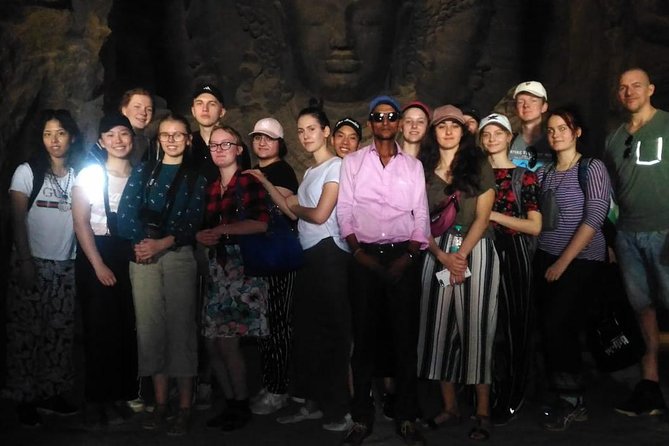
At $105 per person, you’re paying for a bundle: ferry crossings, cave entry, a guide, plus taxes tied to the island experience. For a half-day, the value depends on what you’d otherwise spend and how much you’d pay to avoid confusion.
If you plan to go solo, you’d still need ferry transport and cave entry. You’d also need to figure out timing and interpretation on your own. The guide portion is what turns the site from “pretty carvings” into a story you can follow with confidence.
That said, pricing can feel sensitive if your experience doesn’t match what you expected. Some people have reported additional payments for ferry and entrance, and a few mentioned the tour didn’t feel as private as advertised. I can’t fix that from here, but you can protect yourself with one simple step: confirm, in writing or in your booking details, exactly what is included for your language option and group size, including ferry and cave entry.
There’s also a practical detail: guide language options have different prices, so the $105 figure depends on what you selected. If you’re comparing tours, compare apples to apples: same language, same ferry coverage, same entry fees included, and the same group/personal setup.
If you want the best value, I’d treat this as a guided cultural visit first, not a cheap way to reach the caves.
Practical tips so the day feels smooth
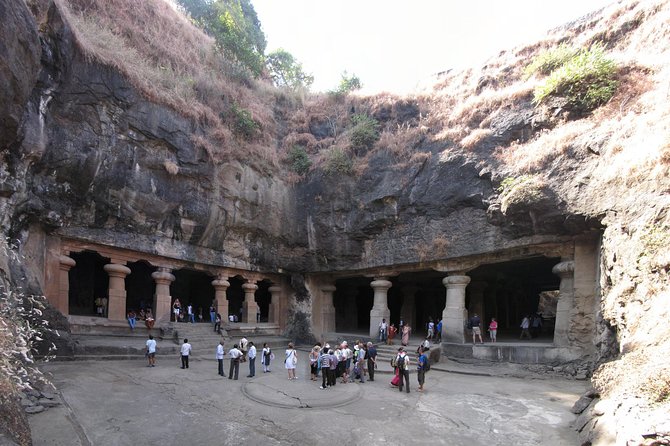
Elephanta is a mix of sun, stairs, and stone. So your planning should be boring in the best way.
Wear comfortable walking shoes. You’ll do moderate walking on uneven surfaces and through stair zones. Sunscreen and sunglasses are smart, and a hat or scarf helps, especially on the ferry. There’s no strict dress code, but this is a place of worship, so skip spaghetti straps and very short shorts.
Bring a small day bag with water and something for sun protection. You’re on a fixed schedule, and the ferry ride is long enough that you don’t want to be rationing comfort.
Photo tips matter here. The caves have big sculptures and shadowy corners. A good guide can help you position yourself so you can capture the Trimurti scale without turning your camera into a sweaty workout. People have specifically praised guides who take great photos while working around crowds.
Finally, pace the souvenir shopping. There are market shops lined along the steps on the way in and out, and you’ll feel tempted to bargain on the way back. If shopping matters to you, decide in advance what you’re buying so you don’t get dragged into decisions while you’re tired and sun-warmed.
Who should book this, and who might skip the tour
You should book this if you want meaning with your sightseeing. A guided walk is ideal if you’re curious about Hindu and Buddhist symbolism, want clear explanations of what you’re seeing, and like having a person manage the flow so you don’t waste time guessing.
It also fits families with kids aged 10 and up, since that’s the stated minimum age. If your group includes older teens or adults who can handle a half-day of steps, you’ll likely feel the benefits fast.
You might consider skipping a guided tour if you mainly want a quick look, already know the symbolism, or you strongly prefer doing everything at your own pace. Some people say you don’t need a guide for the visit itself, but even then, a guide can still reduce confusion and improve your photos.
If your biggest worry is the boat ride, keep in mind it’s part of the deal. The ferry is about an hour each way, and it can be hot and sunny.
Should you book the Mumbai Elephanta Caves private half-day tour?
Yes, if you want a guided interpretation of a UNESCO site that’s hard to read on your own. At $105 with ferry and cave entry included, this is a solid half-day value when you factor in the guide time and the fact that you won’t have to piece together the logic of the carvings.
I’d book it especially if you’re the type who likes questions answered while you’re standing in front of the statue. Names like island guide Sameer have stood out for local knowledge and photo help, and that’s exactly the kind of payoff that makes a short trip feel big.
Just do one thing before you go: double-check that your chosen language and what’s included matches your confirmation. That’s the simplest way to avoid surprise costs or confusion about how the private setup works in practice.
FAQ
How long is the Mumbai Elephanta Caves private half-day tour?
The tour runs about 4 hours total.
Where do we meet for the tour?
The meeting point is Regal Cinema, Colaba Causeway, opposite Chhatrapati Shivaji Maharaj Vastu Sangrahalaya, Apollo Bandar, Colaba, Mumbai.
Is the ferry and cave entry included?
Yes. Ferry to Elephanta Island and Elephanta cave entry fees are included, along with the Elephanta Village Tax.
Is hotel pickup included?
No. Hotel pickup and drop-off by airconditioned vehicle is available for an extra charge.
What languages are available for the guide?
The guide is available in English, Spanish, or German depending on the option you select, and pricing can differ by language.
Can lunch be included?
Yes, you can add a local family’s home lunch with the lunch-inclusive option.
What should I wear or bring?
Wear clothes that are respectful for places of worship. Bring comfortable walking shoes, and it’s also recommended to pack sunglasses/sunscreen and a hat or scarf for ladies.