REVIEW · CITY TOURS
Mumbai City Tour with Ferry Ride and Dharavi Slum
Book on Viator →Operated by India Magic Tours · Bookable on Viator
Mumbai is a city of sharp contrasts. This tour strings together a Dharavi slum walk with major South Mumbai icons like Gateway of India, Marine Drive, and the rail-and-empire drama at Chhatrapati Shivaji Terminus, then tops it off with a coastal ferry ride.
I especially like the way the day is paced for a short visit: hotel pickup, an air-conditioned private vehicle, and a guide who can explain what you’re seeing. One thing to consider: timing can swing with Mumbai traffic, and the ferry/Mani Bhavan stop can change based on the season and your start time.
In This Review
- Key things to know before you go
- The big idea: why this Mumbai loop works so well
- Getting to the sights: hotel pickup, private AC, and Mumbai traffic
- Dharavi slum walking tour: what you’ll see and how to handle it respectfully
- Dhobi Ghat: watching the old laundry system at work
- Hanging Gardens on Malabar Hill: quick views that fit the schedule
- Mani Bhavan Gandhi Museum: when it’s included and what it’s like
- Marine Drive and Oval Maidan: the South Mumbai postcard, plus the architecture
- Gateway of India, Town Hall, and Chhatrapati Shivaji Terminus: a rail and empire story
- Colaba ferry ride from Apollo Bunder: the coastline moment
- Price and value: what you’re paying for at $96 per person
- Why the guide can make or break your day (and real examples)
- Practical tips: modest dress, shoes, and pacing with heat
- Who this tour is best for (and who may want a different plan)
- Should you book this Mumbai City Tour with Dharavi Slum?
- FAQ
- How long is the Mumbai City Tour?
- What’s included in the price?
- Are meals included?
- Is pickup available from hotels and the airport or port?
- Is photography allowed in Dharavi?
- Will the ferry ride always run?
- Can I visit Mani Bhavan if I start later in the day?
- What’s the cancellation policy?
Key things to know before you go
- Dharavi walking time (about 1 to 1.5 hours): you’ll see both residential and commercial areas.
- No photos in Dharavi: the tour is strictly photo-free in the slum area.
- Gandhi at Mani Bhavan (entrance included): you’ll visit only if your slot isn’t after 4 PM.
- South Mumbai classics on foot and by car: Marine Drive, Oval Maidan, Gateway of India, plus heritage architecture stops.
- Ferry ride from Apollo Bunder (Colaba): may not run during monsoon season (July 1 to Sept 15).
- Private comfort: pickup/drop-off, bottled water, and a private AC vehicle for the long drives.
The big idea: why this Mumbai loop works so well
This isn’t a monument-only day, and that’s why it feels memorable. You start with the kind of place most people only hear about from afar, then you shift to the polished sweep of South Mumbai’s famous streets and buildings. The contrast is the point, but it’s also how you get a more honest sense of Mumbai: daily life, big institutions, and city viewpoints all in one day.
You’ll also get something practical. Mumbai’s roads are not a calm place to be. With a private car and a guide managing the stops, you spend less time guessing what’s next and more time actually looking.
You can also read our reviews of more city tours in Mumbai



Getting to the sights: hotel pickup, private AC, and Mumbai traffic
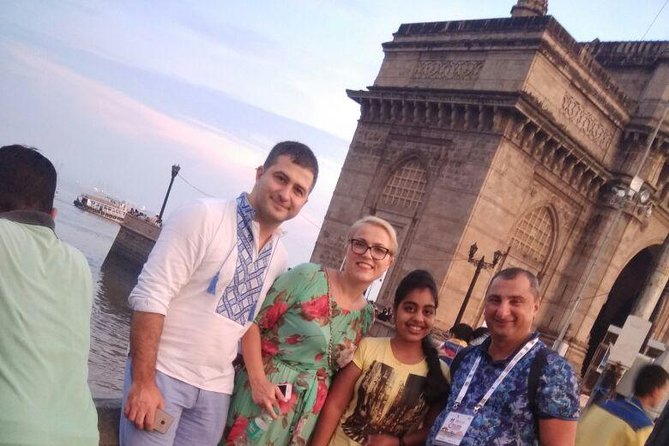
The tour runs about 8 hours and includes pickup and drop-off from your accommodation or the port/airport. That matters in Mumbai because travel time can be the hidden cost of a “quick” city day. Having your own air-conditioned vehicle helps you stay functional when the sun is strong and the streets feel chaotic.
You’ll likely spend part of the day on the move between South Mumbai landmarks and Dharavi. The upside is you don’t have to coordinate transit on your own. The catch is you should mentally budget for delays. If you’re the type who wants a perfectly timed checklist, this city day can be a little less clockwork than you expect.
Dharavi slum walking tour: what you’ll see and how to handle it respectfully

Dharavi is the heart of this experience. You’ll walk for about 1 to 1.5 hours, with a guide who takes you through both residential and commercial parts of the area. That mix is important. Dharavi isn’t just a single scene—it’s a patchwork of homes, small businesses, and real routines that keep the community going.
From the reviews and the way the tour is described, the best versions of this stop feel thoughtful, not sensational. Guides often know people on the ground and can explain what’s normal there, which makes the walk land with less shock and more understanding.
A few rules are non-negotiable:
- Photography is strictly not allowed in the slum area.
- Dress modestly before you go in.
- Plan for moderate walking and uneven streets.
Practical tip: wear closed shoes you don’t mind getting warm. This is a human-scale walk, not a quick drive-by. If you’re rushing, you’ll miss the details your guide is trying to show you.
Dhobi Ghat: watching the old laundry system at work
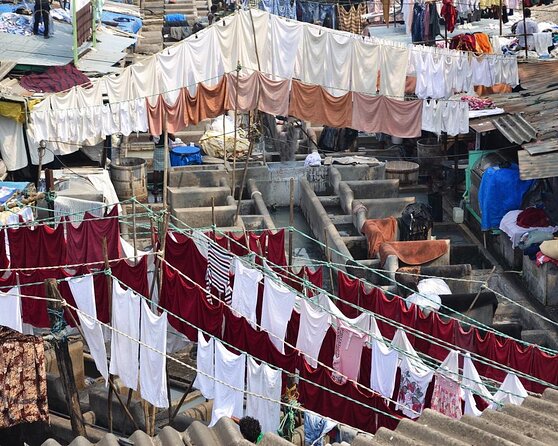
After Dharavi, the itinerary typically includes Dhobi Ghat, a traditional laundry stop where a dhobi collects dirty linen, washes it, and returns it neatly pressed. The description is very specific: ghats are the laundry areas, and the work supports daily life for a lot of people on a small budget.
This stop is short (about 15 minutes). That’s both good and limiting. Good, because you can see the concept without turning it into a long distraction. Limiting, because you won’t get a deep “how it all runs” explanation unless your guide has time to pause for questions.
One detail to budget for: the admission ticket here is listed as not included, so be prepared to pay a small amount on the spot if needed.
Hanging Gardens on Malabar Hill: quick views that fit the schedule
Next comes a classic Mumbai viewpoint stop: Hanging Gardens (also known as Ferozeshah Mehta Gardens). You’ll reach them on Malabar Hill’s western side, and the setup is designed for views over the coast—great when the light is softer.
This is a quick visit (about 20 minutes), which fits nicely between heavier cultural stops. It also gives you a mental breather: you’re not walking through tight lanes or museum galleries. You’re standing and looking at the city’s edge.
If you like photos, keep expectations realistic. The tour is structured for time, not for long photo sessions. But you’ll still get a useful skyline angle if you’re there at the right moment of the day.




Mani Bhavan Gandhi Museum: when it’s included and what it’s like
Mani Bhavan is the museum piece in the itinerary. It’s Gandhi’s old residence in Mumbai, a two-storied home that now holds a reference library (with over 2000 books) and a photo exhibition of Gandhi’s life.
You’ll spend around 20 minutes there, and the entrance is listed as included. One key timing rule: if your tour slot is after 4 PM, Mani Bhavan would not be shown. So if Gandhi-focused history is a must for you, pick an earlier start.
This stop works best if you’re okay with a more reflective, indoor pace. You’re not just collecting landmarks—you’re grounding the day with a person and ideas that shaped modern India.
Marine Drive and Oval Maidan: the South Mumbai postcard, plus the architecture
Marine Drive is one of those places where Mumbai feels instantly recognizable. The boulevard is described as a C-shaped concrete road with multiple lanes that stretches about 3 km along the coastline. It’s not just a viewpoint; it’s also a statement about how the city built its glamorous face along the bay.
Expect about 25 minutes. You’ll likely get a walk-by or short stop long enough to take it in without turning it into a full detour.
Then there’s Oval Maidan, a heritage precinct with Victorian neo-Gothic buildings from the 19th century. The other side includes major institutions like Bombay High Court and Mumbai University. The tour time is around 20 minutes, and entrance is listed as included.
This is a good section for architecture lovers and people who like context. You’ll understand how South Mumbai’s “official” spaces connect to the era that shaped the city’s public buildings.
Gateway of India, Town Hall, and Chhatrapati Shivaji Terminus: a rail and empire story
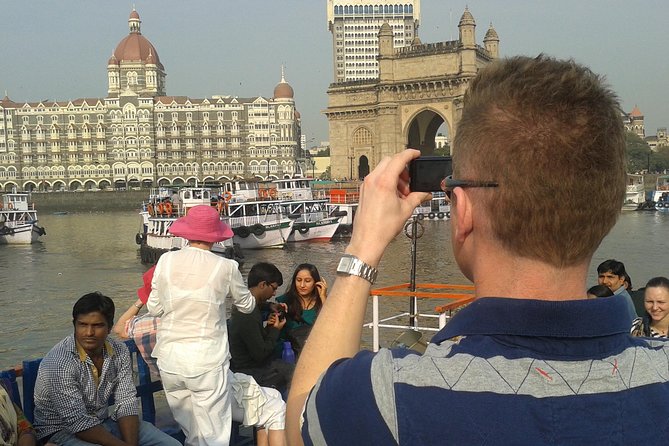
The itinerary usually builds toward Mumbai’s most famous monument area: Gateway of India. It’s described as a triumphal arch built to commemorate the visit of King George V and Queen Mary. It’s also a common starting point for exploring the city, which means you’ll see why it’s such a magnet.
You’ll spend around 30 minutes. That’s enough time to read the monument vibe and take a few in-person looks from different angles.
From there, you may pass by Town Hall, described as one of the most majestic Victorian Bombay remnants among other heritage buildings. It’s the kind of stop that gives you one more anchor point to the city’s old architectural grammar.
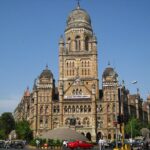
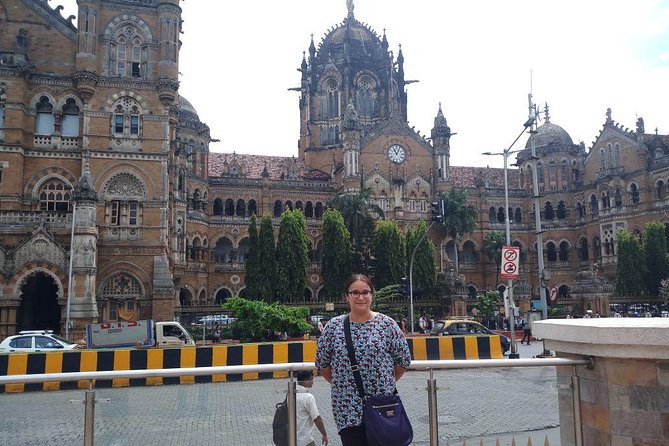
Finally, you’ll reach Chhatrapati Shivaji Terminus (listed as 15 minutes). This station is described as being modeled on St Pancras Station in London, with carved stone friezes, stained glass windows, and flying buttresses. If you’ve ever loved European railway grandeur, this one hits that same nerve—but with Mumbai scale and character.
Colaba ferry ride from Apollo Bunder: the coastline moment
One of the most soothing parts of the day is the ferry ride. The itinerary typically includes a 30-minute cruise along Mumbai’s coastline from Apollo Bunder in Colaba.
In a city that often feels like traffic and noise, this is a real shift. You get to see the shore without heat and congestion pressing in from every direction. The ferry is also a good way to connect all the other stops, since you’ve been moving through the city’s landmarks and then you see where they sit along the water.
Important change rule: the ferry may not be operational during monsoon season from July 1 to Sept 15. If that happens, the tour notes an alternate plan: you’ll either see the Taj Mahal Palace hotel from inside, or you’ll be provided snacks.
So if the ferry is the main reason you booked, plan around the season. If it’s monsoon, consider it a bonus when it runs, not a guarantee.
Price and value: what you’re paying for at $96 per person
At $96 per person, this is not a budget walk with free stops. You’re paying for a full-day structure with private logistics.
Here’s what’s included:
- Hotel/port/airport pickup and drop-off
- Transport in a private air-conditioned vehicle
- A local guide
- Bottled water
- Entrance fees for multiple stops (Dharavi, Mani Bhavan, Oval Maidan, Gateway area is free, and other included items are specified in the itinerary)
- The ferry ride is included when it runs
What you should budget extra for:
- Food and drinks are not included.
- Souvenir photos are available to purchase.
Value-wise, the math makes sense if you want both halves of Mumbai in one day: Dharavi + South Mumbai heritage. The guide time, private transport, and multiple admissions are doing a lot of the heavy lifting so you don’t spend your day figuring things out.
If your goal is only to check famous monuments with minimal walking, you might feel this is pricier than a simpler sightseeing circuit. But if you want a day that explains Mumbai, this price is closer to fair.
Why the guide can make or break your day (and real examples)
This tour lives or dies by guidance. In the reviews, several guides are singled out by name, and the common thread is context and sensitivity.
- Divya is praised for making Dharavi feel like an informed cultural visit, not a careless drive-through.
- Rahul is praised for helping a short visit feel complete and understandable.
- Kamlesh is noted for strong confidence in the area and clear, careful explanations.
- Kirtan is described as both entertaining and able to personalize the day, including adjusting around a requested lunch stop like pav bhaji (food itself is still something you’d pay for).
Drivers also matter in Mumbai. People mention safe, steady driving in heavy traffic, which sounds boring until you realize how much stress good driving removes from the day. Names that come up include Vikrant, Pradeep, and Pathak.
Bottom line: if you book, treat the guide like your map. Ask questions early. Tell them what you care about most—Dharavi context, Gandhi, architecture, viewpoints, or the ferry—so the day fits your interests.
Practical tips: modest dress, shoes, and pacing with heat
Mumbai weather can swing your comfort fast, and the tour operates in all weather conditions. That means you should prepare for heat and possible rain.
Do this before you go:
- Dress modestly.
- Wear comfortable shoes for a 1 to 1.5 hour walk in Dharavi.
- Bring a light layer for shade and wind, and plan for warm conditions.
- Remember the no-photography rule in Dharavi.
Also, be realistic about time windows:
- If you start after 4 PM, Mani Bhavan won’t be part of the visit.
- If you’re traveling during monsoon season, the ferry may be replaced.
If you arrive expecting zero schedule changes, you may get grumpy. If you arrive expecting a flexible, guided day, you’ll probably enjoy it more.
Who this tour is best for (and who may want a different plan)
This tour is ideal if you have limited time and want a guided day that covers the city’s extremes: life at ground level and the famous South Mumbai landmarks.
It’s also a good fit if you:
- want hotel pickup and private transport to reduce stress
- like learning from a local guide in context
- are comfortable with a walk that shows real living conditions
You might reconsider if you:
- hate walking for 1 to 1.5 hours
- strongly dislike any stop that deals with poverty and crowding
- need a strict, unchanging schedule for one or two must-do sites (because ferry/Mani Bhavan timing rules can affect the route)
Should you book this Mumbai City Tour with Dharavi Slum?
If you want a one-day outline of Mumbai that includes both the famous and the real, I think this is a solid choice. The best version of this tour gives you Dharavi with context and respect, then follows it with enough South Mumbai highlights to make the whole day feel balanced. The private AC transport and hotel pickup are practical value, not just nice-to-have.
I’d book especially if your itinerary is tight and you like having a guide steer the order and explanations. Just pick your start time carefully if Mani Bhavan matters to you, and if you’re in monsoon season, treat the ferry ride as likely but not guaranteed.
FAQ
How long is the Mumbai City Tour?
It runs for about 8 hours.
What’s included in the price?
Pickup and drop-off, transport in a private air-conditioned vehicle, a local guide, bottled water, and entrance fees for several stops. The ferry ride is included when operational.
Are meals included?
No. Food and drinks are not included.
Is pickup available from hotels and the airport or port?
Yes. Pickup and drop-off are included from accommodations and from the port/airport.
Is photography allowed in Dharavi?
No. Photography is strictly not allowed at slums, including Dharavi.
Will the ferry ride always run?
Not necessarily. The ferry may not be operational during monsoon season from July 1 to Sept 15. In that case, the tour notes an alternate plan such as seeing Taj Mahal Palace hotel from inside or receiving snacks.
Can I visit Mani Bhavan if I start later in the day?
Mani Bhavan is not shown if you select a tour slot after 4 PM.
What’s the cancellation policy?
You can cancel up to 24 hours in advance for a full refund. Changes within 24 hours aren’t accepted, and no refund is provided if you cancel less than 24 hours before the start time.