REVIEW · MUMBAI CITY TOURS
Private Mumbai Highlights Tour (5 Hours)
Book on GetYourGuide →Operated by Explore Mumbai Tours · Bookable on GetYourGuide
Mumbai hits you fast—in a good way. This private Mumbai highlights tour is a tight 3–5 hour circuit that mixes big landmarks with everyday city life, guided by real locals and driven in an air-conditioned car. I like the way it gets you oriented quickly: Gateway of India for the icon view, then straight into the streets that make Mumbai feel like Mumbai.
I especially love the pairing of major sights with meaningful context. Mani Bhavan Gandhi Museum gives you a clear thread to India’s independence story, while the stops around it help you see how that history lives alongside current life.
One consideration: with so many stops packed into a half day, you won’t get long, slow time at every single place. Also, food and drinks aren’t included, so plan for snacks if you’ll be out through lunch.
In This Review
- Key things I’d plan around
- A 3–5 hour plan that actually works in Mumbai
- What I like about the pacing
- The one thing to watch
- Gateway of India and Oval Maidan: the city’s stage set
- Why these two stops matter
- Marine Drive, Kamala Nehru Park, and Hanging Gardens: sea air and skyline angles
- A practical note for your photos
- Mani Bhavan and Dhobi Ghat: memory and work life side by side
- Why I think this part is worth the time
- Chhatrapati Shivaji Maharaj Terminus (CST) and Crawford Market: heritage meets appetite
- About food on this tour
- How the guides shape the experience (names I’d remember)
- Price and value: why this is a smart first look
- What’s not included (so you don’t get surprised)
- Who this tour is best for
- Should you book the Private Mumbai Highlights Tour?
Key things I’d plan around

- Hotel pickup and drop-off in Mumbai City keeps your day from turning into logistics homework
- English live guide means you’re not just looking—you’re understanding what you’re seeing
- Icon + contrast stops: Gateway of India, Marine Drive, Mani Bhavan, Dhobi Ghat, and CST in one loop
- High-rated transport (88% gave it a perfect score) matters when the streets feel chaotic
- Markets in the mix like Crawford Market help you experience daily Mumbai, not only monuments
- You can get extra flexibility with time spent at each stop, depending on what you care about
A 3–5 hour plan that actually works in Mumbai
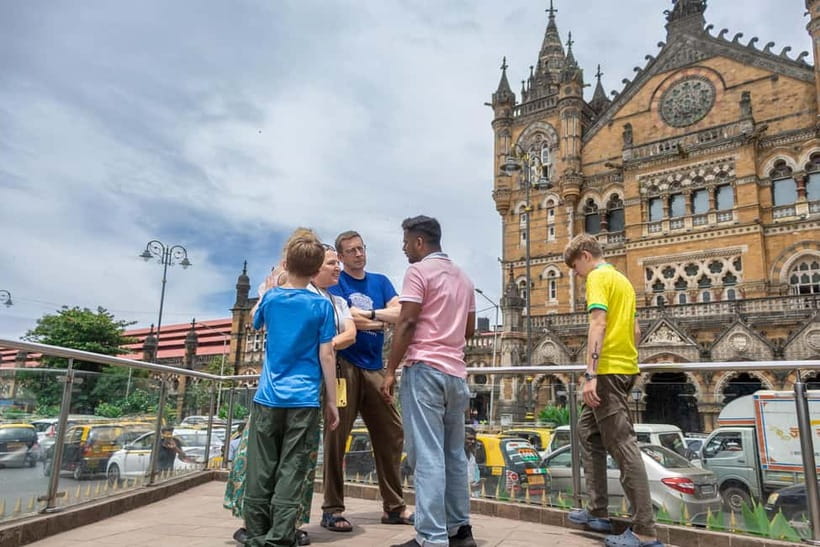
This is a private or small-group tour built for limited time. You get a live English-speaking guide and an air-conditioned vehicle, plus bottled water to keep the day practical. If you’re trying to decide what to see on a first trip, this format helps you get your bearings fast.
The tour includes free pickup and drop-off in Mumbai City. Pickup is optional, and if it’s included you coordinate via WhatsApp so you meet at your hotel. By the end, you’re dropped back out in the city—one of the listed drop-off options includes areas like Dadar, plus a PizzaExpress location.
You can also read our reviews of more private tours in Mumbai

What I like about the pacing
Mumbai rewards momentum, but it also punishes poor planning. This tour keeps you moving between major areas without making you figure out routes or timing on your own. In the 3–5 hour window, you’ll cover an impressive spread: sea views, memorials, heritage architecture, and a working market.
The one thing to watch
If your idea of a great day is reading every placard and lingering for hours, this may feel like speed-walking. The upside is you leave with a strong overview and can come back later for deeper time.
Gateway of India and Oval Maidan: the city’s stage set
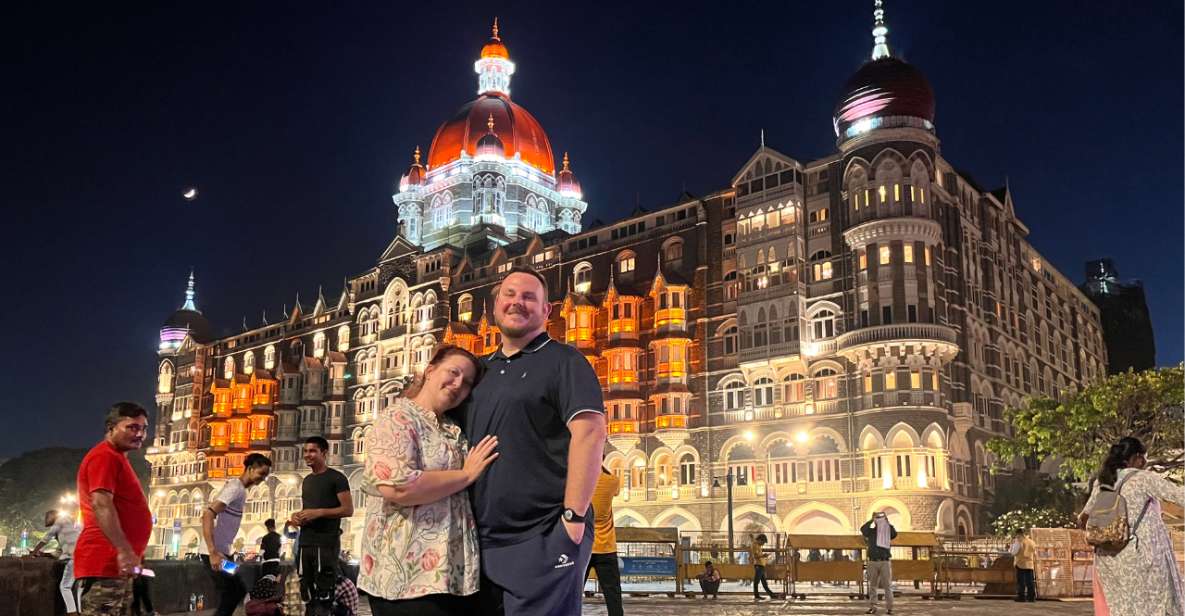
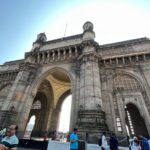
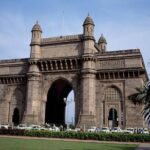
You start with Gateway of India, one of the most recognizable symbols in Mumbai. It’s not just a pretty landmark—your guide frames it as part of the city’s colonial-era story, then connects it to why this shoreline area became a public meeting point. Even if you’ve seen photos, standing there helps you understand the scale and the crowd energy.
Next comes Oval Maidan, a big open space that gives you a breather from street-level chaos. It’s a useful stop for perspective: you can look at the city’s architecture and understand why this part of Mumbai developed into a ceremonial and administrative center. Expect a short time here, more about orientation and viewpoint than museum-style time.
Why these two stops matter
This combo helps you see Mumbai in two layers. Gateway gives you the iconic shoreline narrative, while Oval Maidan shows the urban planning and civic character behind the scenes. It’s also a nice way to start before you head into markets and working-city sights.




Marine Drive, Kamala Nehru Park, and Hanging Gardens: sea air and skyline angles
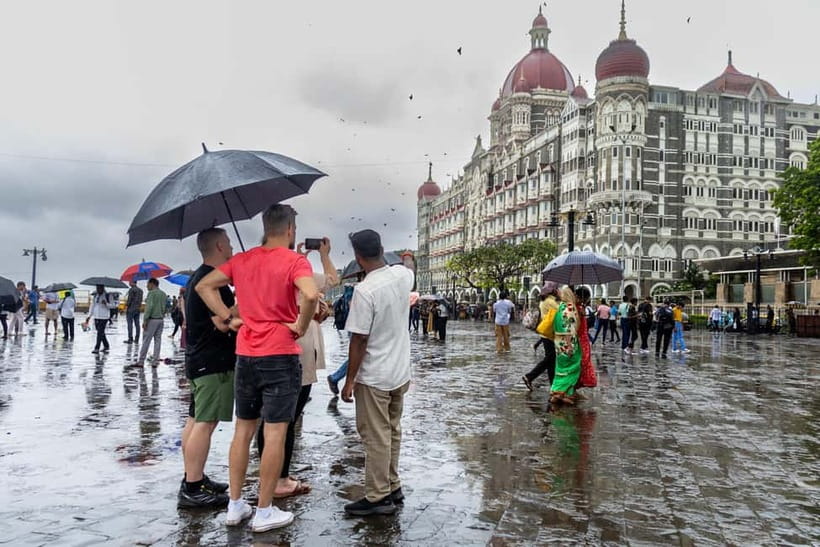
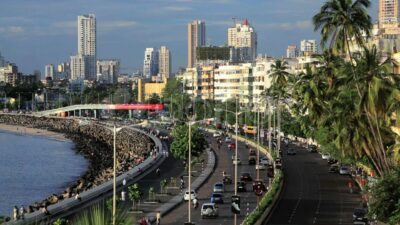
Now you get the part of Mumbai that feels like a pause button: Marine Drive. This seaside stretch is famous for its calming feel, and it’s also one of the easiest places to photograph the city from a distance. Your guide can point out what to watch for—how the skyline sits along the water, and why this strip is a social magnet.
From there you continue to Kamala Nehru Park and then Hanging Gardens Mumbai. These stops shift the day into views and vantage points. If you’ve only been moving through streets, these are the moments that let you reset your brain and take in Mumbai as a skyline, not just a sidewalk.
A practical note for your photos
Bring a phone camera habit that’s ready for quick moments. These lookouts are great, but the time window is limited in a half-day tour—so you’ll want to decide early what you want to capture: wide skyline shots, shoreline angles, or street-level texture from above.
Mani Bhavan and Dhobi Ghat: memory and work life side by side

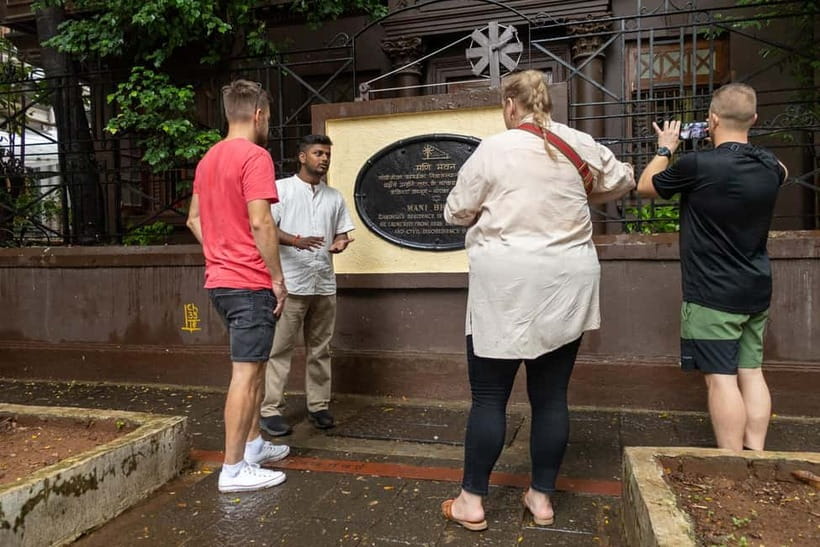
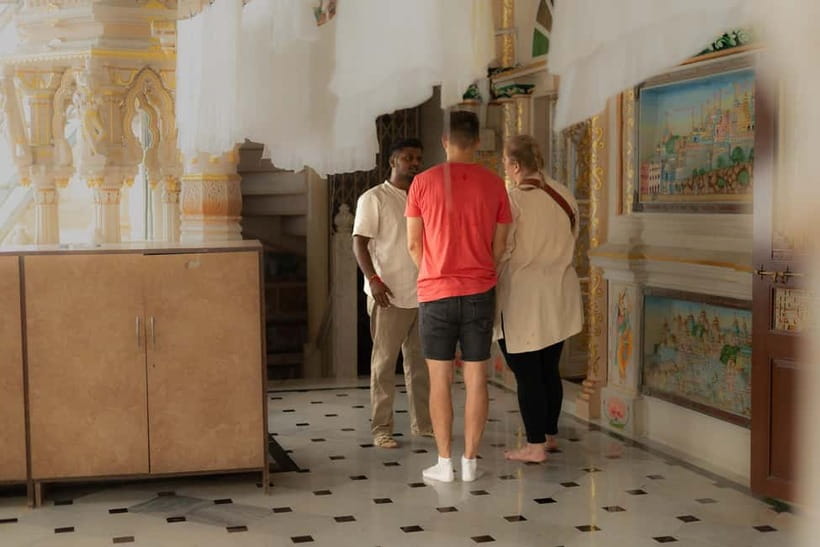
One of the strongest stops on the route is Mani Bhavan. You’ll visit the Gandhi Museum, and your guide will connect what you see to India’s independence legacy—particularly how the political movement shaped daily ideas and leadership in Mumbai. This is the kind of visit that makes the rest of the day click, because it gives the city a human story behind the monuments.
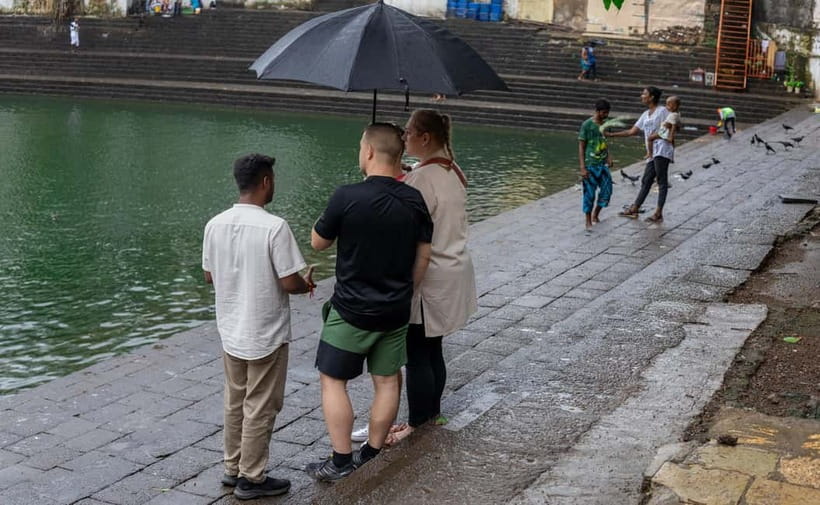
Then you move to Dhobi Ghat, a working area known for laundry activity. This isn’t an abstract history stop. It’s a live look at labor and routine in action. Your guide’s job here is important: explaining what you’re seeing without turning it into a sideshow, and helping you understand why this place matters to how Mumbai functions.
Why I think this part is worth the time
Many city tours in India give you monuments only. This one balances that with real-life rhythm—heritage plus the work that keeps the city moving. When a guide is strong, these stops can change how you understand everything else you saw earlier.
In past tours on this route, guides like Jay, Javed, and Yash were singled out for explanations that made the day feel like a lesson without being boring. That matters most at stops like Mani Bhavan and Dhobi Ghat, where context is the difference between seeing and understanding.
Chhatrapati Shivaji Maharaj Terminus (CST) and Crawford Market: heritage meets appetite

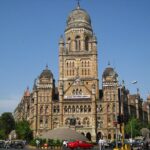
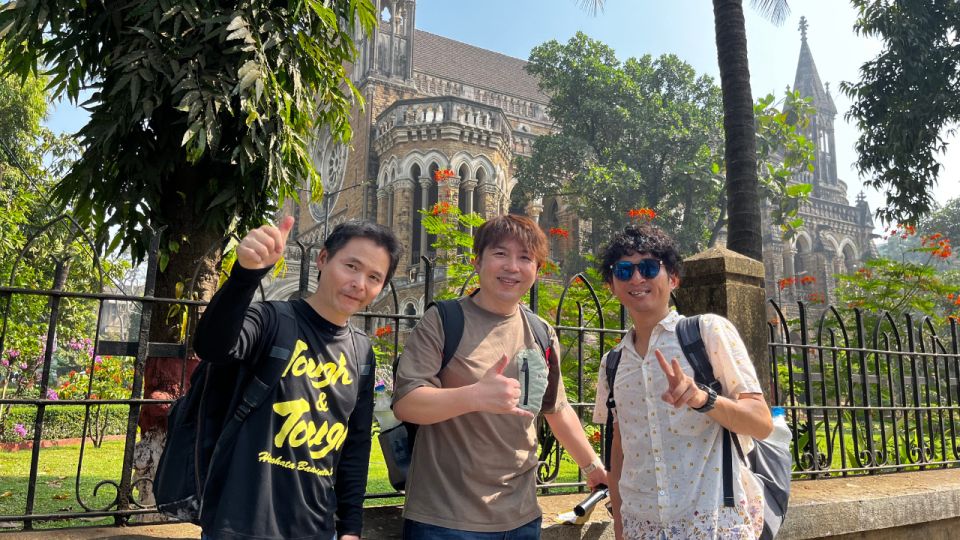
Next up is Chhatrapati Shivaji Maharaj Terminus (CST). This is one of those places where architecture can feel like a time machine. Your guide will talk through what you’re looking at and why it’s significant, helping you notice details beyond the obvious facade. It’s a strong stop for anyone who likes history that you can actually point to in stone and structure.
Then you head to Crawford Market, a classic Mumbai market stop. Here the tour shifts into sensory mode: what you see, what you smell, and the sheer momentum of people moving through the space. Your guide’s commentary helps you make sense of the mix of commerce and community—so it doesn’t just feel like crowds for crowds’ sake.
About food on this tour
Food and drinks aren’t included. That’s normal for a city highlights tour, but it does affect your day planning. If you’ll be hungry, decide ahead of time where you’ll eat after the tour or bring a snack strategy so Crawford Market is something you can enjoy without rushing.
How the guides shape the experience (names I’d remember)
On this kind of tour, the guide matters more than the checklist. In the feedback you’ll hear over and over, strong guides are praised for clear English, pacing that doesn’t feel rushed, and being able to answer questions on the spot.
You might meet guides like Chirag, Suraj, Abhishek, Balaji, Ayan, Sharon, or Yash—people specifically noted for thorough explanations and accommodating questions. Drivers have also been praised for safe, steady driving through crowded streets, which is a big deal in Mumbai where traffic can turn surprising fast.
A fun bonus: several guides are mentioned for photo help. That’s not just about taking pictures; it’s about timing and angles—where to stand so you don’t block people, and where to look so the building and the street line up.
Price and value: why this is a smart first look
At about $16 per person, this tour is priced for value if you want a structured overview. What you’re paying for isn’t only the route—it’s the guide’s interpretation and the included logistics: air-conditioned vehicle, bottled water, and all fees and taxes. Free pickup and drop-off in Mumbai City also removes a common headache.
Where it becomes an even better deal is in the mix. You get multiple iconic sights, a major memorial stop at Mani Bhavan, a working-city visit at Dhobi Ghat, plus market time at Crawford Market. Doing all that efficiently on your own is possible, but it’s usually slower and more stressful—especially if you only have a half day.
What’s not included (so you don’t get surprised)
Food and drinks. That’s it. Everything else tied to the tour experience is included as listed.
Who this tour is best for
This is a great fit if you:
- have limited time in Mumbai and want a quick, guided overview
- prefer a private or small-group setup over joining a large bus group
- want history context without spending your day inside one building
- like a mix of architecture, sea views, and market life in one loop
It’s also a good choice for solo travelers. In prior experiences on this route, female solo travelers mentioned feeling safe and supported by the guide and driver pairings, which is exactly what you want from a private city tour.
If you’re the type who wants museum-level depth at Mani Bhavan or wants to linger at CST for hours, you might still love it—you’ll just likely treat this as your orientation day, then come back later for slower exploring.
Should you book the Private Mumbai Highlights Tour?
Yes, if you want an efficient, well-guided first look at Mumbai’s main public landmarks plus real city rhythm. The best reason to book is the balance: sea views and skyline moments, Gandhi-era context at Mani Bhavan, working-life perspective at Dhobi Ghat, and market time at Crawford Market—all within a manageable half day.
Skip it only if you’re hoping for long stays, deep museum time, or a self-paced itinerary where you can wander indefinitely. For first timers, this tour gives you a clean starting point—and once you know what you like, Mumbai becomes much easier to explore on your own.