REVIEW · ELEPHANTA CAVES TOURS
Private Elephanta Caves: Private Half-Day Tour from Mumbai
Book on GetYourGuide →Operated by Mystical Mumbai · Bookable on GetYourGuide
A three-headed Shiva waits offshore. This private half-day trip from Mumbai sends you to Elephanta Island to see the Elephanta Caves, where Hindu and Buddhist devotion is carved straight into basalt mountains. You’ll go with a local guide who helps you spot what matters, from towering figures to the stories built into the stone.
I love the sheer scale of what you’re looking at, especially the 20-foot Trimurti in the main Shiva Cave. I also like the personal attention of a private guide, with enough time for questions and for photos that actually capture what you’re seeing.
One thing to consider: your plan can get disrupted by scheduling limits. The caves close every Monday, and bad weather or high tides can stop ferry service, forcing a cancellation or change of timing.
In This Review
- Key things that make this tour work well
- Ferry First: Getting from Mumbai to Elephanta Island Without Stress
- The Shiva Cave: Where the carvings feel like a story
- Trimurti and the side shrines: what to hunt for with your eyes
- How the private guide changes the tour (and your photos)
- Island time: breaks, views, and that little shopping stop
- Practicalities that actually affect your day
- Clothing and entry rules
- Videography
- When the tour can pause
- Getting around and accessibility
- Price and logistics: why $82 can be good value
- Who should book this private Elephanta Caves tour
- Should you book this Private Elephanta Caves tour?
- FAQ
- How long is the Private Elephanta Caves tour from Mumbai?
- What’s included in the price?
- Do I need ID to enter?
- What should I wear for the caves?
- Is video recording allowed inside the caves?
- Are the caves open every day?
- What if there’s high tide or heavy rain?
- What languages are the live tour guides?
Key things that make this tour work well
- Shiva Cave first: you focus on the most important carvings without guessing your way through
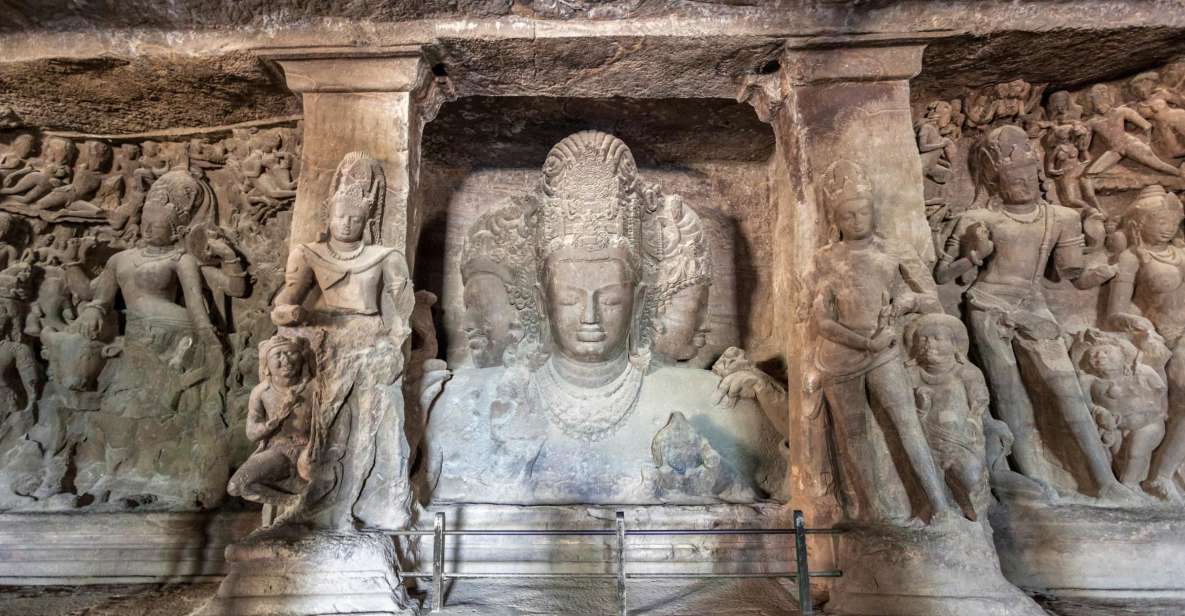
- Trimurti at full scale: the three-headed 20-foot Shiva is the kind of detail your eyes need help finding
- Short transit, big payoff: ferry plus a quick tram ride keeps your cave time efficient
- A guide for the meaning, not just the sights: you’ll connect symbols to stories in plain language
- On-island rules are real: no videography and no sleeveless shirts keep you on the right side of entry rules
- Ferry views you’ll remember: the ride out can include classic Mumbai skyline sights like Gateway to India and the Taj Palace Hotel
Ferry First: Getting from Mumbai to Elephanta Island Without Stress

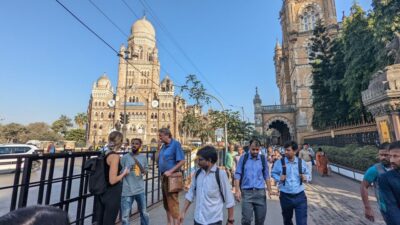
The day starts with pickup in Mumbai, and it’s built for convenience. You’ll be collected from a city location (within Mumbai city limits), then taken to the dock area for the ferry hop. The whole schedule is paced for a half-day: you’re not stuck commuting all day, and you’re not rushing through the caves like it’s a timed quiz.
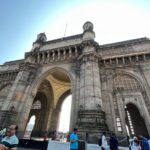
The ferry ride is the “reset button” part of the trip. It takes under an hour across the bay, and the timing is exactly why this works even if you only have one afternoon. From the water, you get a different angle on Mumbai than you’ll get from streets or hotel windows. If skies cooperate, you can also spot famous sights like Gateway to India and the Taj Palace Hotel from the shoreline.
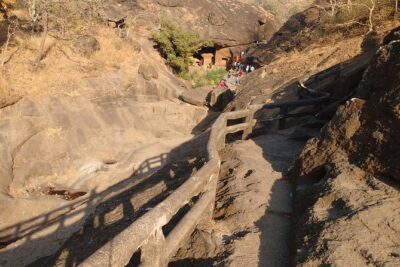
Then comes a quick transfer on the island. You’ll take a short tram ride (about 10 minutes) from the dock area toward the cave zone. This matters because it cuts down the hardest walking before you even reach the carvings. If your legs are the limiting factor, that small bit of transport helps you save energy for the actual caves, which take time.
Practical note: the tour runs best when you start early. You’ll feel less rushed once you’re on Elephanta, and you’ll be less vulnerable to small delays that happen when ferries and local transfers shift.
You can also read our reviews of more private tours in Mumbai


The Shiva Cave: Where the carvings feel like a story
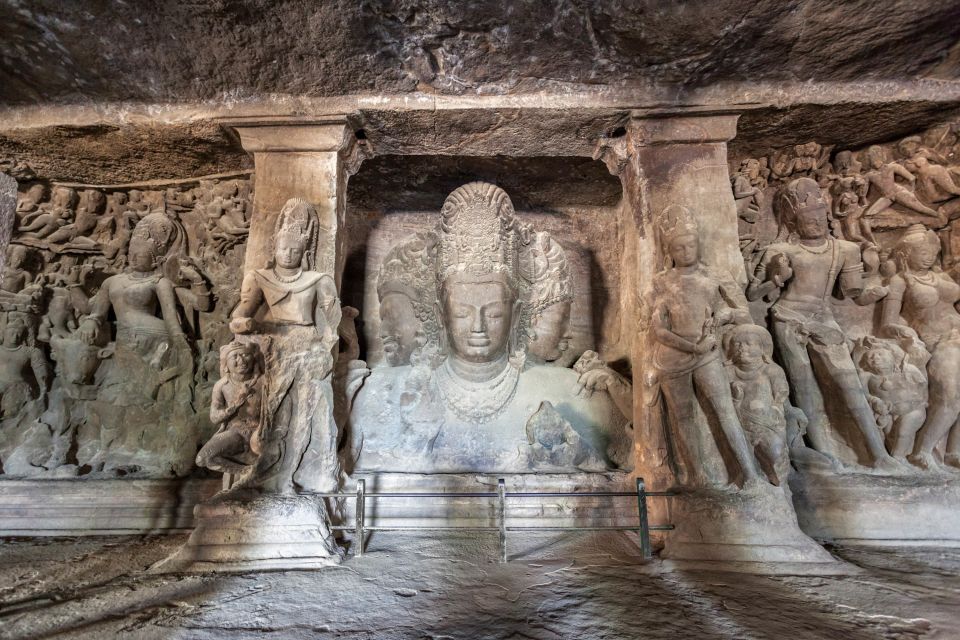
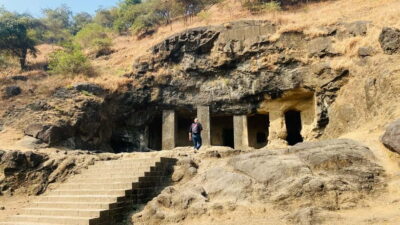
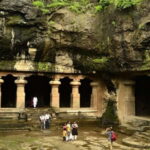
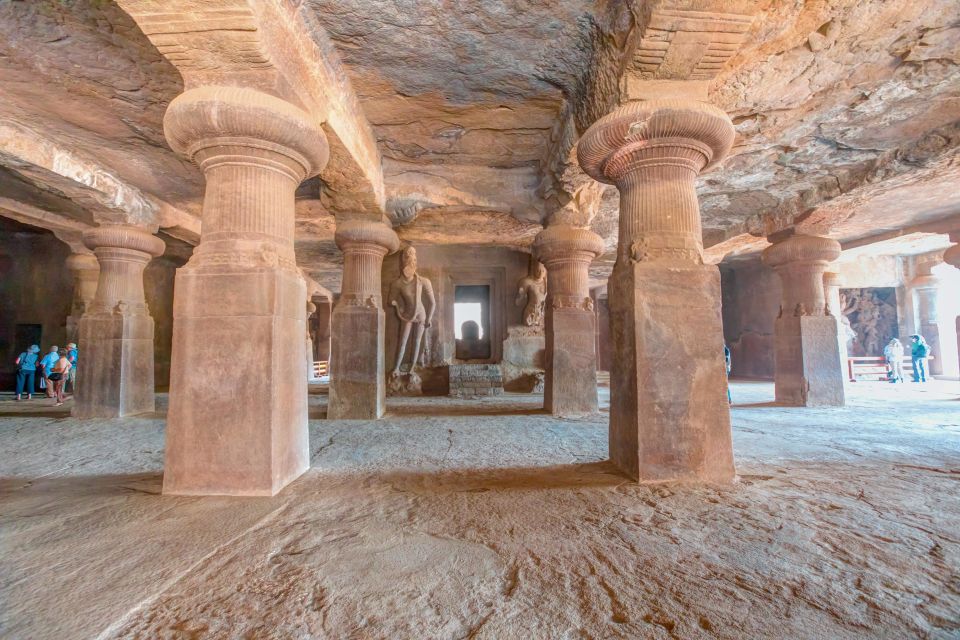
Elephanta Caves are carved directly into the island’s basalt rock, and that “cut-stone” approach is the whole point. These were sacred worship spaces starting around the 5th to 7th century, with Hindu and Buddhist influence over time. When you’re standing among the columns and arched colonnades, it’s hard not to feel the intention behind the work: the cave architecture is part of the ritual space.
Your guided walk focuses on the main chamber, commonly called the Shiva Cave. This is where you’ll spend your core viewing time (about two hours in the caves overall, plus your breaks and photo stops). The guide helps you look beyond what looks impressive and into what the figures represent.
Here’s what makes this cave visit hit:
- You see Shiva through multiple episodes, not just one statue. The carvings reference different aspects of his myth and symbolism.
- You’re surrounded by stone forms that were meant to be read slowly. The guide’s commentary turns it from “big statues” into “connected stories.”
Dress and behavior matter here. You’re moving through sacred spaces, so plan for modest entry requirements and keep the tour pace respectful. Also, note that videography isn’t permitted on the island, so don’t get surprised once you’re there.
Trimurti and the side shrines: what to hunt for with your eyes
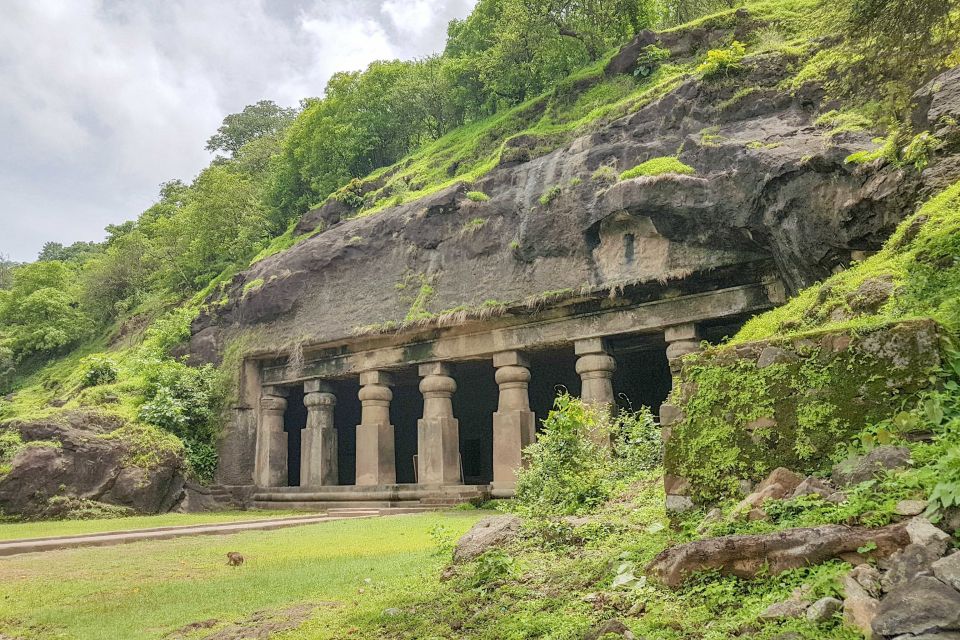
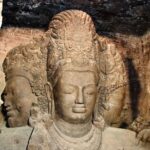
If there’s one moment that typically becomes the photo people actually show later, it’s the Trimurti: a 20-foot-tall Shiva portrayed with three heads. It’s big enough that your brain takes a second to register scale. That’s where the guide earns their place on the tour. A good guide doesn’t just point. They show you where to stand, what angles bring the faces forward, and how the carvings relate to the larger Shiva theme in the cave.
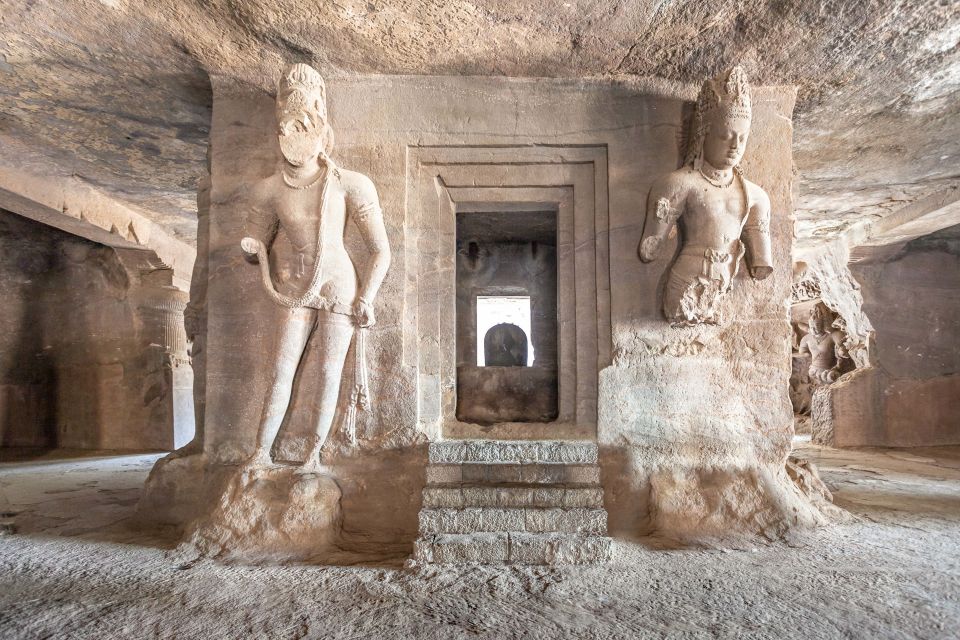
You’ll also see other shrines branching off from the main chamber. These areas focus on Shiva-related figures, including shrines dedicated to his sons: Kartikeya and Ganesh. The artistry is similar in ambition—stone figures meant to convey identity, power, and meaning—but the expression and visual cues differ. With guidance, you’ll start noticing the patterns people usually miss when they’re left to “walk and hope.”
One small reality check: the caves are built of heavy stone, so lighting can feel uneven. You’ll do better if you lean into the guide’s timing. If you rush ahead, you may miss how the scene changes as you move from one part of the cave to the next.
Also, keep an eye on what doesn’t fit the original devotional feel. Portuguese use of the site as target practice is mentioned in accounts of the caves, and you may notice damage that doesn’t match the careful carving style. It’s not comfortable to see, but it gives the place a fuller, more honest historical context.
How the private guide changes the tour (and your photos)
A private Elephanta tour is not just about having fewer people around. The real value is that you’re not translating symbols on your own while trying to keep up.
The guide you get makes a big difference. In this tour experience, guide quality shows up in three practical ways:
- They explain Hindu gods and practices in plain language as you walk through the caves.
- They help you spot the key carvings fast, so you don’t waste time wandering.
- They tailor the pace based on your questions and photo needs.
The personal feel comes through in the way guides handle time. You might get more attention if you’re asking lots of questions, or you might get help slowing down where the carvings reward close looking. Either way, the point is that the tour isn’t built around a rigid script.
The guide support often continues beyond the main chamber. You’ll be shown key areas across the island, including opportunities for a temple stop. And if you’re the type who wants photos that look like you knew where you were standing, the guide’s help can be the difference between generic snapshots and images where the subject actually dominates the frame.
From experience with this kind of tour setup, I also like that the logistics are handled for you. One reason many people book is that the entry flow, transfers, and timing can be fiddly. With a guide who coordinates the cave time, you spend more of the half-day looking and less of it managing details.
Island time: breaks, views, and that little shopping stop
This tour gives you more than caves. Between ferry legs, tram transfers, and the cave walk, there’s time for a photo stop and a short island circuit. The idea is to help you place the caves within the island’s overall layout, not just treat it like a single photo location.
Inside the cave zone, you’ll have breaks built in. The schedule includes a short stop time that can help you catch your breath and check your camera setup. A quick photo pause also helps because you’ll likely want a few different angles of the main Shiva features.
There’s also a shopping stop. Souvenirs aren’t included, so you’re in charge of spending. Still, having a small market moment built into the flow can be a nice “memory check.” If you like buying locally made items and you don’t want to hunt on your own after the ferry, it’s convenient.
One more detail that matters: the tour includes the right kind of viewpoints on the island route. You’ll see scenic angles on the way, which can help you connect the stone carvings to the bay setting. Even if you’re focused on history, these outward views prevent the experience from feeling like you’re only underground.
You can also read our reviews of more tours and experiences in Mumbai



Practicalities that actually affect your day
A half-day sounds easy until you hit real-world rules. Here are the ones that matter most for planning.
Clothing and entry rules
You’ll need to dress appropriately for entry. The big one: no sleeveless shirts. Comfortable shoes are also strongly recommended because you’ll be walking and moving through uneven cave surfaces and approach paths.
Videography
Video recording isn’t permitted on the island. Photography is typically what people do, but keep your camera use within the rules. If you rely on video for vlogs or teaching, you’ll want to adjust expectations before you go.
When the tour can pause
Two schedule threats exist:
- The caves are closed every Monday.
- During high tides and high rainfall, the ferry may not operate, and the activity can be canceled or rescheduled.
This is why I always suggest checking your travel calendar before you commit. If Elephanta is on a Monday, you’ll need a different plan.
Getting around and accessibility
The tour is wheelchair accessible. Wheelchair hire is available on-site, but it comes with an extra charge paid at the counter. If you use a chair, it’s worth having a plan for timing around the caves and any stone steps you may face.
Price and logistics: why $82 can be good value
At $82 per person for a 5.5-hour experience, the “value question” is simple: what are you buying besides the caves?
You’re not just paying for a guide’s time. Your package includes:
- Tour guide on the experience
- Hotel pickup and drop-off
- Entrance tickets
- Ferry tickets
- Train/tram tickets for island transfers
That matters because Mumbai logistics can cost time and mental energy. If you tried to arrange Elephanta independently, you’d spend time figuring out ferry schedules, ticket lines, transfers, and entry flow. Here, those moving parts are handled, which lets you focus on the actual site.
Does it cost more than DIY? Usually, yes. But the trade-off is you gain:
- fewer stress points
- more structured cave time
- the chance to understand what you’re seeing without hunting for context on-site
One more “value” factor is flexibility in experience quality. A private setup means you can ask questions, pause for pictures, and get explanations where they matter most—especially around the main Shiva carvings and the Trimurti details.
Food and drinks are not included, so you may want to plan a meal before you start or after you return. Souvenirs also aren’t included, but the shopping stop gives you a chance to pick something small if you want.
Who should book this private Elephanta Caves tour
This is a strong fit if you:
- have limited time in Mumbai and want the best-known cave sections efficiently
- enjoy guided interpretation when visiting sacred sites
- like the idea of a private guide rather than squeezing into a big group
- want help navigating the day’s logistics (pickup, transfers, and entry timing)
It’s also a decent choice if you care about photography. People often leave with the most satisfying photos when someone helps with positioning and timing inside the cave spaces.
You might skip it if:
- you’re visiting on a Monday (closed caves)
- you’re traveling during a period where ferry disruptions would be a big problem for your schedule
- you strongly prefer total independence and don’t want a structured plan
Should you book this Private Elephanta Caves tour?
If Elephanta Caves are high on your Mumbai list, I’d book this. The price is mostly buying you time and clarity: ferry and transfers handled, entrance sorted, and a private guide to make the Shiva Cave carvings readable instead of just impressive.
The biggest “don’t ignore this” signals are scheduling and rules. Check the day of the week, bring the right clothing (no sleeveless shirts), and remember that videography is not permitted. If you can handle those, you’ll get an efficient half-day that feels like more than a photo stop.
FAQ
How long is the Private Elephanta Caves tour from Mumbai?
The tour lasts about 5.5 hours, including ferry time, time on Elephanta Island, and return transfers.
What’s included in the price?
The tour includes a tour guide, hotel pickup and drop-off (within Mumbai city limits), entrance tickets, ferry tickets, and train/tram tickets.
Do I need ID to enter?
Yes. You should bring a passport or ID card.
What should I wear for the caves?
Wear comfortable shoes. Sleeveless shirts are not allowed, and you’ll need appropriate clothing for entry.
Is video recording allowed inside the caves?
No. Videography isn’t permitted on the island.
Are the caves open every day?
No. The caves are closed to visitors every Monday.
What if there’s high tide or heavy rain?
In those cases, the ferry may not operate and the tour can be canceled or rescheduled, with communication from the local operator when possible.
What languages are the live tour guides?
The live tour guide is available in English, German, and Spanish.