REVIEW · ELEPHANTA CAVES TOURS
Sightseeing tour with Elephanta cave tour
Book on Viator →Operated by Mystical Mumbai · Bookable on Viator
Elephanta makes a serious case for one big day out of Mumbai. You get a ferry ride to the UNESCO Elephanta Caves and then a guided loop through South Mumbai’s most photogenic religious and British-era landmarks. I especially like that round-trip ferry tickets and hotel transfers are handled for you.
My other favorite part is how the day stays guided. The guide meets you at your hotel lobby and stays with you throughout, and it shows in how the tour is run, with feedback highlighting guides like Anthony for a friendly, steady pace, and Dev for taking extra care with safety and photos.
One thing to plan around: reaching the caves can mean a climb of about 120 steps, and the island has wild monkeys. If you’re not comfortable with stairs, or you’d rather avoid monkey encounters, talk to your guide early so you can manage the route.
In This Review
- Key things to know before you go
- Why this Elephanta + South Mumbai combo works
- Getting to Elephanta: ferry time, pickup, and what to expect
- Entering the Elephanta Caves: what you’re really seeing
- Monkeys on the island: plan, don’t panic
- South Mumbai loop after the caves: quick stops with big context
- Gateway of India: the famous arrival point
- Taj Mahal Palace Hotel exterior: a landmark in Saracenic Revival style
- Chhatrapati Shivaji Maharaj Terminus (CST): Victorian Italianate Gothic Revival
- University of Mumbai Library and the Rajabai Clock Tower
- Dhobi Ghat: everyday city life in public view
- Bombay High Court: an older seat of legal power
- Mani Bhavan Gandhi Museum: politics and personal story
- Kamala Nehru Park and the Old Woman’s Shoe view point
- Jain place of worship: intricate stone and zodiac-painted dome
- Marine Drive: the Queen’s Necklace drive-by
- Chhatrapati Shivaji Maharaj Vastu Sangrahalaya (Prince of Wales Museum)
- Hutatma Chowk and Flora Fountain
- David Sassoon Library: heritage public learning
- Price and logistics: what you are paying for
- Guides make or break the day
- What to bring and how to stay comfortable
- Who this tour suits best
- Who should think twice
- Should you book this Elephanta cave and South Mumbai tour?
- FAQ
- What’s included in the tour price?
- How long does the tour take?
- Are ferry tickets included?
- Is food included during the tour?
- Is there a lot of walking or stairs at Elephanta?
- What if weather is bad?
Key things to know before you go
- Ferry included both ways from Mumbai to Elephanta Island, so you avoid the logistics headache
- Elephanta Caves admission is part of the ticket, plus a guided visit that keeps the pace reasonable
- South Mumbai heritage route after the caves, with stops you can’t easily string together on your own
- A guide stays with your group the whole time, including time for photos and safety
- Expect 120 steps to reach the cave area (and plan for the possibility of monkey activity)
Why this Elephanta + South Mumbai combo works
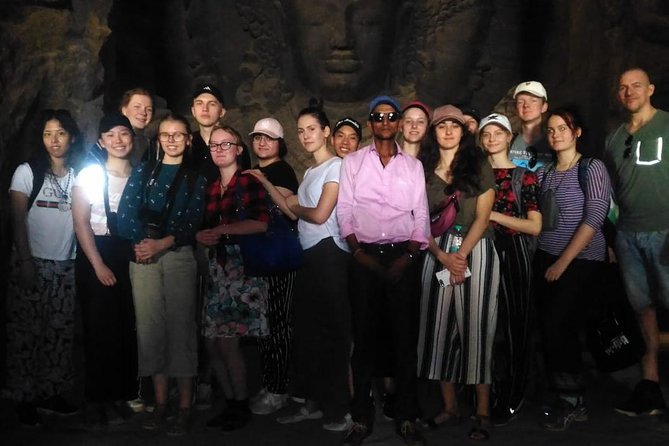
Elephanta Island is the reason most people book. The caves are UNESCO-listed and carved into rock, with sites tied to Hindu worship and later layers that shaped how the complex was used over time. But what I like about this tour is the pairing: you’re not just dropping into the caves and leaving. You also get a guided sweep through South Mumbai, where architecture, religion, and public life all show up in a single afternoon.
The structure matters for a first visit to Mumbai. You start with a boat journey that changes your perspective immediately, then you transition to the dense city sights while your guide can explain what you’re looking at. With a group this duration, it also means you’re not burning half a day figuring out timing, entrances, or where to stand for good views.
Price-wise, it’s not a cheap add-on, but you are buying multiple “invisible” pieces: pickup and drop-off, ferry tickets, a guide and driver, plus bottled water. At $115.75 per person, the value is strongest if you want a guided day with transport stitched together, not just tickets.
You can also read our reviews of more tours and experiences in Mumbai.


Getting to Elephanta: ferry time, pickup, and what to expect
The tour is built around an early transfer that starts with hotel pickup and drop-off. A guide will greet you at your hotel and stay with you the whole time, which is a real comfort factor when you’re balancing crowds, street traffic, and timing for a ferry.
Once you reach the departure area, you’ll take a ferry out to Elephanta Island. This ride is part of the experience, because you’re not immediately surrounded by the city noise. And when you arrive, the island side of the day begins.
Two practical notes:
- The tour includes ferry costs, so you won’t be juggling extra ticket lines.
- You’ll also have bottled water, which helps because the island and walking can get warm.
If the weather is poor, you might be offered an alternative date, tour, or a full refund. This is one of those places where conditions can affect comfort and timing, so it’s worth being flexible.
Entering the Elephanta Caves: what you’re really seeing
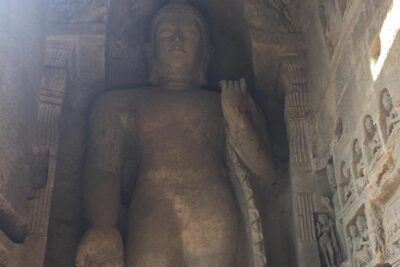
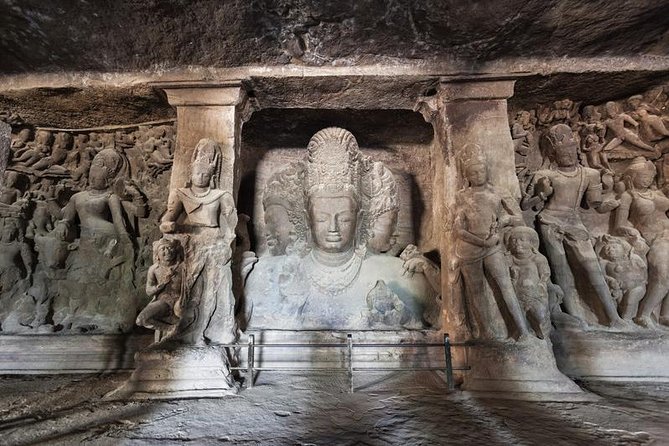
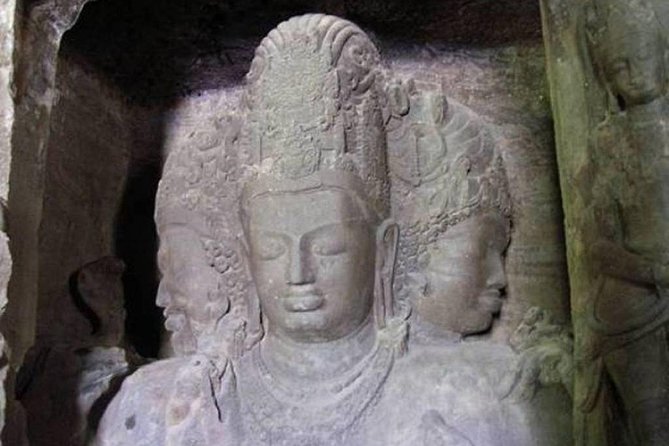
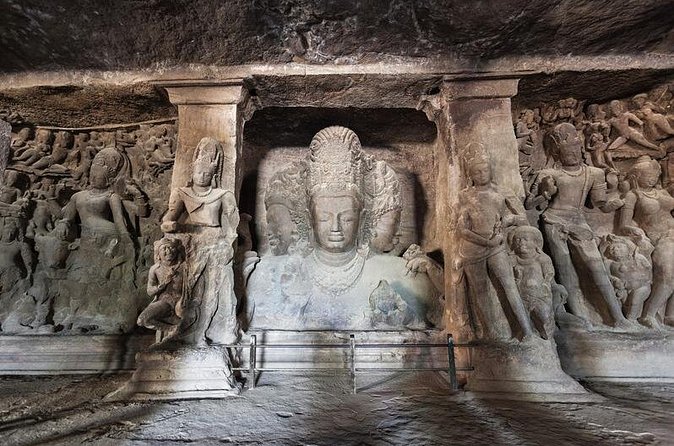
The caves are the main event, and the tour places you there for around five hours at the cave stop. After about an hour on the boat, you’re exploring the rock-cut temples on Elephanta Island.
The outer caves have a story tied to Hindu worship, and there’s a timeline element to how the complex was used and revisited through different rules and eras. As you move deeper into the site, the caves change in scale and feel—smaller spaces that naturally slow you down and push you to look more closely.
You should also know the physical side:
- Getting from the landing area to the cave area can involve a stair climb of around 120 steps.
- The tour package includes access to a mini train (and tolls), which can reduce how much walking and climbing you have to do, but the exact method can depend on how the day is running.
From a comfort standpoint, the caves reward the pace your guide keeps. When someone explains what you’re looking at, it turns random carvings into a readable experience. And if you’re doing this for first-time understanding, the guidance helps you avoid wandering past key spaces.
Monkeys on the island: plan, don’t panic
One review highlighted that the island is filled with wild monkeys. That doesn’t mean your day is ruined, but you should go in prepared:
- Keep your stuff close and secure.
- Avoid getting too casual with bags and snacks.
- Follow the guide’s instructions and timing.
The goal is simple: you want the caves to be the story, not a distraction.
South Mumbai loop after the caves: quick stops with big context

After Elephanta, the tour becomes a fast, guided photo-and-architecture circuit through South Mumbai. You don’t have long time at each place, so think of it as a curated sampler. Here’s what stands out on the route and why it’s worth your time.


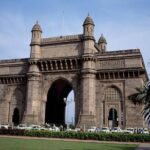

Gateway of India: the famous arrival point
You’ll stop at the Gateway of India, Mumbai’s most recognizable monument. It was built to welcome King George V and Queen Mary into India. Even with only a short stop, it’s a useful starting landmark because so many parts of South Mumbai’s story orbit around this shoreline area.
Taj Mahal Palace Hotel exterior: a landmark in Saracenic Revival style
Next is a quick look at the Taj Mahal Palace Hotel in the Colaba region. This heritage five-star hotel uses Saracenic Revival style. You’re not touring inside, but the short look helps you connect the city’s colonial-era tastes to what you’re seeing all day.
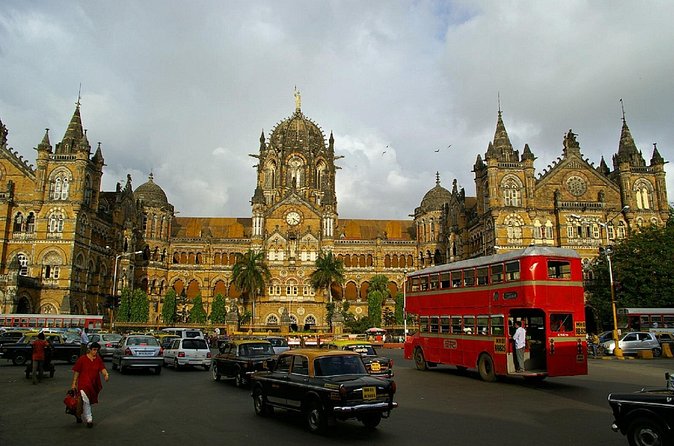
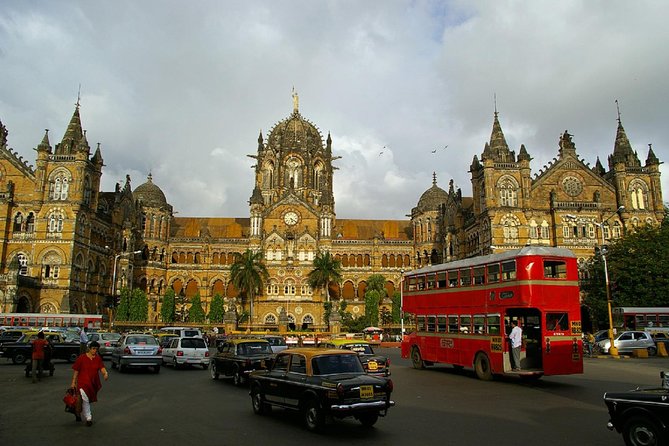
Chhatrapati Shivaji Maharaj Terminus (CST): Victorian Italianate Gothic Revival
You’ll visit Chhatrapati Shivaji Maharaj Terminus (CST), designed by Frederick William Stevens. The architecture is described through Victorian Italianate Gothic Revival and meant to echo Indian Gothic motifs from the classical era. Even if you only spend about 20 minutes, it’s the kind of stop where a guide explanation makes the building’s details land.
University of Mumbai Library and the Rajabai Clock Tower
Two quick educational heritage stops follow:
- The University of Mumbai Library building, built in 1857 as part of British-era Mumbai.
- The Rajabai Clock Tower, part of the Victorian and Art Deco ensemble of Mumbai, added to the World Heritage list in 2018.
These stops work because they’re not just “pretty buildings.” They show how Mumbai’s identity got shaped through planning, institutions, and style choices that still read clearly today.
Dhobi Ghat: everyday city life in public view
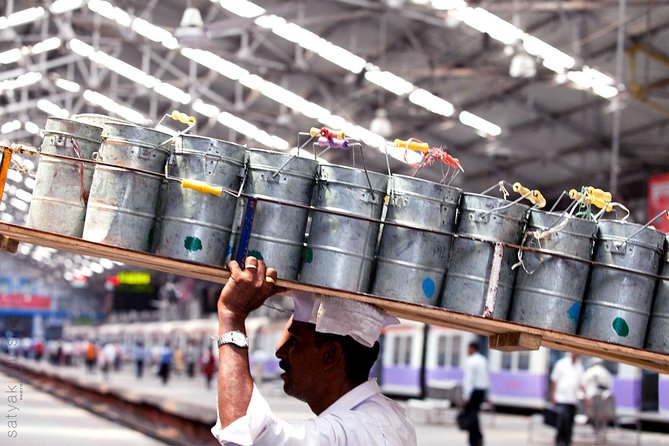
Then you’ll pass Dhobi Ghat, described as the largest open-air laundry. You’ll get around 20 minutes here. This is one of those moments where the experience shifts from monuments to daily routines. It can feel surprisingly real after the formal architecture, and it gives you a grounding view of how a working city looks.
Bombay High Court: an older seat of legal power
The route includes the Bombay High Court, one of the oldest high courts in India. The stop is short, but it supports the theme of British-era public institutions that shows up across this tour.
Mani Bhavan Gandhi Museum: politics and personal story
You’ll stop at Mani Bhavan Gandhi Museum, where you can spend about 20 minutes. This historical building was a focal point of Gandhi’s political activities in Mumbai between 1917 and 1934. Admission is included on this stop, which makes it a good add-on value.
This is a quieter, more reflective part of the afternoon. If you’re interested in how modern India’s political movements shaped the city, this museum stop adds real meaning beyond architecture.
Kamala Nehru Park and the Old Woman’s Shoe view point
You’ll also visit Kamala Nehru Park, which includes a viewpoint described as featuring the Skyline view of the city and the Old Woman’s Shoe. Time here is around 15 minutes. The main benefit is getting a break in the route and having a viewpoint moment to reset before the later sightseeing.
Jain place of worship: intricate stone and zodiac-painted dome
The itinerary includes a historic Jain place of worship, described as having intricate stone carvings and a dome painted with the zodiac. You might not have long here, but even a brief stop can be a strong reminder that South Mumbai isn’t only colonial buildings. It’s also active religious architecture.
Marine Drive: the Queen’s Necklace drive-by
You’ll drive past Marine Drive, often nicknamed the Queen’s Necklace. This is more about the city’s rhythm and skyline angles than a museum-style stop. Even from a vehicle, it gives you that signature Mumbai shoreline visual.
Chhatrapati Shivaji Maharaj Vastu Sangrahalaya (Prince of Wales Museum)
You’ll see the Prince of Wales Museum, now commonly called Chhatrapati Shivaji Maharaj Vastu Sangrahalaya. The museum was established in the early 20th century. The stop is likely quick, but the name alone anchors you to a major cultural institution.
Hutatma Chowk and Flora Fountain
Next is Flora Fountain at Hutatma Chowk. It’s described as an ornamentally and exquisitely sculpted architectural heritage monument. This is the kind of stop where you get a final burst of impressive detail before wrapping up the day.
David Sassoon Library: heritage public learning
The last heritage structure mentioned is the David Sassoon Library. The idea for placing a library centrally in the city is attributed to Albert Sassoon. The stop time is short, but it ties the day’s theme together: Mumbai’s identity includes public knowledge spaces, not only sightseeing stops.
Price and logistics: what you are paying for
At $115.75 per person, this tour isn’t aimed at bargain hunters. The money mostly goes into:
- Hotel pickup and drop-off
- Ferry costs
- Admission for the Elephanta Caves
- Admission included for Mani Bhavan Gandhi Museum
- Guide and driver
- Bottled water
- Mini train and tolls
Food isn’t included, so you’ll need to plan for snacks or a meal on your own. The timing is roughly 6 to 7 hours, which is long enough that you’ll feel it if you skip food entirely. Still, because the itinerary is packed, it’s usually better to think of meals as a separate plan rather than hoping the tour pace lines up perfectly with cafés.
One more logistics win: the tour offers a mobile ticket, and confirmation happens at booking time. For a day that depends on ferry timing and weather, that kind of clarity is genuinely useful.
Guides make or break the day
This is a guide-led experience from start to finish. That matters because Mumbai’s highlights are close together in distance but not always easy to interpret from the street.
The strongest feedback patterns point to guides who:
- keep the pace steady and not rushed
- prioritize safety, especially at Elephanta
- take time for photos
- manage the flow between city stops and the cave area
Anthony is one name that came up for being friendly and professional, and Dev was noted for caring attention and safety at the caves. Even if your guide isn’t the same person, the consistency of good handling is exactly what makes this kind of day-trip work.
What to bring and how to stay comfortable
I’d treat this as a day that mixes boat travel, stairs, and frequent short walks. Bring:
- Comfortable shoes for the steps and uneven paths
- Sun protection and a hat, since you’re outside for multiple segments
- A light layer if it’s breezy on the water
- Any small items you can secure easily, especially on Elephanta where monkeys live around tourist areas
Water is included, which helps, but it doesn’t replace the need for basic comfort planning.
If you’re sensitive to crowds, aim to keep your calm during the ferry transition and in the cave area. A guide can help you move at the right moments.
Who this tour suits best
This is a strong match if you want:
- a first-time-friendly day mixing UNESCO caves and South Mumbai heritage
- a guide to explain architecture and religious sites without you needing to research
- one organized afternoon instead of two separate planning efforts
It’s also ideal if you don’t love sorting ferry routes, entrance timing, and transport between scattered landmarks. If you’re traveling solo, this can still feel comfortable because the guide meets you and the day stays structured.
Who should think twice
If the idea of 120 steps at Elephanta would be a deal-breaker, you’ll want to discuss comfort options with your guide before you commit. And if monkey activity on the island would make you overly anxious, decide whether the cave experience is still worth that added factor.
Should you book this Elephanta cave and South Mumbai tour?
I’d book it if you want a guided, time-efficient day where transport, admissions, and interpretation are bundled together. The Elephanta Caves stop is the anchor, and the South Mumbai circuit is a smart way to turn one outing into an overview of Mumbai’s religious sites, colonial-era institutions, and public landmarks.
I would hesitate only if stairs and animal encounters are major issues for you. If you’re good with a plan that may include climbing or stair alternatives, this tour is a practical way to see the city’s big names without losing the day to logistics.
If you’re chasing one memorable UNESCO site plus a well-paced heritage walk-through, this is a very solid pick.
FAQ
What’s included in the tour price?
The package includes hotel pickup and drop-off, ferry cost, mini train and tolls, bottled water, and a guide and driver. Admission for the Elephanta Caves and the Mani Bhavan Gandhi Museum is included.
How long does the tour take?
The duration is about 6 to 7 hours.
Are ferry tickets included?
Yes. Round-trip ferry tickets are included.
Is food included during the tour?
No. Food and drinks are not included.
Is there a lot of walking or stairs at Elephanta?
There can be a climb of around 120 steps to reach the cave area. The tour also includes a mini train option, which can help reduce walking.
What if weather is bad?
The tour runs subject to favorable weather conditions. If it’s canceled due to poor weather, you’ll be offered an alternative date, alternative tour, or a full refund.