REVIEW · 4-DAY EXPERIENCES
4 Day Golden Triangle Tour to Delhi Agra and Jaipur From Mumbai
Book on Viator →Operated by Imperial Holidays · Bookable on Viator
Four days, three legends, no stress. This pre-booked Golden Triangle circuit from Mumbai strings together flights, hotels, and private guides so you can spend more time looking and less time planning. Even the first hours are built around major landmarks, from the sea-facing Gateway of India to Mumbai’s grand Victorian-era railway station.
What I really like is the way the trip handles the big-ticket moments. You get sunrise at the Taj Mahal, plus a battery shuttle from the parking area to the entrance and back—exactly the kind of small logistics win that saves energy for photos and awe. And on the ground, local guides and drivers do the heavy lifting so your days stay on schedule.
The main drawback is the pace. In four days you’ll cover a lot of ground, including long drives between cities and an early start for the Taj, so it can feel tiring if you prefer slow travel.
In This Review
- Key things that make this tour work
- Why the Golden Triangle starts in Mumbai
- Day 1 in Mumbai: sea, Gandhi, and big-city rhythm
- Day 2 in Delhi: Qutub Minar, Lotus Temple, and a stepwell detour
- The Agra drive: what to expect on the road
- Sunrise Taj Mahal: the “how” is part of the magic
- Day 3 afternoon into Jaipur: the forts keep coming
- Day 4 in Jaipur: Amber, City Palace, and the pink-sandstone icons
- Hotels, breakfasts, and the real cost picture
- Private tour value: what you’re really buying at $550.27
- Practical tips to survive four days without losing your mind
- Should you book this 4-day Golden Triangle from Mumbai?
Key things that make this tour work
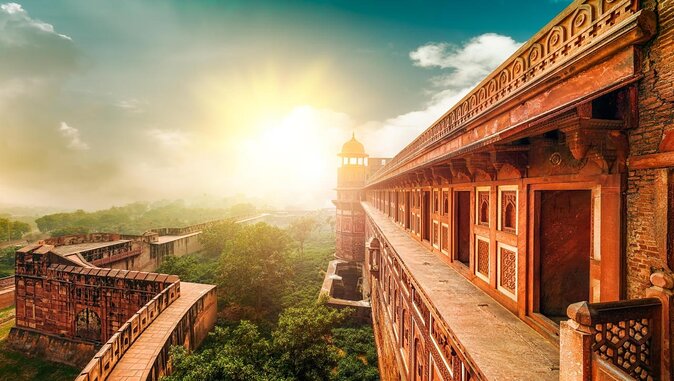
- Mumbai-to-Delhi-to-Agra-to-Jaipur routing: flights included so you’re not losing half a day to trains
- Sunrise Taj Mahal timing: plus the battery shuttle that cuts down walking time
- Private, licensed local guides in each city for context you can actually use
- Stops that go beyond the obvious: stepwell at Agrasen Ki Baoli and observatory at Jantar Mantar
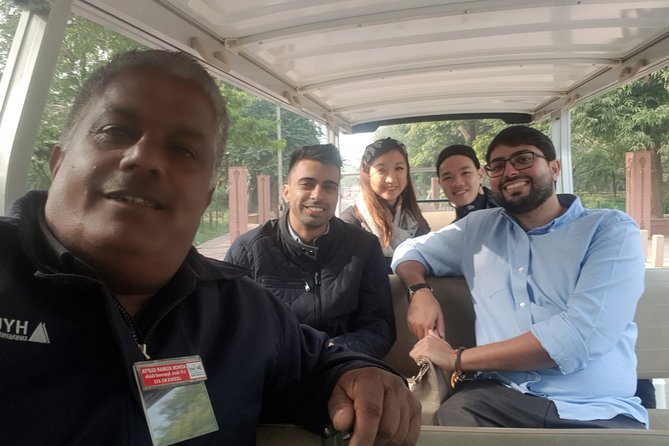
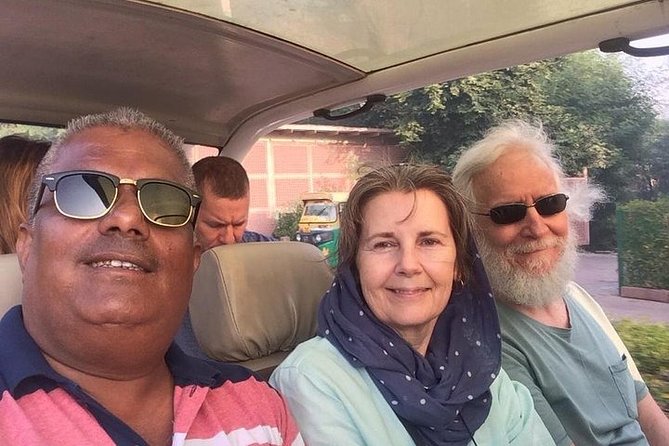
- Driver care is a standout: names like Mr. Singh, Sunil, and Raati Ram show up in excellent customer feedback
Why the Golden Triangle starts in Mumbai
Most Golden Triangle trips begin in Delhi. Starting in Mumbai changes the feel right away. You’re easing into India with coastal views, colonial-era architecture, and Gandhi-era history before you jump north to the Mughal and Rajput highlights.
This format also helps with logistics. You’re picked up in Mumbai for a guided day of sights, then transferred to the airport for an evening flight to Delhi. That means you gain time without spending your daylight stuck in intercity travel.
You can also read our reviews of more tours and experiences in Mumbai

Day 1 in Mumbai: sea, Gandhi, and big-city rhythm
Your day begins at 9:00 am and starts with the Gateway of India, the famous arch-monument overlooking the Arabian Sea. It’s a quick stop, but it sets the tone: wide open views, busy waterfront energy, and that immediately recognizable skyline.
From there, you’ll mix in smaller, meaningful stops. Mani Bhavan Gandhi Museum is a former residence of Mahatma Gandhi and gives you a focused dose of modern India’s story rather than just postcard sights. Then you’ll see Chhatrapati Shivaji Maharaj Vastu Sangrahalaya (a major museum complex), plus religious sites like the Jain Temple.
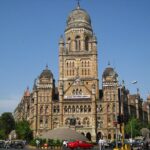
A big highlight for architecture lovers is Chhatrapati Shivaji Maharaj Terminus (CST), a UNESCO World Heritage railway station famous for Victorian Gothic design. Even if you don’t care about trains, it’s one of those buildings that makes you stop and look up.
You’ll also get a taste of everyday Mumbai. Dhobi Ghat (the open-air laundry) shows a living, working system instead of a staged attraction. Crawford Market adds color and local bustle, while Banganga offers a quieter pocket of heritage and atmosphere.
The day closes with Kamala Nehru Park for panoramic views over Marine Drive—think photo angles and skyline breathing room. After sightseeing, you’ll be transferred to Mumbai airport for your evening flight to Delhi. If you’re the type who worries you’ll miss something, this day-to-night flow helps you check off a lot without feeling like you’re dragging a suitcase all day.
Day 2 in Delhi: Qutub Minar, Lotus Temple, and a stepwell detour
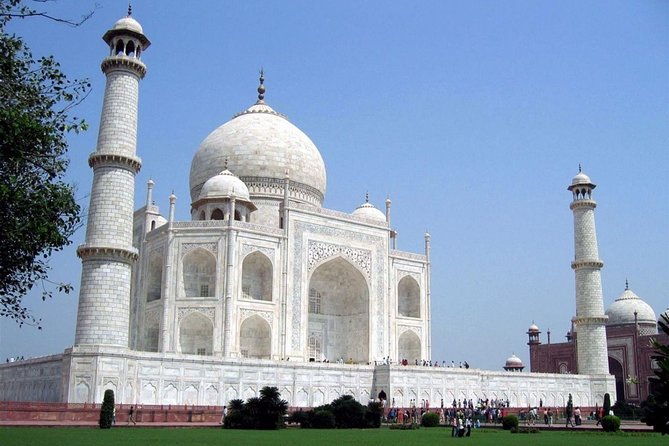
Delhi on Day 2 is a clean mix: big monument, serene spiritual space, then a couple of landmarks for context. The first major stop is Qutub Minar, a UNESCO World Heritage site and a symbol of Indo-Islamic architecture. The time set aside here is about an hour, long enough to take in the scale and spot key details.
Next comes Lotus Temple, known for its lotus-shaped design and calm setting. You’re there long enough (about 45 minutes) to slow down, watch people, and enjoy the stillness—something Delhi can’t always provide.
You’ll then hit India Gate, the war memorial. It’s a short visit, but it helps you understand the country’s layered modern history without turning the day into a lecture.
After that, you’ll see Parliament House from outside. It’s the kind of stop that works best as a quick orientation point—an anchor for the fact that Delhi isn’t only ancient ruins and monuments.
Then comes one of the more interesting choices: Agrasen Ki Baoli, a historical stepwell. It’s described as hidden in the heart of Delhi with a 60-meter long, 15-meter wide footprint. This stop is only about 30 minutes, but it’s exactly the sort of sight that feels like a small secret once you’re standing there.
From Delhi, you drive to Agra via Yamuna Expressway. The schedule puts it around 3.5 hours, with a broader time block of about 4 hours. Either way, you’re trading comfort for progress, so plan on using the ride time to reset your body for Agra.
The Agra drive: what to expect on the road
The Delhi-to-Agra transfer is the longest “in-transit” block of your trip. Roads can be busy, but the plan is straightforward: breakfast, Delhi sights, then straight to Agra with hotel check-in on arrival.
Why this section matters: Agra is where the trip’s emotional payoff lands. If you treat the drive as downtime—water on hand, sunscreen ready, simple snacks if you buy them on your own—you’ll arrive with enough energy to enjoy the next day’s big sights.
One more practical point: the tour provides bottled mineral water during road journeys. That’s a small inclusion, but on warm days it makes a real difference.
Sunrise Taj Mahal: the “how” is part of the magic
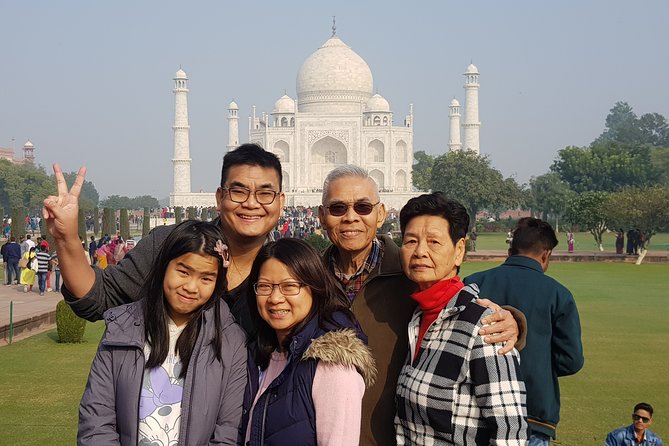
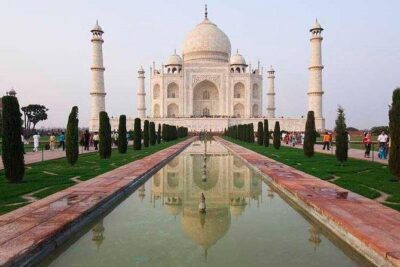
Day 3 starts early with the Taj Mahal at sunrise. The visit window is about two hours, and the timing is the point. Sunrise light changes everything: the monument looks softer, crowds can be lighter than later in the day, and photos come out calmer.
The tour also includes the battery-operated shuttle from the parking area to the entrance and back. That’s not glamorous, but it’s smart. You’re walking less in peak heat, which helps you enjoy the site instead of counting steps.
After the Taj, you move through two more Mughal-era priorities in Agra:
- Agra Fort (about 1 hour), a UNESCO site and a major Mughal stronghold
- Itmad-ud-Daula (about 30 minutes), often seen as a stylistic precursor to the Taj
Together, these stops help you see the Taj not as a standalone icon, but as part of a larger Mughal complex style. It’s the kind of progression that makes your brain connect the dots without needing extra reading.
Agra ends with an overnight stay, giving you time to slow down a bit before the long drive to Jaipur.



Day 3 afternoon into Jaipur: the forts keep coming
After Agra, you drive to Jaipur, about 4.5–5 hours. That’s a lot of time in a vehicle for one afternoon, but the itinerary doesn’t waste it. You’re checking in and then resting in Jaipur, rather than trying to cram additional major sights that evening.
Once you arrive, you’ll have that first taste of Jaipur as a city where forts and palaces dominate the skyline. It sets up Day 4, which is where Jaipur’s “wow” factors are concentrated.
Day 4 in Jaipur: Amber, City Palace, and the pink-sandstone icons
Jaipur is built for a one-day sightseeing sprint, and this plan does it with smart pacing: big-hitter fort first, then architectural variety, then a couple of iconic city landmarks.
The day begins with Amber Palace / Amber Fort (about 2 hours). Amber Fort is more than a photo stop. You get hilltop views, fortified architecture, and a sense of why this kingdom’s rulers liked defending their power from above. If you only do one fort in the Golden Triangle, this is the one.
After Amber, you’ll visit Panna Meena ka Kund, a stepwell (about 15 minutes). It’s short, but it adds texture to the day because you’re seeing another water-related structure after Delhi’s stepwell stop.
Then it’s Jal Mahal, the palace in the middle of Man Sagar Lake (about 15 minutes). Even if you don’t go inside, the exterior scene is a good visual break after hours of fort stone.
Next up is Gaitore Ki Chhatriyan, royal cenotaphs (about 30 minutes). The intricate carvings make it a solid change from crowds and open courtyards.
From there, you hit City Palace of Jaipur (about 2 hours). This is where the architecture and royal story feel more “lived-in.” It’s also a bigger stop, so use the time to go slow, look for details, and plan your photos.
You’ll then visit Jantar Mantar, an astronomical observatory and UNESCO site (about 1 hour). It’s one of those attractions that can feel technical, but the payoff is seeing how old science was built into public space.
Finally, there’s Hawa Mahal, the Palace of Winds, about 30 minutes. You get the iconic facade and the feel of the city’s pink sandstone identity before the day ends.
After Jaipur sightseeing, your itinerary wraps with a transfer to Jaipur airport for the flight back to Mumbai. The tour includes arrival pickup and transfer to your preferred location in Mumbai.
Hotels, breakfasts, and the real cost picture
This tour includes three nights’ accommodation if you select the hotel option. Daily breakfast is included, but lunch and dinner are not. That’s a key value point: you’re not paying for full board, and it gives you flexibility to choose meals that match your tastes and budget.
Rooming is set up as twin-sharing by default. If you book as a group of 3, the default is triple-sharing. If 3 people want 2 rooms, there can be an additional charge—worth thinking about if you like personal space.
One thing I appreciate in the design: the itinerary doesn’t depend on restaurant reservations to keep you moving. Even with meals on your own, the day structure still holds.
Private tour value: what you’re really buying at $550.27
At about $550.27 per person, this tour’s value isn’t just the sightseeing. You’re paying for a full package that includes:
- Round-trip domestic flights (Mumbai to Delhi, and Jaipur to Mumbai) with 15 kg checked + 7 kg hand luggage
- Private, air-conditioned transport between cities and for local sightseeing
- Hotel stays (three nights) with breakfast (if you choose that option)
- Entrance fees for the listed monuments
- Licensed, English-speaking local guides in each city
- Ongoing support and care throughout the trip
If you were to price these items separately—flights, guide time, drivers, entrance fees, and hotels—you’d likely end up with more complexity and less control. Here, the “cost” is mainly the convenience of someone handling coordination and ticketing around the clock.
Private also matters. Your schedule is built around your group’s time rather than being pulled into a fixed group pace.
Practical tips to survive four days without losing your mind
This tour is doable for most people, but you’ll enjoy it more if you prepare for India’s everyday reality.
- Wear comfortable walking shoes. Even short stops add up across four days.
- Use sunscreen and carry water. You do get bottled water during road journeys, but sun still wins.
- Bring your passport/ID for domestic flights and hotel check-ins.
- On Taj Mahal morning, mentally plan for an early start. The sunrise timing is a big part of the payoff.
One more smart idea: since lunch and dinner aren’t included, decide ahead of time how you want to handle meals. If you prefer a predictable meal plan, pick simpler spots near your route. If you want variety, treat meal breaks as a chance to sample local flavors without rushing.
Should you book this 4-day Golden Triangle from Mumbai?
I’d book it if you want the Golden Triangle highlights with a strong focus on logistics done right: flights, guides, entrance tickets, and hotel nights handled for you. It’s also a good fit for first-timers who want context in every city, not just a checklist of monuments.
Skip it—or at least rethink your expectations—if you crave slow travel or you hate early mornings and long drives. This itinerary trades comfort for momentum, and four days is enough time to be impressed, but not enough time to be relaxed.
If you want a trip that gets you to sunrise Taj Mahal, plus the major Delhi and Jaipur icons, while keeping you from juggling transfers and tickets yourself, this is a solid value way to do it.