REVIEW · DHARAVI SLUM TOURS
Dharavi Slum Tour in Mumbai
Book on Viator →Operated by Mystical Mumbai · Bookable on Viator
Mumbai hides a working city in alleys.
A Dharavi slum tour with a college student guide from Dharavi is one of the most eye-opening ways to understand how people live and work in one of Mumbai’s densest neighborhoods. You’re not shown from behind a glass wall. You walk, ask questions, and learn how everyday businesses run in tight lanes—plastic recycling, handmade goods, and small services that keep families going.
I especially love the resident guide angle—names like Rajesh and Samir come up often, and the common thread is comfort and responsiveness. The other big win for me is the industry focus: you’ll see how materials get turned into products, not just poverty. The main drawback is also obvious once you start walking: the routes can feel cramped and require a moderate walking mindset, so solid shoes matter.
This isn’t a generic “see sights” outing. It’s a human-scale tour where you’ll learn to look carefully, talk respectfully, and keep your expectations grounded. If you’re ready for that, it’s one of the highest-value experiences you can book for the price.
In This Review
- Key things that make this tour worth your time
- First stop: getting your bearings at Mahim Railway Station
- 13th Compound recycling yards: where plastics become products
- The walking tour effect: noticing how work and home overlap
- More than recycling: soap production, pottery, and other crafts
- Community stops: schools and churches
- Guides who set the tone: Rajesh, Anton, Samir, and more
- Dress code and behavior: your outfit is part of the respect
- Price and value: $70 for a 2-hour reality check
- Getting there without drama: pickup, transit, and small groups
- Timing and what to expect when the tour starts
- Should you book Dharavi? My straight answer
- FAQ
- Where does the Dharavi slum tour start?
- How long is the tour?
- How much does it cost?
- Is pickup included?
- Is lunch included?
- What will I see during the walk?
- Do I need to dress a certain way?
- What’s the group size?
- Is there free cancellation?
Key things that make this tour worth your time
- College student guides living in Dharavi give context that outsiders usually miss
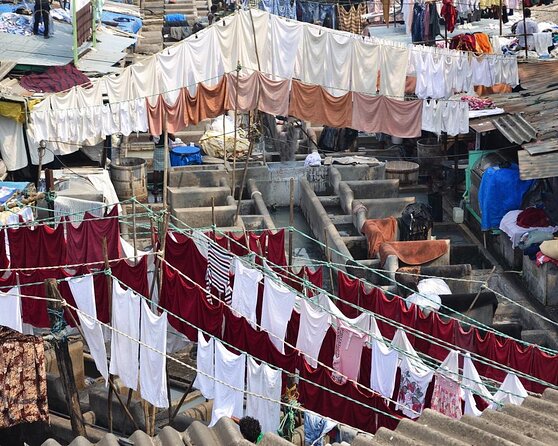
- Hands-on trade stops like plastic and metal recycling help you understand how income gets made
- A walking route through both commercial and residential areas helps you see the neighborhood as a whole
- Community visits to local schools and churches add perspective beyond work
- Small group size (max 2 travelers) keeps the pace thoughtful, not rushed
First stop: getting your bearings at Mahim Railway Station
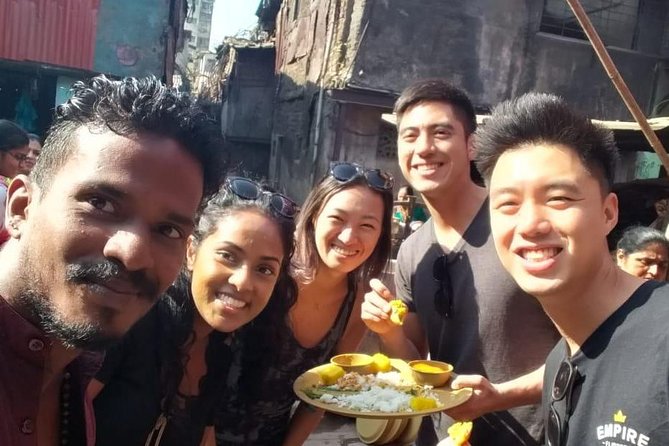
The tour starts at Mahim Railway Station, which is convenient if you’re using public transport. I like this setup because you can get to the meeting point without a complicated schedule, and you’re already in the Mumbai rhythm before the walking begins.
From there, you head straight to the first working area. This matters. If you begin with buildings or backstory, it’s easy to stay abstract. Starting with the working side of Dharavi pushes you to notice how life is organized around practical production and trade.
You can also read our reviews of more tours and experiences in Mumbai.



13th Compound recycling yards: where plastics become products
Your first major stop is the Plastic and Metal Recycling yard of 13th Compound. This is where the tour earns its reputation for being real, detailed, and grounded in everyday work.
You’ll learn how recycling feeds local manufacturing—melting and moulding plastic so it can become new items. One of the striking details is the production of small plastic goods, including toys and accessories tied to popular demand (you’ll hear about buttons and molded plastic items like those associated with Barbie Doll-style products). Even if you don’t recognize every brand mention, you’ll understand the logic: scrap becomes raw material, and raw material becomes income.
Practical tip: this is a place where your guide’s pacing helps a lot. Listen first, then ask. If you want photos, do it with the same respect you’d use in a small workshop anywhere—quick, polite, and not blocking someone’s work.
The walking tour effect: noticing how work and home overlap
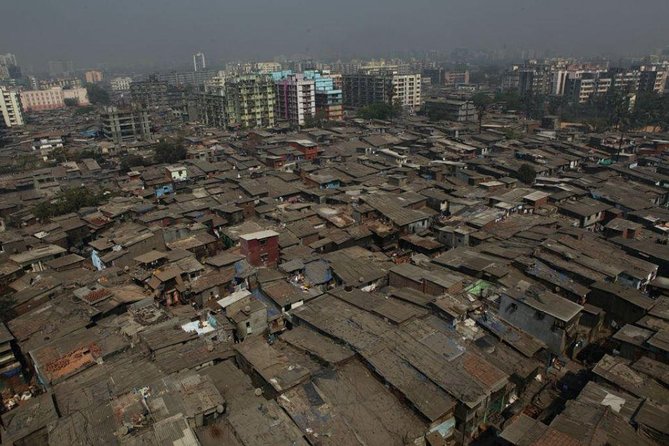
A big part of the value here is that it’s a walking tour, not a drive-by. In Dharavi, the line between business and residence can be thin. That’s why the route is designed to show the neighborhood through both working areas and places where people live.
As you move, you’ll start to see patterns:
- Industries cluster where people can get materials and customers.
- Small businesses share space with daily routines.
- Movement through the lanes is part of life, not sightseeing.
You’ll also hear the kind of commentary that keeps things sensitive. You’re walking into a community, not a theme park.
More than recycling: soap production, pottery, and other crafts
Recycling is only one chapter. As you go deeper through the neighborhood, you’ll see other ways residents make a living, including soap production and pottery, plus additional small-scale methods. The point isn’t to list every product. The point is to help you understand a system: people turn local inputs into sellable outputs, often with serious skill and steady effort.
This is where the resident guide shines. A guide from Dharavi can explain the challenges without making the neighborhood feel like a problem to be stared at. You get context on how work is organized and how residents adapt.
If you’re the type who likes to ask questions, this tour is built for you. Guides often encourage questions, and the overall vibe stays comfortable.
Community stops: schools and churches

Another strong element is stopping by local schools and churches. This is one of those details that makes the tour feel balanced. Work explains how income happens, but schools and churches show why communities keep going: education, social ties, and daily support.
These stops also tend to slow the pace just enough that you can recalibrate your thinking. Instead of treating Dharavi like a single story, you start seeing it as many ongoing lives and routines.
Respect tip: dress and behave conservatively. This isn’t about being strict—it’s about fitting the setting. You’ll be asked to follow a conservative dress code that covers shoulders and knees.




Guides who set the tone: Rajesh, Anton, Samir, and more
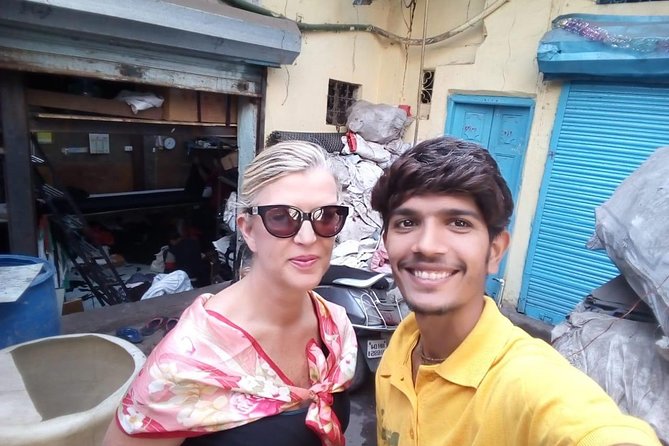
One thing I took from the experience details is that the guides are consistent in how they handle the tour. People mention guides like Rajesh, Samir, Anton, and Anthony, and the recurring theme is comfort. You’ll be guided through the neighborhood with a pace that leaves room for conversation.
I also like that the format isn’t scripted into awkward silence. If you ask about what you’re seeing—work, daily life, or community issues—you’ll usually get explanations, not just directions.
Dress code and behavior: your outfit is part of the respect
Mumbai tours go better when you dress for the reality of the day. This one asks for conservative, respectful clothing—shoulders and knees covered.
Beyond clothing, keep your behavior simple:
- Walk with the group.
- Don’t block work areas.
- If someone is busy, don’t hover.
In a neighborhood built on small spaces and constant activity, your “tour energy” can easily become someone else’s inconvenience. You’ll get the best experience if you treat every stop like a working place, not a photo location.
Price and value: $70 for a 2-hour reality check
At $70 per person for about 2 hours, the price isn’t cheap by local standards, but it’s easy to justify in terms of what you get. You’re paying for:
- A resident college student guide from Dharavi
- A guided walking route that includes multiple community and work stops
- Time in a neighborhood where context matters
- A mobile ticket and nearby public transit access
Also, the tour includes an admission ticket that’s listed as free, so you’re not adding surprise costs for entry. If you select the lunch option, lunch is included; otherwise, you’ll want to plan on eating separately.
If you’re comparing options, the biggest value driver is the guide. You’re not just touring a place; you’re learning through people who live there and understand what’s appropriate to share.
Getting there without drama: pickup, transit, and small groups
This experience is designed to be workable for visitors. Pickup is offered, and it’s noted as near public transportation, so you shouldn’t need a private car to make it happen.
The group format is also worth noting:
- You can choose group or private.
- The maximum group size is listed as 2 travelers.
That small size can change your whole experience. Instead of rushing through stops with a crowd, you get a slower pace where questions make sense.
Practical note: the tour requires moderate physical fitness. The walking is part of the point, but lanes can feel uneven or tight, so plan for that.
Timing and what to expect when the tour starts
Expect a fairly focused schedule. The core structure is straightforward:
- Start at Mahim Railway Station
- Head to the recycling yard at 13th Compound
- Continue on foot through working and residential lanes
- Make community stops at places like schools and churches
- Finish with a clearer picture of how the neighborhood functions
Because it’s about 2 hours, you won’t have time to wander off. Keep your phone charged, wear comfortable shoes, and bring water if you need it (food and drinks aren’t included).
If you’re planning other things the same day, leave a bit of buffer. This tour can change how you walk afterward—you’ll notice details longer than you expect.
Should you book Dharavi? My straight answer
Book this tour if you want a Mumbai experience that’s grounded in daily life, not postcard views. The best reasons to go are the resident college student guidance, the detailed look at trades like recycling (including moulding plastic products), and the balanced community visits to schools and churches.
Skip it if you hate tight walking routes or you’re not comfortable moving through small alley spaces with people going about normal work and routines. Also, if your goal is purely photo-ready sightseeing, this may feel too real and too human-scale.
If you do book, go in with the right mindset: dress respectfully, be curious, ask good questions, and treat the neighborhood like a place where people live—because it is.
FAQ
Where does the Dharavi slum tour start?
The tour begins at Mahim Railway Station in Mumbai.
How long is the tour?
The tour is listed as about 2 hours.
How much does it cost?
The price is $70.00 per person.
Is pickup included?
Pickup is offered, but hotel pickup and drop-off are not included unless you request an arrangement.
Is lunch included?
Lunch is included only if you choose the tour option that includes lunch. Food and drinks are otherwise not included.
What will I see during the walk?
You’ll walk through Dharavi with guided commentary and see local work tied to plastic recycling, soap production, pottery, and other ways residents make their living, including an early stop at the recycling yard of 13th Compound.
Do I need to dress a certain way?
Yes. A conservative dress code applies across India here, with clothing that covers shoulders and knees recommended.
What’s the group size?
The tour lists a maximum of 2 travelers, and it also requires a minimum of 2 people per booking.
Is there free cancellation?
Yes, cancellation is listed as free, with a full refund if you cancel at least 24 hours before the experience starts.