REVIEW · DHARAVI SLUM TOURS
Dharavi Slum Tour
Book on Viator →Operated by Mumbai Dream Tours · Bookable on Viator
Dharavi teaches Mumbai faster than any museum. This tour is compelling because it shows the area through entrepreneurship and everyday work, led by an insider guide who lives in the community. You get a real sense of how people build businesses, make goods, and keep things running in one of Asia’s biggest slum areas.
What I love most is the human scale: you spend time learning from residents at local homes and businesses, not just looking from the outside. You also get hands-on with pottery at a potter’s workshop, then you finish with vegetarian fare in a family home.
A possible consideration: it’s a walking experience in local streets, and you’ll need modest clothing and closed-toed shoes. It can also get hot, so plan for sun and limited shade.
In This Review
- Key Things You’ll Notice on This Dharavi Tour
- Dharavi Is a Work Community, Not a Spectacle
- Meet at Third Wave Coffee, Then Let Your Guide Set the Tone
- Walking Through Dharavi: Homes and Businesses You Can Ask About
- Pottery at the Workshop: A Skill, Not a Souvenir Stop
- Family-Home Vegetarian Dining: Slower, Clearer, More Personal
- Price and Time: What $13.42 Buys You in Real Value
- Practical Tips for a Respectful, Stress-Free Visit
- Who Should Book This Dharavi Slum Tour
- Should You Book This Tour or Skip It?
- FAQ
- Where do I meet for the Dharavi Slum Tour?
- How long is the tour?
- Is it a small group or a private tour?
- What’s included in the price?
- Do you stop for pottery or food?
- What should I wear?
- Can I cancel and get a full refund?
Key Things You’ll Notice on This Dharavi Tour
- An insider, English-speaking guide from the area who can explain daily life and work clearly
- Small-group size (max 20), which makes questions feel normal instead of awkward
- Pottery practice at a local potter’s workshop, not just watching from the corner
- A family-home vegetarian meal, a chance to slow down and ask real questions
- Mobile ticket, with straightforward check-in and flexible start times
Dharavi Is a Work Community, Not a Spectacle
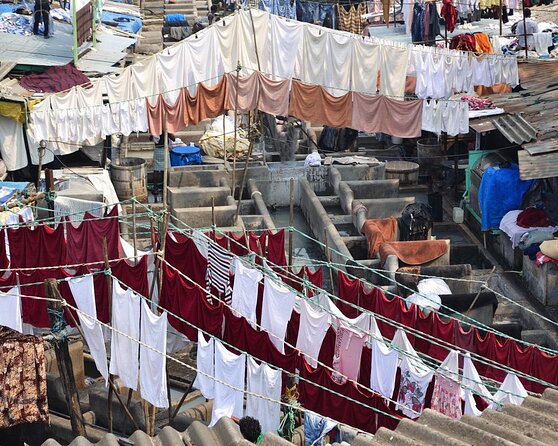
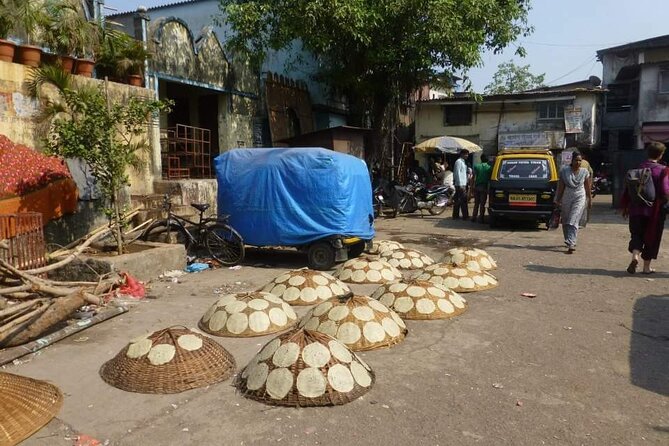
Mumbai throws big contrasts at you, and Dharavi is one of the sharpest. It’s widely known for its size, but the most useful way to understand it is as a living, working place where people run trades and services every day. Recycling, small manufacturing, and micro-businesses are part of the story, along with the tight web of homes, workshops, and streets that makes it all function.
I like that this tour steers you toward practical understanding. Instead of treating Dharavi as a photo opportunity, you focus on how people organize work, solve problems, and pass knowledge around. That shift matters because it keeps your attention on daily life and community solutions, not on guessing or staring.
You can also read our reviews of more tours and experiences in Mumbai.



Meet at Third Wave Coffee, Then Let Your Guide Set the Tone
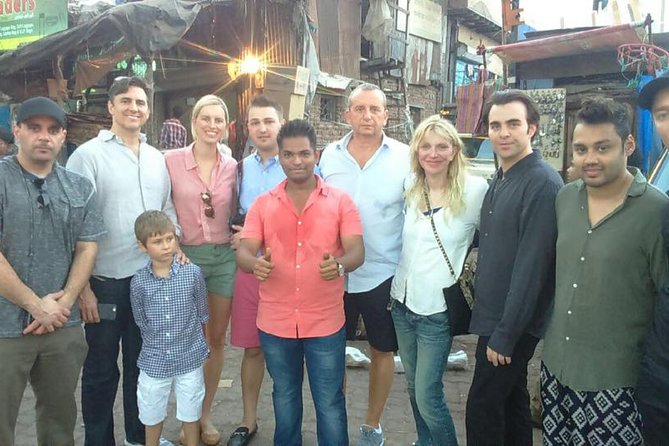
Your tour starts at Third Wave Coffee on Tip Road in Mahim (Ram Mahal area, Unit no. 58, Ground). From the beginning, the logistics are designed to be simple: you show a mobile ticket, meet your guide, and get going on foot. The tour also ends back in Dharavi near Sai Multispeciality Hospital, and it’s easy to catch an Uber from there.
A key detail you should expect: your guide is English-speaking and lives in the slum area. That isn’t just a marketing line. When the person guiding you is from the community, the conversation usually stays grounded. You’re more likely to get clear explanations, local context, and a sense of how places connect to each other.
In the feedback tied to this experience, guide names like Smith, Alkama, Rakesh, Hardik, and Dinesh come up with strong praise for being kind, professional, and willing to answer questions. The takeaway for your planning is simple: pick this tour when you want a guided, respectful format with someone who can translate what you’re seeing into real meaning.
Walking Through Dharavi: Homes and Businesses You Can Ask About
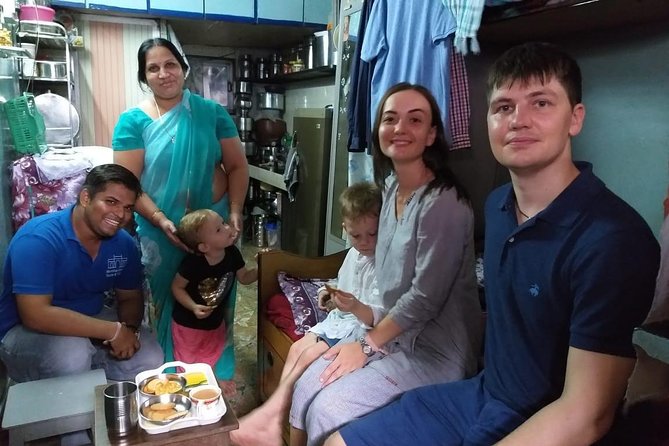
The heart of the experience is spending time in Dharavi with an insider guide. You’ll move through the area and stop where daily life actually happens: local homes and working spaces, including businesses run by residents. That’s what turns the walk from sightseeing into learning.
Here’s what I’d watch for as you go:
You’re not there to grade living conditions or collect shock value. You’re there to understand systems. If something looks confusing, ask how it works. If you see a workshop, ask what gets made, where materials come from, or how people learned the trade. On this kind of tour, questions help you connect the dots fast.
You’ll also get context on the neighborhood as both residential and commercial. That blend can surprise people. Dharavi isn’t only a place where people live; it’s also a place where people earn. The guides are specifically set up to point out those different zones and explain why they develop the way they do.
Pottery at the Workshop: A Skill, Not a Souvenir Stop
One of the most memorable parts is the pottery experience. You’ll get a chance to try your hand at pottery at a potter’s workshop inside the area. For me, this is the difference between a tour you forget and one that sticks.
Why pottery works so well here:
- You’re doing something physical, so the experience stays real in your body, not just in your head.
- It connects you to craft and routine, which is how trades actually survive in places where everything depends on day-to-day work.
- It creates an easy, natural conversation point with the person showing you the process.
Don’t treat it as a quick photo moment. Give yourself enough mental space to focus on the steps you’re taught. Even if you’re not good at it, you’ll come away understanding what it takes to make something from start to finish.
Family-Home Vegetarian Dining: Slower, Clearer, More Personal
The tour also includes vegetarian fare in a family home. This isn’t “big restaurant style.” It’s a sit-down meal that helps you understand the human rhythm of the neighborhood, including what people cook, how they share, and how hospitality works in a home setting.
Dining like this is also where your guide’s presence matters most. You’ll be able to ask questions without derailing the moment. You’ll also get reminders about respect: when and how to speak, how to behave in someone’s home, and how to make your visit feel like a conversation rather than an intrusion.
If you’re picky about meal timing or food restrictions, plan ahead in your own head before you arrive. The tour data only says vegetarian fare, so you’ll want to be prepared for whatever options are served that day.




Price and Time: What $13.42 Buys You in Real Value
At about $13.42 per person, this is one of those rare deals where the price is almost too low for what you get. You’re paying for several things: an English-speaking insider guide, time with residents in homes and businesses, a pottery workshop experience, and a vegetarian meal. Bottled water is included, and that small detail helps during walking time.
Yes, you’re not paying for private transportation. Private transport isn’t included, and tips aren’t included either. So if you’re used to tours that handle everything door-to-door, adjust your expectations.
But the math still works:
- The guide’s local access is the expensive part.
- The workshop and meal are experiences, not add-ons.
- You’re getting about two hours of structured time, which is a good match for people who want impact without burning a full day.
If you’re planning ahead, note that this tour is often booked around 16 days in advance. That’s a gentle signal to book early if you have fixed travel dates or a tight Mumbai schedule.
Practical Tips for a Respectful, Stress-Free Visit
This is one of those tours where preparation changes everything. Here’s how I’d get ready:
What to wear
You’ll want modest clothing. For women, that means no sleeveless shirts, short shorts, or low tops. Everyone should wear closed-toed shoes. This is also about comfort on foot, not just politeness.
Bring the basics
Bottled water is included, so you won’t need to buy water as soon as you start. Still, think about sun protection and staying cool, because you’ll be walking in local streets.
Group size stays human
With a maximum of 20 travelers, you should be able to keep the pace comfortable and ask questions without feeling lost in the crowd. That’s a big deal for a place where you’ll want time to understand what you’re seeing.
Plan your return
The tour ends near Sai Multispeciality Hospital & Research Centre on 90 Feet Rd. The good news is that Uber cabs are easy to get from the end point, so you can keep your afternoon schedule flexible.
Who Should Book This Dharavi Slum Tour
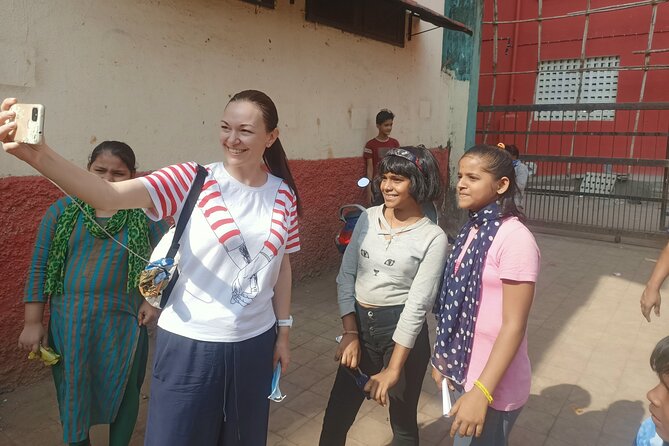
This tour fits best if you want:
- a guided, English-speaking introduction to Dharavi through residents
- a respectful format that connects you to real work and real homes
- hands-on pottery and a family-home vegetarian meal, not just walking and photos
It may not be ideal if you:
- want an air-conditioned, fully seated experience
- dislike walking in warm weather or crowded streets
- need heavy accessibility support, since it’s described as a walking tour with modest dress requirements
If you’re traveling solo, with friends, or as a couple, it’s also a reasonable option because you can choose both private and small-group tours, depending on what you prefer.
Should You Book This Tour or Skip It?
I’d book this one if you’re curious about how communities organize work, build businesses, and keep skills passing from person to person. The biggest strength is that you don’t just watch Dharavi from a distance. You meet an area guide, spend time with residents in everyday settings, try pottery, and share a vegetarian meal in a home.
I’d only hesitate if heat and walking logistics would make you miserable or if you want a more traditional sightseeing day. If you’re okay with an honest, human-focused experience, this is one of the best value choices in Mumbai for connecting with the city’s real, lived reality.
FAQ
Where do I meet for the Dharavi Slum Tour?
The meeting point is Third Wave Coffee, Tip Road, Unit no. 58, Ground, Ram Mahal, Senapati Bapat Marg, Marinagar Colony, Mahim, Mumbai, Maharashtra 400016, India.
How long is the tour?
The tour lasts about 2 hours.
Is it a small group or a private tour?
You can choose both private and small-group tours. The group size is capped at a maximum of 20 travelers.
What’s included in the price?
The tour includes an English-speaking guide who lives in the slum area and bottled water.
Do you stop for pottery or food?
Yes. You’ll try pottery at a potter’s workshop and dine on vegetarian fare in a family home.
What should I wear?
Wear modest clothing (no sleeveless shirts, short shorts, or low tops for women) and closed-toed shoes.
Can I cancel and get a full refund?
Yes. You can cancel up to 24 hours in advance for a full refund. If you cancel less than 24 hours before the start time, the amount you paid is not refunded.