REVIEW · DHARAVI SLUM TOURS
Life In Dharavi: A Guided Tour Of Dharavi Slum
Book on Viator →Operated by Young Tours And Travel · Bookable on Viator
One neighborhood tells a whole story. This private half-day tour brings you into Dharavi to learn how people live, work, and plan for what comes next in Asia’s largest slum. It’s part history lesson, part behind-the-scenes look at local industry, and part reality check about housing in one of the world’s most expensive cities.
I love the practical setup: private hotel pickup with an air-conditioned vehicle means less stress and more time focused on what matters. I also love that the tour is guided by people with deep local ties, including guides like Bharti and Divya, so the story doesn’t feel like a script. A possible drawback: the subject matter is intense, and you should be ready for the realities of crowded housing and low daily wages.
In This Review
- Key things to know before you go
- Hotel pickup and a 4-hour plan that actually works
- Who you meet matters: guides like Bharti and Divya
- Stop 1 in Dharavi: life between work, home, and small industry
- Why the location is a big deal
- What you may see: work spaces that run the neighborhood
- Talking about development plans without turning it into a lecture
- Price and value: is $54 worth it?
- Comfort and logistics that make a difference in Mumbai
- Who this tour suits best (and who should think twice)
- Should you book Life In Dharavi?
- FAQ
- How long is the Dharavi tour?
- What does the price include?
- Is hotel pickup offered?
- Is the tour private or group-based?
- What language is the guide?
- Do I need to bring water?
- Is lunch included?
- How far in advance should I book?
- Is free cancellation available?
- Are service animals allowed?
Key things to know before you go
- Local guides with real ties: guides like Bharti (who has lived there her whole life) and Divya (described as a pioneer as the first female guide from Dharavi)
- Private, English-led experience: you get personal attention from a guide who explains life and development plans
- Focused, half-day timing: about 4 hours total, with roughly 3 hours spent in Dharavi itself
- Built-in comfort for the journey: hotel pickup, air-conditioned vehicle, and bottled water so you can travel light
- You’ll see work, not just walls: examples include plastic recycling, soap making, and pottery production
Hotel pickup and a 4-hour plan that actually works
This tour is designed for people who want structure without feeling stuck. You’re picked up from your hotel, then you head in by air-conditioned vehicle. That matters in Mumbai, where weather and traffic can turn a short visit into a long slog. You’re not dealing with public transport schedules or figuring out the route on your own.
The total time is about 4 hours. The time inside Dharavi is listed at around 3 hours, which is a realistic window: long enough to ask questions and understand how the neighborhood functions, without turning it into an all-day endurance event. Admission is included, and lunch isn’t. That last part is worth planning around—eat before you go, then consider grabbing something after the tour.
If you like tours that feel intentional rather than rushed, this schedule fits that style. It also helps you keep your expectations grounded: you’re there to understand life and work, not to “solve” Dharavi in one afternoon.
You can also read our reviews of more guided tours in Mumbai


Who you meet matters: guides like Bharti and Divya
The biggest reason this tour gets such high praise is who leads it. The experience is private, English-speaking, and centered on learning from people who live in Dharavi. You’re not just being shown sites—you’re hearing life explained from inside the community.
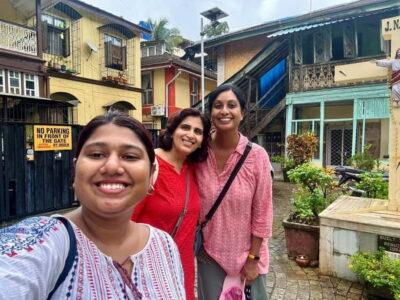
In the feedback, Bharti stands out for her personal connection. One review describes her as someone who has lived in Dharavi her whole life, with family spanning multiple generations there. Another review mentions Divya as a pioneering figure, described as the first female guide from Dharavi and a local celebrity. What you take away is that the guides aren’t outsiders trying to translate a place. They’re residents who can answer questions with context and nuance.
That makes a difference. When you hear about daily life, wages, and housing pressures from someone who has watched the neighborhood evolve over time, it stops being a one-note story. It becomes a human one: families, work routines, and the practical plans people talk about when they think about the future.
Practical tip: if there’s something you want to understand—work, schooling, housing, or development—write down a few questions before pickup. With a private setup, you can actually use them.
Stop 1 in Dharavi: life between work, home, and small industry
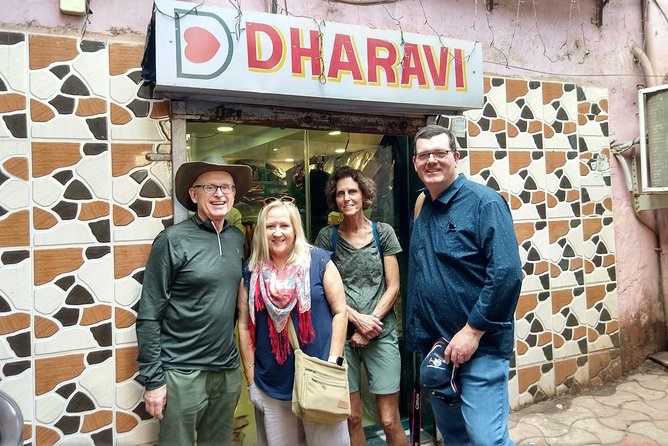
Your main time is focused on Dharavi itself. The tour describes it as Asia’s largest slum area, in Mumbai’s prime real estate, with more than a million people living there. The neighborhood is also portrayed as a place with many second-generation residents—families whose parents moved in years ago and stayed.
That context is important because it changes how you interpret what you see. Dharavi isn’t just a temporary stop for newcomers. The tour framing emphasizes continuity: people are building lives, raising children, and creating livelihoods generation to generation.
Why the location is a big deal
You’ll also get the “why here?” explanation. Mumbai’s housing costs are extremely high, and Dharavi is described as offering a more affordable option for people trying to earn a living. Daily wages are mentioned as low as 185 rupees per day (about $4). That number helps you understand why transportation and work access matter so much.
Even the neighborhood’s geography gets attention: Dharavi sits between two major suburban rail lines. In practical terms, that location helps residents reach jobs conveniently—because commuting time can make or break a tight budget.
What you may see: work spaces that run the neighborhood
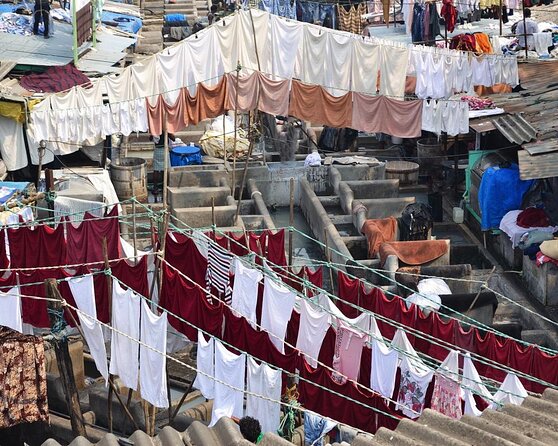
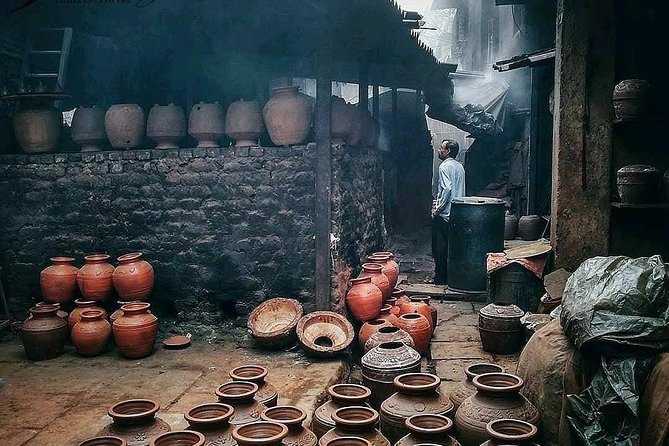
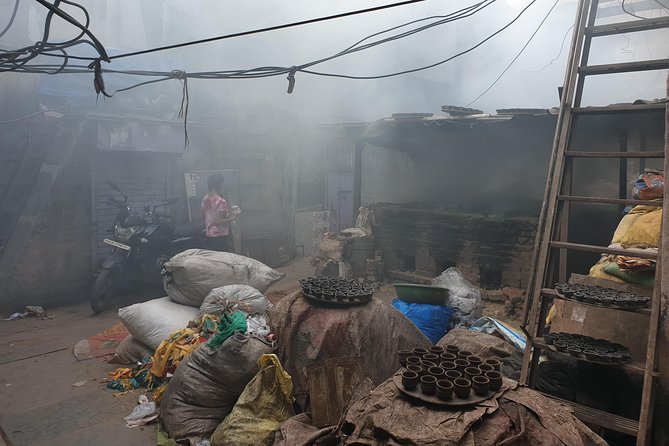
One of the most valuable parts of this tour is that it shows Dharavi as a place of production. In the feedback, guides took visitors through areas associated with plastic recycling, soap making, and pottery production. Those aren’t small details. They point to how the community supports itself through everyday work.
When you see industries like recycling and small manufacturing up close, you can better understand the neighborhood’s economy. Dharavi becomes more than a label from a movie or a famous name on a map. It starts to look like an ecosystem of skills and trade, where people earn money, and products move through wider networks.
Keep in mind: the exact workshop routes can vary, because this is a lived-in area. But the tour concept stays consistent—life and labor are the focus.



Talking about development plans without turning it into a lecture
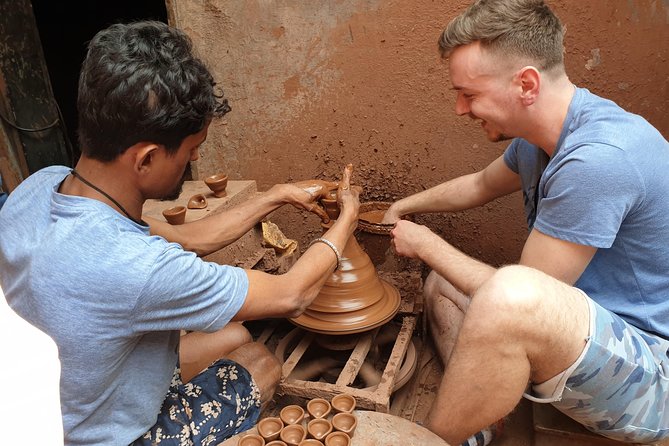
Dharavi is described as a place where development is actively discussed and planned. During the tour, you’re guided through that conversation both by your guide and by engaging with people who live there.
This is where a good guide earns their pay. You want a balance between big-picture explanations and human details. The tour format aims for exactly that: you’re learning about life on the ground, and then you’re hearing how development efforts connect to daily reality—housing, jobs, and what changes would actually help.
A quick reality-check for you: when you discuss development in a place like this, there’s no single easy answer. You’ll likely hear competing ideas. The value here is getting informed viewpoints from residents, not just hearing a generic outsider interpretation.
Ethics matter on tours like this. If you visit, use basic respect: ask before photographing, keep your tone considerate, and treat people like people—not like exhibits.
Price and value: is $54 worth it?
At $54 per person, this tour isn’t a bargain bargain, but it also isn’t priced like a luxury experience. What helps the value case is what’s included and how the tour is structured.
You’re paying for:
- Private transportation from your hotel (in an air-conditioned vehicle)
- Bottled water
- A private guide in English for about 4 hours total
- Admission ticket included
Once you add up the practical costs of getting to and through Dharavi on your own, the price starts to look more reasonable. Also, the private format matters. Group tours can feel crowded and rushed; here, you’re set up for personal attention and Q&A. That typically makes the experience more educational and less stressful.
One more value point: the tour is framed around learning from residents. If that’s a priority for you, then the money is going toward an approach built around local voices rather than a checklist of photo stops.
If you mainly want a fast, superficial visit, you might decide it’s too much. But if you want a guided explanation of daily life and local work, the structure justifies the price.
Comfort and logistics that make a difference in Mumbai
The setup is straightforward and traveler-friendly. You get bottled water, and you can pack lighter. Service animals are allowed, and the meeting area is listed as near public transportation. Most people can participate, and confirmation is received at booking.
Because the tour is private, it’s also simpler to coordinate with your hotel pickup. That reduces the risk of starting the day frazzled, which is a big deal when you’re going to a place where people are already living with constraints.
One practical consideration: since lunch isn’t included, plan your food timing. Eat beforehand and keep snacks or water options in mind if you’re sensitive to hunger during a 3-hour walk and conversation segment.
Who this tour suits best (and who should think twice)
This tour is a strong fit if you want:
- A guided explanation of Dharavi from local residents
- A half-day experience that doesn’t ignore work and daily routines
- A private setup where you can ask questions and get personal answers
It’s also a good match if you prefer structure over wandering. The itinerary is focused, and the transportation plan removes friction.
It may be less ideal if:
- You’re uncomfortable with difficult realities. The tour involves learning about crowded housing and very low wages.
- You want a purely entertainment-style sightseeing outing. This is about understanding life, work, and development.
Should you book Life In Dharavi?
Book it if you want an honest, guided look at how people live and work in one of Mumbai’s most discussed neighborhoods—led by residents with real ties. The private format, hotel pickup, English guidance, and bottled water make it practical, and the tour’s focus on local industry (including plastic recycling, soap making, and pottery) gives you something concrete to learn from.
Skip or reconsider if you’re seeking a relaxed “see sights and move on” day. This experience is meaningful, but it comes with emotional weight. If you’re ready for that and respectful in how you show up, it’s a tour that can change how you see Mumbai.
FAQ
How long is the Dharavi tour?
The tour is approximately 4 hours total, with about 3 hours spent during the Dharavi portion.
What does the price include?
It includes private transportation, an air-conditioned vehicle, bottled water, and admission tickets. Lunch is not included.
Is hotel pickup offered?
Yes. Private transportation from your hotel is included.
Is the tour private or group-based?
It’s a private tour/activity, meaning only your group will participate.
What language is the guide?
The guide is described as English-speaking.
Do I need to bring water?
Bottled water is provided, so you can pack lighter.
Is lunch included?
No, lunch is not included.
How far in advance should I book?
On average, it’s booked about 51 days in advance.
Is free cancellation available?
Yes. You can cancel up to 24 hours in advance for a full refund.
Are service animals allowed?
Yes, service animals are allowed.