REVIEW · DHARAVI SLUM TOURS
Private Dharavi Slum and Sightseeing Tour
Book on Viator →Operated by Reality Tours & Travel Pvt Ltd · Bookable on Viator
Dharavi and Mumbai’s icons in one day. This private tour pairs a guided look at Dharavi with classic city stops like Gateway of India and Marine Drive, so you don’t just scratch the surface. I like that it’s structured but still flexible, letting you understand what you’re seeing without getting lost in Mumbai’s noise and traffic.
You’ll also get practical help the whole way: hotel pickup and drop-off plus a local English-speaking guide and driver, so the day runs without the usual scrambling. The only real drawback is the pace and the sensory overload: you’ll be on your feet for hours in hot, crowded spaces, and parts of the day can feel chaotic even when you’re doing everything right.
In This Review
- Key Things That Make This Tour Work
- Planning Your Day: What 9 Hours Feels Like in Mumbai
- Dharavi First: Understanding Life, Work, and Scale
- Dhobi Ghat: The Outdoor Laundry Rhythm
- Jain Temple, Banganga, and Other Sacred Corners
- Jain Temple – Mumbai
- Banganga
- Haji Ali Mosque
- Malabar Hill Views: Kamala Nehru Park and the City From Above
- Markets and Buzz Without Getting Lost: Crawford and Chor Bazaar
- Crawford Market
- Chor Bazaar
- Rail, Sea, and the Big Picture: CST and Gateway of India
- Chhatrapati Shivaji Terminus (CST)
- Gateway of India
- Marine Drive and Sassoon Dock: Classic Views and Working Waterfront
- Marine Drive
- Sassoon Dock
- Your Guide Makes or Breaks the Day
- Value for Money: Why $87.23 Can Make Sense Here
- Who This Tour Suits Best
- Tips to Make the Most of the Stops
- Should You Book This Private Dharavi and Mumbai Day?
- FAQ
- Is hotel pickup and drop-off included?
- How long is the tour?
- Is this a private tour?
- Is food included?
- Are admission tickets required for the stops?
- Can I cancel and get a refund?
Key Things That Make This Tour Work
- Real access to Dharavi through a guided walk of homes and businesses
- Door-to-door comfort with return hotel transfers and an English-speaking guide
- Big “Mumbai overview” value by stacking landmarks, markets, and religious sites in one long day
- No entry fees listed for the sights on the route, plus water/cold drink included
- Markets and ports aren’t treated as side quests, so you get everyday city life, not just monuments
- Guide-led storytelling makes the history and culture easier to place as you move
Planning Your Day: What 9 Hours Feels Like in Mumbai
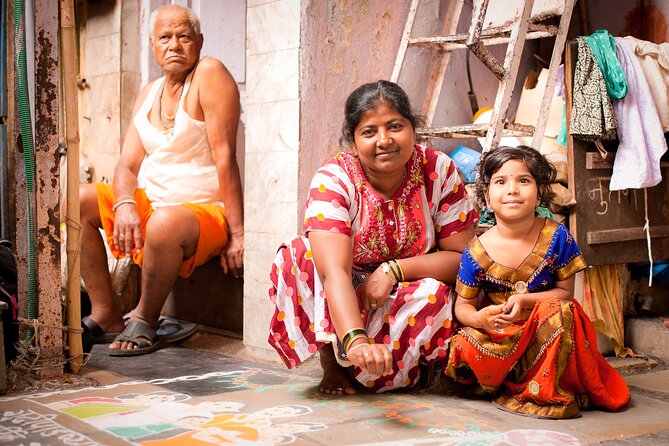
This is a long day by design, about 9 hours with transport built in. That matters in Mumbai, where travel time can swell based on traffic and timing. The trade-off is simple: you’ll see more, but you’ll need stamina.
I’d think of it as two halves. First, you start with Dharavi and nearby stops that explain how Mumbai functions at street level. Then you pivot to major landmarks, including temples, a mosque, a market, and waterfront views.
Comfort tips that actually help:
- Wear comfortable shoes with solid grip. You’re walking, sometimes on uneven surfaces.
- Dress with respect for religious sites. You don’t need to overdress, but avoid super short or overly revealing outfits.
- Bring cash for personal buys. Food is not included, and you’ll likely want snacks or local sweets.
- Expect heat and crowding. Even with a driver and guide, you’ll be outside for portions of the day.
You can also read our reviews of more private tours in Mumbai

Dharavi First: Understanding Life, Work, and Scale
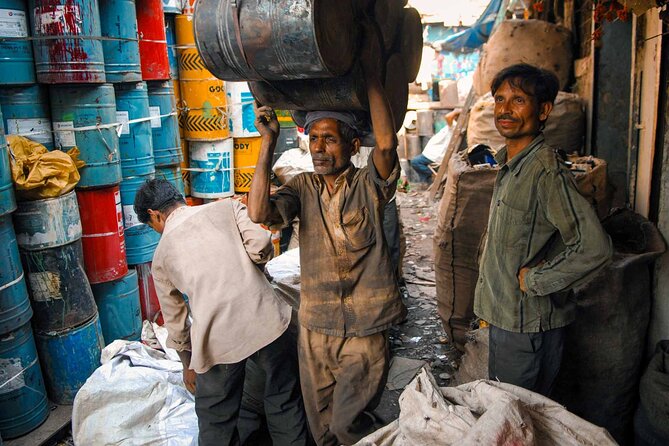
The day begins at Dharavi, with about 2 hours to see homes and businesses in one of the world’s largest informal settlements. This stop is the heart of the tour, and it’s not presented as shock value. The point is education: you learn about the industries that operate there and how people live day to day.
What I like about starting here is pacing. You get context early, so later landmark visits make more sense. Also, your guide can connect what you’re seeing to how Mumbai grew, how people make livelihoods in tight spaces, and why this part of the city exists in the first place.
A practical consideration: Dharavi is a sensitive place. You’ll want to follow your guide’s lead on movement, questions, and any rules about photography or respectful behavior. If you’re nervous about entering, it helps to remember you’re going with a private group, not wandering alone.
Dhobi Ghat: The Outdoor Laundry Rhythm
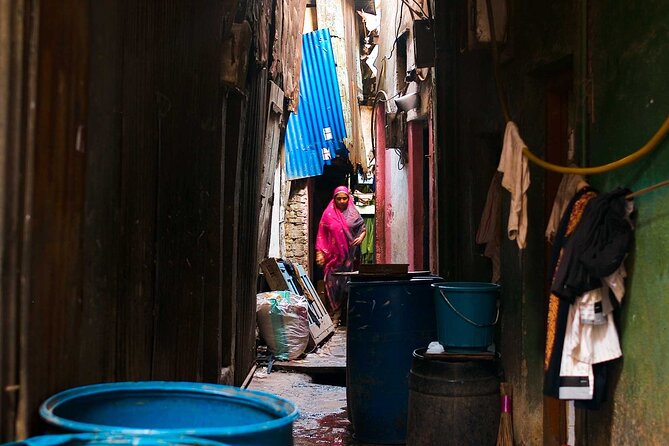
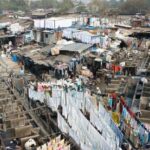
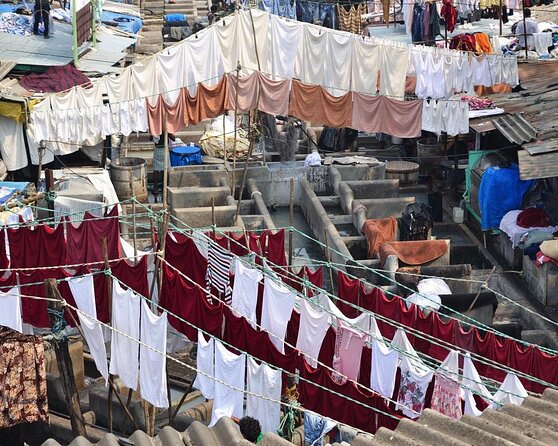
After Dharavi, you move to Dhobi Ghat, described as the world’s largest outdoor laundry. The visit is short, around 10 minutes, but it’s visually loud in the best way: washermen scrubbing sheets from Mumbai’s large hospitals and hotels.
This is one of those stops where the story is as important as the scene. Ask questions about the workflow, the tools, and how laundry cycles match the pace of a massive city. Even in a brief visit, you start to see how industrial life runs parallel to tourism life.
Because it’s quick, don’t treat it like a museum. Treat it like a working area you’re allowed to observe briefly.
Jain Temple, Banganga, and Other Sacred Corners
Next you’ll hit a cluster of spiritual sites. Each one is short (mostly 20 minutes), which keeps the day moving, but it also means you should slow down mentally. Don’t just look at the architecture. Use the moments to understand what faith looks like on the street.
Jain Temple – Mumbai
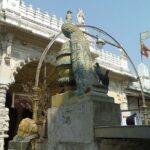
This stop highlights a beautiful, intricately-decorated Jain temple. Jainism emphasizes peacefulness and non-violence, so even if you don’t know the details of the religion, you’ll notice the mood and etiquette.



Banganga
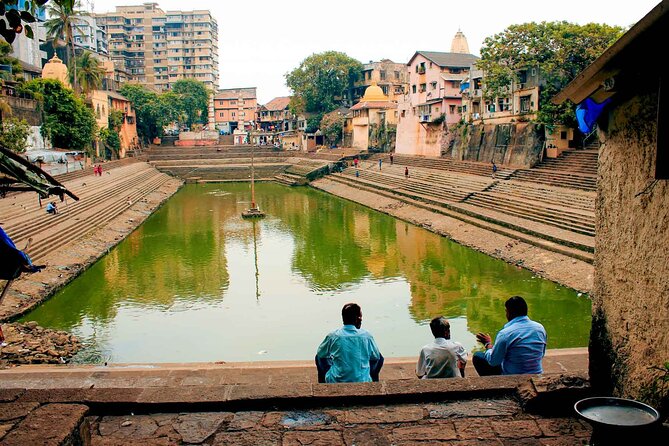
At Banganga, you’re visiting a famous tank believed to contain water with healing powers. The story adds a layer of folklore: it’s rumored the spring comes from the holy Ganges river. It’s a quick 20-minute stop, but the setting helps. You’ll be surrounded by Hindu temples, and that mix of everyday faith and legend is part of what makes Mumbai tick.
Haji Ali Mosque
Then you reach Haji Ali Mosque, located at the end of a causeway with water around it. The tour frames it as the tomb of Saint Haji Ali, a wealthy Muslim who renounced the world and went to Mecca.
This stop feels cinematic because of the approach and the sea setting. Your guide can point out details you might otherwise miss, like how the location shapes the experience.
Practical note: for mosque visits, you’ll typically need to follow rules about entry and conduct. Your guide will tell you what to expect in the moment—just be ready to pause and adjust.
Malabar Hill Views: Kamala Nehru Park and the City From Above
On Malabar Hill, you’ll visit Kamala Nehru Park for about 20 minutes. The payoff is a strong view out over Marine Drive and the Arabian Sea.
This is your chance to reset. After busy markets and religious sites, stepping into a greener, calmer spot helps you breathe and plan what you want to notice next. It also gives you a better sense of how Mumbai is shaped by water and built along it.
Markets and Buzz Without Getting Lost: Crawford and Chor Bazaar
Two market stops add a lot of texture to the day.
Crawford Market
Crawford Market is listed as one of the city’s largest wholesale fruit and vegetable markets, plus meat markets. The tour also notes a standout detail: it was the first building in India to get electricity. That fact makes the place feel like more than just a stop for photos.
This stop is around 30 minutes, so you’ll have enough time to walk the main areas. Don’t plan to shop for hours here. Plan to look, taste if you can (food isn’t included, but you may want a snack), and let the guide translate what you’re seeing.
Chor Bazaar
Next comes Chor Bazaar, nicknamed the Thieves Market, with about 45 minutes. It’s one of the largest and busiest flea markets in the country, selling almost anything.
This is where you can pick up small souvenirs, but I’d treat it more like a cultural stop than a bargain hunt. You’ll likely want to compare prices and be selective. If you like markets, this is the part of the day you’ll remember.
Rail, Sea, and the Big Picture: CST and Gateway of India
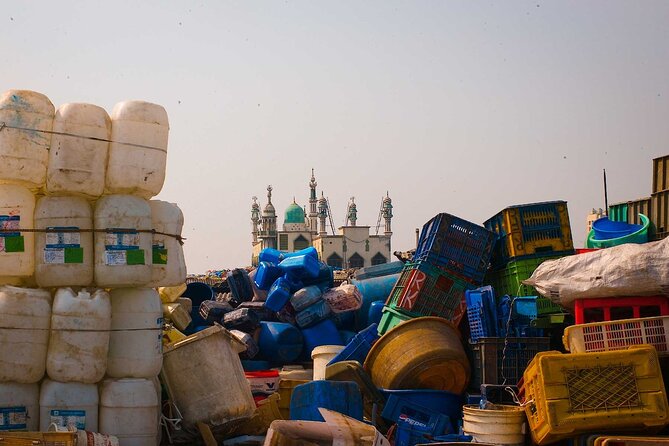
Now you swing into iconic Mumbai landmarks.
Chhatrapati Shivaji Terminus (CST)
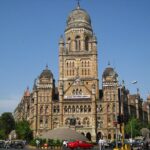
You’ll spend about 20 minutes at Chhatrapati Shivaji Terminus, described as a UNESCO World Heritage Site and noted for being one of the busiest railway stations in the country during rush hour.
It’s not just about the building. It’s about movement, people, and how the station compresses daily life into a single place. This stop is a great reminder that Mumbai isn’t just sightseeing. It’s functioning infrastructure.
Gateway of India
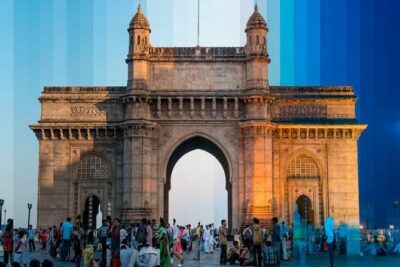
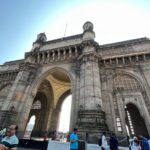
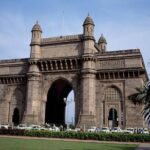
Then comes Gateway of India, built in 1911. The tour also ties it to a post-colonial moment: in 1948, British troops marched under the Gateway to signal the end of British Raj.
A 20-minute visit is enough to orient yourself. If you’re the type who likes to understand what a monument meant at the time, the guide’s explanation is the difference between a quick photo stop and a meaningful stop.
Marine Drive and Sassoon Dock: Classic Views and Working Waterfront
Two final stops round out the tour with water and everyday activity.
Marine Drive
A stroll along Marine Drive, around 25 minutes, is basically required in Mumbai. The tour calls it the Queen’s Necklace, and the name fits the shape: a long curve with the sea as a backdrop.
Here’s the practical angle: take a moment to slow your pace. You’ll want this view because the rest of the day is about crowds, industry, and religious spaces. Marine Drive is your visual reset.
Sassoon Dock
Finally, you end at Sassoon Dock for about 30 minutes. It’s a bustling port area where local fishermen bring in their catch.
This stop often lands well because it feels real. You’re not waiting for performances; you’re watching work. If you want to see how Mumbai feeds itself and moves goods, this is a strong finish.
Your Guide Makes or Breaks the Day
The strongest praise tied to this tour is consistently about the guide experience. People highlight guides like Sabina and Chetan for being engaging and having a clear grasp of Mumbai’s stories and history.
That matters because the route covers very different places: a large informal settlement, religious sites, markets, and iconic architecture. Without a good narrative, you’d see disconnected stops. With a good guide, you start connecting the dots.
I recommend asking your guide for a quick context at the start of each major shift in the day—for example, before you move from Dharavi to the temples, or from CST to Gateway of India. It turns a sightseeing day into a city-learning day.
Value for Money: Why $87.23 Can Make Sense Here
At $87.23 per person for about 9 hours, the value depends on what you’d otherwise spend to make the day happen. You’re getting:
- Hotel/residence pickup and drop-off
- A local English-speaking guide and driver for the entire stretch
- Water/cold drink
- Stops listed with admission marked as free for each sight on the route
- A format described as private, so it’s just your group
Food isn’t included, so you’ll budget for meals or snacks. But the overall package helps you avoid the common costs of sorting transport and a guide across a long day.
Also, the tour is described as customizable. That can help if you want to spend a few extra minutes on something you care about more than the others, especially at market stops.
If you’re traveling solo or as a couple, a private day can be a smart move when you want structure. If you’re a heavy planner and love cutting it fine, the private guide gives you leverage.
Who This Tour Suits Best
This tour is a strong match if you want:
- A first-time Mumbai introduction that goes beyond the obvious postcard list
- A guide-led day that connects everyday life with landmarks
- A mix of culture, religion, markets, and waterfront scenes
- Hotel pickup so you can focus on seeing instead of navigating
It’s less ideal if:
- You hate crowds and prefer slow, quiet sightseeing
- You’re short on time and can’t spare a full day
- You’re sensitive to uncomfortable realities associated with slum areas. If that’s you, go in with your expectations set, and follow your guide’s guidance closely.
Tips to Make the Most of the Stops
A few small moves help a lot on a day like this:
- Bring a small bottle of water even though water/cold drink is included, especially in warmer hours.
- Keep your phone secure in markets. These areas are busy and it’s easy to misplace things.
- If you want shopping, set a small budget before Chor Bazaar. Otherwise you’ll get swept up fast.
- Wear layers. Religious sites and indoor spaces can be cooler, and Mumbai weather can swing.
- If you want photos, ask first in sensitive areas like Dharavi. A respectful approach keeps the day smooth.
Should You Book This Private Dharavi and Mumbai Day?
If you’re comfortable with the idea of visiting Dharavi and you want a guided, high-coverage day that shows Mumbai as a real working city, I’d say yes. The biggest strength is the combination: Dharavi plus major landmarks in one private format, with hotel transfers and a narrative that keeps the day from feeling like a random list of sights.
Book it if you want value for time, and you like having a guide explain what you’re seeing as you go. Skip it if you only want classic monuments and you’d rather not deal with crowded, real-world street energy.
In short: this is for travelers who want Mumbai with context, not just photos.
FAQ
Is hotel pickup and drop-off included?
Yes. The tour includes hotel/residence car pickup and drop-off.
How long is the tour?
It runs for about 9 hours.
Is this a private tour?
Yes. It’s a private tour/activity, and only your group participates.
Is food included?
No. Food is not included. Water/cold drink is included.
Are admission tickets required for the stops?
The tour details list admission ticket free for the sights on the route.
Can I cancel and get a refund?
Yes, you can cancel for free. You must cancel at least 24 hours before the experience’s start time for a full refund.