REVIEW · CITY TOURS
Mumbai: City & Slum Full-Day Exploration
Book on GetYourGuide →Operated by Explore Mumbai Tours · Bookable on GetYourGuide
Mumbai hits hard, and this tour helps. You’ll see the big postcard sights and the everyday work that makes the city function, all in one tight six hours. What I like most is the way the day pairs icons like the Gateway of India with a guided look at Dharavi led by people who know the area up close, including guides like Sharon and Pranav (and others such as Subhan, Ruqaiyya, and Yash, based on past groups). I also like the built-in structure: hotel pickup, A/C vehicle, and a guide who keeps things moving while still answering questions. One drawback to consider: the slum walk is emotional and hands-on, and the day packs a lot into a short time.
I like that the route isn’t just sightseeing. It’s a practical tour that teaches you how Mumbai’s history, commerce, and daily routines connect. You’ll start with major landmarks, then shift to working neighborhoods and market life—so you don’t leave with only photos and no understanding.
Because this is a private group, it feels calmer than the typical big-city bus tours. You’ll still be walking in crowded areas, so go in ready for noise, movement, and heat, and expect the guide to set the tone on where you can go and how you should behave.
In This Review
- Key things worth knowing before you go
- A 6-hour plan that mixes icons with real neighborhoods
- Gateway of India to Marine Drive: classic views with better meaning
- Chhatrapati Shivaji Maharaj Terminus and the architecture photo stops
- Crawford Market: where you feel the city’s daily rhythm
- Dhobi Ghat: the world of open-air laundry at street level
- Dharavi: a guided walk that’s about respect, work, and resilience
- Hanging Gardens, Kamala Nehru Park, and Marine Drive viewpoints
- Mani Bhavan: Gandhi’s residence with self-guided time
- Price and logistics: is $43 good value?
- Who this tour suits (and who should skip it)
- Should you book this Mumbai city and slum tour?
- FAQ
- How long is the Mumbai city and slum exploration tour?
- Is this tour private or shared?
- What language is the live tour guide?
- What’s included in the price?
- Does the tour provide hotel pickup and drop-off?
- What are the main stops during the day?
- How long do you spend in Dharavi?
- What is the cancellation policy?
Key things worth knowing before you go
- Dharavi is the centerpiece: a guided, about 2-hour walk focused on local life, work, and resilience
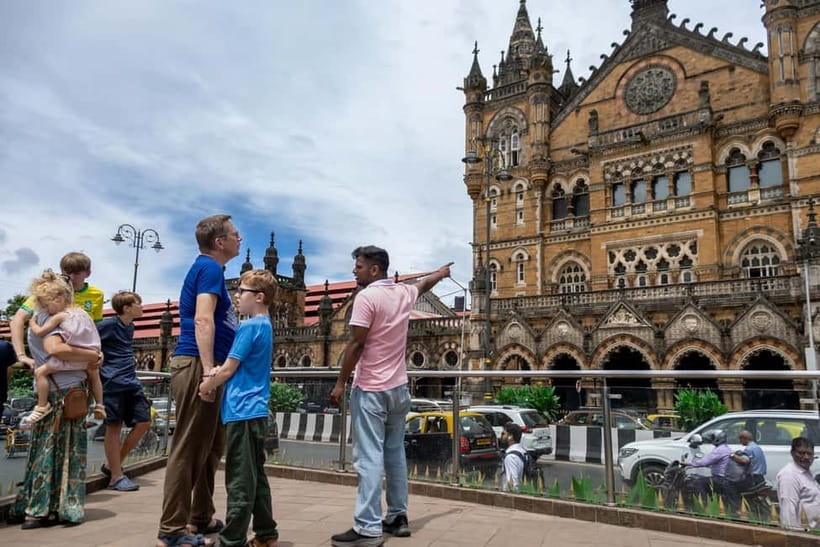
- Big architecture stops, but with context: you’ll hit landmarks like Chhatrapati Shivaji Maharaj Terminus and learn what to look for
- Dhobi Ghat is a working scene: an open-air laundry where traditional methods are visible at street level
- Crawford Market shows the city in motion: you’ll walk through daily commerce and spot a wide mix of local products
- Views are built in: Hanging Gardens and Marine Drive give you a payoff after the busy streets
A 6-hour plan that mixes icons with real neighborhoods

This tour is built for people who want more than a checklist. In six hours you cover a lot of ground, but it doesn’t feel random. The day moves from historic landmarks to working city spaces, so you see Mumbai as both a heritage city and a place where people earn a living right now.
The private format matters here. A smaller group makes it easier to keep track of what’s going on, and it helps the guides manage the pace—especially when you’re stepping into sensitive areas like Dharavi. The guide also stays in English, which makes a big difference if your goal is understanding, not just looking.
And yes, there’s comfort built in. Bottled water is included, and you ride in an air-conditioned vehicle between stops. That helps when the walking segments stack up.
You can also read our reviews of more city tours in Mumbai



Gateway of India to Marine Drive: classic views with better meaning

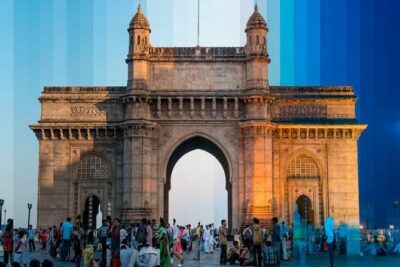
You start the day at the Gateway of India, with a guided visit and a photo stop. This is one of those places where you can take a picture without learning anything—or you can use the guide to understand why it matters and how it fits into Mumbai’s story. The tour leans into that second option.
From there, the day keeps feeding you context as you head toward the coastline. Marine Drive shows up more than once in the plan: you’ll get a photo stop view, then later you’ll return for the scenic coastline payoff. The contrast is smart. After busy markets and working neighborhoods, the sea views feel like a reset button.
If you’re the kind of traveler who likes a viewpoint, this part is worth your energy. The Hanging Gardens stop is specifically set up for panoramic views over Marine Drive and the Arabian Sea, so you’re not just waiting around—you’re getting a planned payoff.
Chhatrapati Shivaji Maharaj Terminus and the architecture photo stops
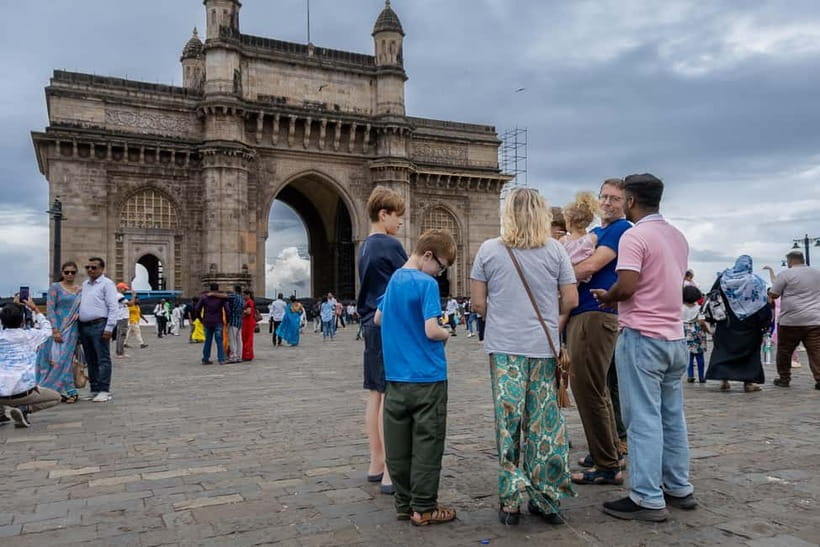
A major highlight is Chhatrapati Shivaji Maharaj Terminus, a UNESCO World Heritage Site. You’ll get both a photo stop and a guided visit, with time to look closely at the Victorian Gothic architecture. The key here is not just admiring the facade, but learning what the building represents in the broader Mumbai picture.
The day also includes several landmark photo stops around the university and legal areas. You’ll see spots like the Oval Maidan area, the University of Mumbai photo stop, Rajabai Clock Tower, and the High Court of Bombay. These are brief, but they add a useful layer: they show Mumbai as a city shaped by institutions and public space, not only by markets and street life.
Practical note: because these are photo stops, you’ll want to move quickly when the group is positioned. If you’re picky about framing, you’ll still get time, but don’t plan on a slow, solo photoshoot here.
Crawford Market: where you feel the city’s daily rhythm
Crawford Market is one of the most practical stops on the tour because it’s about daily life, not staged sights. You’ll visit with a guided walkthrough and take a walk through the market area where you’ll see a range of local products and the constant flow of shoppers and sellers.
I like market stops on tours when they’re guided with purpose, and this one is. Instead of treating the market like a photo lab, the guide helps you understand what you’re seeing—why people are there, what kind of economy you’re looking at, and how this feeds the city day after day.
If you’re someone who enjoys browsing food, crafts, or everyday goods, you’ll probably want a little extra time here. The tour gives you a walk-through, but markets always feel like they could be longer.
Dhobi Ghat: the world of open-air laundry at street level

Dhobi Ghat is next, and it’s a memorable change of pace. You’ll stop for photos and then visit, with a focus on traditional laundry methods at what’s described as the world’s largest open-air laundry.
This is one of those experiences where you learn by watching. Laundry isn’t hidden in a back room; it’s visible, active, and part of the public rhythm. The guide’s job is to explain what you’re seeing and why it’s significant to Mumbai’s economy, which makes the stop feel more meaningful than just observing.
A quick reality check: the open-air setting is working and exposed. That means you’re walking through a practical, busy place, not a museum corridor. Plan to keep your distance where locals are working and follow your guide’s cues.
You can also read our reviews of more tours and experiences in Mumbai






Dharavi: a guided walk that’s about respect, work, and resilience
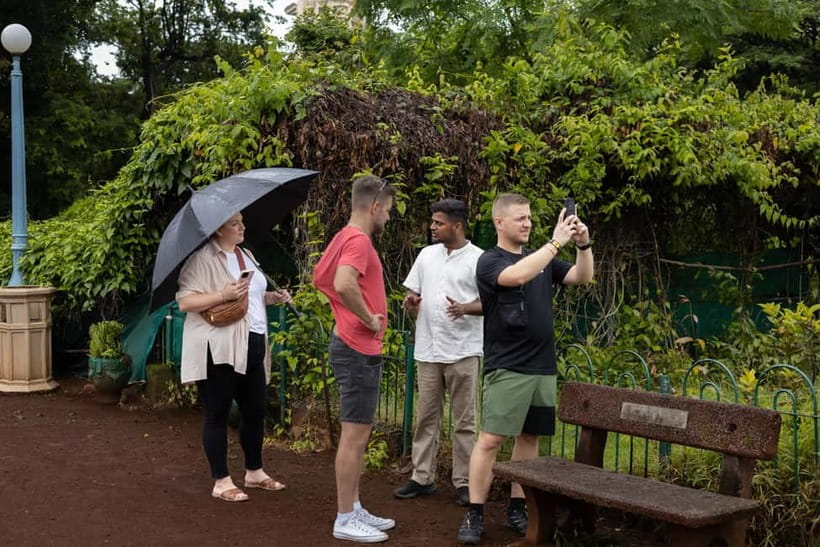
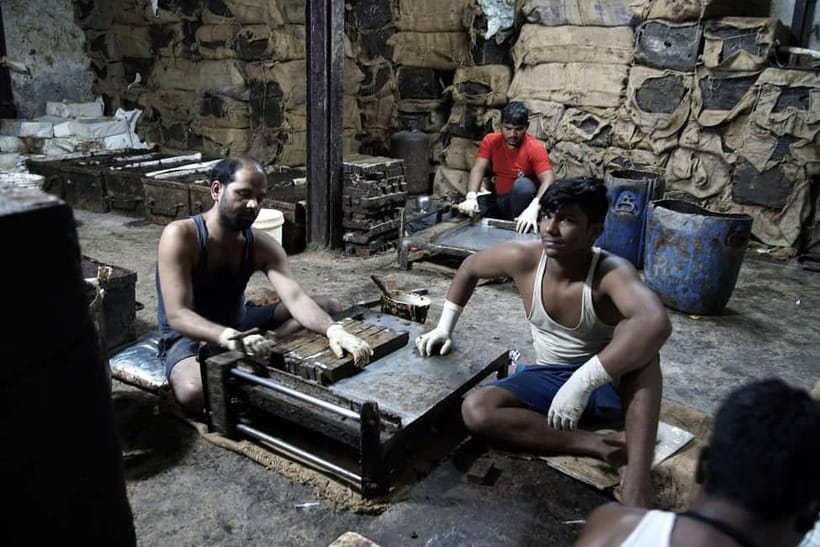
The tour’s emotional core is Dharavi. You’ll spend about two hours there on a guided visit and walk. The focus is on local resilience and the small-scale industries that thrive in the neighborhood and contribute to the city’s economy.
What makes this portion work is how the guide approaches it. In past private groups, guides such as Subhan have led walks through both commercial and residential areas, explaining how people live, work, and get educated, while also mindfully choosing places where visitors are welcome. In another group, a guide named Ruqaiyya—also from Dharavi—was praised for professionalism and approachable English, learned via YouTube. The point isn’t the language detail; it’s that you’re getting human context, not a script.
You’ll also see how access is handled. One group started the walk across railroad tracks from the Dharavi area, and the guide made sure the visit stayed respectful and comfortable. That small detail matters because it signals this isn’t a tourist peek; it’s a carefully managed visit.
How to handle it as a visitor:
- Keep your questions thoughtful and follow the guide’s direction on where to stand and how to move
- Treat the space like a workplace and home, not a set for photos
- Be prepared to feel discomfort and admiration at the same time. That mix is part of what this stop teaches
Hanging Gardens, Kamala Nehru Park, and Marine Drive viewpoints
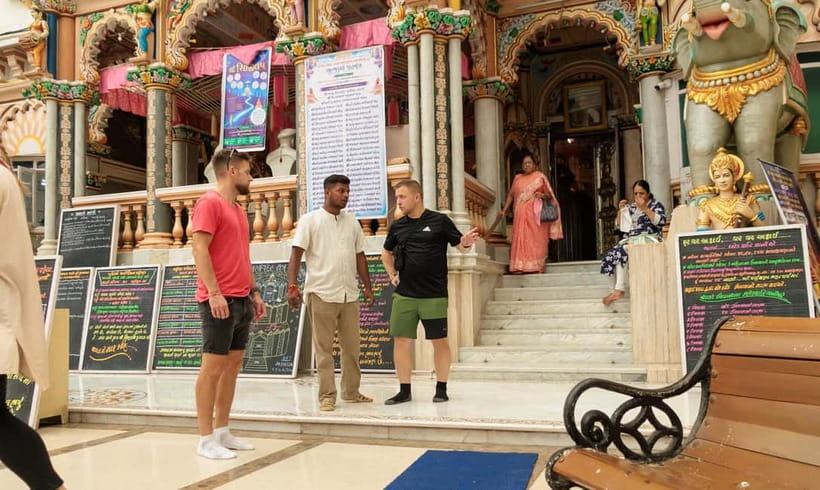
After Dhobi Ghat and the city stops, you get a calmer moment on the water side. Hanging Gardens is described as a serene retreat with panoramic views of Marine Drive and the Arabian Sea. You’ll have time for a guided visit and a walk, so it’s not just a one-minute glance.
Kamala Nehru Park is also included with a guided visit and walk. This section of the day acts like a visual and emotional break: you’ve been watching intense street life, and now you’re getting open views and space to breathe.
Then you finish around Marine Drive again with photo stops and scenic coastline views. For me, that looping structure is smart: you see the coast at least twice, so your brain connects the city’s motion to the sea’s stillness.
Mani Bhavan: Gandhi’s residence with self-guided time
Mani Bhavan is a different kind of stop. You’ll visit it with self-guided time after the guided portions earlier in the day.
The tour frames Mani Bhavan as the former residence of Mahatma Gandhi, tied to India’s independence movement. Since it’s self-guided, you control your pace. It’s a nice contrast after the guided walking stops—one place where you can slow down, linger, and read without feeling rushed by a group timetable.
If you like independence-movement context, plan to spend real time inside instead of just snapping a photo at the entrance.
Price and logistics: is $43 good value?
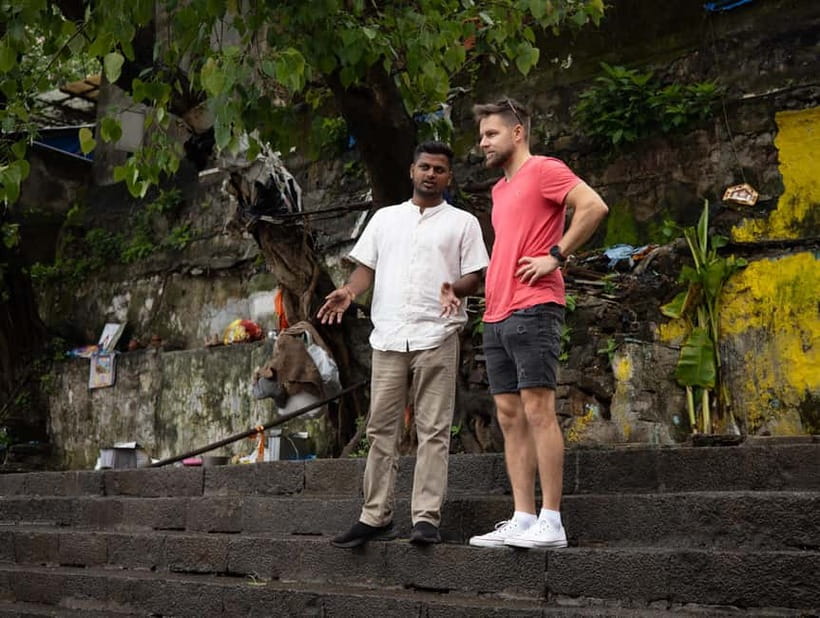
At about $43 per person for a six-hour private tour, the value is strong for three reasons.
First, you’re getting a lot of scheduled stops that most separate tours would charge for: major landmarks (including a UNESCO site), a market visit, Dhobi Ghat, and the Dharavi walk. You’re not just paying for transportation; you’re paying for guided interpretation across very different Mumbai settings.
Second, the included extras matter in practice: hotel pickup and drop-off, an air-conditioned vehicle, bottled water, and all fees and taxes are included. On a city day, those are the things that quietly remove friction.
Third, the private group format improves the quality of the city walking parts. With a private group, you’re less likely to get steamrolled by a large crowd and you’ll have more room for real questions. Past groups specifically praised guides like Subhan and Yash for professionalism, patience, and thoughtful pacing.
The only reason this might not be perfect is if you prefer very slow sightseeing days or if emotional neighborhoods like Dharavi are not your thing. Otherwise, if you want a guided day that connects Mumbai’s iconic sights with how people live and work, this is priced like a solid deal.
Who this tour suits (and who should skip it)
This tour fits best if you:
- Want a single day that covers both “see” and “understand”
- Like guided walking, especially in neighborhoods with real daily life
- Prefer a private group and English commentary
- Don’t want to plan transport between far-flung points yourself
You might rethink it if you:
- Want a mostly relaxing day with minimal walking
- Are strongly uncomfortable with visiting working neighborhoods and seeing poverty up close
- Prefer only famous monuments without context from local guides
Should you book this Mumbai city and slum tour?
I’d book this if you want your Mumbai day to feel grounded. The best part is the balance: you get the heavy hitters—Gateway of India, Chhatrapati Shivaji Maharaj Terminus, and the sea views—while still making space for Dharavi and Dhobi Ghat, where Mumbai’s real economy shows up in front of your eyes.
Pick it if you appreciate guides who focus on respectful access and clear explanations. If you show up ready to listen, follow instructions, and treat the places you visit as lived-in spaces, you’ll come away with a much fuller sense of how Mumbai works.
If you’re unsure, choose this logic: if you want context and you can handle an emotional neighborhood visit, this tour is likely to be worth your time.
FAQ
How long is the Mumbai city and slum exploration tour?
It runs for about 6 hours.
Is this tour private or shared?
It’s a private group tour.
What language is the live tour guide?
The live tour guide is English.
What’s included in the price?
The tour includes bottled water, an air-conditioned vehicle, and all fees and taxes.
Does the tour provide hotel pickup and drop-off?
Yes, hotel pickup and drop-off are included.
What are the main stops during the day?
You’ll visit Dhobi Ghat, Chhatrapati Shivaji Maharaj Terminus, Crawford Market, the Gateway of India, Hanging Gardens, Kamala Nehru Park, and Mani Bhavan, plus a guided walk in Dharavi.
How long do you spend in Dharavi?
The Dharavi portion is about 2 hours, including a guided walk.
What is the cancellation policy?
You can cancel up to 24 hours in advance for a full refund, and free cancellation is available up to that point.