REVIEW · CITY TOURS
“Mumbai City Sightseeing Tour”
Book on Viator →Operated by Navigate Mumbai Tours · Bookable on Viator
Mumbai fits into five focused hours. I like the way this route mixes big-name landmarks with real street life, especially the Dhobi laundry scene at Rajak Society and the sea-breeze promenade mood at Marine Drive.
The trade-off is time: each stop is short, so you’ll want to pick up details fast rather than linger. Also, lunch isn’t included, so eat ahead or plan a quick snack stop on your own.
In This Review
- Key highlights to look for
- A half-day sprint through Mumbai’s South and East
- Price and value: what $45.39 buys you in practice
- Starting in Colaba and keeping the day efficient
- Gateway of India: the edge of the Arabian Sea
- Old docks and the oldest fish market feeling
- Rajak Society and the Dhobis: seeing laundry as industry
- Oval Maidan and the cricket-and-colonial mix
- Marine Drive: skyline views that feel cinematic
- Malabar Hill: the luxury pocket and the House of Governor
- Hanging Gardens and the Zoroastrian resting place
- Mani Bhavan Gandhi Museum: the one stop you should protect
- Times Square CSMT: a train station made for photography
- Crawford Market and the colonial civic side streets
- What makes the guides matter: names you’ll recognize
- Who this tour suits best (and who should skip it)
- Should you book this Mumbai city sightseeing tour?
- FAQ
- How long is the Mumbai City Sightseeing Tour?
- What does the tour cost?
- Does the tour offer pickup and drop-off?
- Where does the tour start?
- Is this tour private?
- Is a mobile ticket used?
- What’s included in the price?
- Are there admission fees for the other stops?
- Is lunch included?
- What is the cancellation policy?
- What areas and sights are covered?
Key highlights to look for
- Dhobi Ghat atmosphere in Rajak Society: you see Mumbai working, not just posing for photos
- Marine Drive to Malabar Hill viewpoints: classic sea views with skyline angles
- Mani Bhavan Gandhi Museum (entry included): one museum stop that gets protected time
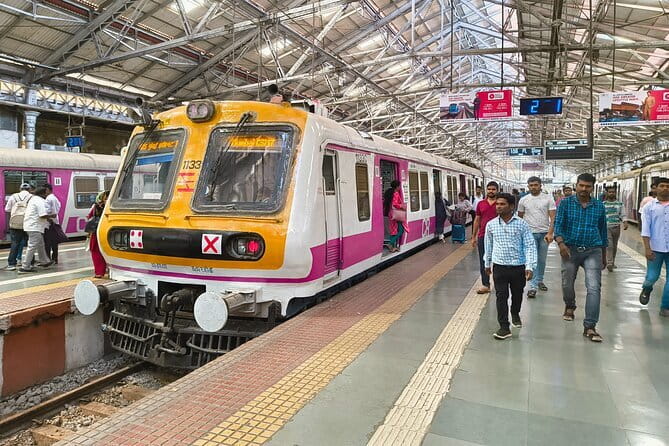
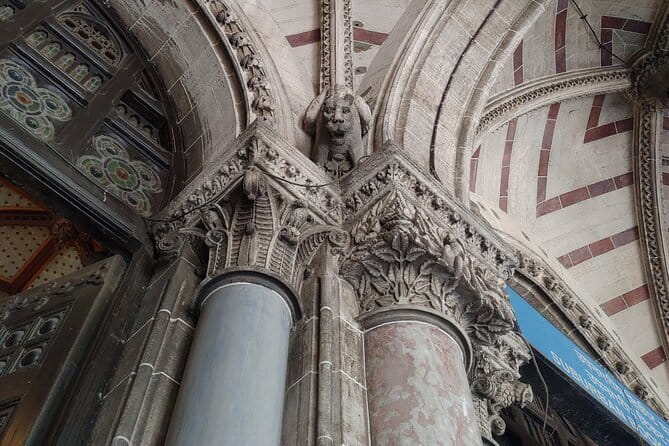
- CST station interior and colonial civic buildings: Victorian architecture in motion
- Crawford Market time: history plus shopping energy
A half-day sprint through Mumbai’s South and East

If you only have a few hours in Mumbai, this tour is built like a smart sampler. You start at Colaba and move through south Mumbai’s landmarks, then keep going toward the rail-station zone and markets in the east. The pacing is tight in a good way: you get a lot of “first-time Mumbai” without the day turning into a stress-fest.
The “private tour” format matters here. It’s not a huge group herd. It’s set up so your party stays together, rides in an air-conditioned vehicle, and gets a guided plan with stops timed around your group’s flow. That’s especially useful in Mumbai, where the difference between a smooth morning and a chaotic one is often just how quickly you know where to go.
You can also read our reviews of more city tours in Mumbai


Price and value: what $45.39 buys you in practice
At $45.39 per person for 4 to 5 hours, the value comes from what’s included on top of transportation. You’re not just paying for a ride; you get a driver and guide, bottled water, and all fees and taxes. Most stops are listed as free entry, and the one clear paid highlight—Mani Bhavan Gandhi Museum—has admission included.
That changes the math. If you’re paying separately for museum entry and transport anyway, this kind of structured route is easier to justify. You’re essentially paying for guidance, timing, and a lot of landmarks grouped into one half-day.
One thing to keep in mind: lunch is not included, so you may still spend extra once you get hungry. If you want a food plan built into your day, you’ll need to handle that outside the tour.
Starting in Colaba and keeping the day efficient
The tour starts at PizzaExpress Dhanraj Mahal, Apollo Bandar, Colaba and ends back there. That’s a helpful loop for first-timers because you don’t need to figure out a new end-point across town.
Because it’s near public transportation and you have a mobile ticket, it’s designed to be easy to manage. And since it’s private, you should expect the guide to adjust the pace to your group—slower if you want photos, quicker if you’re trying to make a later plan.
In the reviews, a common pattern shows up: guides like Kavitha and Ravi are praised not only for facts, but for friendliness and flexibility, including helping people get good photos. If you care about pictures, it’s worth knowing this tour tends to support that style.
Gateway of India: the edge of the Arabian Sea
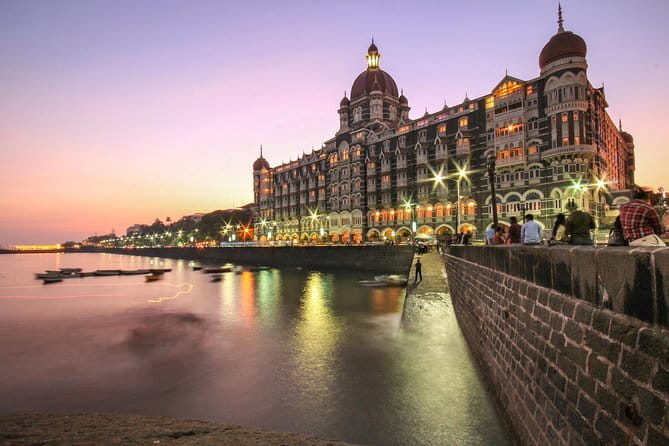
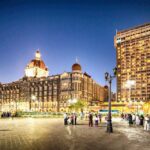
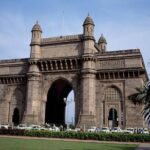
The day opens at Gateway of India, the historic monument on the waterfront. Right near it, you also see the Taj Mahal Palace Hotel and its Taj Tower. This is the kind of stop where Mumbai’s “old-meets-new” energy shows up instantly: the monument frames the harbor mood, and the skyline around it keeps things modern.
What I like about starting here is that it gives you a base reference point. If you’re trying to understand where Mumbai’s stories unfold—ports, colonial influence, and the city’s global role—this is a good anchor before you go inland.
The stop is about 30 minutes, so aim to capture wide shots early, then use the guide time for the smaller context. If you want fewer photos and more understanding, tell your guide what you prefer so they can focus your time.
Old docks and the oldest fish market feeling
From the waterfront area, you pass by a pair of landmarks that add texture: the oldest wet dock and the oldest fish market in Mumbai. Even without a long sit-down visit, this is the kind of stop that helps you feel how the city functions.
If you’re a traveler who likes observing daily life—how people work, how the port economy moves—this pass-through can be one of the most memorable moments. Just remember: markets run on tight rhythms, so keep your pace respectful and don’t block movement.



Rajak Society and the Dhobis: seeing laundry as industry
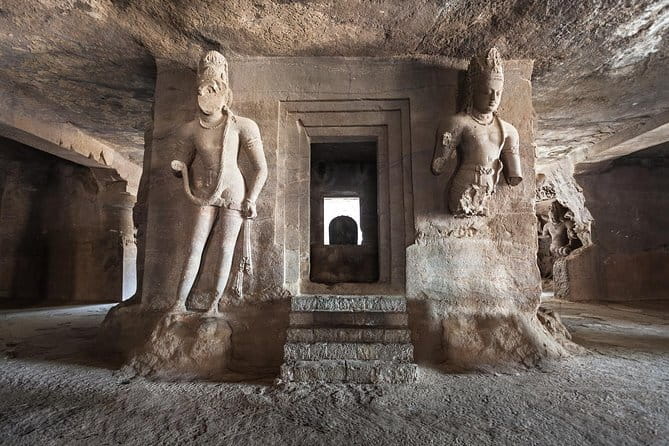
Next comes Rajak Society, a neighborhood known for its Dhobis, the launders. The tour highlights the contrast of manual and machine laundry used for commercial business. This isn’t a curated museum scene. It’s real work, and the scale can be surprising if you haven’t seen it before.
A couple of practical reasons this stop fits so well in a half-day tour:
1) It’s visually strong, so you don’t need a long time to get the idea.
2) It adds a “Mumbai everyday” layer right next to the more famous landmarks.
Also, the reviews underline that the guides do a good job keeping the experience engaging. People describe guides as friendly and helpful with questions, and that matters here because the sight is striking but also easier to understand with context.
Oval Maidan and the cricket-and-colonial mix
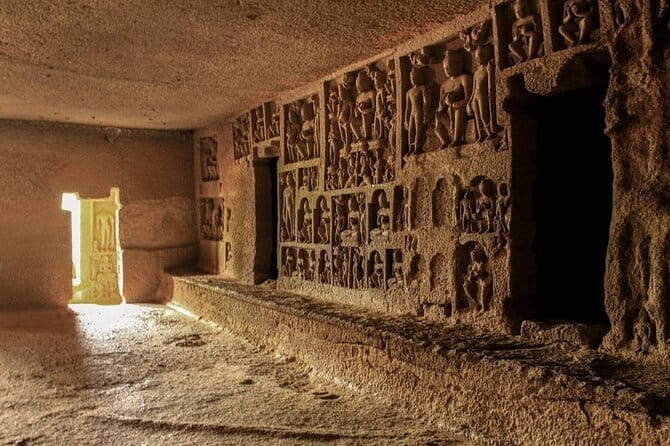
Then you move to Oval Maidan, a wide open ground where cricket matters. The point isn’t just that it’s a sports space; it’s that it’s surrounded by major buildings with a distinct old-city look.
On this stretch, you’ll see Victorian Gothic and Art Deco styles called out through landmarks such as:
- High Court
- University of Mumbai
- Civil Session Court
This stop is about 15 minutes, so it’s best for quick impressions and architecture spotting. If you like photographing facades, this is one of your best short windows.
You’ll also see a black & white Victorian building, the headquarters of Western Railways. That’s a nice visual bridge between Mumbai’s colonial-era civic power and the city’s rail-driven daily life.
Marine Drive: skyline views that feel cinematic
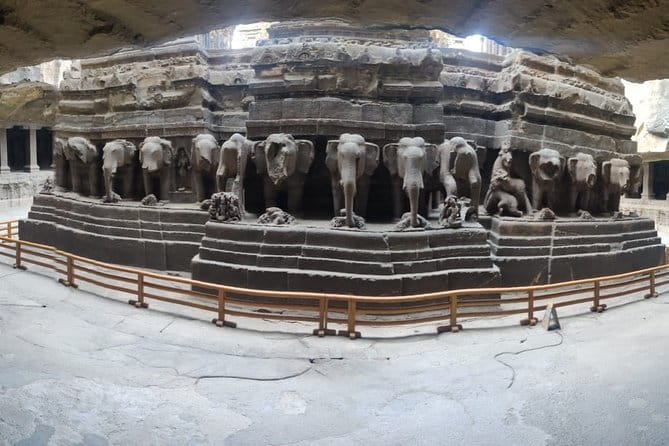
From Oval Maidan, the tour heads to Marine Drive, one of the most recognizable sea-facing promenades in the city. Here you get skyline views toward Malabar Hills and the Arabian Sea. The tour also notes that this is a great place for romantic photographs, and it’s true: the curved road plus the water-line makes for easy, postcard-ready angles.
This stop is about 15 minutes, so treat it like a photo-and-view moment. If you wait too long, the rest of your day compresses. If you’re quick with pictures, use the guide time to understand what you’re looking at from a city-planning and historical angle.
Also, the tour mentions the largest beach in Mumbai along with nearby street food stalls. That means you can pair a quick sight break with your own snack plan right outside the main schedule.
Malabar Hill: the luxury pocket and the House of Governor
Next is Malabar Hill, described as Mumbai’s luxury zone, with ministerial residences and a city garden. The shift here is dramatic. You move from working-city energy and big civic buildings into a more manicured, higher-end feel.
You’ll also see the House of Governor (Mumbai), which adds to the “power and administration” theme that runs through this route. The stop is around 40 minutes, which is long enough to slow down a bit and enjoy the viewpoints without feeling rushed.
In a half-day tour, that length is valuable. It gives you the chance to do something simple but rare: just watch the city for a moment and let the geography click.
Hanging Gardens and the Zoroastrian resting place
After Malabar Hill comes the Hanging Gardens, with about 20 minutes to enjoy views over South Mumbai and Marine Drive. From here, you can often see why people love this part of the city for photography: you get angles that tie the coastline to the buildings.
Then there’s a quieter, more reflective stop: the tour includes the resting place of Zoroastrians (Persians), describing it as a place related to how the religion handles the dead. This is the kind of moment where you’re not just sight-seeing—you’re encountering belief systems and cultural practice.
If you’re the type who likes to understand why places look the way they do, this is worth your attention. Just keep your time respectful; the schedule is still built for multiple locations.
Mani Bhavan Gandhi Museum: the one stop you should protect
The tour’s longest scheduled museum moment is Mani Bhavan Gandhi Museum at about 45 minutes, with admission included. This is the house where Mahatma Gandhi once resided, and the tour describes the museum as including a library, a picture gallery, and displays related to Gandhi’s personal story.
This is the stop that turns a “see Mumbai” day into a “understand Mumbai” day. Gandhi Bhavan is also a good contrast to the earlier waterfront and colonial civic buildings. You’re shifting from geography and governance to ideas and social change.
If you only skim museums, you’ll miss what makes this one land. Use your time here to read the central story lines rather than trying to capture every display.
Times Square CSMT: a train station made for photography
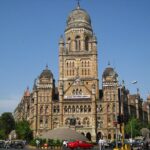
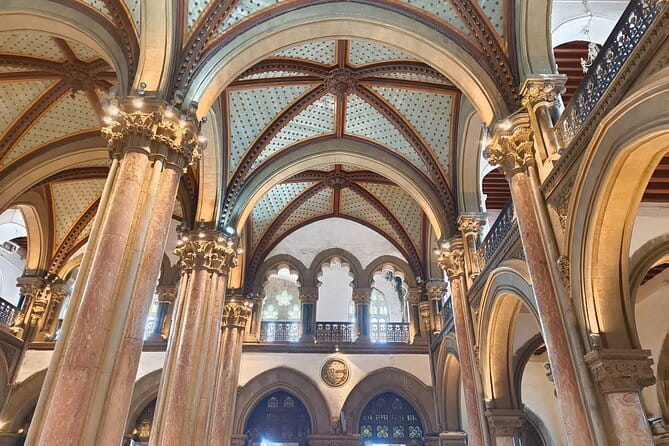
Then you get to Times Square CSMT, which is really a stop focused on Chhatrapati Shivaji Maharaj Terminus (CSMT)—described as one of the most stunning train stations in the world. Expect Victorian design inside and lots of crowd energy.
This stop is about 25 minutes. That’s enough time to do two things well:
- Get your eye on the architecture and interior details
- Watch the station rhythm without getting stuck
If you’re traveling with someone who loves trains or street-level motion, this is a strong addition. And if you’re a photo person, this is also one of your best indoor/outdoor combos.
Crawford Market and the colonial civic side streets
The day wraps with Crawford Market, around 25 minutes. It’s described as the first market of the city, and the tour frames it as lively and worth exploring with a guide. There’s also a practical upside: it’s a place where you can shop for supplies while still getting city context.
As you move through this late-day stretch, the tour also says you’ll see several major colonial-era buildings and institutional landmarks, including:
- Police headquarters of Mumbai made during the colonial era
- The huge postal service building for Mumbai City
- Colonial-era banking headquarters & mintings
- White Town Hall
- A Sailor’s Clubhouse repurposed as the State Police Headquarters
These “pass by and look up” moments are easy to rush if you don’t have a guide. With one, you can connect what you’re seeing to why these buildings matter. It also helps you avoid just walking past impressive architecture without registering it.
What makes the guides matter: names you’ll recognize
In the reviews, the strongest praise centers on guide presence. People mention Kavitha as friendly, knowledgeable in the sense of having clear answers, and flexible. Another highlight is photo help, with one reviewer saying she takes amazing photos.
Ravi shows up repeatedly too, described as an expert on Mumbai and a great fit for solo travelers who want help understanding the city quickly. There’s also a mention of Hakim being well-known, and when he wasn’t available, a substitute driver-guide named Sunil was described as friendly.
What you can take from this: the experience is built around more than just stop lists. The best version of this tour is when you treat it like a conversation, not a checklist. If you want photos, say so. If you want more explanation at a specific stop, ask early so your guide can plan the pace.
Who this tour suits best (and who should skip it)
This tour is a good match if:
- You have a half day and want a solid cross-section of Mumbai
- You like street-life moments as much as iconic sights
- You want one anchored cultural stop with Mani Bhavan Gandhi Museum
- You prefer a private format with air-conditioned comfort and a guide
You might want a different option if:
- You expect a relaxed, long museum pace at multiple locations
- You want lunch included and don’t want to plan around hunger
- You hate short stop windows and prefer slow wandering
If you’re on a first trip and want your bearings, this tour can do that fast. It gives you a layered view: port-front landmarks, laundry industry life, civic architecture, sea views, and colonial-era institutions, all within one compact route.
Should you book this Mumbai city sightseeing tour?
I’d book it if you want a practical, structured way to see south Mumbai and the CSMT/market area in one go, without spending your limited time figuring out logistics. The best reasons to choose it are the included Gandhi museum admission, the mix of famous and everyday Mumbai, and the fact that the common praise points to friendly, flexible guides like Kavitha and Ravi.
I wouldn’t book it if you’re the type who needs long stays, detailed museum time, or a built-in meal plan. In that case, you’ll likely feel rushed.
Bottom line: for a short stay, this is a strong value play. You pay a modest per-person price for transport, guidance, and a lineup of major sights packed into a workable half-day.
FAQ
How long is the Mumbai City Sightseeing Tour?
The tour duration is approximately 4 to 5 hours.
What does the tour cost?
The price is $45.39 per person.
Does the tour offer pickup and drop-off?
Yes. Pickup is offered, and the tour ends back at the meeting point.
Where does the tour start?
The meeting point is PizzaExpress Dhanraj Mahal, Chhatrapati Shivaji Maharaj Marg, Apollo Bandar, Colaba, Mumbai.
Is this tour private?
Yes. It’s listed as a private tour/activity, meaning only your group participates.
Is a mobile ticket used?
Yes. The tour includes a mobile ticket.
What’s included in the price?
Included items are bottled water, all fees and taxes, an air-conditioned vehicle, and a driver & guide. Mani Bhavan Gandhi Museum admission is included.
Are there admission fees for the other stops?
Most stops are listed as free (with admission ticket free). The one explicitly included admission is Mani Bhavan Gandhi Museum.
Is lunch included?
No. Lunch meals are not included.
What is the cancellation policy?
You can cancel for a full refund up to 24 hours in advance of the experience’s start time.
What areas and sights are covered?
The tour includes sights such as Gateway of India, Rajak Society (Dhobis), Oval Maidan, Marine Drive, Malabar Hill and Hanging Gardens, Mani Bhavan Gandhi Museum, CSMT, and Crawford Market, plus multiple colonial-era civic buildings along the route.