REVIEW · COOKING CLASSES
Mumbai Coastal Cooking: From Fishing Net to Flavourful Plate
Book on GetYourGuide →Operated by Explore Mumbai Tours · Bookable on GetYourGuide
A fish net can be a doorway into everyday Mumbai. This small-group, market-to-home experience pairs coastal culture with a hands-on cooking class led by Kavitha (and often joined by her husband Ravi), so you learn what locals cook and why.
I love the chance to see fishing life up close—boats, nets, and the fish market—and I love that the cooking focuses on Mumbai seafood classics you can actually recreate later. The one thing to weigh is that access restrictions can change the village portion, shifting more of your time to cooking and conversation at the home.
In This Review
- Key points worth knowing
- Coastal Cooking in Mumbai: What You’re Really Buying
- The Tuk-Tuk Start and the Fishermen’s Village Area
- When access changes
- Watching Nets and Boats Up Close
- The Fish Market Stop: Meet the People Behind the Ingredients
- What you’ll notice
- Hands-On Cooking at Kavitha’s Home (with Ravi’s Help)
- The menu you can expect
- What “hands-on” actually means here
- Price and Timing: Is $21 for 3 Hours Good Value?
- The best value for your money
- What to Wear, Eat Before, and Bring (Real-World Tips)
- Who This Tour Suits Best (and Who Might Want a Different Option)
- Should You Book Mumbai Coastal Cooking?
- FAQ
- How long is Mumbai Coastal Cooking
- How much does it cost
- Is the tour led in English
- Is this a private group
- Where does the tour meet
- What’s included in the experience
Key points worth knowing
- Fish market energy, not a staged show: you’ll walk through real trade and everyday shopping with local vendors.
- Net weaving and traditional fishing techniques: you get context for the ingredients you’ll be cooking.
- Hands-on cooking in a home kitchen: you’re not just watching; you’re making dishes step by step.
- Mumbai-specific seafood menu: fish curry plus fried fish, roti/chapati, and other local touches.
- Plans can flex due to access: sometimes the village stop isn’t possible, but the class remains the heart of the experience.
Coastal Cooking in Mumbai: What You’re Really Buying
This is the kind of tour that earns its place on your schedule because it trades sightseeing for skills and relationships. You’re not just looking at Mumbai—you’re learning how coastal families think about food, spice, timing, and taste.
For me, the biggest value is the mix of three things that don’t usually happen together: market time, fishing-world context, and a cooking class in someone’s home. When those connect, fish curry stops being a generic dish and starts becoming a story with ingredients you can picture and flavors you understand.
The second value is practical. You’ll come away with a clear process for a Mumbai-style seafood spread—plus enough kitchen guidance to rebuild it later at home. That’s a better souvenir than a photo.
One consideration: because the experience connects to fishermen’s areas and beach access, there can be last-minute changes. That doesn’t mean the tour is canceled, but it can mean you spend more time at the home and less time at the village/beach portion.
You can also read our reviews of more cooking classes in Mumbai
The Tuk-Tuk Start and the Fishermen’s Village Area
Your day begins with a pickup and a tuk-tuk ride to the fishermen’s area. It’s short, but it sets the tone: this isn’t a quiet museum route. You’re moving toward a working community.
In the fishermen’s village zone, you’ll explore an older area tied to Mumbai’s coastal past—linked to a historic festive ground with connections to British history, according to the tour description. That matters because it reminds you that port cities are layered. Fishing here isn’t just tradition; it’s part of how Mumbai grew.
You may also see the rhythm of the community—people moving for their day, not waiting for a schedule. That’s where the experience gains credibility fast.
When access changes
Here’s the one real-world wrinkle. One guest experience noted that access restrictions prevented the village visit. In that case, the tour shifted to the cooking home portion and turned into a more conversational class at the start-to-finish level. If you’re someone who hates schedule changes, keep that in mind. If you’re flexible and want an authentic local day, you’re likely to be fine.
Watching Nets and Boats Up Close
Next comes the coastal part: you head to a beach area to see fishermen’s boats and watch net weaving and traditional fishing techniques.
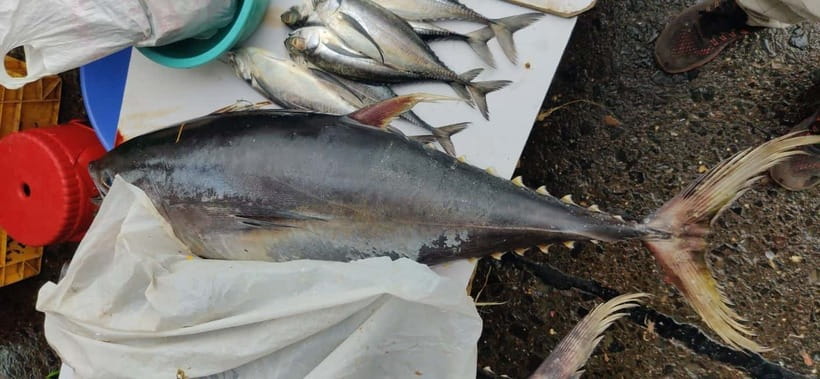
This isn’t a lecture about the sea. It’s about understanding how the work connects to the kitchen. When you see nets being handled and you notice how fishing gets done in practical steps, the ingredients you later cook feel less random. You start to understand why certain fish (like mandeli) show up on plates and how people think about what they can get.
This part is also where the tour helps you look with better questions. Instead of just asking what fish is sold, you start asking what’s available, what’s local, and how seafood changes with the rhythm of the coast.
The Fish Market Stop: Meet the People Behind the Ingredients
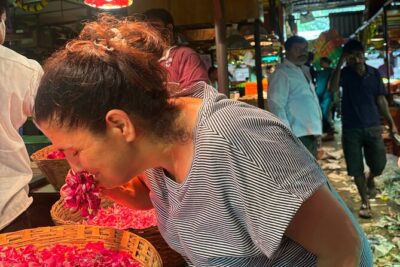
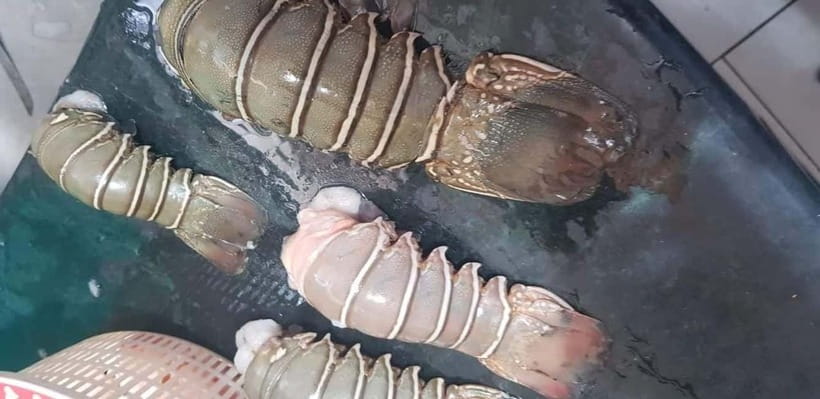
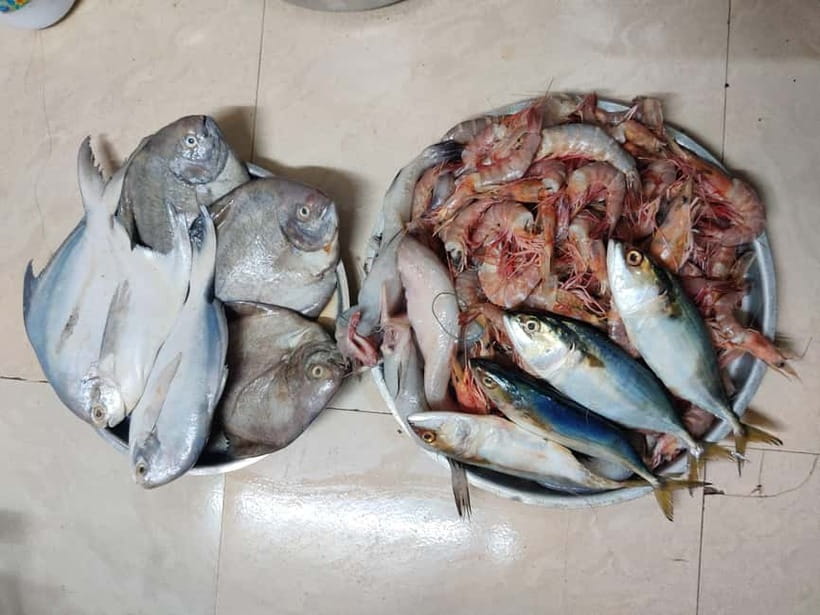
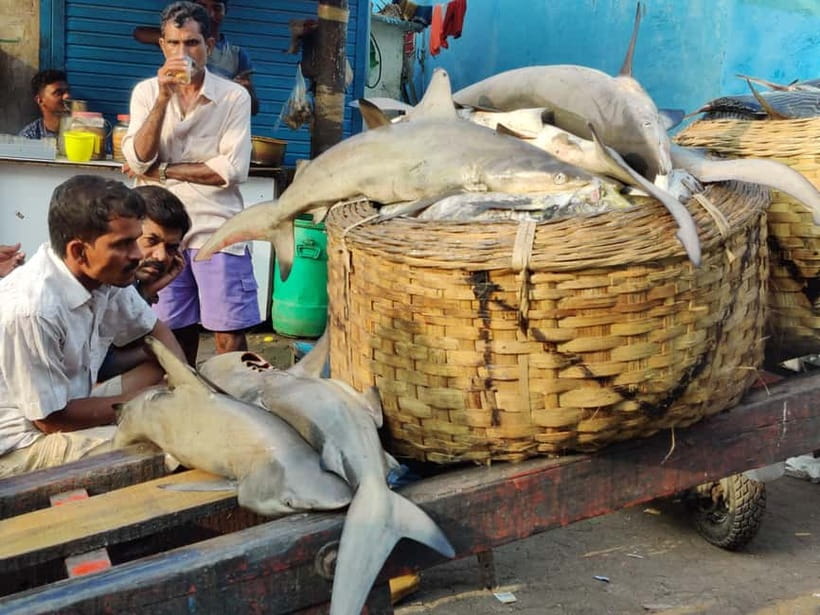
The fish market walk is one of the most eye-opening parts of this experience. You’ll stroll through a lively market area where fisherwomen in colorful sarees sell fresh catches.
This is not just a photo stop. It’s where you learn how ingredients move from the coast to the pan. Fish markets can look chaotic to first-timers, so the value here is having a guide/host to help you connect names, freshness, and cooking suitability.






What you’ll notice
You’ll likely clock three things quickly:
- The market feels like a working system, not a performance.
- People are used to bargaining and choosing what fits the day.
- Seafood is treated as normal daily food, not an exotic event.
That last part changes your perspective. Mumbai seafood cooking isn’t about trying to impress anyone. It’s about feeding family.
Hands-On Cooking at Kavitha’s Home (with Ravi’s Help)
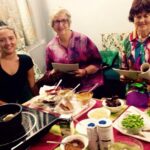
The heart of this experience is the cooking session in a local home. And yes, it’s hands-on. You’ll prep and cook dishes that reflect Mumbai coastal tastes.
Guests consistently highlight Kavitha as a warm, patient teacher with strong English. When Ravi joins, it adds another layer—more conversation, more context, more clarity on why certain steps matter.
The menu you can expect
Based on the tour description and guest experiences, you’ll likely work through a mix of:
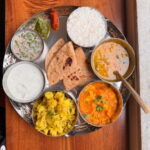
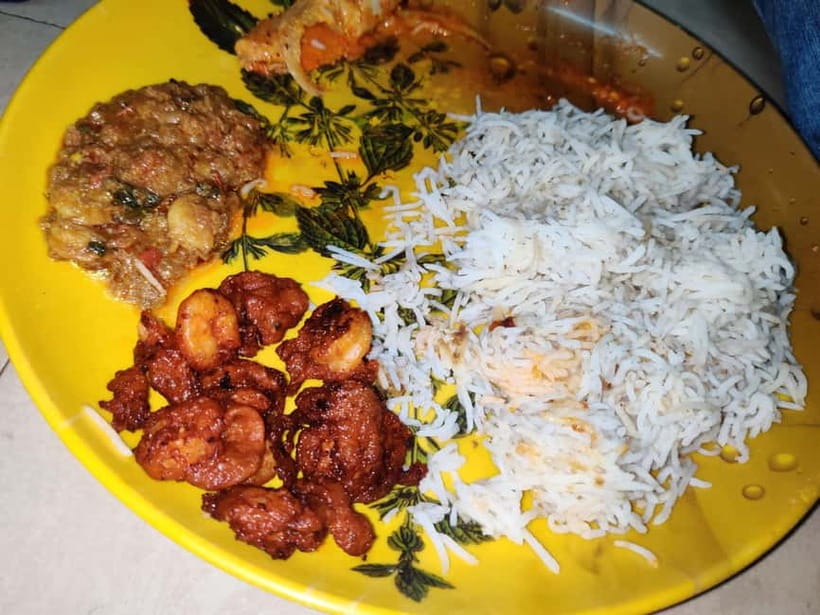
- Fish curry (Mumbai style)
- Fried fish, including mandeli in at least one guest experience
- Rice
- Roti and/or chapati (depending on how the menu lands that day)
- A local fisherman’s bread
- A sour-spicy drink
That’s a nicely balanced spread: curry for depth, fried fish for crunch and flavor contrast, and flatbread for scooping and eating the whole thing together. The sour-spicy drink also acts like a palate reset, which makes the meal feel complete instead of repetitive.
What “hands-on” actually means here
In a home cooking class, hands-on doesn’t just mean standing by. It means you get real tasks. One guest described helping with frying a batch of mandeli, which is exactly the sort of participation that makes the skills stick.
You’ll also get step-by-step guidance while cooking, so you’re not guessing your way through spice levels. If you’re the type who cooks by instinct, you’ll still appreciate the structure. If you’re a beginner, the pacing helps.
And the best part: you get to share a meal in the home. In other words, you’re not rushing out the door right after the last stir. The cooking becomes the conversation.
Price and Timing: Is $21 for 3 Hours Good Value?
At about $21 per person for roughly 3 hours, this is priced like a serious local experience, not a heavily packaged show. The value mostly comes from what’s included, not what’s promised on paper: market time, coastal village/beach context, and a real cooking class in someone’s home.
Could it cost more? Cooking lessons in many cities often do. But here, the experience is lean and focused. You’re not paying for a long bus ride or a multi-stop route that leaves you tired instead of fed.
The best value for your money
You’re getting the best deal if you want:
- Learnable cooking skills (fish curry and more)
- Real market exposure
- Conversation and everyday-life context in a home kitchen
If you’re only after a quick photo route or you don’t want to cook, the value drops. But if you do want to actually make dishes, this is a strong match.
What to Wear, Eat Before, and Bring (Real-World Tips)
Because you’ll move between beach/coastal areas and markets, plan for the practical stuff. Wear comfortable shoes you don’t mind getting a bit dirty. Bring a light layer if you run into wind off the coast.
Eat lightly before you go. You’ll likely end up eating what you cook in the home. Also, if you’re sensitive to spice, say so early—hosts adjust as needed when they know your preferences.
One more practical point: this is in a home setting. You’ll be in someone’s daily space, so keep your expectations respectful and your phone use low. The experience is more rewarding when you’re actually paying attention to what’s happening in front of you.
Who This Tour Suits Best (and Who Might Want a Different Option)
This is a great fit if you want a food experience with context. It works particularly well for:
- Couples or solo travelers who enjoy hands-on learning
- People who like markets and want to talk to real vendors
- Anyone curious about Mumbai coastal culture beyond the usual tourist circuit
- Foodies who want a Mumbai seafood recipe set (fish curry, fried fish, breads)
It’s a weaker fit if:
- You hate any chance of schedule changes due to access issues
- You’re expecting a big group tour vibe (this is private group)
- You want a purely sightseeing itinerary with no cooking
Should You Book Mumbai Coastal Cooking?
I’d book it if your idea of a great day in Mumbai is learning something you can use. The combination of coastal observation—boats, nets, market—and a home cooking class led by Kavitha (with Ravi’s help in some cases) is exactly the kind of experience that sticks.
If you’re worried about the village stop changing due to access restrictions, treat that as a “heads up,” not a dealbreaker. When that happens, the cooking-and-conversation portion becomes even more central, which many people end up appreciating even more.
So here’s the decision rule: if you want fish curry skills plus a real slice of coastal life, this is a clear yes.
FAQ
How long is Mumbai Coastal Cooking
The experience lasts 3 hours.
How much does it cost
It’s priced at $21 per person.
Is the tour led in English
Yes. The host or greeter is listed as English.
Is this a private group
Yes, it’s described as a private group.
Where does the tour meet
The meeting point may vary depending on the option booked.
What’s included in the experience
You get a visit to the fisherman’s village, a tuk-tuk ride, a fish market visit, and coastal food cooking classes.