REVIEW · COOKING CLASSES
Mumbai: Indian Cooking Class & Cultural Delights
Book on GetYourGuide →Operated by Amaze Tours · Bookable on GetYourGuide
A warm welcome and a hot pan can change your whole trip. This Mumbai cooking class pairs a market visit with a home-style, hands-on Maharashtrian menu you make yourself, then eat together. I like that it stays casual and friendly, and I like that you’re not just watching—you’re cooking.
One thing to think about: this is a hands-on class, so if you’re hoping for a sit-and-spectate experience, you may find it more work than expected. Also, because the session is small (limited to 6), it’s best to show up on time so everyone gets a turn at the stations.
In This Review
- Key Things That Make This Class Special
- Why This Mumbai Cooking Class Feels Like a Real Local Meal
- Meeting at Star Anise Patisserie: Getting Started Smoothly
- The Market Visit: Where the Flavors Start
- Hands-On Kitchen Time: Demos, Then You Cook Everything
- What you might cook (and why it’s useful)
- Cultural Activities Beyond the Stove
- Lunch: The Best Part of the Homework
- Price and Value: Is $27 a Good Deal?
- Who This Class Suits Best
- A Few Smart Considerations Before You Go
- Should You Book This Mumbai Cooking Class?
- FAQ
- What is the duration of the Mumbai cooking class?
- Where is the meeting point?
- How much does it cost?
- Is it hands-on, or do I just watch?
- Do I need any cooking experience?
- Is there an English-speaking guide?
- What’s included in the price?
- What is not included?
- How big is the group?
- Is it wheelchair accessible, and can I cancel?
Key Things That Make This Class Special
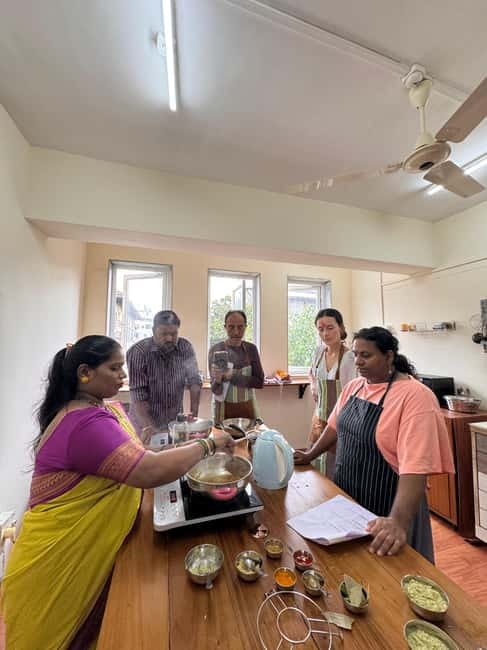
- Small group (up to 6): more attention from the live English guide and the home cook.
- Market first, then cooking: you see where ingredients come from before the stove.
- You cook the dishes: you get both demos and hands-on time at the stations.
- Multi-course meal + shared lunch: your work turns into a full thali you eat right away.
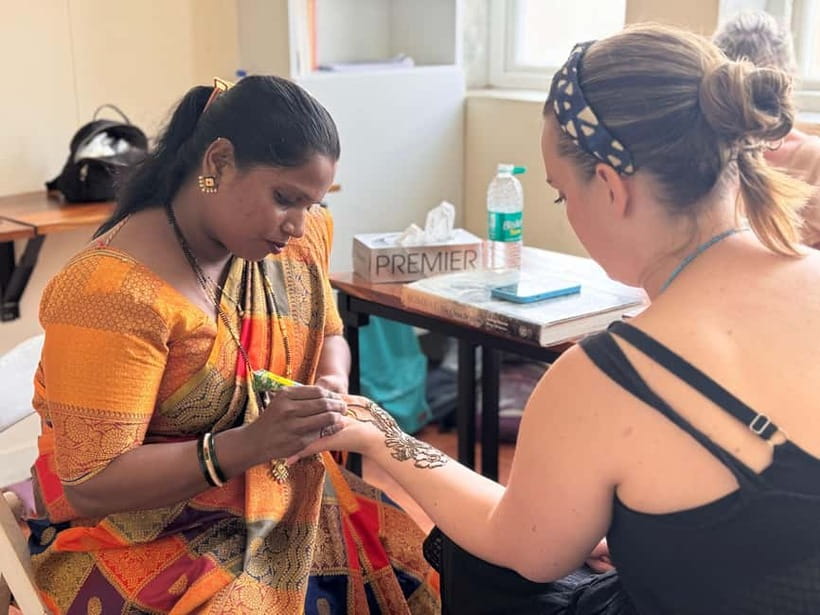
- Cultural extras with real local color: you may get things like henna/Mehndi and food/city stories.
- Beginner-friendly format: you can join even without cooking experience.
Why This Mumbai Cooking Class Feels Like a Real Local Meal
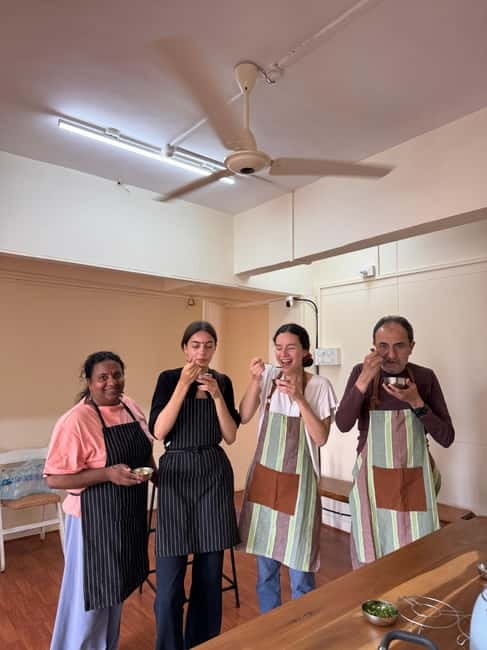
Most food tours hand you snacks and stories. This one is built around doing. The format is simple: you walk through the market, learn what you’re buying, then head into the kitchen to prepare multiple dishes as a group.
What makes it particularly satisfying is the balance of technique and culture. You’re not only learning flavors and spices. You’re also picking up how people in Mumbai think about food day to day—what’s practical, what’s common in Maharashtrian cooking, and how ingredients come together without turning everything into a complicated project.
You’re also getting that home-cook feeling. In classes like this, the guides and cooks are often described by name (for example, Dinesh and Trupti, and in other sessions Danish or an Aunty-style host), and that personal touch is what turns a cooking lesson into an actual afternoon with people.
You can also read our reviews of more cooking classes in Mumbai
Meeting at Star Anise Patisserie: Getting Started Smoothly
You meet at the entrance of Star Anise patisserie. That matters more than you’d think. A lot of Mumbai activities depend on quick, clear handoffs, and starting at a recognizable spot helps you get into the rhythm fast.
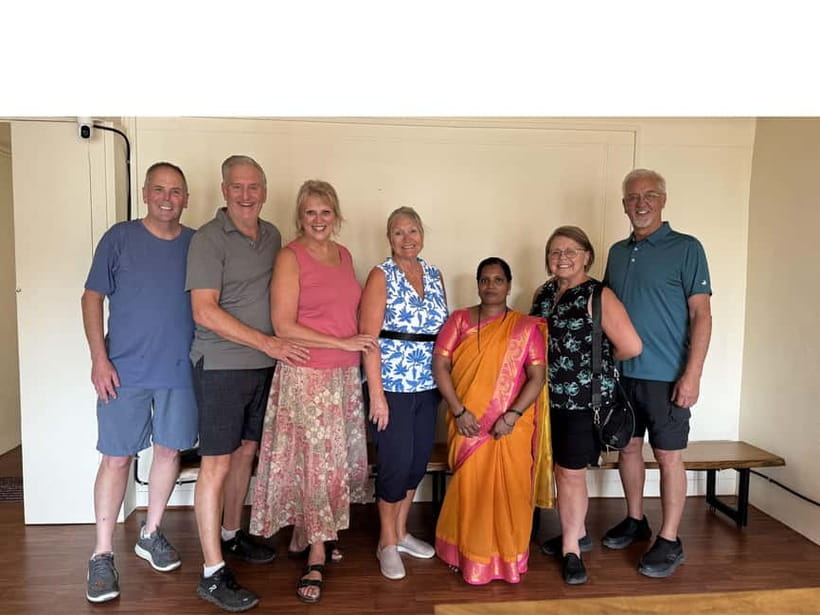
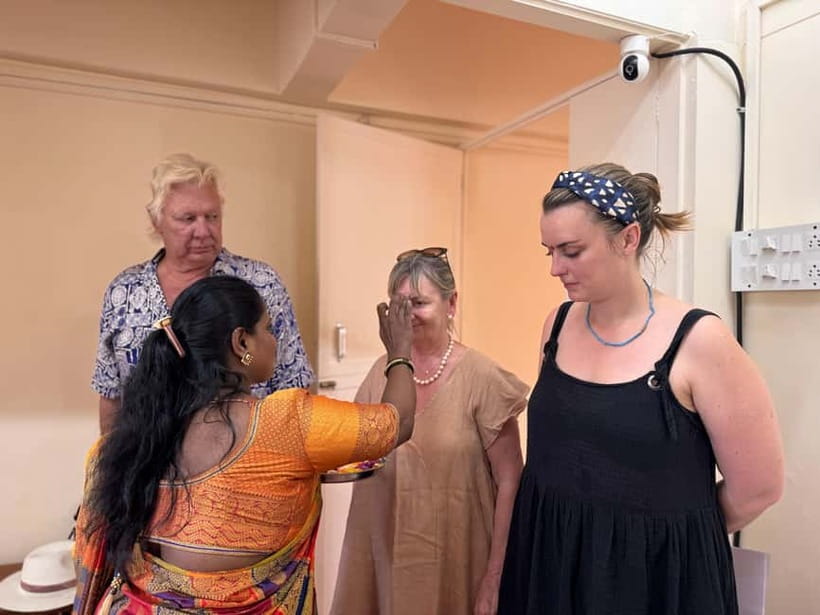
From there, the experience typically begins with a short orientation and a warm welcome. Some sessions include a traditional ritual on arrival, which sets a friendly tone right away. You’ll have a live tour guide in English, and the session runs for about 3 hours, so it moves at a steady pace: market, kitchen, meal.
Because it’s a small group limited to 6, the guide can keep track of who needs help—especially during the moments when everyone’s trying to chop, stir, roll dough, or taste for salt and spice.
The Market Visit: Where the Flavors Start
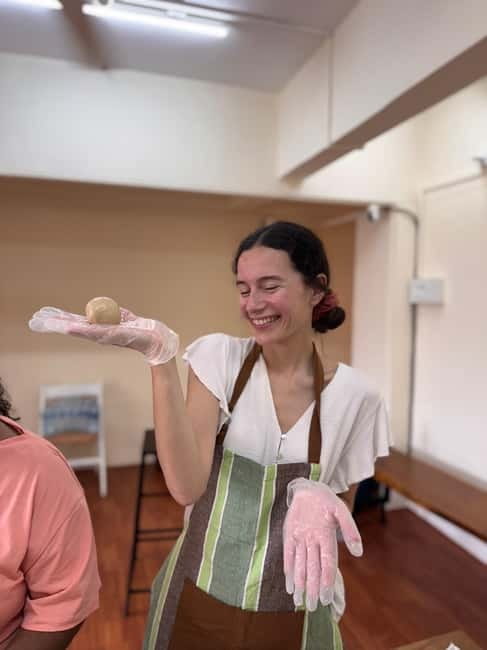
The market stop is one of the best parts because it connects ingredients to decisions. Before you cook, you get to see what’s fresh and what you’re likely to use for the dishes. You also learn how ingredients fit Maharashtrian cooking—things like how spices are used, how produce is chosen, and why certain flavors work together.
On the market walk, some classes include a pause for local chai, which is a nice reset if you arrive a bit hungry or you’re adjusting to Mumbai’s energy. You’re basically doing two things at once: getting bearings and learning shopping logic.
Practical note: since transportation is not included, plan how you’ll reach Star Anise patisserie and still arrive without rushing. If you’re coming straight from another part of the city, build in buffer time.
Hands-On Kitchen Time: Demos, Then You Cook Everything
This is not a watch-and-hope class. It’s hands-on. You’ll usually start with a demo for each dish, where the cook shows what to do and the guide explains what’s happening and why. Then each participant handles their own cooking.
Many people love the “each station” setup because it keeps you moving. One common format mentioned is multiple cooking stations (like four stations), which helps if you’re nervous about doing everything wrong. You get support, but you still get the satisfaction of making the dish yourself.
What you might cook (and why it’s useful)
The class is described as multi-course with several traditional dishes. Across sessions, common learning moments include making breads like chapati, and in some cases paratha. That’s a big deal because flatbreads are the kind of food people eat all over India, yet at home they’re often the hardest to nail.
You’ll also learn how to build flavor without relying on heavy shortcuts. Several notes point to discovering that Indian taste doesn’t have to mean lots of cream or grease. Instead, it’s about layering spices, balancing heat, and getting technique right (like how long you cook certain ingredients).
If you have no experience, don’t overthink it. You’re given guidance step by step, and the vibe is set up so beginners can keep up.
You can also read our reviews of more tours and experiences in Mumbai



Cultural Activities Beyond the Stove
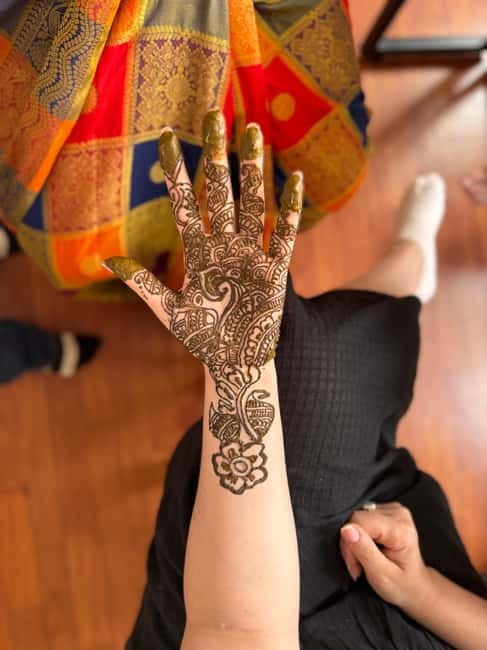
This class doesn’t treat food like a separate planet. You get cultural activities that connect the dishes to Mumbai life and heritage.
Two extras come up again and again in the experience notes:
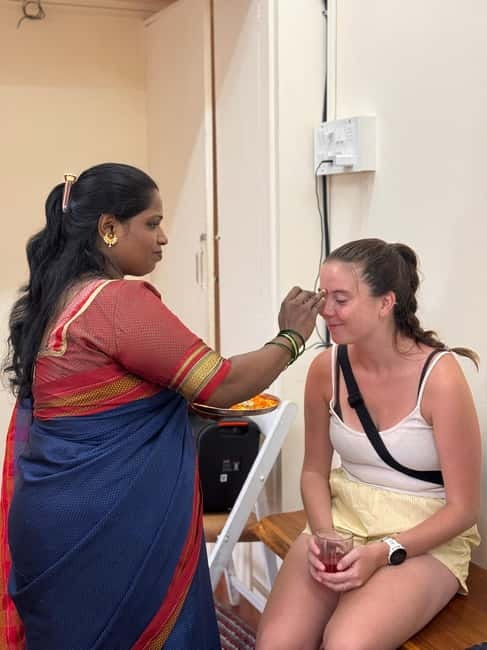
- Henna/Mehndi: you may get henna applied on your hand, turning the afternoon into a memorable keepsake.
- Stories about the city and food: guides often share background that links ingredients, cooking styles, and local history.
One specific theme mentioned is colonial Bombay. You don’t need to be a history buff to enjoy it, because the stories are tied to what you’re learning in the kitchen. That “why” makes the spices and methods stick better when you’re cooking later at home.
There’s also a feeling of family warmth in how the sessions are hosted. People describe it as casual and homey, which is exactly what you want if you’re using a cooking class as a way to slow down and get to know the city in a human way.
Lunch: The Best Part of the Homework
The meal isn’t an afterthought. Once you finish cooking, you sit down and enjoy what you made.
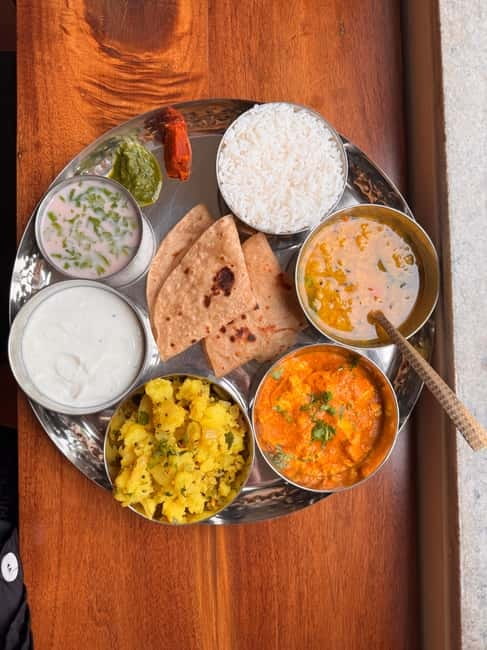
Often, you eat a thali—a multi-item plate—and the group shares lunch together. That’s a key value point: you’re not paying for ingredients and instruction only. You’re paying for the full experience of turning skills into a real meal on the spot.
Many sessions also include a takeaway element like recipe notes or a recipe sheet. Even if you don’t cook everything perfectly the first time, having the written guidance helps you recreate the flavors without guessing.
And yes, it’s normal to feel proud eating your own work—especially if you were rolling chapati or handling spices only minutes earlier.
Price and Value: Is $27 a Good Deal?
At $27 per person for 3 hours, this class can be a strong value—especially because you’re not just paying for cooking instruction. You’re also getting:
- a market visit
- a multi-course meal you prepare
- cultural activities
- a small group format (up to 6)
- an English-speaking live guide
Compare that to typical Mumbai food and tour costs. If you’d otherwise spend money on a guided experience plus lunch, this bundles learning and eating into one session. You also leave with practical skills, not just photos.
Could it be a “best choice” for everyone? Not necessarily. If you don’t care about learning recipes or you’re short on time, you might prefer something simpler. But if you like hands-on activities, $27 starts looking pretty fair fast.
Who This Class Suits Best
This experience is a good fit if you:
- want a practical way to understand Indian/Maharashtrian cooking
- enjoy market-to-kitchen experiences
- like small-group attention
- want a social afternoon without big crowds
- don’t have cooking experience (the format is designed for beginners)
It’s also wheelchair accessible, and the small group helps with movement and guidance in a way larger tours often can’t.
If you’re a solo traveler, it can feel friendly and structured. If you’re a couple, it’s a great shared activity because you’ll cook together and then sit down to eat together.
A Few Smart Considerations Before You Go
Here’s what I’d plan around so the experience stays fun, not stressful:
- Expect hands-on work: you’ll be cooking and handling tasks at the stations. Wear comfortable clothes you don’t mind getting a little messy.
- Spice tolerance varies: you’ll likely taste spicy flavors, since that’s part of the cuisine. If you’re very sensitive, consider asking how heat levels are managed (the info provided doesn’t list specific adjustments).
- No transport included: build your day so you can reach Star Anise patisserie on time.
- Diet details aren’t specified: the class description doesn’t mention special dietary accommodations. If you have dietary needs, it’s worth confirming directly before booking.
Should You Book This Mumbai Cooking Class?
I think you should book if you want an authentic Mumbai experience that’s active, social, and genuinely useful later. The combination of market visit + hands-on multi-course meal + cultural moments is exactly the kind of value that turns into memories and kitchen skills.
Skip it if your goal is mainly sightseeing without getting involved in cooking, or if you only have time for something faster and less structured. For the sweet spot—people who like learning by doing—this is the kind of afternoon that can anchor your trip.
FAQ
What is the duration of the Mumbai cooking class?
The activity lasts 3 hours.
Where is the meeting point?
You wait at the entrance of Star Anise patisserie.
How much does it cost?
The price is $27 per person.
Is it hands-on, or do I just watch?
It’s a hands-on cooking class. You cook multi-course dishes yourself.
Do I need any cooking experience?
No. The experience is open to anyone, including people without any cooking experience.
Is there an English-speaking guide?
Yes. The live tour guide is English.
What’s included in the price?
Included items are the authentic Maharashtrian cooking class, market visit, cultural activities, and multi-course meal preparation.
What is not included?
Transportation to and from the location and personal expenses are not included.
How big is the group?
It’s a small group limited to 6 participants.
Is it wheelchair accessible, and can I cancel?
Yes, it’s wheelchair accessible. There is free cancellation up to 24 hours in advance for a full refund, and you can reserve and pay later.