REVIEW · DABBAWALA TOURS
Mumbai Dharavi Slum, Dhobi Ghat & Dabbawala Lunchbox Tour
Book on Viator →Operated by Cityscape Mumbai Tours · Bookable on Viator
That lunchbox system runs like clockwork. In one compact outing, you’ll connect three very different parts of everyday Mumbai: dabbawalas, Dhobi Ghat, and a guided walk through Dharavi. It’s a rare route that’s hard to piece together alone, because it depends on relationships and local know-how to get you to the right places safely and at the right pace.
I particularly like two things: the tour keeps the group small (max 15), so you can ask questions without feeling lost in a crowd, and the guides bring a serious grip on daily routines and how the systems work. Meeting a guide like Javed or Subhan is the kind of difference you feel right away: you’re not just looking at places, you’re being shown how real life functions there.
One consideration: this isn’t a museum-style route. You’ll be watching work and community life up close, so you’ll want a respectful mindset and a bit of patience, especially in areas where crowds and foot traffic are part of the day’s reality.
In This Review
- Key points worth planning around
- The 3.5-hour route that connects Mumbai’s daily systems
- Where you meet, where you finish, and how to avoid stress
- Dabbawala Tribute Statue: the lunchbox network in plain sight
- Dhobi Ghat open-air laundry: work you can watch, in real time
- Dharavi with a local guide: seeing industry and resilience, not stereotypes
- Price and value: why $18.33 can make sense here
- Who this tour fits best (and who might want another plan)
- Should you book the Mumbai Dharavi, Dhobi Ghat & Dabbawala tour?
- FAQ
- How long is the Mumbai Dharavi Slum, Dhobi Ghat & Dabbawala Lunchbox Tour?
- What does the tour cost per person?
- How many people are in the group?
- Where does the tour start and what time does it begin?
- Where does the tour end?
- What are the three main stops?
- Are any admissions included?
- What’s included in the price?
- Is alcohol included?
- What is the cancellation policy?
Key points worth planning around
- Small group size (up to 15) means more time for questions and smoother access.
- Three daily-life institutions in about 3 hours 30 minutes keeps the focus practical, not sightseeing-heavy.
- Dhobi Ghat is a working, open-air laundry—seeing thousands of clothes handled as part of routine.
- Dharavi is led by a local guide who knows the community inside out (no wandering alone).
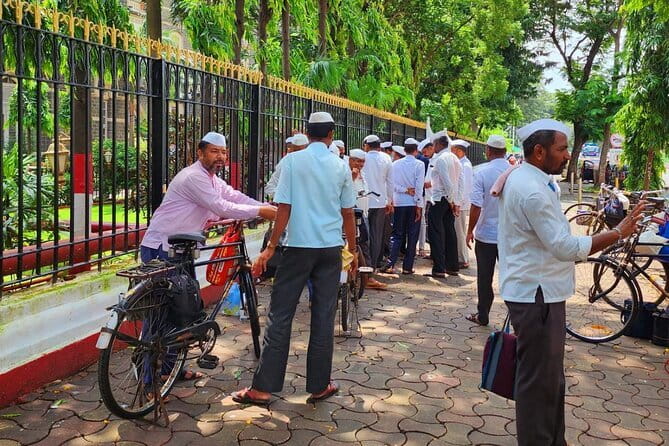
- Dabbawala coverage starts with a tribute point and moves you toward understanding a citywide delivery network.
- Value bundle includes bottled water, transport during the tour, and all fees and taxes.
The 3.5-hour route that connects Mumbai’s daily systems
This experience is built around what keeps the city running. Instead of stacking famous landmarks back-to-back, you follow three threads that affect ordinary people every day: lunch delivery, laundry work, and neighborhood life in a place many outsiders only know from headlines.
The timing matters. At about 3 hours 30 minutes, you get a full arc: you start with the dabbawala story, shift to the working laundry scene at Dhobi Ghat, and then end with Dharavi, where daily industry and resilience shape what you’ll see.
You’ll also travel in a group. That’s not just for convenience—it’s part of how you visit places most people can’t find on their own in a safe, sensible way. And with a maximum of 15, the pace stays human, not rushed.
You can also read our reviews of more tours and experiences in Mumbai.


Where you meet, where you finish, and how to avoid stress
The day starts at 11:30 am near Churchgate, at the Burger King Express Building by the railway station (look for No 14E, IMC Marg, opposite Churchgate). You end near Mahim, at Third Wave Coffee, opposite Mahim Railway Station.
That start-and-finish setup is useful if you like planning your day with public transport. It also means you don’t need to backtrack to your original point of departure—your guide helps you get sorted afterward, so you can return to your hotel or move on.
Two small logistics perks also help: you get a mobile ticket, and the tour includes bottled water plus the transport used during the tour. Alcoholic beverages aren’t included, so if you want anything specific, plan for that separately.
Dabbawala Tribute Statue: the lunchbox network in plain sight
Your first stop is the Dabbawala Tribute Statue, a launch point for one of Mumbai’s most famous everyday services. The dabbawalas have been doing this for over 130 years, transporting thousands of meals with a system that relies on accuracy, routes, and repeatable routines.
What I like about leading with this is that it sets your brain in the right mode. You’re not simply watching people walk around; you’re learning how a citywide network functions as a daily promise. Even before you get to the more active parts of the subject, you can feel why this service is studied worldwide.
The stop is about 40 minutes, and the admission there is free. That free entry detail matters because it helps keep the overall cost reasonable—part of what you’re paying for is the guided access and the explanation, not a stacked list of ticket prices.
A practical tip: as you listen, pay attention to the language of routine. In cities like Mumbai, delivery isn’t just logistics—it’s coordination. If your guide mentions how lunchboxes move through stages, write it down mentally. That mental map makes the next stops easier to follow.
Dhobi Ghat open-air laundry: work you can watch, in real time
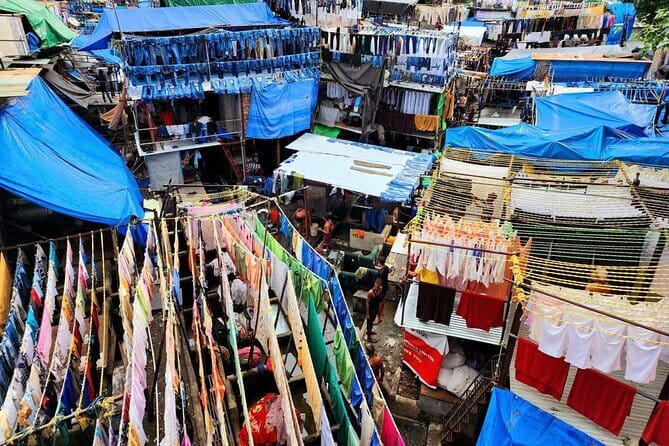
Next comes Dhobi Ghat, described as the world’s largest open-air laundry. Here, washermen—often called dhobis—clean thousands of clothes each day, using a workflow that’s visible rather than hidden behind closed doors.
You’ll spend about 35 minutes at this stop, with admission included. That’s a good structure: short enough to keep it energetic, long enough to actually see the pattern of how clothes get washed and handled. If you’re the type who likes to learn how things work, this portion is made for you.
Why this stop feels different from classic sightseeing: it’s not about architecture or views. It’s about labor made visible. You’ll walk away with a clearer sense of why the city’s rhythms depend on services that happen every day, even when tourists aren’t looking.
One consideration: open-air, working spaces can be intense. Even with guidance, you may want to keep your expectations grounded. This is a workplace. You’re there to understand, not to treat it like a casual photo set.
Dharavi with a local guide: seeing industry and resilience, not stereotypes
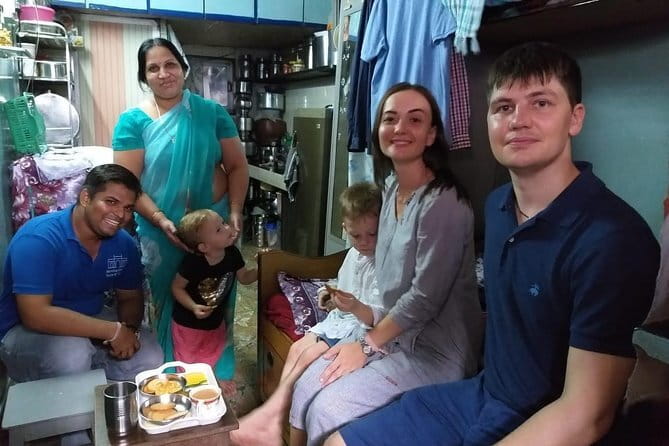
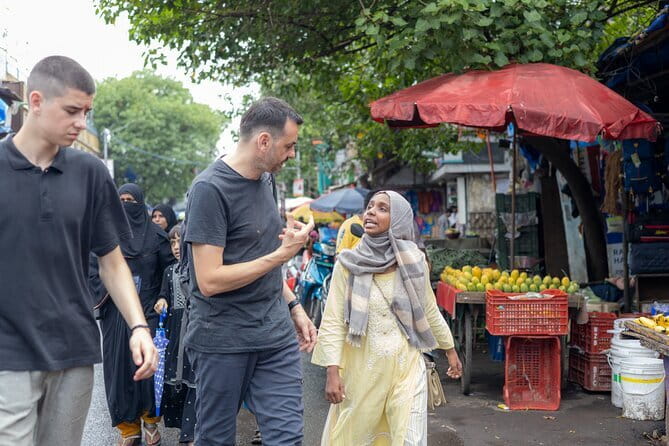
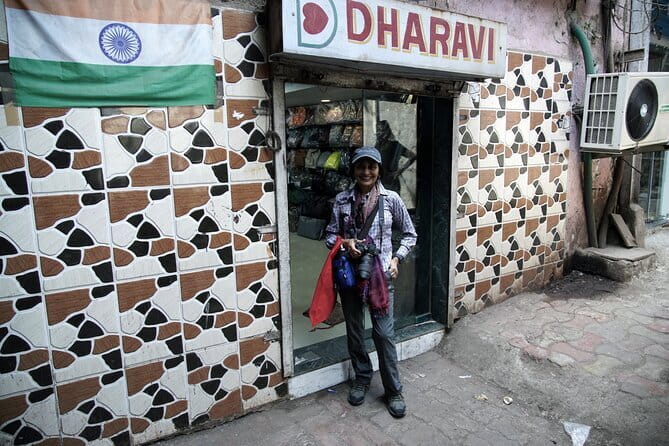
The final stop is Dharavi, for about 1 hour 15 minutes. This is the longest segment of the day, and it’s where the tour’s purpose becomes most obvious: a local guide helps you understand a community inside out, without you needing to navigate it alone.
Dharavi is known as one of Asia’s largest slums, but the way the tour frames it is more useful than the headline version. You’ll hear about a vibrant hub of industry and resilience, and you’ll focus on everyday life—how people live, work, and keep systems moving.
It also helps that Dharavi admission is free on this itinerary. That again keeps the structure balanced: the cost goes more into people-guiding-you-and-explaining than into paid attractions.
Because this is a sensitive setting, the tour leans into safety and context. You’re not wandering. You’re walking with someone who can translate what you’re seeing into something meaningful and respectful.
If you’re unsure how to approach a neighborhood visit like this, keep it simple: ask questions through the guide, stay mindful of your body language, and remember that the point is understanding real life—not collecting moments.




Price and value: why $18.33 can make sense here

At $18.33 per person, this tour is priced like a smart sampler, not a luxury production. The biggest value comes from what’s packaged:
- Bottled water
- Transportation used during the tour
- All fees and taxes
- A small group (up to 15)
- Guided access to three difficult-to-arrange stops
A lot of Mumbai experiences look cheap on paper and then add costs later. Here, the inclusions reduce that risk. Also, two of the stops lean toward low friction on entry (Dabbawala Tribute Statue is free, Dharavi admission is free), while Dhobi Ghat’s admission is rolled in.
You’re not buying tickets to famous monuments. You’re buying time with a guide who can connect dots between three working systems that shape daily life. That’s why the guide quality matters so much—and it shows in the way guides like Javed and Subhan are singled out for knowledge and approachability.
One more practical point: alcoholic beverages aren’t included. If your plan involves eating afterward, you’ll likely want to treat this as a “see and learn” morning/early afternoon, then handle meals on your own.
Who this tour fits best (and who might want another plan)
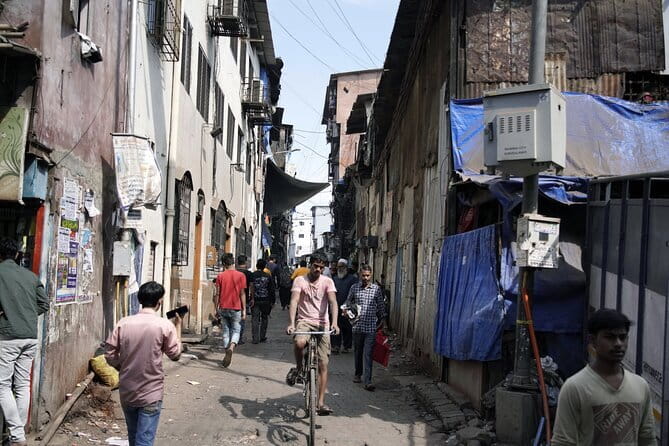
This is a strong fit if you want Mumbai through the lens of function. You like learning how cities run, and you’re curious about people’s work—lunch delivery, laundry labor, and neighborhood life in Dharavi.
It also works well if you prefer smaller groups. With a max of 15, you can actually have back-and-forth conversations rather than just watching from the side.
If you’re someone who needs quiet, minimal crowds, or a mostly “sit and view” style of tour, this may feel like too much. The focus is on everyday environments where activity is part of the background.
Also, if you’re sensitive to the idea of learning about poverty from a distance, bring the right mindset. This tour’s value depends on respect and listening, not judgment.
Should you book the Mumbai Dharavi, Dhobi Ghat & Dabbawala tour?
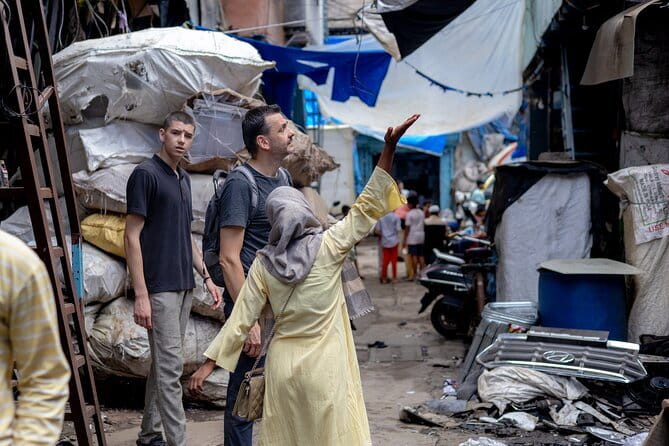
I’d book it if your top priority is understanding how Mumbai operates day-to-day, through three connected real-world institutions. The small group size, included transport and water, and the guided access make it feel like the practical way to see places most people would struggle to visit thoughtfully on their own.
I’d skip or think twice if you need a classic sightseeing pace or you’re not comfortable with workplace/community settings as the main attraction. In that case, you might prefer a more monument-driven itinerary.
If you do book, come with one simple goal: learn the systems, ask respectful questions, and let the day be about people and routines—not postcards.
FAQ
How long is the Mumbai Dharavi Slum, Dhobi Ghat & Dabbawala Lunchbox Tour?
The tour lasts about 3 hours 30 minutes.
What does the tour cost per person?
The price is $18.33 per person.
How many people are in the group?
The maximum group size is 15 travelers.
Where does the tour start and what time does it begin?
It starts at 11:30 am near Burger King Express Building in Churchgate, opposite Churchgate.
Where does the tour end?
It ends at Third Wave Coffee opposite Mahim Railway Station, and your guide helps you return to your hotel or continue onward.
What are the three main stops?
The tour includes a visit to the Dabbawala Tribute Statue, Dhobi Ghat, and Dharavi.
Are any admissions included?
Dhobi Ghat admission is included, while the Dabbawala Tribute Statue and Dharavi are listed as free admissions for this tour.
What’s included in the price?
Bottled water, transportation used during the tour, and all fees and taxes are included.
Is alcohol included?
Alcoholic beverages are not included.
What is the cancellation policy?
You can cancel for free up to 24 hours in advance for a full refund. Less than 24 hours before the start time isn’t refundable.