REVIEW · DHARAVI SLUM TOURS
Mumbai: Private Dharavi Slum Tour by a Local with Pickup
Book on GetYourGuide →Operated by Inside Mumbai Tours · Bookable on GetYourGuide
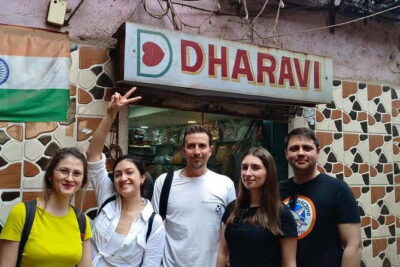
Dharavi isn’t what movies make it. This private 2-hour Dharavi tour gets you close to how people live and earn day to day, led by an English-speaking local resident guide. I especially like two things: seeing the real mix of work, from plastic recycling to leather and textiles, and getting clear explanations in English from locals such as Alkama, Faizan, Frazen, Abi, or Mohammad. One possible drawback: this is a real working community, so the sights and sounds can feel intense if you expect a tidy tourist attraction.
The best part is the framing. Instead of treating Dharavi like a problem to stare at, the tour focuses on purpose—where families live, where children play, and how small industries run side by side. The operator also positions the visit as safe and resident-led, but you’ll still want to keep a respectful pace and follow your guide’s cues.
In This Review
- Key things to know before you go
- What “Private Dharavi” means in real life
- Pickup in Mumbai: how to start without stress
- Your 2-hour walk: homes, work, and community in one loop
- Plastics, leather, textiles: seeing the “how,” not just the “what”
- The Slumdog Millionaire stop: a film scene with a living twist
- A local-led experience: “safe” is about route and respect
- Getting around: sometimes it’s more than just a taxi ride
- What about restrooms, schools, and animals?
- Price and value: $14 for a private local guide is unusual
- Who should book this tour (and who should pause)
- Practical tips so you get more out of the visit
- Should you book this Dharavi private tour?
- FAQ
- How long is the Mumbai private Dharavi tour?
- Is this tour private or shared?
- What language is the guide?
- Do I get hotel pickup and drop-off?
- What’s included in the tour price?
- Are food and drinks included?
- Do I get to see where people live and work?
- Is the tour considered safe?
- Can I cancel for a full refund?
Key things to know before you go
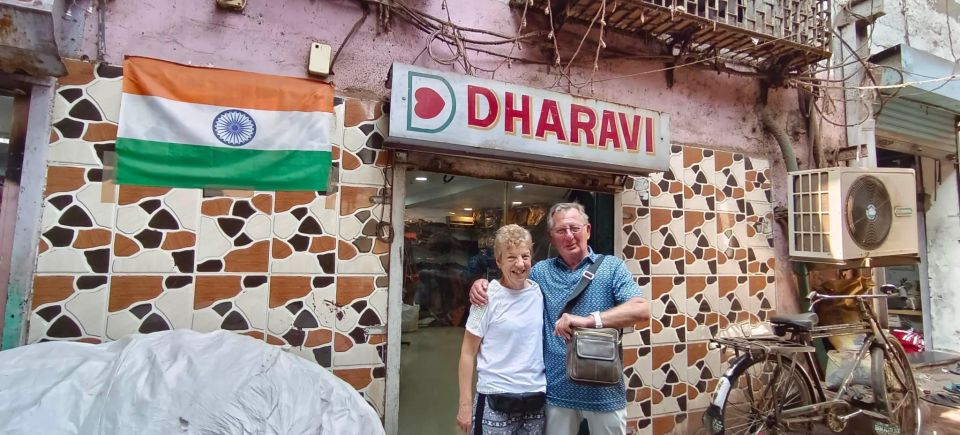
- Local guides from Dharavi (English) explain daily routines and how industries actually work
- You’ll see homes and workplaces together, not just a photo stop
- Recycling and small-scale industries show up fast: plastic work, garment/textile work, leather, and more
- The Slumdog Millionaire filming connection is part of the route
- Pickup and drop-off are handled so you’re not wrestling with buses right before a walk
- Short timing means focus, but you won’t cover everything in 2 hours
What “Private Dharavi” means in real life
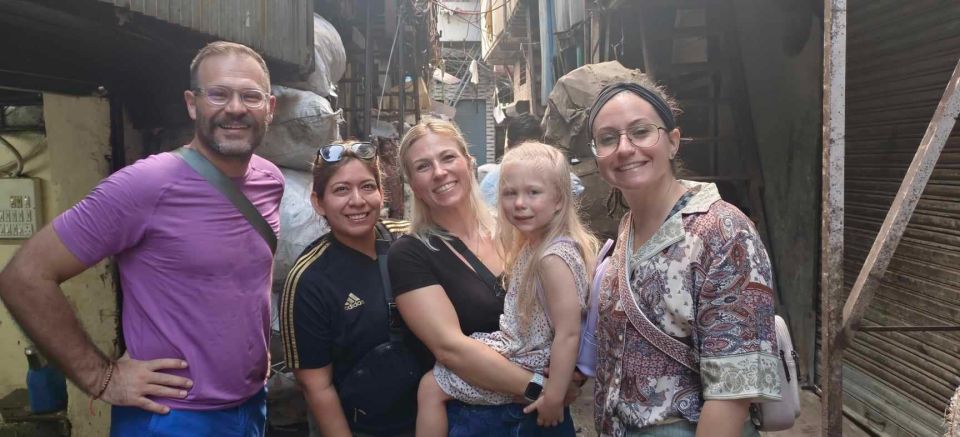
A private tour sounds fancy, but here it’s practical. You’re not riding along with a huge group while trying to hear over traffic. Instead, your guide can tailor the pace to your questions, and you can move with fewer distractions.
The tour is also built around one clear idea: you shouldn’t arrive with a film-in-your-head version of Dharavi. The experience is designed to dispel stereotypes and show the community’s own rhythm—where people live, work, and spend family time. And because it’s led by residents, the route tends to feel like walking with someone who knows the neighborhood by heart, not just someone with a script.
You can also read our reviews of more private tours in Mumbai



Pickup in Mumbai: how to start without stress
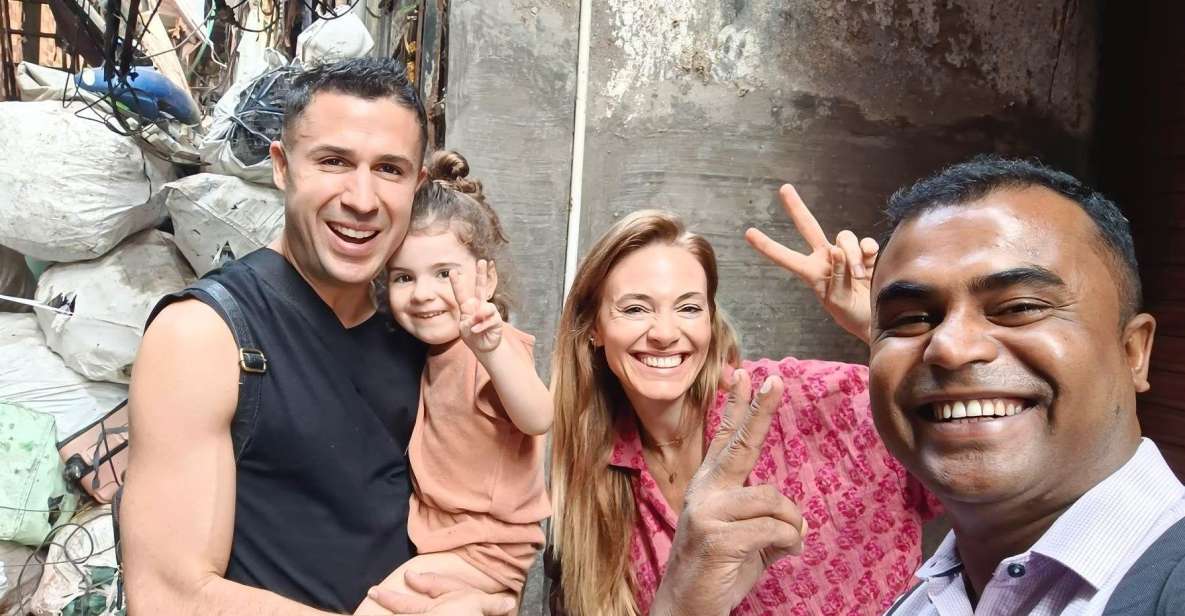
You’ll get hotel pickup and drop-off in Mumbai, plus a water bottle. That matters because the tour itself is only 2 hours. You don’t want to waste half of that figuring out where to meet.
Plan to be ready in the lobby about 5 minutes before your scheduled pickup. If pickup is from the airport, you’re instructed to come outside after immigration/customs and look for a name board. If you’re on a cruise, the pickup details point you to the outside exit gate area at the Mumbai International Cruise Terminal, again with a name board.
One small tip: if your flight or ship arrival runs late, message early. The guide can’t control the clock, but you’ll help them line up the timing.
Your 2-hour walk: homes, work, and community in one loop
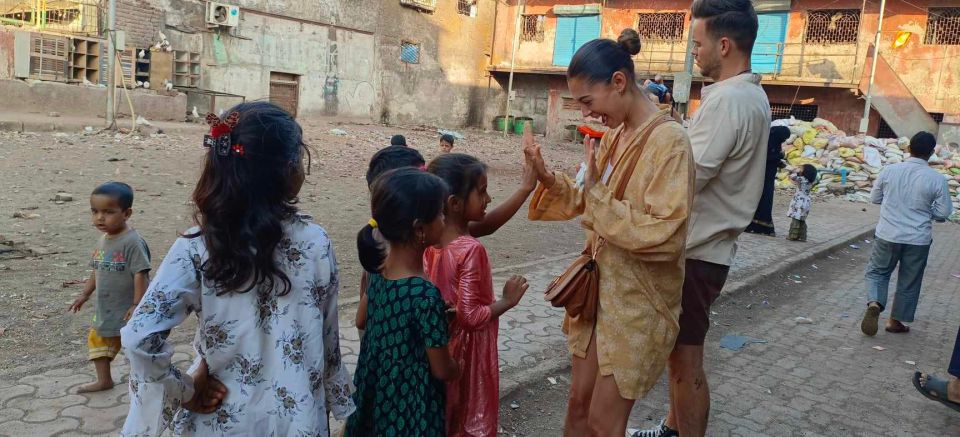
The core of the tour is a guided walk through Dharavi’s mix of residential and business spaces. In other words, you’re not only looking at buildings—you’re watching how life and labor overlap.
Here’s what you should expect to see:
- Where people stay and how families share space
- Where daily activity happens, including areas where children play or people relax
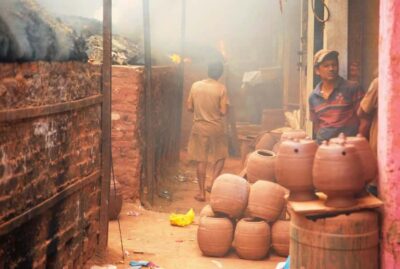
- Workshops and production areas tied to local income—often with visible tools and ongoing tasks
The tour’s theme is clear: Dharavi isn’t one single factory or one single “street scene.” It’s many small operations running side by side. That’s why the tour aims to break down the idea of Dharavi as one uniform place.
You may notice an organized sense of routine too. One account described how what looks chaotic at first can reveal a rhythm—tailors stitching by hanging lights, vendors cooking, and multiple trades operating in close proximity.
Plastics, leather, textiles: seeing the “how,” not just the “what”
The tour places heavy emphasis on local industries. You’ll likely see evidence of work tied to:
- plastic recycling
- garment/textile production
- leather industry activity
- and other small trades in the same broader system
Why this matters for you: it changes how you interpret what you’re seeing. Instead of asking only, How are they surviving here? you start asking, How does this economy function? And then you get better answers from a guide who lives the reality.
A few guides highlighted in the available feedback include Alkama, Faizan, Frazen, Abi, and Mohammad. Across those descriptions, the common thread is that the guide explains the workings of the settlement in plain English, with time for questions rather than rushing you past everything.
Also, watch for the small signs of trade knowledge: the way materials move, where products are worked on, and how different business types sit close together. Those details are where the “value” of the tour lives.
The Slumdog Millionaire stop: a film scene with a living twist
The tour includes a visit to a place where the movie Slumdog Millionaire was filmed inside Dharavi. This is a big draw because it gives you a recognizable reference point.
But don’t treat it like a checklist photo. The point of the stop is context—how a film location connects to daily life, not just to a movie scene. Your guide should help you look past the Hollywood framing and focus on what the area does for the people who live there now.
If you’re a movie fan, this part can be the moment you realize how much your assumptions were shaped by screens.



A local-led experience: “safe” is about route and respect
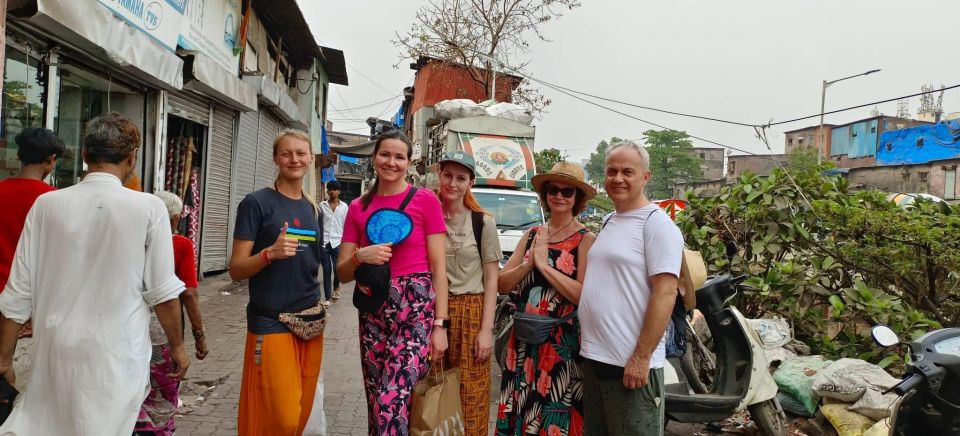
The tour info states it’s completely safe to visit inside and around Dharavi, and that you visit only with residents because the guides are locals.
That doesn’t mean you should treat it like a theme park. It means the route is being guided by people who know the community norms and can keep the visit appropriate.
My advice: go in with respect and patience. Keep your questions human and specific. If the guide asks you to slow down, listen. In places like this, your behavior matters more than your camera.
Getting around: sometimes it’s more than just a taxi ride
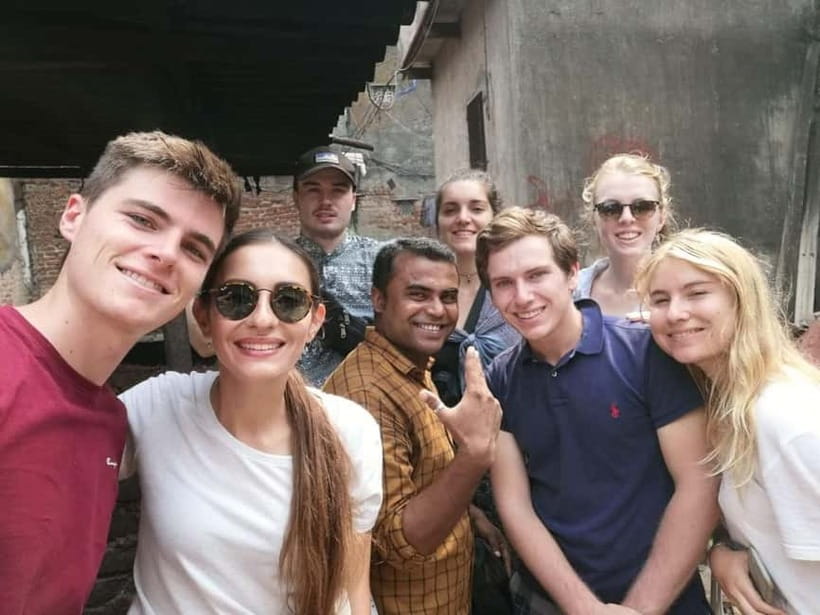
One fun detail you might want to know: some experiences include taking local transport, not only a car. For example, accounts mention starting with pickup, then heading to a station and using a local train to reach the area. One person even called it a better experience than a long taxi ride, and another described it as interesting in itself.
You shouldn’t assume it’s guaranteed every time, but it’s a sensible option to ask about when you confirm. If your guide offers it, it can make the outing feel more like Mumbai travel and less like a straight drive.
What about restrooms, schools, and animals?
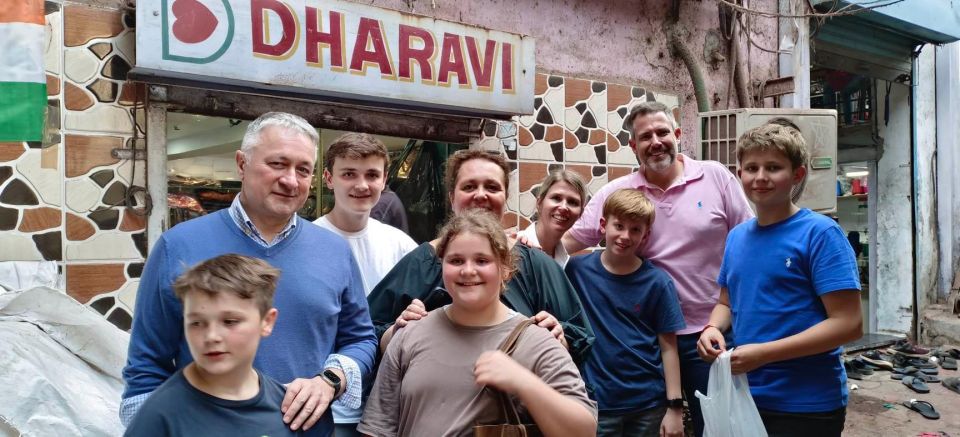
Because this is a working community, the flow matters. Some accounts mention an early restroom stop at a suitable place, then continuing the walk. That’s helpful if you’re trying to plan a smooth 2 hours without stressing.
You may also see a school along the way, and some descriptions mention animals moving through nearby lanes—goats and sheep, for instance, and even birds mentioned near puddles. Don’t expect a safari vibe. It’s just part of the way life can look when homes and workplaces are tightly packed.
If you’re the type who gets nervous about logistics, this is where choosing a private local guide helps. They can manage the order of stops so you don’t get stuck waiting.
Price and value: $14 for a private local guide is unusual
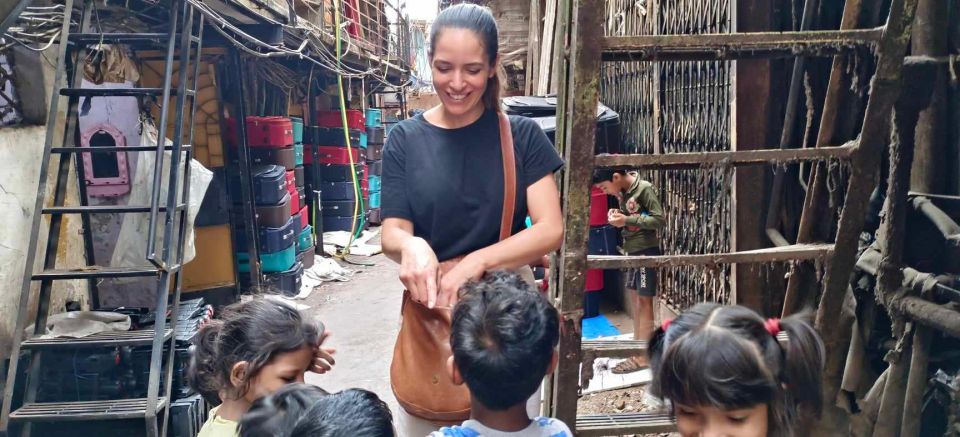
At about $14 per person for a 2-hour private tour with hotel pickup/drop-off, an English-speaking local resident guide, entrance/entry fees, and a water bottle, the value is strong.
Here’s why the price works:
- You’re paying for a private guide, not a group schedule.
- You’re getting pickup and drop-off, which can cost extra on many Mumbai tours.
- You’re paying for English interpretation from someone who lives the place.
The trade-off is time. Two hours is tight for a community this large and complex. You’ll see a focused slice, not every industry and every street. But that can be a benefit. You’ll leave with clearer understanding instead of trying to cram everything in and missing the meaning of what you saw.
Also, food and drinks are not included. Since the tour is short, plan for water later and keep snacks optional.
Who should book this tour (and who should pause)
This is a good fit if you:
- like real-world local context over photo ops
- want a guide who can explain how people earn income and run small industries
- appreciate respectful cultural travel where questions are welcome
- want a shorter activity that still feels meaningful
It might not be ideal if you:
- hate walking through crowded, active areas
- need a very comfortable, low-stimulation pace
- prefer attractions that feel fully controlled and staged
If that’s you, consider doing something lighter in the same day. Dharavi will change your mental map of what a “slum” can look like.
Practical tips so you get more out of the visit
A few small moves can make a huge difference in how your time feels:
- Wear comfortable shoes. You’re walking inside a dense neighborhood.
- Keep your phone use respectful. Don’t block paths; ask if you want photos.
- Bring a small open mindset. The tour is built to challenge stereotypes, including the ones you probably arrived with.
- If you’re curious about how industries connect—plastic recycling, textiles, leather—ask early. Your guide can point out the logic you might otherwise miss.
- Use the English guide advantage. If your questions are good, you’ll get better answers.
And one more thing: take mental notes, not just photos. The tour’s goal is understanding, and that’s easier to remember when you’re writing down the key points in your head as you go.
Should you book this Dharavi private tour?
If you want an honest, resident-led look at daily life and local work inside Dharavi, I think this is one of the more worthwhile ways to do it—especially at $14 for a private 2-hour experience with pickup and an English-speaking guide.
Book it if you’re ready to trade simple comfort for clearer understanding. Skip it only if you’re looking for a purely sightseeing-style attraction or you feel you’ll struggle with the emotional weight of real life.
FAQ
How long is the Mumbai private Dharavi tour?
It lasts about 2 hours.
Is this tour private or shared?
It’s a private group tour.
What language is the guide?
The guide is English speaking.
Do I get hotel pickup and drop-off?
Yes. Hotel pickup and drop-off are included.
What’s included in the tour price?
A private tour, a local English-speaking tour guide from Dharavi, hotel pickup and drop-off, all entrance/entry frees, and a water bottle are included.
Are food and drinks included?
No. Food and drinks are not included.
Do I get to see where people live and work?
Yes. You’ll see where people live, work, and spend time, plus the local businesses and industries operating in the area.
Is the tour considered safe?
The tour information states it is completely safe to visit inside and around Dharavi, and it’s led by residents.
Can I cancel for a full refund?
Yes. Free cancellation is offered up to 24 hours in advance for a full refund.