REVIEW · DHARAVI SLUM TOURS
Mumbai: Dharavi Slum Slumdog Millionaire Tour with a Local
Book on GetYourGuide →Operated by Amaze Tours · Bookable on GetYourGuide
Dharavi can change how you see cities. This walking tour in Mumbai’s Dharavi helps you read the place past stereotypes, because you’ll spot small-scale industries running right alongside everyday homes. Two things I love are how clearly you can trace work through recycling and production and how a good local guide turns tight alleys into a story you can actually follow. The main drawback to consider is that conditions can feel intense, and the tour is not for everyone physically.
You’ll start by meeting your guide in Dharavi and then move on foot through narrow lanes where life is practical and constant. Expect to see people working, chat when the moment fits, and notice how many trades operate in very small spaces, from soap and handmade cosmetics to pottery and textiles. It’s also a small-group style visit, which makes it easier to hear explanations and keep together.
If you choose the option with hotel transfers, you remove a big chunk of logistical stress in a busy city. Still, you should plan for rain or shine, wear long pants, and remember that photography and videography are often not allowed in most parts of the route.
In This Review
- Key things worth knowing before you go
- Entering Dharavi Like a Neighborhood, Not a Sight
- How hotel transfers change the experience
- Meeting your guide in Dharavi: what to expect right away
- Walking the narrow alleys and seeing the small industries
- Recycling and production chains you can actually trace
- Diversity in one neighborhood: faith, tradition, and everyday life
- Pottery factory stop: the trip’s useful ending point
- Optional vegetarian meal with a local family
- Price and value: why $10 can feel surprisingly fair
- Practical advice that keeps the day comfortable
- Who this tour suits best
- Should you book this Dharavi Slum tour?
- FAQ
- How long is the Dharavi Slum tour?
- What’s included in the tour price?
- Do I need to arrange my own transport from my hotel?
- Where does the tour end?
- Is photography and video allowed?
- What should I bring?
- Will the tour run in bad weather?
- Is there a meal included?
- Is the tour suitable for everyone?
- Can I cancel if my plans change?
Key things worth knowing before you go
- A local English-speaking guide who explains how the community and industries connect
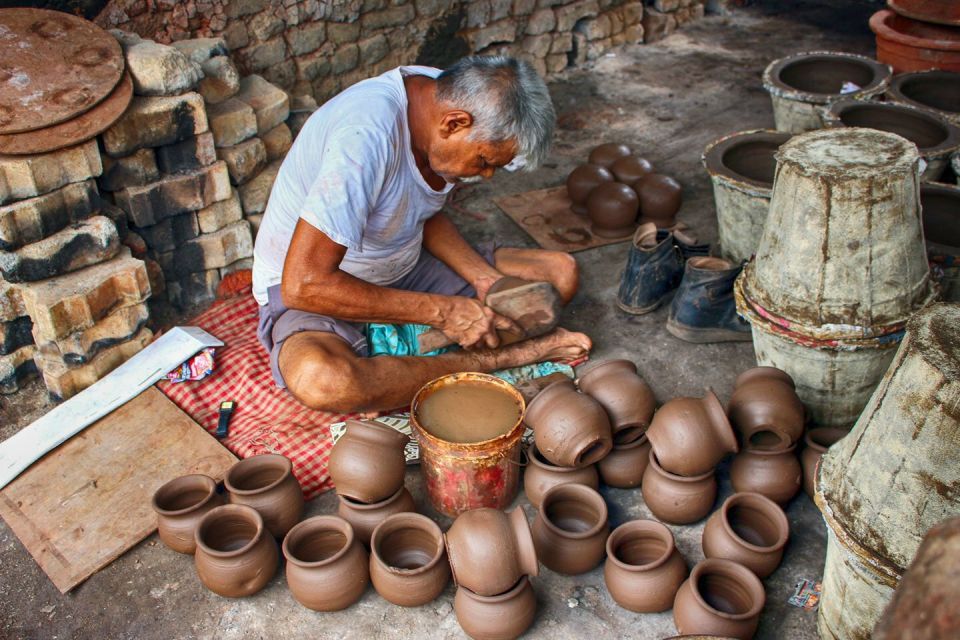
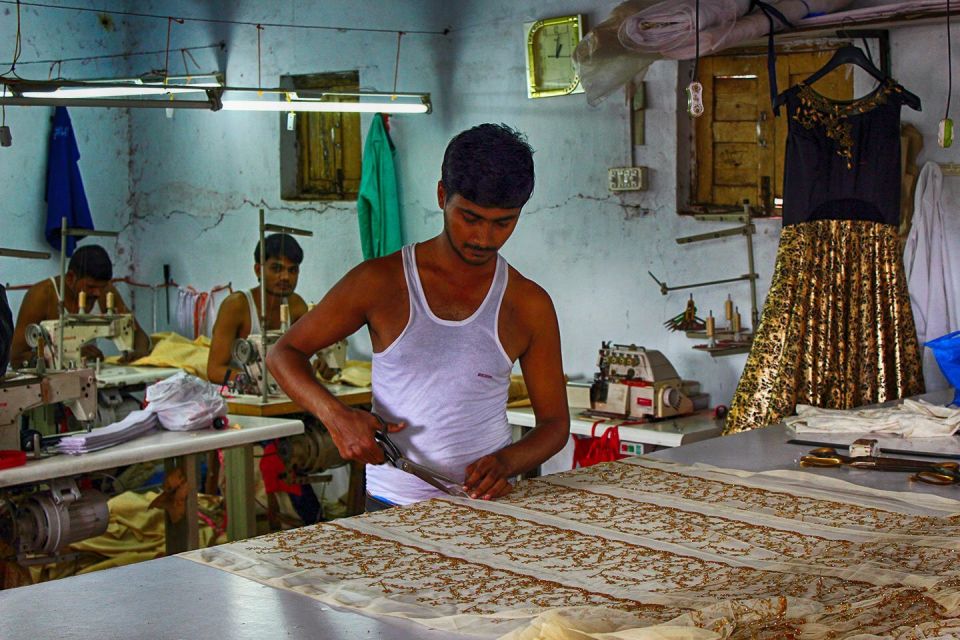
- Hands-on views of small production like soaps/cosmetics, textiles, and pottery
- Recycling industry insight and how materials move through the area
- Small-group pace that keeps you walking comfortably through tight alleys
- Pottery factory finish with help for your next step (taxi/transport)
- Optional home meal add-on with a local family if you want to linger
Entering Dharavi Like a Neighborhood, Not a Sight
Dharavi is often described like a single thing: a slum. But once you’re inside, it behaves like a whole neighborhood with its own rhythm. What hits first is the density of daily life—people moving, shops operating, and small workshops doing real work that supports families and wider supply chains.
I like that the tour doesn’t treat Dharavi as a background for pity or shock. You’re guided to pay attention to how the community is organized, how skills get passed along, and how people carve out livelihoods in tight spaces. One visitor-related theme you’ll likely feel too: the contrast between harsher working areas tied to recycling and the calmer residential pockets you pass along.
And yes, you’ll probably have a mix of emotions. It’s normal to feel uncomfortable with the conditions and still respect the energy and community spirit you see.
You can also read our reviews of more tours and experiences in Mumbai.


How hotel transfers change the experience
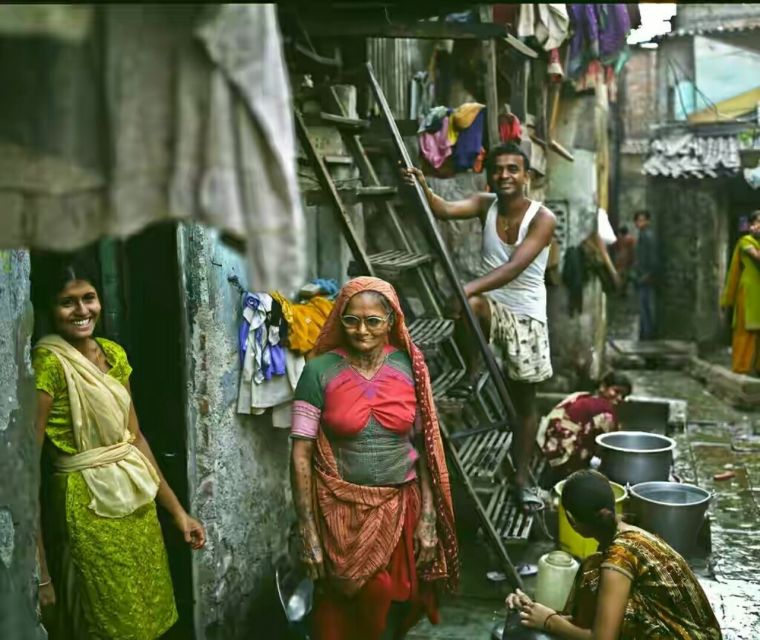
The tour option you’re considering includes hotel pickup and drop-off if you select it. That matters more than it sounds. Mumbai logistics can be a mini project on its own—timing, traffic, and finding meeting points. With transfers, your day stays simpler, and you can focus on the walk instead of the stress of getting there and back.
Even if you’re not using hotel transfers, the tour is built around your guide helping you get from place to place. In practice, that often includes getting you oriented and moving on public transport when needed (some guides have been praised for helping people catch the right train back into the city). That’s one reason so many people feel safer than they expect.
Meeting your guide in Dharavi: what to expect right away
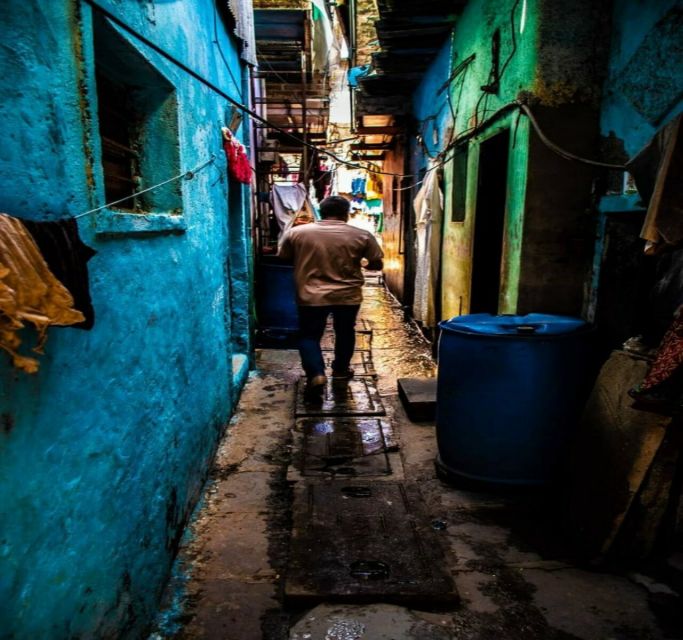
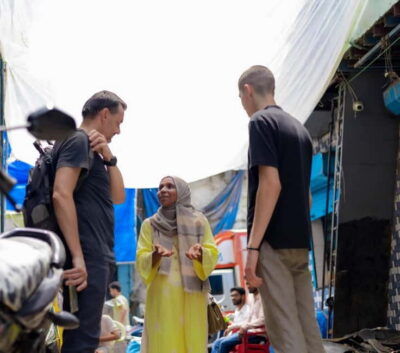
You’ll meet your guide at a Dharavi meeting point that may vary by the option booked. Then you start walking immediately, with explanations as you go. This isn’t a “stand in one place and look around” type of experience. It’s a route made for moving through the alleys at a human pace, where you can actually see trades at work.
Your guide will be English-speaking, and the tone tends to be practical—what you’re looking at, how it’s used, and why it exists in this particular place. Names you might hear from the guide roster, based on past bookings, include Loki, Maze, Alam, Ganesh, Denish, Dawood, and Nano. Whoever you get, the goal is the same: help you understand what you’re seeing in a respectful way.
Walking the narrow alleys and seeing the small industries
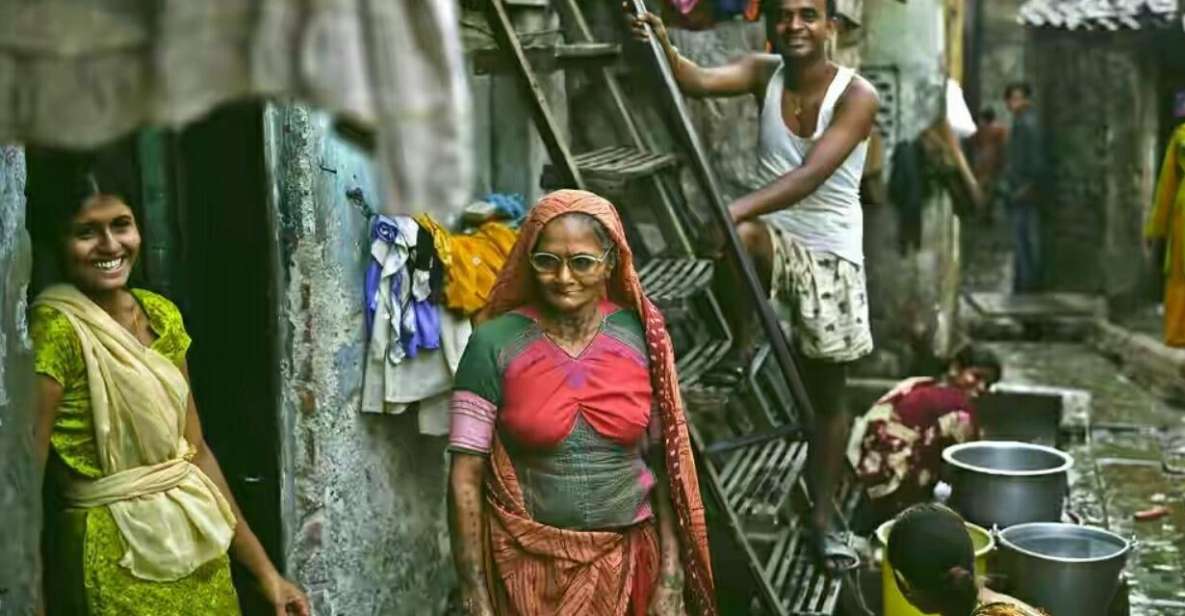
The core experience is the walk through Dharavi’s narrow alleys. This is where the “you have to see it” feeling becomes real. You’ll notice that the trades aren’t tucked away; they’re often right at eye level.
Here are the kinds of small businesses you can expect to encounter:
- Handmade cosmetics and soaps
- Pottery work
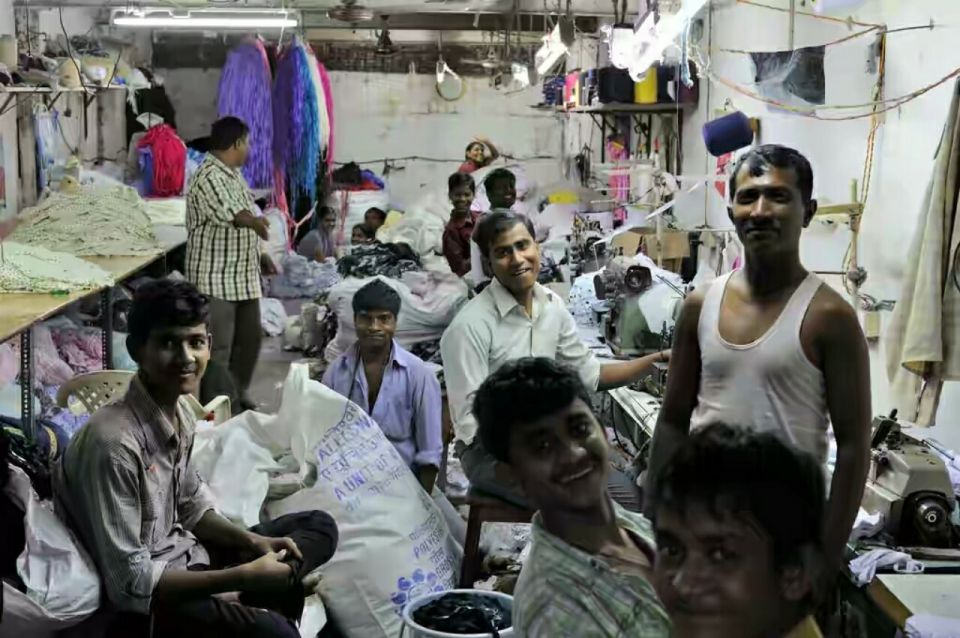
- Textiles-related activity
Why this matters: when you see these industries inside the neighborhood, you understand Dharavi as a living production space, not just an urban problem. It also helps you stop thinking of goods as anonymous. You start connecting the final products to people and steps along the way.
A small-group format also helps here. You won’t be stuck behind a crowd. You can ask questions, and your guide can adjust pacing if a lane is crowded or if a shop owner wants a moment to keep working.
Recycling and production chains you can actually trace
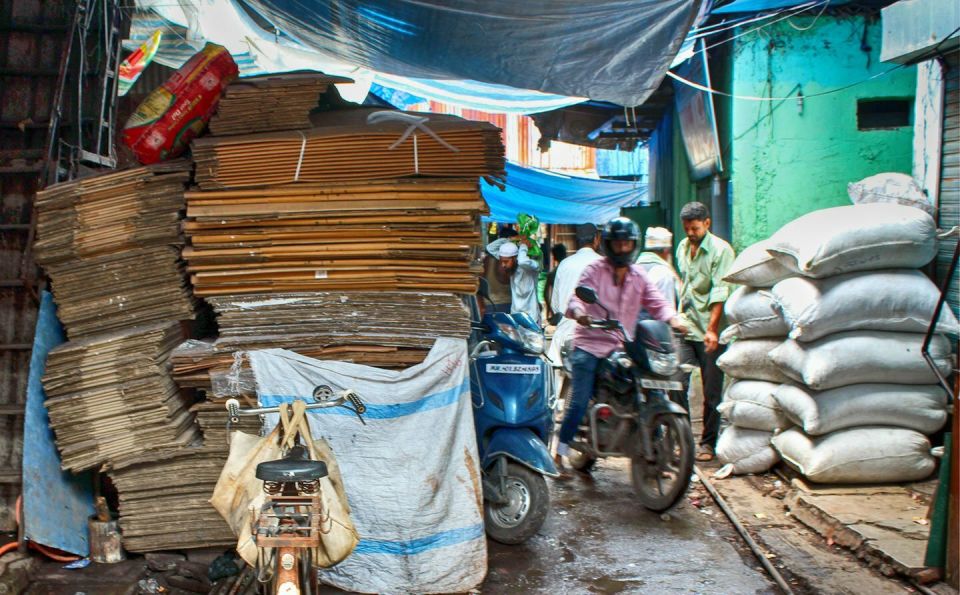
One of the most praised parts of this tour is the way you learn how the recycling industry works. Dharavi’s reputation comes partly from recycling and reuse, but the tour’s value is in making it understandable.
You’ll likely see the “chain” concept in action: how materials are handled, sorted, and transformed through multiple steps—often in very close quarters. Guides are specifically commended for explaining those production chains clearly, and that’s exactly what you should look for: not just what you see, but how items move from raw input to usable output.
This section of the tour can be the most emotionally complex. The conditions tied to labor can feel harsh, especially when you’re near recycling and working areas. Still, it’s also where you’ll grasp how these jobs connect to wider needs—how materials get reused rather than thrown away, and how local work feeds into the broader economy.




Diversity in one neighborhood: faith, tradition, and everyday life

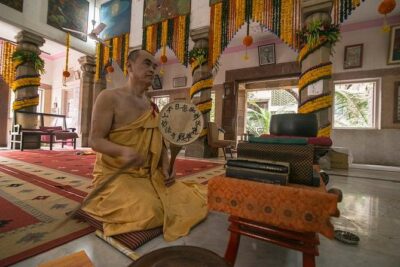
Dharavi isn’t one culture folded into one set of buildings. The tour aims to show you how diverse the area is, with different traditions and beliefs gathered in the same place.
You’ll get that sense through what you see around you: the mix of community spaces, the way people move through routines, and the presence of multiple cultural backgrounds within walking distance. It’s not an abstract lesson. It’s visible, immediate, and more believable than what you could guess from outside.
This is also where a local guide matters most. In a place that can feel unfamiliar to outsiders, you need context for what you’re seeing and the social rules that go with it. You’ll often feel that your guide is helping you stay respectful and stay out of the wrong kinds of attention.
Pottery factory stop: the trip’s useful ending point
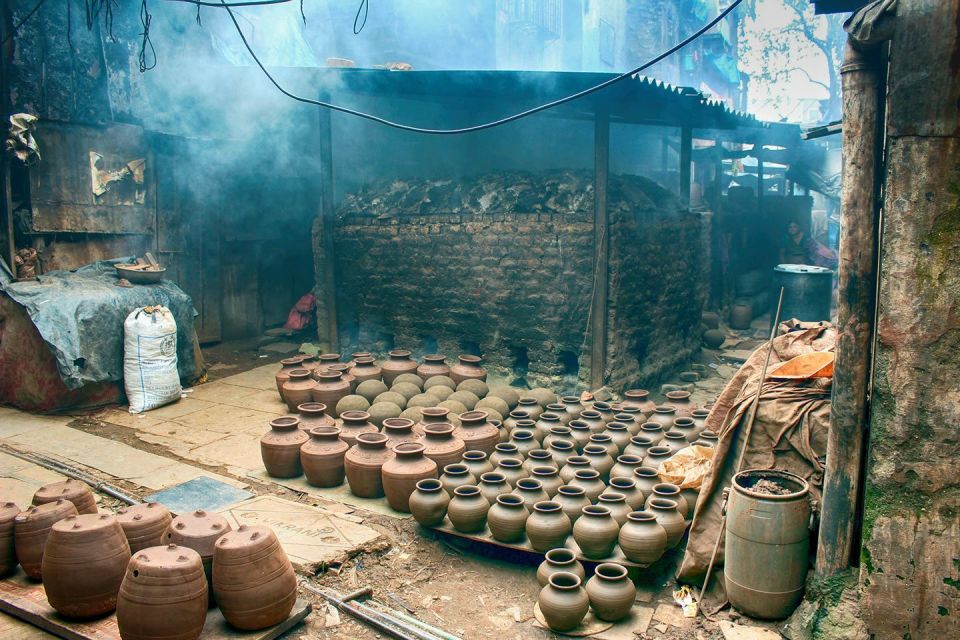
Your roughly 2-hour walking tour ends at a pottery factory. This is a smart finish for two reasons.
First, pottery is tangible—you can see craft and process with less guessing than in some of the more enclosed production areas. Second, it gives you a clear next step. Your guide can help you arrange transport; the tour description notes you can ask for a taxi.
Practically, this is also where you’ll decompress. By the time you reach the factory stop, you’ve already seen a lot of small-scale industry and community life. Ending at a craft workplace gives you a final “you can see it with your eyes” moment before heading back into the city.
Optional vegetarian meal with a local family
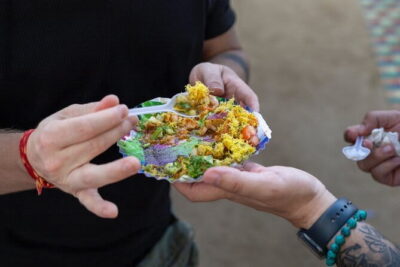
If you want to stay longer, you can add a vegetarian meal with a local family. This is listed as an add-on, so it’s not guaranteed for the standard walk length.
If you choose it, treat it like a cultural exchange, not a food stop. Dress respectfully, listen first, and don’t assume you’re entitled to photos or extra access. Some places on this tour do not allow photography or videography, so it’s worth asking your guide what’s okay before you even think about pulling out your phone.
The meal can also shift your perspective. You spend time not only watching work but also learning how hospitality fits into life here. Even if you’re uncomfortable at first, this type of moment often helps you understand the neighborhood as human-scale, not just an urban headline.
Price and value: why $10 can feel surprisingly fair
At $10 per person, this tour is priced low for what you’re getting: an English-speaking local guide, bottled water, and (if you choose it) hotel pickup and drop-off. In a city where even short guided experiences can cost significantly more, that pricing makes sense because the tour leans on walking, local expertise, and access to everyday spaces.
Here’s the real value equation for you:
- You’re paying for interpretation, not just sightseeing.
- You’re getting help with safe navigation through a complex area.
- The guide’s lived context can turn quick scenes into a coherent story.
Add to that the small-group structure and the stop at a pottery factory, and the short duration starts to feel practical rather than rushed.
Just remember: meals and drinks are not included unless you add the home-meal option. So if you get hungry after the walk, plan for it.
Practical advice that keeps the day comfortable
This tour runs in rain or shine. So don’t bank on a perfect weather window.
Bring:
- Comfortable shoes (you’ll be on foot through tight lanes)
- Sunglasses and a sun hat (Mumbai sun can be relentless)
- Long pants
Also think about what not to bring: photography and videography are not permitted at most places on the tour. Ask your guide before you shoot anything, and expect “no” more often than “yes.”
Finally, keep health in mind. The tour is not suitable for pregnant women, people with mobility impairments, or people with heart problems. If any of those apply, it’s better to skip than to force it.
Who this tour suits best
This Dharavi tour is a great fit if you:
- Want an authentic local perspective in the shortest possible time
- Like guided walking tours where explanations happen in real space
- Are curious about small industries and how recycling and production connect
- Want a community-focused visit rather than a one-note “slum” stereotype
It’s less ideal if you need lots of accessibility accommodations, prefer minimal walking, or know you’ll struggle in dense, potentially hot conditions.
Should you book this Dharavi Slum tour?
I’d book it if your goal is understanding Mumbai at street level—how a neighborhood functions when the economy is personal, messy, and real. The biggest reason is the combination of small-group walking plus a local guide who can explain what you’re seeing, including the recycling and production chain side that outsiders usually miss.
I’d skip it if you’re looking for a comfortable, photo-heavy outing. And if you’re sensitive to difficult working conditions, be prepared: this is respectful education, but it doesn’t pretend everything is easy.
If you do book, choose the hotel transfer option if you want your day to stay smooth. Wear the right shoes, bring long pants, and go in with curiosity and respect. That’s the setup for a tour that feels educational without turning into a spectacle.
FAQ
How long is the Dharavi Slum tour?
The duration is 1.5 to 3 hours, depending on the option and timing available.
What’s included in the tour price?
Included items are an English-speaking local guide and bottled water. Hotel pickup and drop-off are included only if you select that option. A meal with a local family is included only if you add the meal option.
Do I need to arrange my own transport from my hotel?
If you choose the option with transfers, the tour includes hotel pickup and drop-off. If you don’t, meeting point location may vary by booking.
Where does the tour end?
The tour ends at a pottery factory, where you can ask your guide to get you a taxi.
Is photography and video allowed?
Photography and videography is not permitted at most places on the tour. Ask your guide before taking any pictures or videos.
What should I bring?
Bring comfortable shoes, sunglasses, a sun hat, and long pants.
Will the tour run in bad weather?
Yes. The tour takes place in rain or shine.
Is there a meal included?
Meals and drinks are not included unless you add the vegetarian meal with a local family.
Is the tour suitable for everyone?
The tour is not suitable for pregnant women, people with mobility impairments, or people with heart problems.
Can I cancel if my plans change?
You can cancel up to 24 hours in advance for a full refund.