REVIEW · DHARAVI SLUM TOURS
“Mumbai Dharavi Slum Tour”
Book on GetYourGuide →Operated by Navigate Mumbai Tours · Bookable on GetYourGuide
A walk through Dharavi changes how you see cities. This tour is interesting because you follow a local rhythm through industrial and residential areas, with your guide helping you talk with people and make sense of what you’re seeing. You’ll cross a railway bridge first, then head into the same tight streets most visitors never find on their own.
I love the hands-on feel: seeing plastic, wood, and cardboard recycling up close, then watching how goods are made in workshops for things like clothing and luggage. I also like the mix of livelihoods, ending with Kumbharwada’s pottery craft and traditional pot-making skills, not just “views” from outside.
One consideration: this is a walking tour through narrow alleys and busy streets, so plan for a bit of physical effort and wear suitable clothing. And for women, the guidance is clear: don’t wear overly short outfits.
In This Review
- Key things worth knowing before you go
- Entering Dharavi with a guide, not a script
- Price and value: why this tour is so cheap
- Starting at Third Wave Coffee near Mahim station
- The railway bridge briefing: setting context before you walk
- Industrial Dharavi: recycling, manufacturing, and migrants
- From work to home: the largest sewer in Mumbai
- Residential Dharavi: market produce, schools, and leather work
- Kumbharwada pottery: traditional pot-making skills
- Who this tour suits best
- Getting the most out of your 2 to 3.5 hours
- Should you book the Mumbai Dharavi Slum Tour?
- FAQ
- Where does the tour meet?
- How long is the Mumbai Dharavi Slum Tour?
- What’s included in the price?
- What language will the guide speak?
- Are meals included?
- Is it suitable to wear any kind of outfit?
Key things worth knowing before you go
- A local guide leads the story with context about slums worldwide and Dharavi specifically
- Industrial Dharavi first: recycling plastics/wood/cardboard and watching manufacturing like clothing and backpacks
- You’ll learn about migrants and daily living instead of treating the area like a single snapshot
- Residential Dharavi has major infrastructure including the largest sewer in Mumbai
- Hands-on stops include markets, schools, leather work, and Kumbharwada pottery
- You finish back at the coffee shop near Mahim station so you’re not stuck figuring out the way out
Entering Dharavi with a guide, not a script
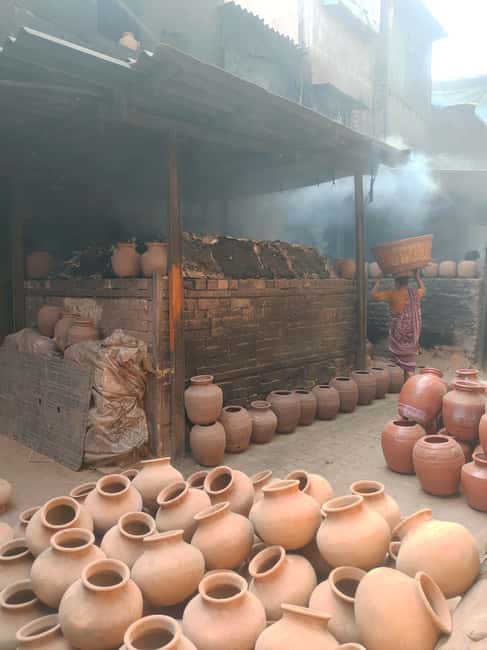
Mumbai is full of contrasts, but Dharavi hits different because it’s not staged for visitors. With your guide (English and Hindi are used), the tour becomes less about staring and more about understanding how people make a living, raise families, and keep services running in tight spaces.
The strongest part is that you’re not just walking past scenes. You cross from one type of neighborhood to another—industrial then residential—so you can compare what changes (work, sanitation, schooling, daily routines) as you move through the area. That structure helps you avoid the common trap of thinking Dharavi is one single thing.
Also, the guide helps you speak with locals. That matters because answers land differently when you can ask a real question and get a real reply, even in short exchanges. You’ll feel less like an observer and more like a temporary guest who’s trying to understand.
You can also read our reviews of more tours and experiences in Mumbai.



Price and value: why this tour is so cheap
The listed price is $4.39 per person for a walk that lasts about 2 to 3.5 hours. That’s strikingly low for a guided, English-speaking tour that includes bottled water and multiple topic-based stops across industrial and residential areas.
What you’re really paying for here is access and interpretation. You’re not buying comfort, you’re buying direction: where to stand, what to ask, and how to connect what you’re seeing—recycling, manufacturing, schools, leather processing, pottery—to the everyday reality behind it.
It also helps that you’re given a clear flow of stops (industrial area, then residential area, then Kumbharwada pottery). If you’re the kind of person who likes to know what each hour is “for,” this format feels like good value. Just remember: meals are not included, so plan to eat before or after.
Starting at Third Wave Coffee near Mahim station
The tour meets at a coffee shop near Mahim train station (West). That’s practical for two reasons: you can arrive by train without complicated last-mile planning, and you’ll also return there at the end of the tour.
You’ll start by crossing a railway bridge that leads you into Dharavi. That first crossing matters because it signals the shift from Mumbai’s broader streetscape into a world of much tighter pathways and closer working spaces. It’s also a good moment to remind yourself you’re going to walk a fair amount and pay attention to details.
Before you step in, wear clothing suited to the weather, and for women, follow the note about not wearing overly short outfits. You’ll blend in better, and you’ll feel more comfortable moving through crowded alleyways.
The railway bridge briefing: setting context before you walk
Right after the bridge, your guide sets the stage. They discuss slums around the world and then bring it back to Dharavi’s specific details—what makes it function the way it does, and what you should look for as you go.
I like tours that explain the “why” early, because it changes what you notice next. Instead of treating the industrial activity as random industry chaos, you start to see systems: recycling feeding into production, production supporting livelihoods, and the way migration connects with housing and work.
This is also a chance to ask quick questions before the streets get complicated. Once you’re inside, your attention should shift from wondering where you are to understanding how everything connects.
Industrial Dharavi: recycling, manufacturing, and migrants
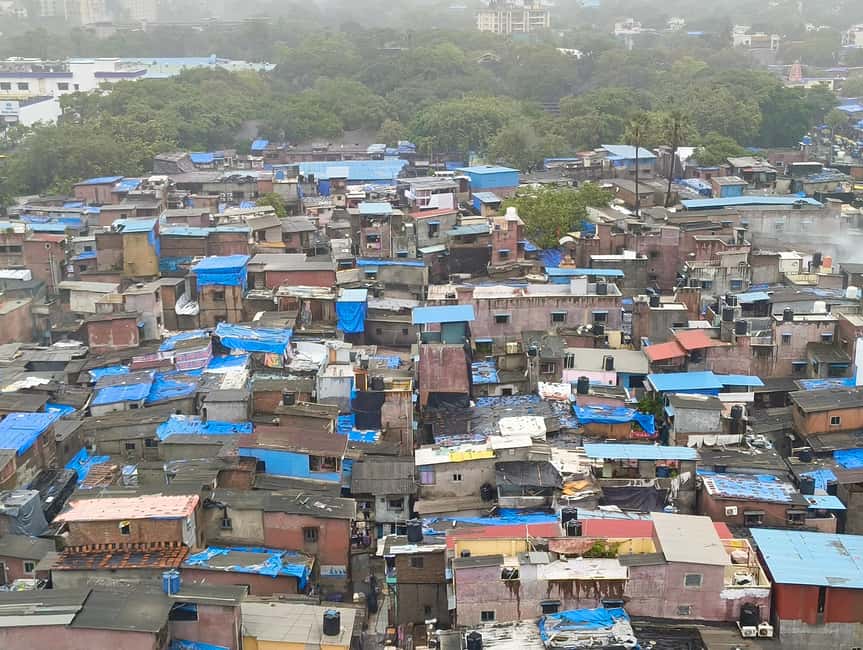
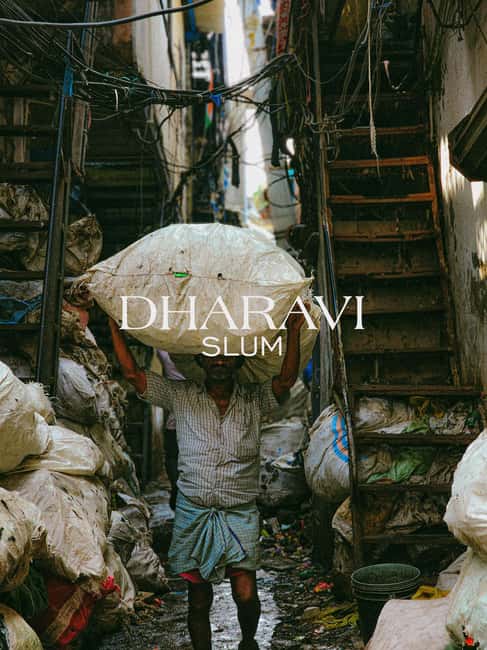
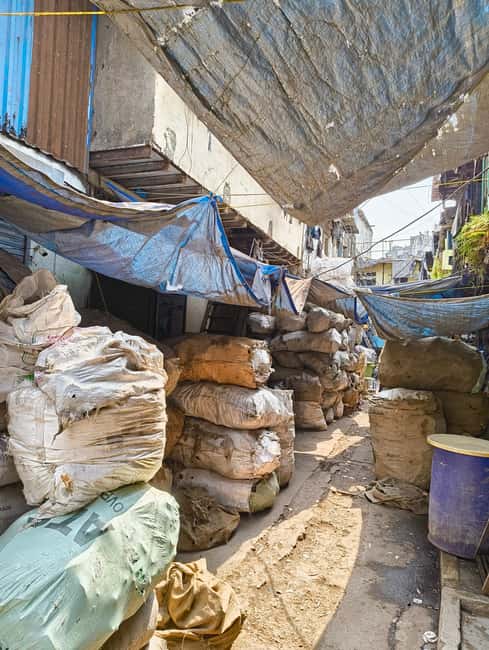
The first major block is the industrial area. You’ll observe recycling activities involving plastics, wood, and cardboard. This is one of the most memorable parts because it’s tangible: you can see materials being sorted and used, not just heard about in theory.
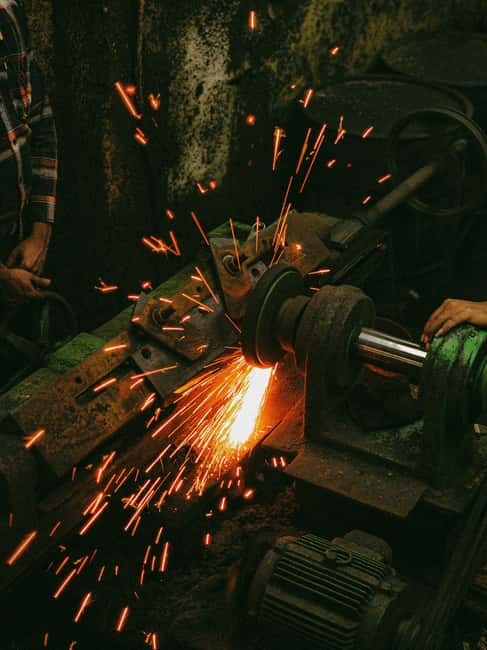
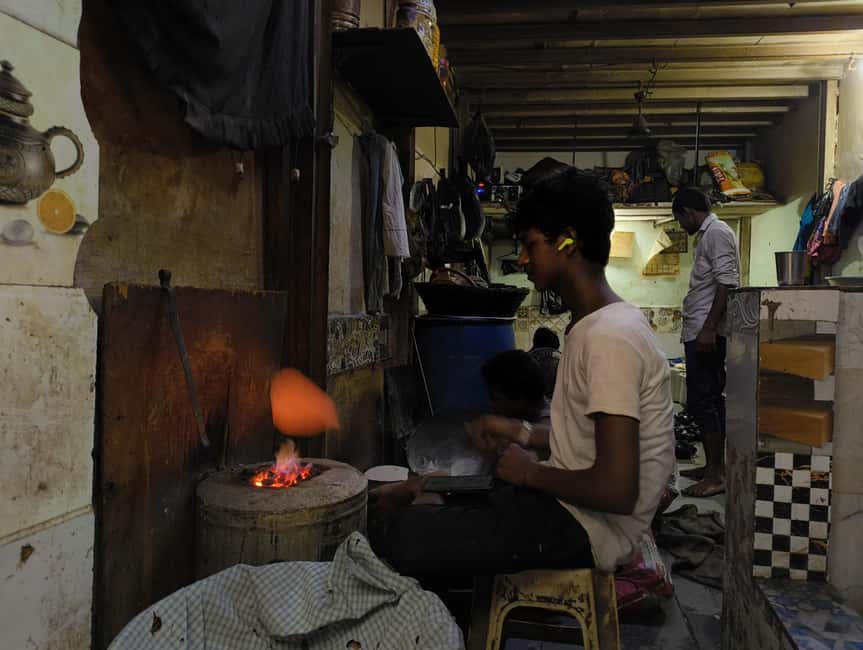
Next, you visit manufacturing sites focused on items such as clothing, backpacks, and luggage. The value here isn’t just watching work—it’s recognizing how different tasks fit together. You’re moving from input (waste materials) to output (real products people use), and the guide helps translate what you see into everyday meaning.
You’ll also learn about migrants in Dharavi and their living conditions. This piece is important because it grounds the tour in people’s movement and long-term settlement, not just the visible work. It changes the tone from “poverty sight” to “community reality.”
Potential drawback: industrial areas can be busy and visually dense. If you’re someone who likes calm, quiet sightseeing, this part might feel intense. But if you come ready to watch closely and listen, it’s where the tour earns its reputation.




From work to home: the largest sewer in Mumbai
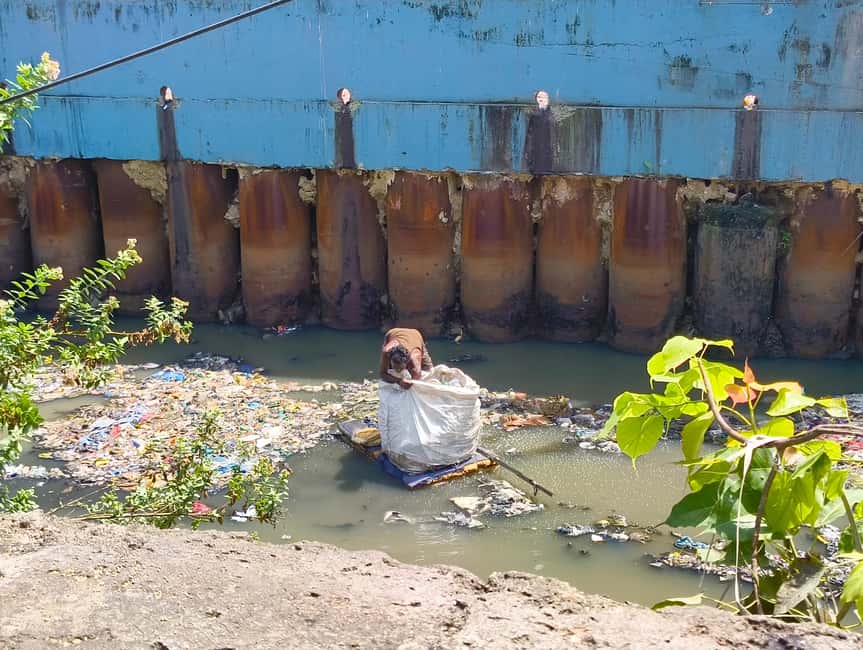
After the industrial section, you cross a street to enter the residential part. One key stop here is seeing the largest sewer in Mumbai. It’s not a dramatic viewpoint; it’s a practical feature of infrastructure that helps you understand sanitation at the neighborhood scale.
I find this moment crucial because it prevents a common misunderstanding. Many outsiders think you only need to look at livelihoods; this tour insists you also look at living conditions, including the physical systems that keep neighborhoods functioning.
In the residential area, your guide points out how daily life works in narrow spaces. You’ll have a chance to walk through living conditions and experience the “maze” feeling—confusing alleys that you can’t replicate from memory once you’ve left.
Residential Dharavi: market produce, schools, and leather work
The residential block includes a local market with fresh produce. It’s a grounding stop because it shifts the focus from production and processing to food and daily shopping. You’ll get a sense of what people buy and what kinds of everyday routines keep a neighborhood moving.
Then you visit various schools to learn about educational practices. This isn’t just about seeing classrooms; it’s about understanding how education functions in a place where space and resources are limited but learning still happens. The tour’s structure helps you connect schooling to the realities of work and home life you saw earlier.
Next comes leather manufacturing process. That’s another moment where you see industry up close rather than hearing abstract statements. Even if you don’t know leatherwork beforehand, your guide helps you follow what’s happening and why it matters within the local economy.
These stops keep the tour from becoming one-note. Industrial Dharavi might explain the economy, but market, schools, and leather work explain the rhythm of life—what people need, what they learn, and what they produce.
Kumbharwada pottery: traditional pot-making skills
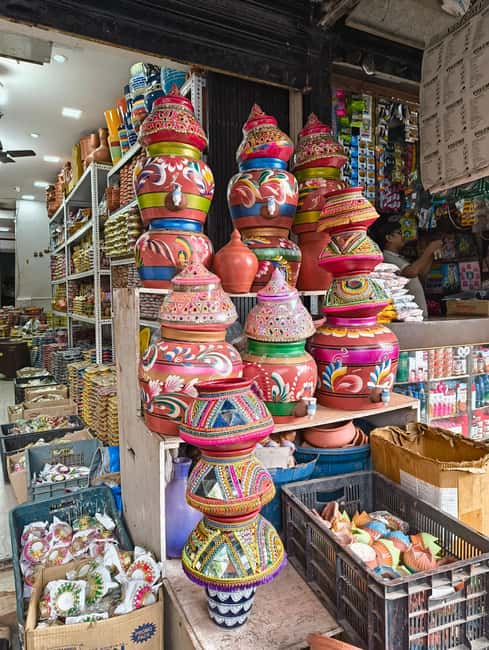
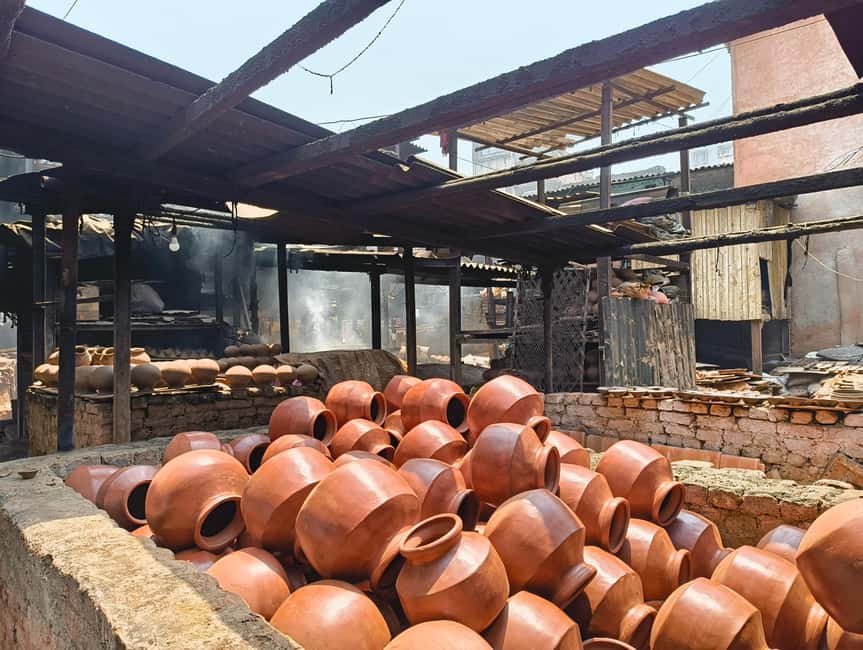
Kumbharwada is known for pottery, and this is where the tour ends in a particularly human way. You’ll tour the pottery area and see traditional pot-making skills, which stand in contrast to the recycling and mass-production feel of earlier stops.
I like endings like this because they leave you with something skill-based and craft-focused. It helps your brain file the experience under “people making things” rather than only “people surviving conditions.”
You’ll also spend time walking the narrow alleys and seeing living conditions again in the final stretch. That repetition isn’t redundant. It’s the tour reinforcing the fact that Dharavi is experienced in close quarters—work and home are intertwined, and the built environment shapes daily life.
Who this tour suits best
This is a great fit if you want an honest, local-guided walk that mixes livelihoods with living conditions. It suits people who like questions, who enjoy understanding how neighborhoods function, and who are comfortable seeing real working spaces up close.
It also works well for first-timers who want structure. You get a clear path: industrial work, then residential life, then Kumbharwada pottery. If you’re the type who can’t stand wandering with no plan, you’ll appreciate this itinerary flow.
It may be less ideal if you’re seeking a relaxing stroll or a polished “tourist circuit.” This route is close, busy, and focused on everyday reality. Come for insight, not comfort.
One extra note on guides: you’ll likely be with a local English/Hindi-speaking guide, and the energy can vary by person. Names I’ve seen associated with this tour include Javed (enthusiastic, energetic storytelling), Ruqaiyya (friendly presence and strong English), Ravi (known for humor and sharing daily-life details), and Kavita (friendly and full of local inside perspective). Whoever you get, the best experience comes when you ask questions and let the guide translate what you’re seeing.
Getting the most out of your 2 to 3.5 hours
This tour moves fast enough to keep you engaged, but not so fast that you can’t absorb details. Your best strategy is to stay present in each section instead of trying to “score” the whole neighborhood at once.
A few practical tips that match what the tour requires:
- Wear weather-appropriate clothing and follow the guidance about not wearing overly short outfits.
- Expect walking through narrow alleys and plan for comfortable shoes that can handle crowded, uneven ground.
- Bring a neutral, respectful attitude. This is a working area with schools, markets, and manufacturing. Your behavior matters as much as your questions.
Also, bottled water is included, so you don’t need to plan that part. Meals are not included, so eat before you go or plan a proper stop after.
Should you book the Mumbai Dharavi Slum Tour?
If you want more than a quick surface visit, I think you should book it. The value is strong: a low price for a guided, topic-driven walk that connects recycling and manufacturing to schools and living conditions, then closes with Kumbharwada pottery.
I’d especially book this if you like guided access that helps you talk with locals. The tour isn’t trying to shock you. It’s trying to explain Dharavi as a place where industry, infrastructure, and community life all exist side by side.
If you’re coming in with the goal of learning how this neighborhood works day to day, you’ll leave with a clearer picture than you’d get from photos alone. And if your schedule is tight, you can often check availability for starting times, with options for private group formats.
FAQ
Where does the tour meet?
You meet at a coffee shop near Mahim train station (West).
How long is the Mumbai Dharavi Slum Tour?
The duration is 2 to 3.5 hours.
What’s included in the price?
An English-speaking guide and packaged bottled water are included.
What language will the guide speak?
The tour runs with an English and Hindi live guide.
Are meals included?
No, meals are not included.
Is it suitable to wear any kind of outfit?
Wear suitable clothing for the weather. The note for ladies is not to wear overly short outfits.