REVIEW · 2-DAY EXPERIENCES
Mumbai: Private 2-Day City and Elephanta Island Tour
Book on GetYourGuide →Operated by BOMBAY TO MUMBAI TOURS · Bookable on GetYourGuide
Mumbai runs on snacks, trains, and stories. This two-day private tour stitches together the city’s big sights with the working rhythms of the dabbawallas and dhobis, then flips to the UNESCO Elephanta Caves.
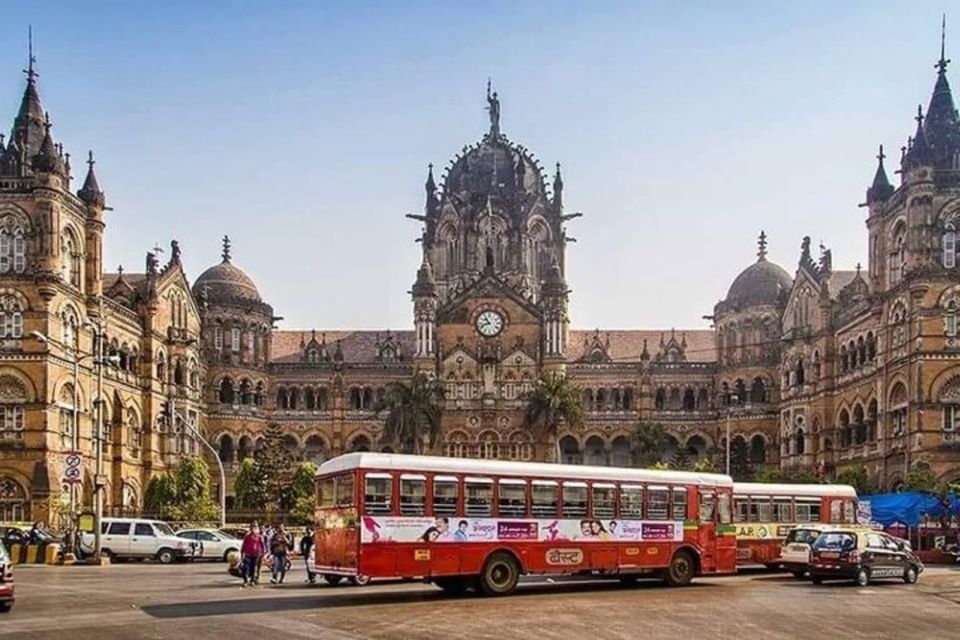
What I like most is the way you’re shown the city’s landmarks with context, not just photos: Chhatrapati Shivaji Terminus (CST) and the coastal views around Marine Drive. Then day two turns history into a hands-on outing, with the ferry to Elephanta and the toy train ride up toward the Elephanta Caves.
One consideration: the Elephanta monuments fee (listed at $7 per person) isn’t included, and ferry timing can be weather-dependent—so build in a little flexibility.
In This Review
- Key highlights at a glance
- Why this Mumbai-and-Elephanta mix makes sense
- Day 1: Churchgate, CST, Marine Drive, and Dhobi Ghat
- Churchgate Station and the dabbawallas
- Gateway sights and the UNESCO railway monument
- Coastal views and city landmarks
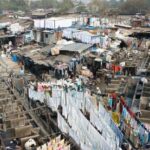
- Dhobi Ghat: the human-powered laundry machine
- Dharavi: seeing Mumbai’s other side without losing your balance
- Day 2: ferry to Elephanta and that toy-train feeling
- Elephanta Caves: UNESCO rock art up close
- Elephanta village time and the return
- Price and value: what $25 really covers
- Guide quality: why the right explanations change the day
- Logistics that affect your comfort (and your photos)
- Who this tour is best for
- Should you book this 2-day Mumbai and Elephanta tour?
- FAQ
- How long is the experience?
- Is the tour private or shared?
- What’s included in the price?
- Is lunch included?
- Are Elephanta monuments fees included?
- How do we get to Elephanta Island?
- Will there be a guide at Elephanta Caves?
- Where does the guide meet you?
- Is the tour suitable for pregnant women?
- Can I cancel for a full refund?
Key highlights at a glance
- Churchgate + dabbawallas in motion: See the lunch-box delivery system up close.
- Dhobi Ghat + dhobis at work: Mumbai’s human-powered laundry network is right there.
- UNESCO hits: Chhatrapati Shivaji Terminus (CST) and the Elephanta Caves.
- Dharavi with a guide’s framing: You get perspective beyond headlines.
- Elephanta ferry + toy train: It’s fun travel, not just a museum stop.
- Photo-friendly cave sculptures: Look for Kalyansundara, Gangadhara, and Ardhanriswara.
Why this Mumbai-and-Elephanta mix makes sense
Mumbai can feel like a grab bag of unrelated sights unless someone connects the dots for you. This tour does that by pairing landmark architecture with everyday systems you usually never notice.
You get a full city day built around transit, industry, and iconic views: Churchgate Station for the dabbawallas, then big-ticket heritage like CST, plus coastal stops like Marine Drive and Chowpatty. After that, you shift to a very different slice of the city with Dharavi and the Dhobi Ghat.
Then day two changes pace. You take the ferry to Elephanta Island, ride a toy train partway toward the caves, and walk through one of India’s most famous rock-art complexes. If you like travel that has both drama and meaning, this pairing works.
You can also read our reviews of more city tours in Mumbai


Day 1: Churchgate, CST, Marine Drive, and Dhobi Ghat
Your day starts with a meet-up arranged by the guide (hotel pickup is optional, if you request it). From there, you ride in an air-conditioned vehicle—important in Mumbai, where the weather can drain your energy fast.
Churchgate Station and the dabbawallas
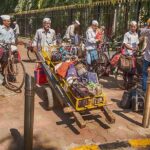
The first major stop is Churchgate Railway Station, where you can watch the dabbawallas—traditional lunch-box carriers—doing their rounds. This part isn’t just a spectacle. It’s a look at how a city runs through tight routines, coordination, and trust.
When you see it in action, you start understanding why Mumbai’s systems are so famous. The lunch boxes aren’t random; they’re part of a daily choreography built to move food reliably through heavy traffic and dense neighborhoods.
Gateway sights and the UNESCO railway monument
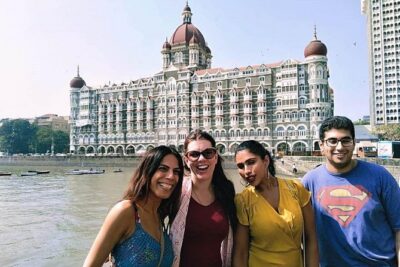
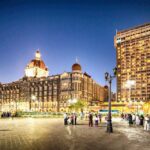
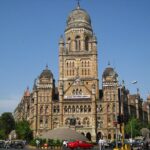
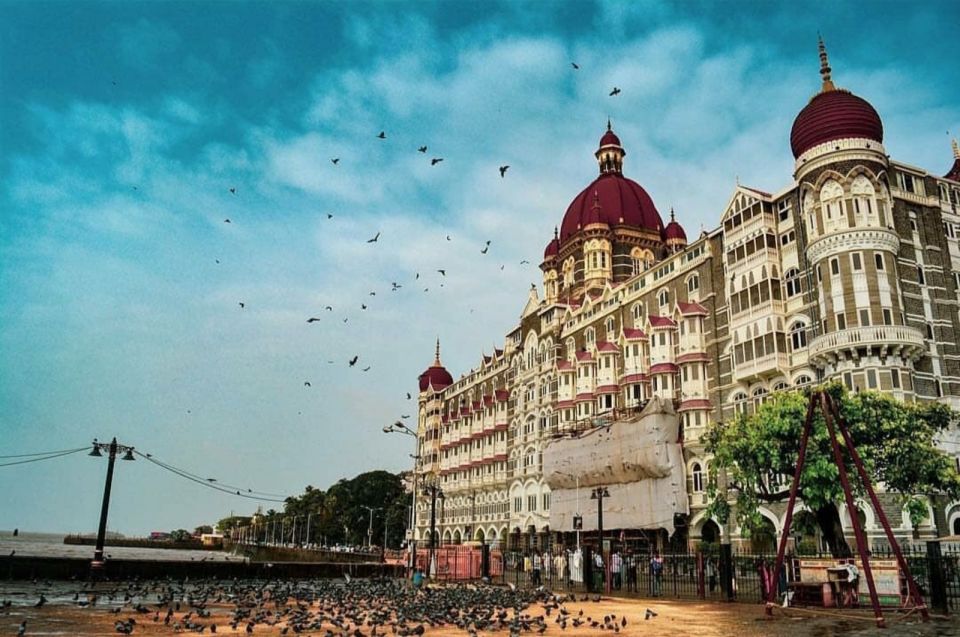
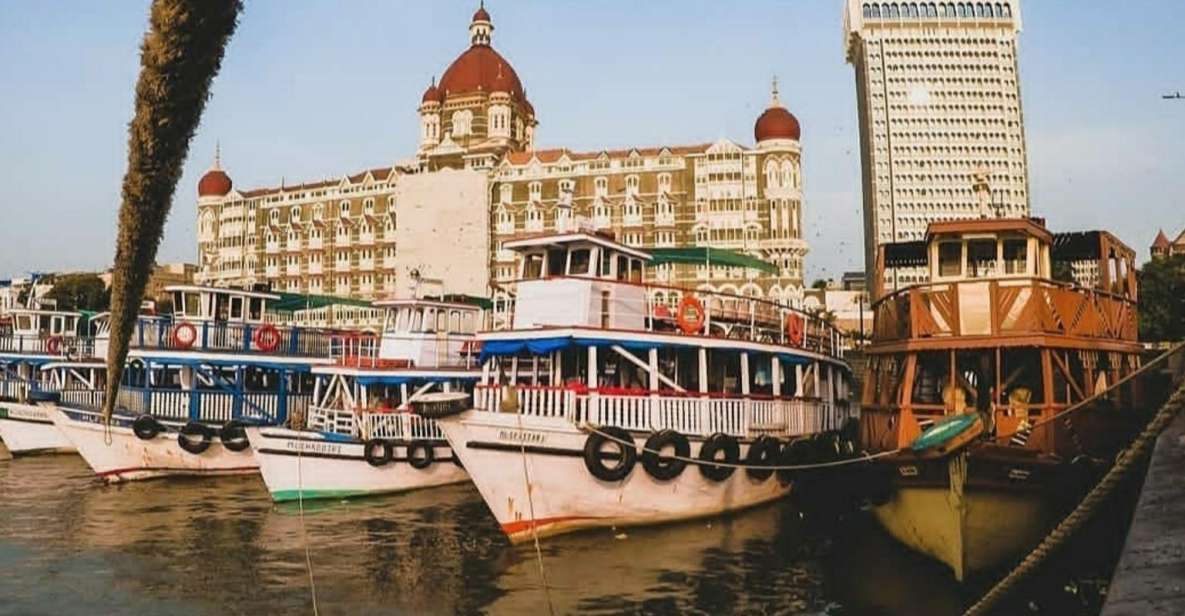
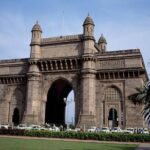
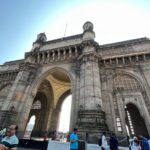
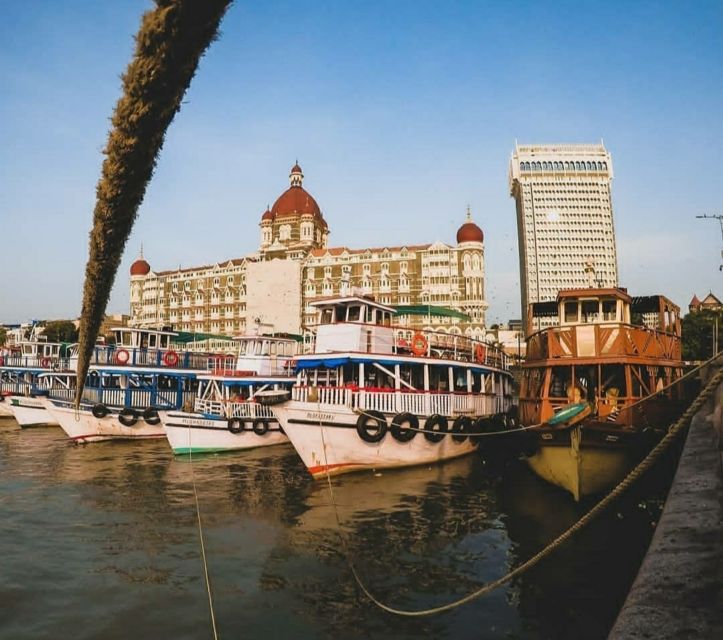
As you move on, you pass by classic Mumbai icons like the Gateway of India and the Taj Mahal Palace Hotel. After that, the tour centers on Chhatrapati Shivaji Terminus (CST), also known as Victoria Terminus, a UNESCO World Heritage Site.
CST is worth more than a quick glance. It’s a peak example of how Mumbai’s growth was tied to rail, commerce, and global influence. With a local guide, you’re more likely to notice architectural details that you’d otherwise skim right over.
Practical tip: CST is a photography magnet. If you want sharp photos, wear shoes you can stand in for a while and keep your camera ready during transitions between viewpoints.
Coastal views and city landmarks
The afternoon includes a string of well-known places: Municipal Building, Marine Drive, Nariman Point, Chowpatty Beach, Hanging Gardens, and Mani Bhavan. Not every stop will feel equally urgent, but the combination helps you map Mumbai.
Marine Drive, for example, gives you a sense of the coastline’s scale. Nariman Point adds the business-and-skyline angle. Chowpatty brings you back to street life near the water.
If you like your cities organized in your head, these stops work like signposts.
You can also read our reviews of more private tours in Mumbai



Dhobi Ghat: the human-powered laundry machine
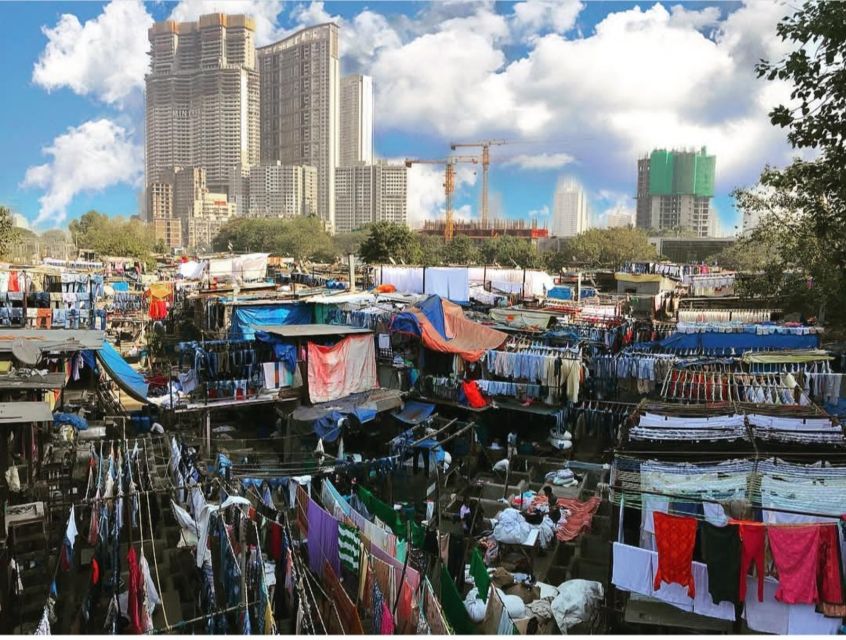
Then comes one of the most memorable stops on this whole tour: Dhobi Ghat. The setup is exactly what the name suggests—a large-scale laundry operation run by workers. You can watch dhobis carrying out the service that makes this place famous.
This stop hits differently when you’ve already seen the city’s delivery logic at Churchgate. It’s another system powered by skill and routine, just with clothes instead of lunch boxes.
If you’re the type who likes travel that turns everyday labor into understanding, this is a highlight.
Dharavi: seeing Mumbai’s other side without losing your balance
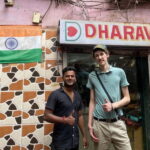
The day ends with a trip into Dharavi slums. This is not a passive “look and leave” moment. You’re entering a neighborhood with its own energy, complexity, and everyday reality—so your guide’s framing matters.
I think this stop works best when you treat it as learning time, not a “sightseeing” checkbox. Ask questions, listen to the context you’re given, and move respectfully through the space.
One consideration: this part of Mumbai can feel emotionally intense. If you prefer light and easy sightseeing only, you might find it heavy. If you want the city’s full shape, it’s a powerful contrast to the glamour stops like the Gateway area.
Day 2: ferry to Elephanta and that toy-train feeling
Day two starts with pickup arranged by the guide again, then you head to the ferry for Elephanta Island. The ride is about an hour, and it gives you a break from Mumbai traffic while you transition into a more historical setting.
On landing, you take a toy train ride halfway toward the caves. It’s quirky in the best way. Instead of feeling like you’re trudging up to a site, you get a small “transfer story” that turns the journey into part of the experience.
Elephanta Caves: UNESCO rock art up close
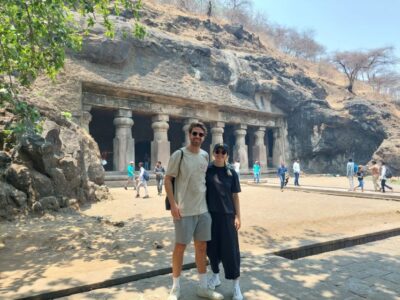
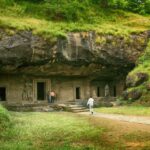
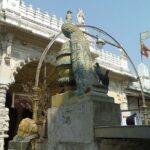
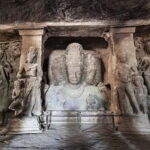
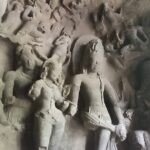
The caves themselves are the heart of the day and a UNESCO World Heritage Site. You explore the rock art, with particular attention to the sculpted figures named Kalyansundara, Gangadhara, and Ardhanriswara.
If you bring a camera, keep it ready—these sculptures are made for close viewing. The guide helps you spot what you’re looking at so you don’t just end up with random photos of stone.
Practical note: you’ll want comfortable footwear. The path and cave entry areas can be uneven, and you’ll do more walking than you might expect on a “short day trip.”
Elephanta village time and the return
After the caves, you spend some time in Elephanta Island village with your guide. This is where the island stops feeling like a one-hour stop and starts feeling like a living place.
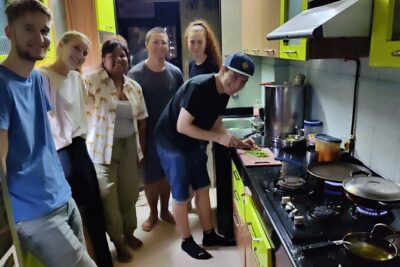
Then you return by ferry, and the tour ends back at your hotel. There’s also an optional add-on: an Indian cookery class if you’d rather end with something hands-on than another site.
Price and value: what $25 really covers
The listed price is $25 per person, and that’s relatively strong for a two-day, guide-led program in a city like Mumbai.
Here’s what the price typically includes:
- Professional, local guide
- Air-conditioned vehicle (in Mumbai)
- Bottled water
- Ferry to Elephanta
- Pickup and drop-off (with pickup optional)
- All taxes, fees, and handling charges
- Skip the ticket line
What’s not included is important to plan for:
- Lunch isn’t included
- Alcoholic drinks aren’t included
- Elephanta monuments fee is listed at $7 per person
So the real budgeting question becomes: are you comfortable paying for your meals and the monuments fee? If yes, you’re basically paying for a guided two-day structure with transport and the ferry handled.
Also, private or small-group format matters. In a city where movement and logistics can be the whole challenge, a good guide can turn “see everything” into “actually see the right things without wasting time.”
Guide quality: why the right explanations change the day
This tour lives or dies by how the guide connects stops. When the guide is strong, you don’t just collect locations—you understand why they matter.
From the guide styles you may encounter (you might be matched with people like Nisar, Yash Kadam, Sahil, Chirag, Ashwara, or Sunny), the consistent pattern is clear: they focus on history, culture, and what you’re looking at in the moment.
That matters most for:
- CST, where architectural features become meaningful only with an explanation.
- Dhobi Ghat, where it helps to understand the purpose and routine.
- Elephanta Caves, where knowing the names (like Kalyansundara and others) turns stone into story.
If you like to learn while you walk, this format fits.
Logistics that affect your comfort (and your photos)
A few practical points can make your experience smoother:
- Wear comfy shoes: You’re walking around railway sites, beaches, and cave areas.
- Plan for sun: Coastal stops and open areas can be bright and hot.
- Bring a light layer: Ferry rides and cave interiors can feel cooler.
- Camera strategy helps: For CST and the Elephanta sculptures, you’ll want quick access rather than fumbling mid-walk.
- Lunch is on you: Since lunch isn’t included, decide ahead of time how you want to handle it—snack breaks versus a sit-down meal.
Also, English is listed as the tour language, and the tour can be private or small groups. Smaller groups usually mean easier pacing and more room to ask questions.
Who this tour is best for
This is a great fit if you want:
- A guided overview of Mumbai’s top sights without a DIY scramble
- A mix of iconic architecture and working city life (dabbawallas, dhobis)
- A deeper look at Elephanta Caves with a guide-led understanding
- A two-day structure with transport arranged, especially the ferry piece
It’s not a good fit if you:
- Are pregnant, since the tour is listed as not suitable for pregnant women
- Want only a relaxed, low-walking itinerary
If your travel style is “see the highlights and also understand what you’re seeing,” this one clicks.
Should you book this 2-day Mumbai and Elephanta tour?
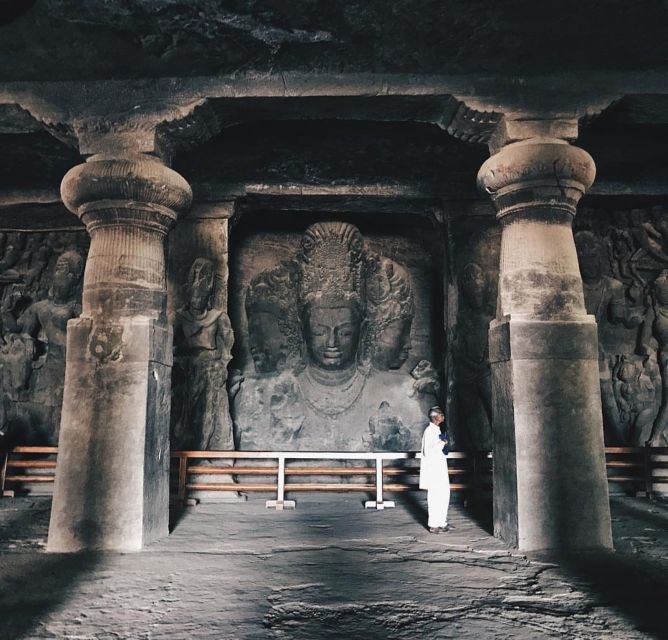
I’d book it if you’re short on time and you want the big-name places plus the working details that make Mumbai feel real. The combination of CST + Marine Drive + Dhobi Ghat, then ferry + toy train + Elephanta Caves is a smart use of two days.
I’d think twice if you strongly dislike intense contrast stops like Dharavi, or if you don’t want to manage extra costs for lunch and the Elephanta monuments fee.
If you’re planning around comfort, flexibility, and a guide-led approach, this tour offers strong value for what it includes—and it’s one of the easiest ways to get a full, well-connected picture of Mumbai.
FAQ
How long is the experience?
The experience is presented as a 2-day format, with availability and starting times shown separately. It includes a city day and an Elephanta Island day.
Is the tour private or shared?
You can choose private or small groups, depending on the option available at booking.
What’s included in the price?
The included items are a professional local guide, an air-conditioned vehicle, bottled water, pickup and drop-off, ferry transport, and all taxes and handling charges, plus skip-the-ticket-line access.
Is lunch included?
No. Lunch isn’t included.
Are Elephanta monuments fees included?
No. Elephanta Monuments Fees are not included, listed at $7 per person.
How do we get to Elephanta Island?
You go by ferry, with pickup by your guide. The ferry ride is about an hour.
Will there be a guide at Elephanta Caves?
Yes. The experience includes a live tour guide in English for the tour.
Where does the guide meet you?
The guide meets you at the meeting point. Pickup is optional, and you can indicate your hotel or another place in Mumbai to arrange pickup.
Is the tour suitable for pregnant women?
No. It is listed as not suitable for pregnant women.
Can I cancel for a full refund?
The experience includes free cancellation up to 24 hours in advance for a full refund.