REVIEW · DHARAVI SLUM TOURS
Mumbai: Dharavi Slum Walking Tour with Options
Book on GetYourGuide →Operated by Reality Tours and Travel Private Limited · Bookable on GetYourGuide
One million people, and the story is right at ankle level.
This is the Dharavi walk that trades TV stereotypes for hands-on context and a community-first guide-led route. I like that you get a clear picture of the local economy—recycling, pottery, embroidery, bakery work, soap-making, leather tanning, even poppadom production—without turning residents into props. I also like the added education angle: the tour’s profits feed back into community programs, and guides bring lived-in perspective (I’ve heard firsthand how guides like Leena, Rishi, and Divia keep the tone honest and informed). One consideration: it is a tight, sometimes dusty neighborhood walk with a strict no-photography rule, and it’s not a good fit if you need accessibility support.
In This Review
- Key Points Before You Go
- Why Dharavi Feels Real on Foot (Not Like a Movie Set)
- How This Tour Keeps Respect Front and Center
- Meeting Up: Starting Points and the Small-Group Pace
- Your Route Through Dharavi: Rooftop Views to Workshop Streets
- 1) Viewpoint Stop: A Fast Way to Understand Scale
- 2) Navrang Compound: Passing Through a Working Hub
- 3) Gokulam Store: Watching Work Close Up
- 4) Reality Gives – Mumbai: A Short Class That Changes How You See It
- 5) Kumbhar Wada: Pottery and the Art of Taking the Long Way
- 6) A Classroom Moment: Time to Ask Questions
- 7) Dharavi Lunch Option: Eating Regional Food in a Family Setting
- Drop-off Back to the Office Area
- The Businesses You’ll See: Recycling to Leather Tanning
- Rooftop Views and Residential Areas: Seeing the Neighborhood, Not Just the Trades
- Lunch at Home: When You Choose the Meal Option
- What Your Money Supports: 80% Back Into Education
- Practical Tips That Make the Walk Comfortable
- Who This Dharavi Walk Is Best For
- Should You Book This Dharavi Walking Tour?
- FAQ
- FAQ
- How long is the Dharavi slum walking tour?
- How much does it cost?
- Are photos or videos allowed during the tour?
- Is lunch included?
- What are the acceptable starting points?
- Is this tour wheelchair accessible?
Key Points Before You Go
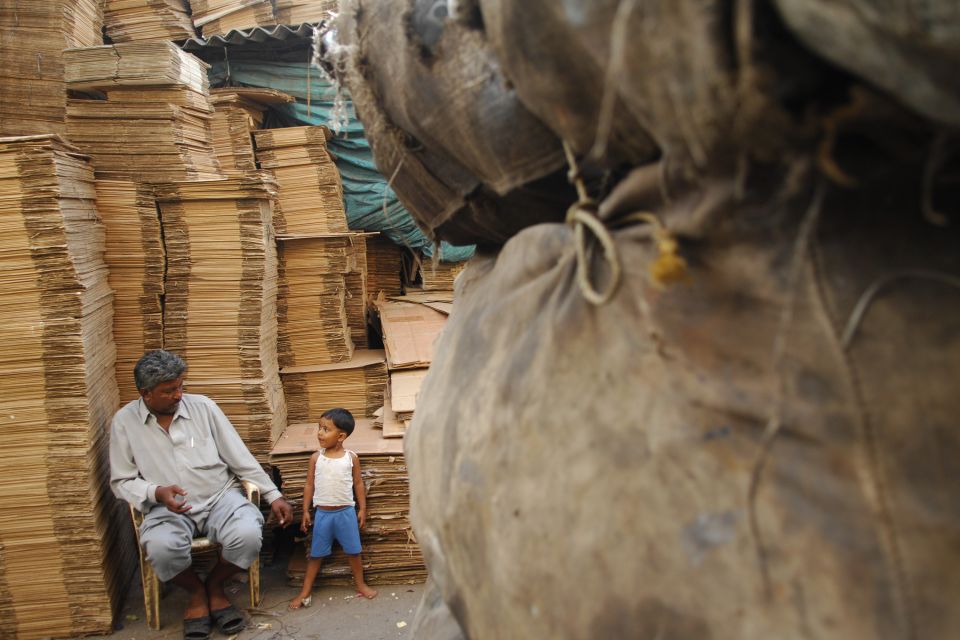
- Small groups (up to 6) keep the tour manageable in narrow alleys.
- You’ll see how 20,000+ local businesses shape Dharavi’s working life.
- A rooftop viewpoint helps you understand the scale of the settlement quickly.
- The walk is designed to be non-intrusive, with community privacy respected.
- 80% of tour profits are reinvested in educational initiatives, including literacy and skills.
- Dress for closed-toe shoes and possible mess, especially in wetter months.
Why Dharavi Feels Real on Foot (Not Like a Movie Set)
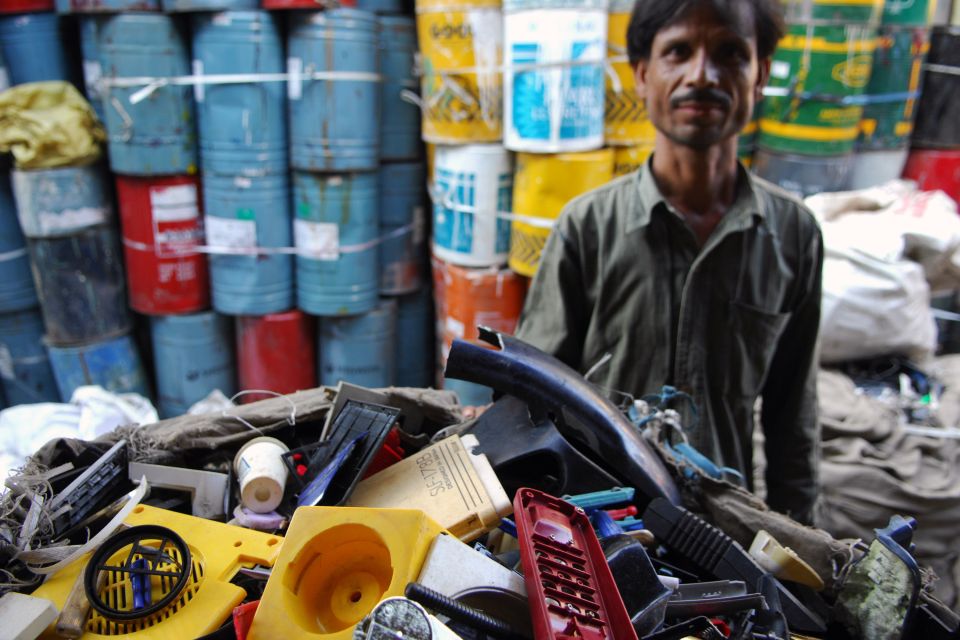
Dharavi has a reputation. Movies and headlines tend to flatten it into a single image: poverty, danger, chaos. This walking tour pushes back hard—politely, but firmly—by showing entrepreneurship and work that never stops.
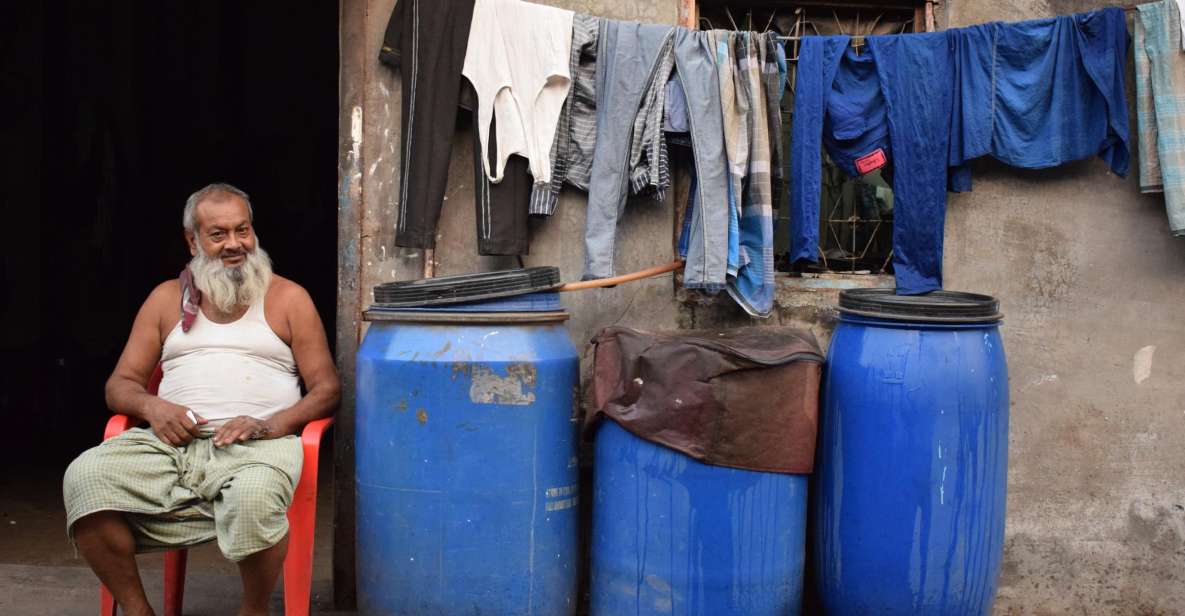
You’ll get the sense that Dharavi is less a “slum” as an outsider might picture and more a dense, functioning neighborhood. People have built livelihoods here, including migrants who arrived from different parts of India and created a microcosm of the country’s cultures and religions. As you move through the lanes, it becomes obvious: the area holds temples, mosques, churches, and other places of worship side by side, all in the same living rhythm.
The best part is how the guide frames what you’re seeing. You’re not just looking at workshops. You’re learning why businesses cluster where they do, how labor and materials flow, and how stereotypes miss the actual day-to-day complexity.
You can also read our reviews of more walking tours in Mumbai



How This Tour Keeps Respect Front and Center
The tour is structured to avoid the common “rubberneck and rush” energy. It’s intentionally non-intrusive and community centric, which matters in a place where privacy and dignity are not optional.
A few rules shape the tone immediately. There’s a strict no-photography policy, so you’re present with people instead of documenting them. You also follow a modest dress code—no low-cut or sleeveless tops and no short shorts—and baby strollers aren’t allowed. These aren’t “gotcha” restrictions; they help keep the group fitting into normal local movement.
Safety is handled in a straightforward way too. You get a safety briefing early, and the pacing stays controlled—especially when you’re threading through maze-like alleys. Reviews often mention feeling safe on the walk end-to-end, and the overall design supports that: small group size, guided route, and community-aware behavior.
Meeting Up: Starting Points and the Small-Group Pace
You’ll start from one of three options: Churchgate, Mahim Junction Railway Station, or Mahim railway station (which one you use depends on what you book). From there, the tour moves on foot with tight timing for a 2.5 to 3.5 hour experience.
That time window is practical. It’s long enough to leave with real understanding, not just a quick look. It’s also short enough that you’re not stuck for hours in heat, traffic, or overly long transfers.
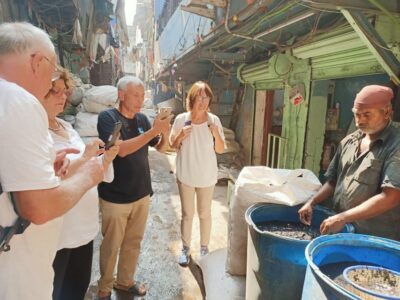
Group size is capped at up to 6 people. In reality, you may be joined by other tourists on the same tour, so expect a slightly fuller group than a private walk—but still intimate enough for conversation and quick questions.
You’ll also get water or a cold drink as part of the included experience, which is a simple but important comfort in Mumbai.
Your Route Through Dharavi: Rooftop Views to Workshop Streets
Here’s how the walk typically unfolds, and what each part tends to accomplish.
1) Viewpoint Stop: A Fast Way to Understand Scale
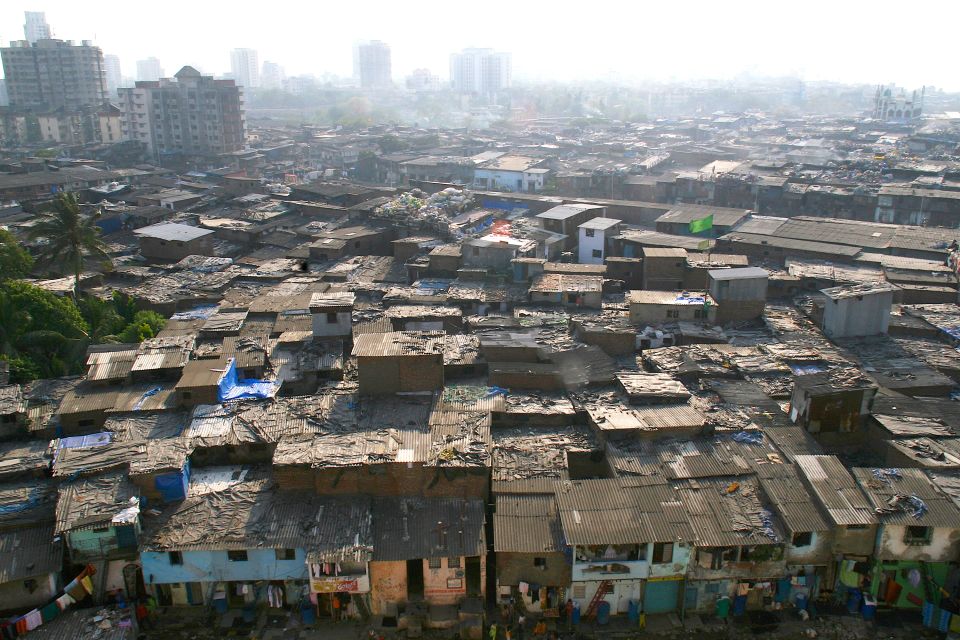
Right after the safety briefing, you head to a viewpoint. This is where the settlement’s layout hits you. From above, you can see why the neighborhood feels so dense on ground level—buildings stacked close, alleys forming a maze, and workspaces woven into daily life.
This viewpoint also helps you connect later details. When you later pass through residential and commercial pockets, you’ll have a mental map, not just a series of turns.



2) Navrang Compound: Passing Through a Working Hub
Next you’ll visit Navrang Compound for about 30 minutes, with guided orientation and sightseeing along the way. This is the kind of stop that gives context: you’re not only seeing activity, you’re learning how people share space for work and movement.
One thing to keep in mind: in a dense neighborhood, “pass by” sections can feel busy. That’s part of what you came for, but it helps to expect close quarters.
3) Gokulam Store: Watching Work Close Up
At Gokulam Store, you’ll spend around 20 minutes. This stop is about getting closer to the economic texture of Dharavi—where goods are handled, where business happens, and how daily operations look from the inside.
For many first-time visitors, this is a turning point. It’s easier to understand the entrepreneurship when you’re watching the process rather than listening to abstract explanations.
4) Reality Gives – Mumbai: A Short Class That Changes How You See It
You’ll also visit Reality Gives – Mumbai, with a brief class component (about 5 minutes). Even though it’s short, it’s meant to correct your frame.
Instead of only focusing on what Dharavi looks like, you’re taught to connect what you see to the community goals supported by the tour. In other words: the walk becomes a story of systems—work, education, and opportunity.
5) Kumbhar Wada: Pottery and the Art of Taking the Long Way
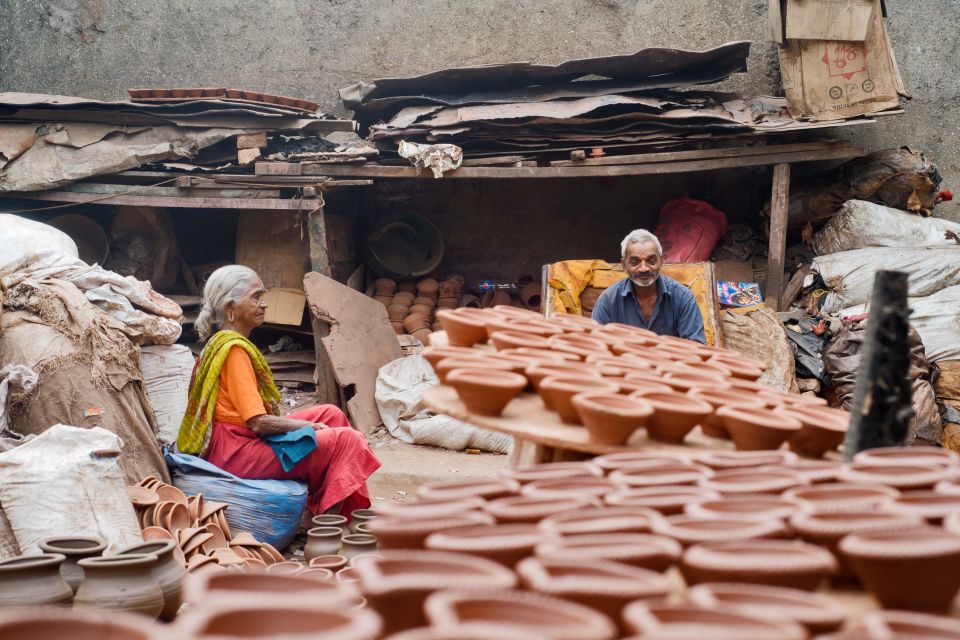
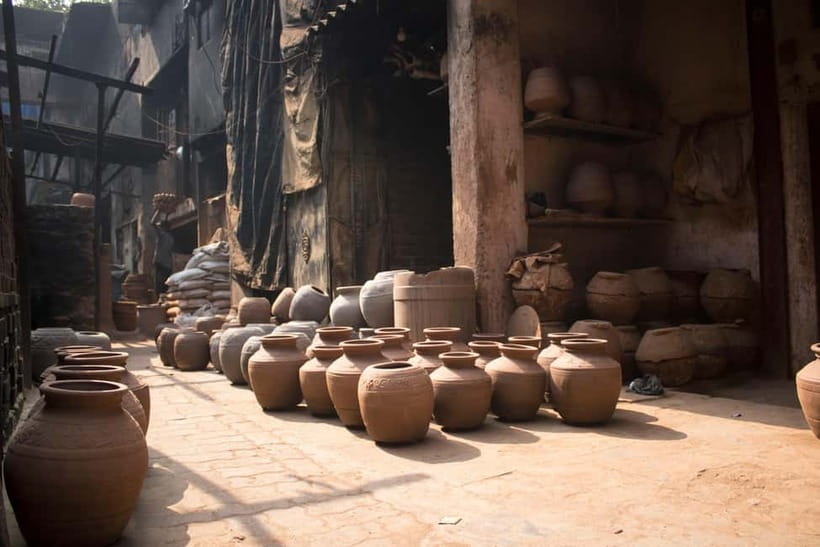
Then comes Kumbhar Wada, with about 15 minutes of guided sightseeing plus some self-guided time. Kumbhar Wada is where the neighborhood texture feels tangible—especially around traditional crafts.
The big idea here is control. Your guide helps you navigate the spaces, but you also get small moments to slow down and observe. That mix makes the difference between sightseeing and understanding.
6) A Classroom Moment: Time to Ask Questions
There’s another class segment (about 20 minutes). This is where you can ask questions and connect the dots. It’s also where the tour’s educational purpose becomes more explicit, rather than staying as a marketing line.
7) Dharavi Lunch Option: Eating Regional Food in a Family Setting
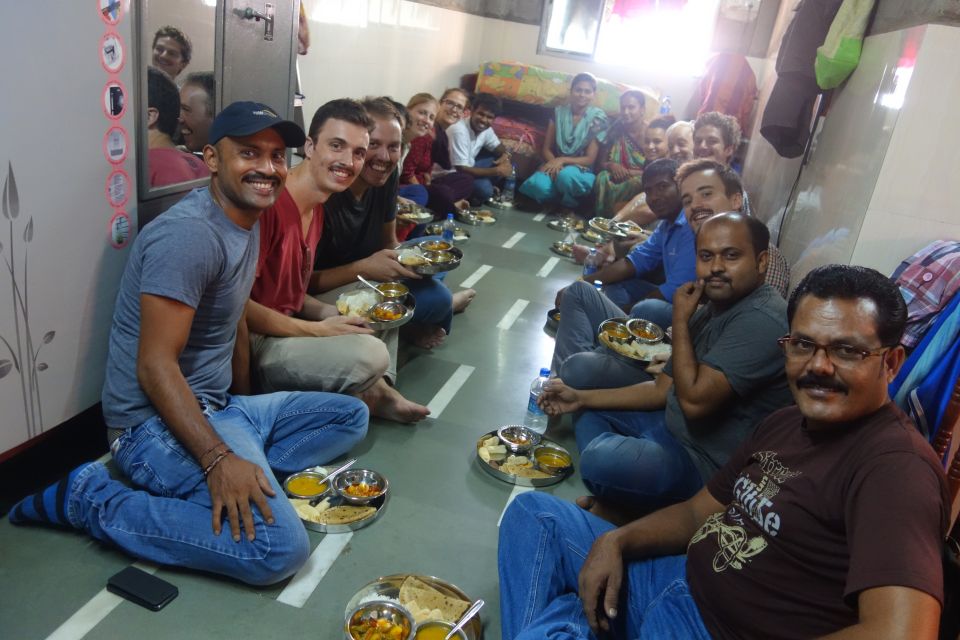
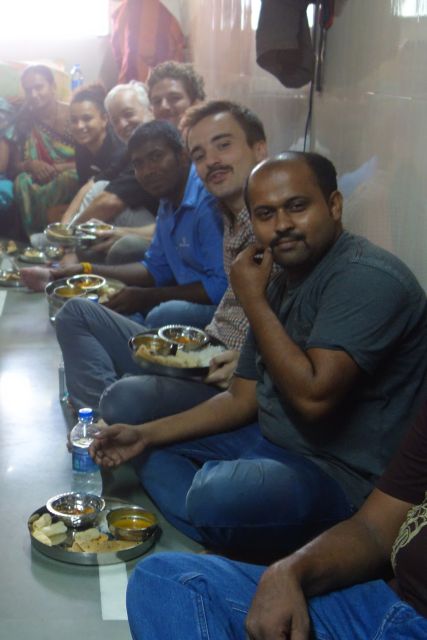
If you choose it, you’ll head to Dharavi lunch, roughly 35 minutes. The format is simple: you eat regional food, and the experience is built around a family opening their home to you.
This is one of those parts where travel changes shape. Food isn’t a side quest—it’s a human moment that reinforces how normal life continues alongside industry and community challenges.
If you’re not doing lunch, you still complete the core walking route; you just skip that longer break.
Drop-off Back to the Office Area
At the end, you’ll be dropped off at one of two locations tied to the tour operator in the area of Sion. That keeps the ending clean and predictable after the walk.
The Businesses You’ll See: Recycling to Leather Tanning
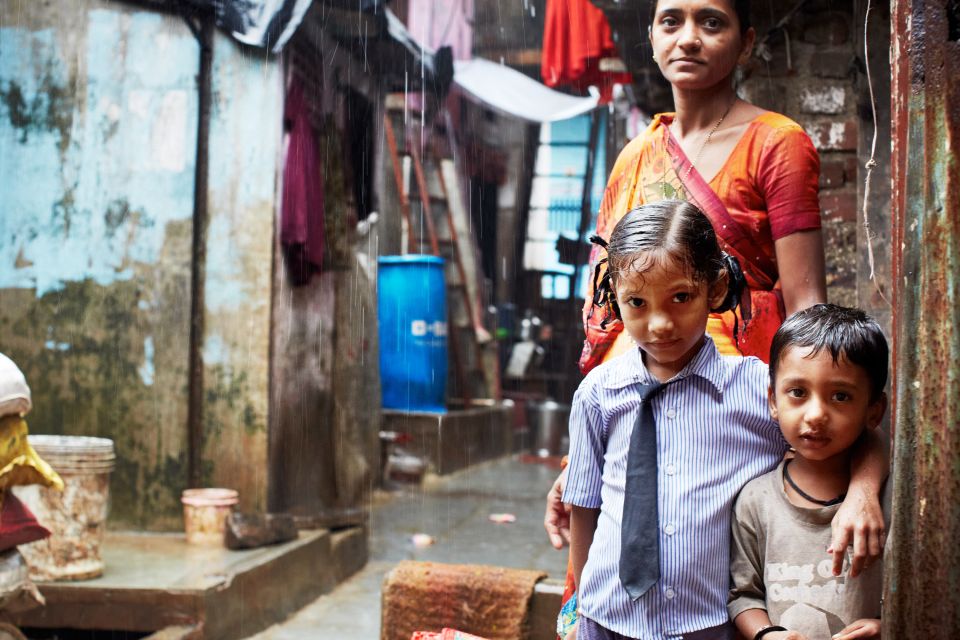
Dharavi’s reputation is usually framed as lack. This tour flips the lens to how much people can build with constraints.
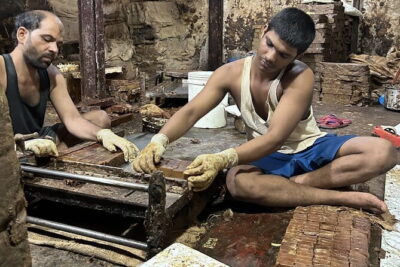
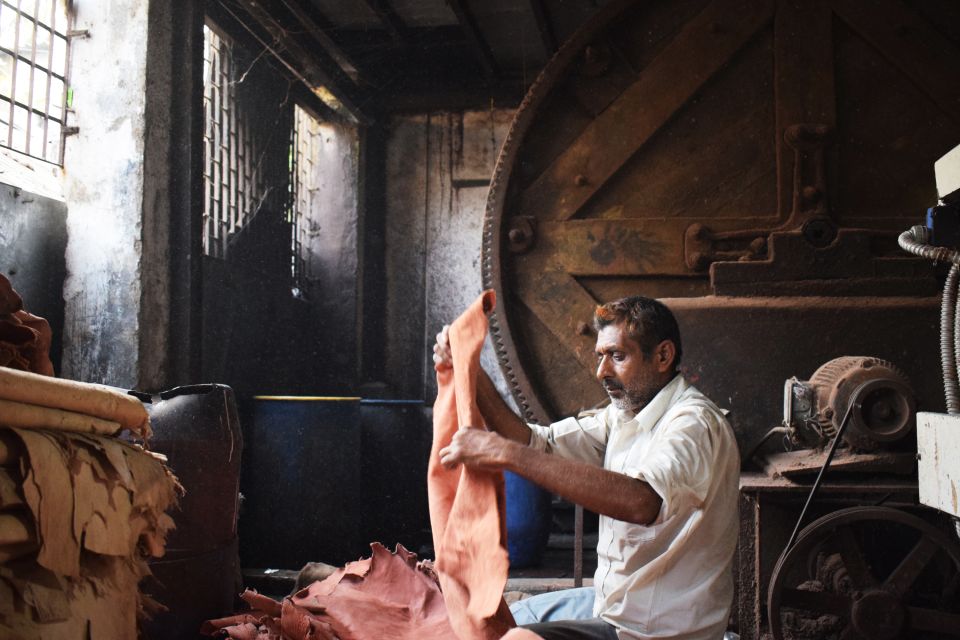
You’ll observe a spread of industries that highlight different kinds of skill and supply chains. Expect to see examples tied to:
- Recycling (materials and reuse)
- Pottery and other craft work
- Embroidery
- Bakery production
- Soap-making
- Leather tanning
- Poppadom-making
- Plus other small trades you pass along the route
The tour also includes a stop where you learn how migrants settled, how entrepreneurship took root, and how the local economy supports daily life. The point isn’t to romanticize hardship. It’s to show how work creates structure, pride, and a way forward.
And yes, there are big numbers behind the scenes. Dharavi is described as home to about one million residents, with an estimated annual turnover around $1 billion. That’s not just trivia. It helps you understand why thousands of businesses operate here—an estimated 20,000 businesses is what you’re meant to grasp.
Rooftop Views and Residential Areas: Seeing the Neighborhood, Not Just the Trades
A lot of Dharavi experiences focus only on the busiest workshops. This one also takes you into residential zones so you can see how living and working overlap.
As you move through these areas, you’ll notice how religious and cultural spaces sit close by. That detail matters because it reinforces a theme: Dharavi isn’t a single story. It’s a layered one, shaped by migration and community ties.
You’ll also be guided through a rooftop viewpoint, which is the quickest way to understand “maze-like” from the inside. On foot, the alleys can feel like a puzzle. From above, it becomes a map.
Lunch at Home: When You Choose the Meal Option
If you take the lunch option, you’re adding an extra layer of understanding. The tour isn’t just showing you workspaces; it’s showing you how people host, how meals fit into routine, and how hospitality feels in a community setting.
Lunch is included when you select the option, and it’s described as regional food. The time allocation (about 35 minutes) means you’re not stuck in a long sit-down. It’s enough to eat comfortably and still keep the pacing humane.
Practical note: if you have dietary restrictions, you’ll want to confirm ahead of time. The data here tells you lunch is included only if you choose it, but it doesn’t list special dietary accommodations.
What Your Money Supports: 80% Back Into Education
Here’s the part I pay attention to with tours like this: where does the money go after the walk?
This experience is set up so that 80% of profits are re-invested into educational community initiatives. That’s not just a vague promise. Reviews specifically mention support connected to English and skills literacy, and the guide-led structure aligns with that aim.
So you’re not paying only for access. You’re helping fund programs tied to the next generation’s opportunities—education as a concrete form of support.
That also changes how you should think about the tour. You’re part of a circuit: learn from the community, then return value to it.
Practical Tips That Make the Walk Comfortable
If you do one thing, do this: wear the right shoes. The tour recommends comfortable closed-toe walking shoes, because some areas can be dirty, especially during monsoon months from June to mid September.
Also plan your clothing ahead. Modest clothing is required: no sleeveless tops, no low-cut tops, and no short shorts/pants. You’ll move through crowded, close spaces. Clothes that let you breathe and move matter more than fashion.
A few other real-world notes:
- No photography means you’ll rely on your senses and memory, not your camera roll.
- The tour uses small group guiding, but it’s still a walk through tight alleys.
- Baby strollers are not allowed.
- This tour is not suitable for wheelchair users.
If you’re claustrophobic or heat-sensitive, the narrow lanes and Mumbai humidity can be tough. I’d treat this as a “go with the right mindset” experience, not a relaxed stroll.
Who This Dharavi Walk Is Best For
This tour fits best if you want:
- a guided, respectful look at a working neighborhood
- a deeper understanding of entrepreneurship and community life
- a tour that actively supports education with its profits
It’s especially good for travelers who feel uneasy about sensational stories and want a better frame. It also works well for people who like to ask questions—guides trained for small group walking tend to keep conversations grounded.
If you’re looking for a theme-park style “one photo at every stop” itinerary, this will frustrate you—mainly because photography is not allowed and the focus stays on people and work.
Should You Book This Dharavi Walking Tour?
I think it’s worth booking if you want an honest, low-drama way to understand Dharavi beyond stereotypes. The small-group format, the guide-led navigation through tight lanes, and the money tied to education are strong reasons to choose it over more superficial alternatives.
Book it if you can do the basics:
- wear closed-toe shoes
- dress modestly
- leave your camera behind
- be okay with close quarters and walking on uneven, sometimes dirty surfaces
Also, if you like flexibility, look for the free cancellation window up to 24 hours in advance and the reserve now/pay later option. That makes it easier to plug into your Mumbai schedule without sweating every detail.
FAQ
FAQ
How long is the Dharavi slum walking tour?
The tour runs about 2.5 to 3.5 hours, depending on the starting time.
How much does it cost?
It’s listed at $20 per person.
Are photos or videos allowed during the tour?
No. The tour has a strict no-photography policy to respect local residents’ privacy.
Is lunch included?
Lunch is included only if you choose the lunch option. Otherwise, it’s not included.
What are the acceptable starting points?
You can start from Churchgate, Mahim Junction Railway Station, or Mahim railway station, depending on the option you book.
Is this tour wheelchair accessible?
No. It is not suitable for wheelchair users.