REVIEW · DHARAVI SLUM TOURS
Mumbai Private Sightseeing With Slum Tour
Book on Viator →Operated by Memorable Mumbai · Bookable on Viator
Mumbai can feel like a movie—and this tour proves it. You get major sights plus real street life in one smooth, guided day, with a private car and a guide who ties it all together. The added slum/community visit gives the contrast real meaning, not just a photo stop.
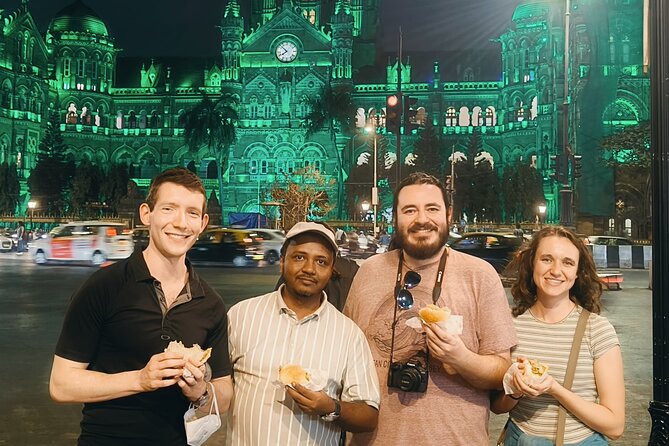
I love two things most. First, the private transportation keeps the day comfortable and allows you to move between sites without wasting hours on guesswork. Second, I like the way the tour includes everyday Mumbai moments—like stopping at Dhobi Ghat and sharing a simple food break (wada pav) instead of treating the day like a checklist.
One thing to consider: the community visit is emotional by nature. If you get uncomfortable around poverty or inequality themes, this part may feel intense, and you should also be ready for a moderate level of physical activity during the day.
In This Review
- Key highlights you’ll actually feel
- How a private 6-hour route works in Mumbai
- Gateway of India to Sassoon Dock: the city meets the sea
- Dhobi Ghat and CSMT: work and architecture in the same day
- Ganesh Murti Nagar: a respectful look at community life
- Crawford Market and Gandhi’s Mumbai Museum stop
- Hanging Gardens, Banganga, and Marine Drive at the right mood
- Price and what you’re really paying for ($49.99)
- The Ali effect: why the guide matters here
- Who should book this Mumbai private tour
- Should you book this tour?
- FAQ
- How long is the Mumbai Private Sightening With Slum Tour?
- Is pickup offered, and do you return to the meeting point?
- What’s included in the tour package?
- Are entry fees included for the sights?
- Is this a private tour, and is there a fitness requirement?
- What are the operating hours, and what’s the cancellation window?
Key highlights you’ll actually feel
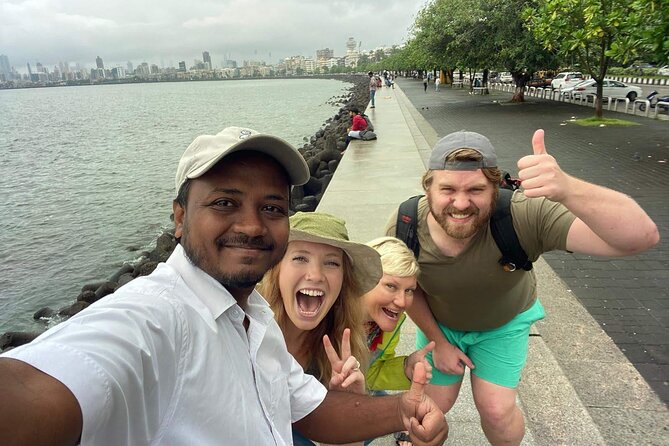
- Private car + expert guide for a full-day route that stays organized
- Dhobi Ghat at Mahalaxmi: see the world-famous open-air laundry operation in action
- Chhatrapati Shivaji Maharaj Terminus (CSMT): Victorian-Gothic architecture tied to Mumbai’s identity
- Ganesh Murti Nagar community visit: a closer, respectful look at daily life
- Crawford Market: a classic old bazaar for spices, sweets, and quick browsing
- Golden hour options: Hanging Gardens and Marine Drive views over the Arabian Sea
How a private 6-hour route works in Mumbai
Mumbai is big, fast, and complicated. The big win here is that you’re not spending your day playing transportation roulette. A private car and hotel/port pickup and drop-off within South Mumbai help you start and finish on time, while the guide handles the flow.
This is a private tour, meaning it’s only your group. That matters in practice: you can ask questions, slow down near places you care about, and skip the stuff you don’t. With a route like this—landmarks, markets, and a community visit—control over pacing is not a luxury.
The tour runs for about 6 hours, operating Monday to Sunday from 9:00 AM to 5:00 PM. If you’re trying to pack Mumbai into a short stay, this is a sensible way to get both the famous icons and the texture of everyday life.
You can also read our reviews of more private tours in Mumbai

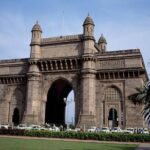
Gateway of India to Sassoon Dock: the city meets the sea

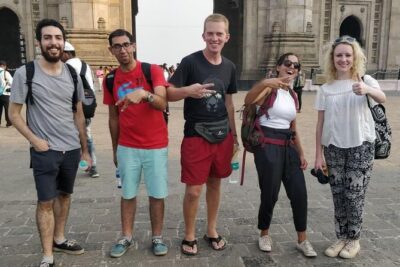
You start at Gateway of India, a grand Indo-Saracenic arch built in 1924, facing the Arabian Sea. The first thing you’ll notice is how cinematic the location feels—especially with the Taj Mahal Palace Hotel in view. It’s the kind of landmark that’s easy to photograph, but it’s even better when your guide adds the historical context so you’re not just staring at stone.
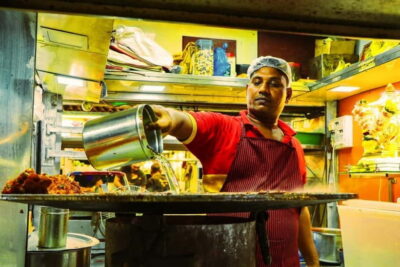
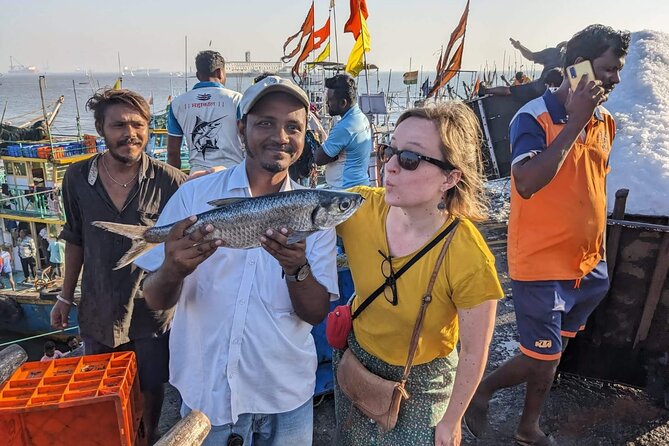
From there, you head to Sassoon Dock, one of Mumbai’s oldest docks (built in 1875) and still active. This stop works because it shows the working side of the city. You’ll see the morning fish market atmosphere—busy, noisy, and totally specific to this place. If you like travel that has motion, color, and actual jobs happening, this is a strong moment.
A practical tip: this part of town can be crowded. You don’t need to race through it. A slower look helps you notice details—how people move, how goods are handled, and how quickly the harbor environment runs.
Dhobi Ghat and CSMT: work and architecture in the same day
Next comes Dhobi Ghat (Mahalaxmi), known as the world’s largest open-air laundry. You’ll watch thousands of dhobis (washermen) washing, drying, and ironing clothes in a longstanding routine. This isn’t presented as a spectacle; it’s about the scale of an essential daily service and the skill built into it.
If you’re used to seeing “laundry” as a private, indoor task, Dhobi Ghat resets your expectations. It helps you see how infrastructure and labor shape the look of a city.
Then you move to Chhatrapati Shivaji Maharaj Terminus (CSMT), a UNESCO World Heritage site and a striking Victorian-Gothic railway station with Indian and British influences. It’s a huge contrast from Dhobi Ghat, and that’s the point. The station’s details give you a sense of how Mumbai grew into a global hub—while the earlier stop showed how ordinary life keeps running every day.
This is also a photo-friendly pair: Dhobi Ghat gives you real-time texture, while CSMT gives you architecture you can study like a monument.
Ganesh Murti Nagar: a respectful look at community life

The tour then shifts tone at the Ganesh Murti Nagar stop, part of a guided slum/community experience. You’re not just shown a location—you’re given an insight into daily life in one of the lesser-known local communities.
From what you’re told at the start of this kind of visit, the key is to treat it as a conversation, not a performance. Your guide’s role becomes important here: good guiding helps you ask better questions, understand context, and avoid turning people’s lives into background scenery for your photos.
Is it emotional? Yes. Is it valuable? Also yes—because it adds meaning to the rest of the city you’ve been seeing. Landmarks are impressive, but Mumbai’s character comes from how people build stability and dignity under pressure.
If you’re going to do one “contrast” stop in Mumbai, make it this one.
Crawford Market and Gandhi’s Mumbai Museum stop

After the community visit, the day turns lighter in a grounded way with Crawford Market. This is one of Mumbai’s oldest markets, dating back to 1869, with a colonial-era feel. It’s a place where you can browse quickly or slow down for a closer look at how people shop: fresh fruits and spices, sweets, and a mix of everyday goods.
This stop is also a chance to spend a little money if you want (without pressure). Even if you don’t buy anything, the atmosphere helps you understand Mumbai as a lived-in city, not just a sightseeing circuit.
Then you head to Mani Bhavan Gandhi Museum, Gandhi’s Mumbai headquarters. You’ll see a historic house where Mahatma Gandhi lived and planned major freedom movements. The museum includes entry in the tour package, so you can focus on the content instead of tracking ticket steps.
This combo—market energy plus political history—works well because it covers both sides of how ideas and daily life collide in big cities.




Hanging Gardens, Banganga, and Marine Drive at the right mood
Now you get to the softer, scenic part of the route.
At Hanging Gardens, you’ll enjoy terraced greenery and hilltop views, including overlooks toward Marine Drive and the Arabian Sea. It’s a break from crowds and noise, and the location gives you a reset for the last stretch of the tour.
Next is Banganga, a sacred tank site believed to be about 1,000 years old. The area is surrounded by temples and old stone steps, and it offers a calmer spiritual pause in the middle of a very city-heavy day. Even if you’re not a religious traveler, these old stone spaces tend to make time feel different.
Finally, you reach Marine Drive, the famous 3.6 km coastal boulevard sometimes called the Queen’s Necklace at night. Even during daylight, the ocean line gives you that classic Mumbai “shorefront promenade” feeling, with a good ocean breeze and a place to wind down.
If you can, take a moment to sit for a minute. This part of the city is meant for slow looking.
Price and what you’re really paying for ($49.99)
At $49.99 per person, this tour is priced like a value option, but only because the package includes key costs that add up on your own. You’re getting:
- Private car transport with pickup and drop-off within South Mumbai
- Entry fees covered for the listed stops
- Food and drinks included, including wada pav, tea, and bottled water
- Museum admission included at Mani Bhavan Gandhi Museum
- Mobile ticket
So you’re not just paying for sightseeing time. You’re paying for fewer hassles: fewer ticket queues, less navigation stress, and a guide who helps you interpret what you’re seeing while you’re there.
One more value point: the tour is built around both “big-name” Mumbai and lesser-known local stops. That mix is hard to DIY without spending time figuring out routes and timing.
The Ali effect: why the guide matters here

A recurring theme in traveler feedback for this operator is the kind of guidance that goes beyond telling you where to stand. People describe Ali (from Memorable Mumbai) as a guide who makes the city click—so you’re not just moving from attraction to attraction.
In practical terms, that kind of guiding style matters most at the stops where visuals aren’t enough. At Dhobi Ghat, at CSMT, and especially at the Ganesh Murti Nagar community visit, good interpretation changes your experience from surface-level to meaningful.
If you care about asking questions—about how the city works, how people live, and why landmarks matter—this is the sort of tour where your guide’s skill shows up fast.
Who should book this Mumbai private tour
This tour fits you best if:
- you want major sights plus real street life in one day
- you prefer a private experience over crowds and group chaos
- you enjoy food breaks (wada pav) and quick museum time (Mani Bhavan)
- you’re open to a respectful community visit that may feel emotional
It might not fit if:
- you hate any exposure to poverty and inequality themes
- you want a purely scenic, low-emotion itinerary
- you’re looking for lots of long, unstructured free time (this route is organized and timed)
Should you book this tour?
Yes, if you’re the kind of traveler who likes contrasts and wants context. The combination of Gateway of India, Sassoon Dock, Dhobi Ghat, CSMT, Crawford Market, Mani Bhavan, and Marine Drive gives you a full-spectrum Mumbai day without turning it into an exhausting sprint.
The biggest reason I’d recommend it is practical: private transport plus guided meaning. You get comfort, entry fees covered, and included food and drinks—so your money and time go toward seeing and learning, not logistics.
If you’re unsure, decide based on one question: can you handle a community visit respectfully? If yes, this is a strong value way to understand Mumbai beyond the postcard.
FAQ
How long is the Mumbai Private Sightening With Slum Tour?
It runs for about 6 hours.
Is pickup offered, and do you return to the meeting point?
Yes. Pickup is offered within South Mumbai, and the activity ends back at the meeting point.
What’s included in the tour package?
You get wada pav, tea, bottled water, and admission to Mani Bhavan Gandhi Museum. You also receive a mobile ticket.
Are entry fees included for the sights?
Yes. The tour lists entry fees/admissions as covered for the included stops.
Is this a private tour, and is there a fitness requirement?
It’s a private tour/activity, so only your group participates. The tour recommends a moderate physical fitness level.
What are the operating hours, and what’s the cancellation window?
It runs daily from 9:00 AM to 5:00 PM. You can cancel for a full refund up to 24 hours in advance.