REVIEW · DHARAVI SLUM TOURS
Mumbai: Dharavi Slumdog Tour -See the real Slum with a Local
Book on GetYourGuide →Operated by Inside Mumbai Tours · Bookable on GetYourGuide
Stereotypes fall apart fast in Dharavi. This guided walk brings you into the real rhythm of the area—where people live, work, and play—and even includes a visit tied to the movie Slumdog Millionaire.
I especially like the resident-guide perspective, the kind that shares what daily life looks like without turning it into a sideshow. You’ll also get a guided look at the economy inside the neighborhood, not just the housing—things like recycling and small-scale production.
One drawback to keep in mind: the tour can include a stop at a leather store at the end, and that part may feel salesy or pricey if you came only for street-level learning. Also, as with any guided narrative, if you care about exact sourcing details for luxury products, treat dramatic claims with an extra pinch of skepticism.
In This Review
- Key things that make this tour worth your time
- First stop: Third Wave Coffee Mahim and finding your guide
- Your walk through Dharavi: homes, work, kids, and privacy
- The industries you’ll see aren’t props
- A note about a possible local-transport moment
- Slumdog Millionaire filming spot: why it matters (and when it doesn’t)
- The guides: when the storyteller is also a resident
- Safety and respect: what the tour promises and how you can help
- Price and value: $4.99 is cheap, but it’s not free
- It’s not just “poverty tourism”—the tour tries to correct the story
- A balanced caution: shops, claims, and what to watch for
- Who should book this Dharavi tour?
- Should you book this Dharavi Slumdog Tour?
- FAQ
- What is the price of the Mumbai: Dharavi Slumdog Tour?
- Where is the meeting point?
- Does the tour include an English-speaking guide?
- What’s included in the tour?
- What will I see during the tour?
- Do you visit inside Dharavi?
- Is the tour safe?
- Where does the tour end?
- Are pets allowed?
- Can I reserve with pay later, and what about cancellation?
Key things that make this tour worth your time
- Meet Dharavi residents first, then follow their route through daily life (not a generic slideshow)
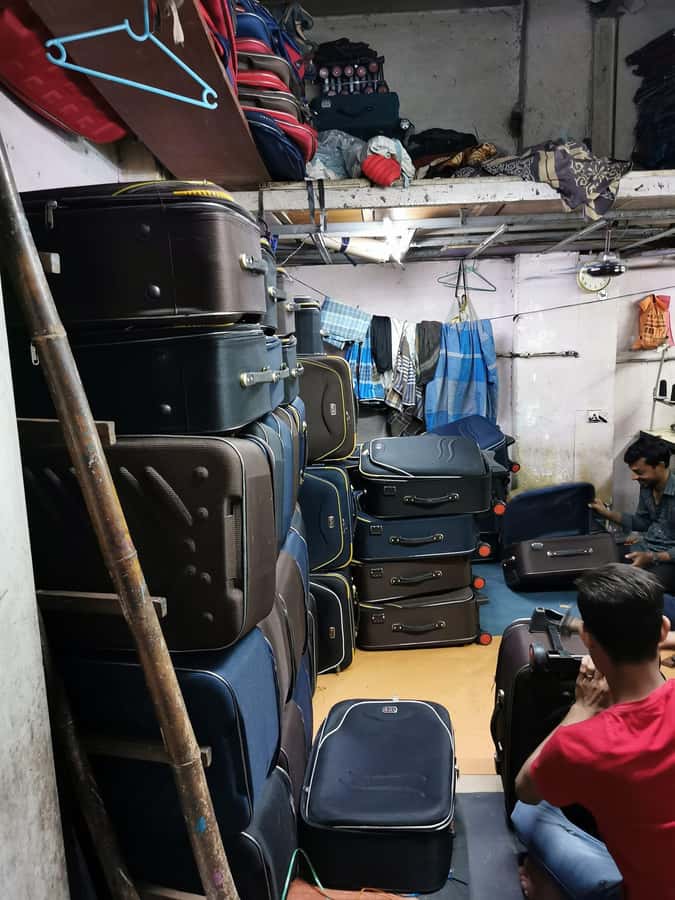
- See multiple industries up close: plastic recycling, garment/textile, leather, metal work, and more
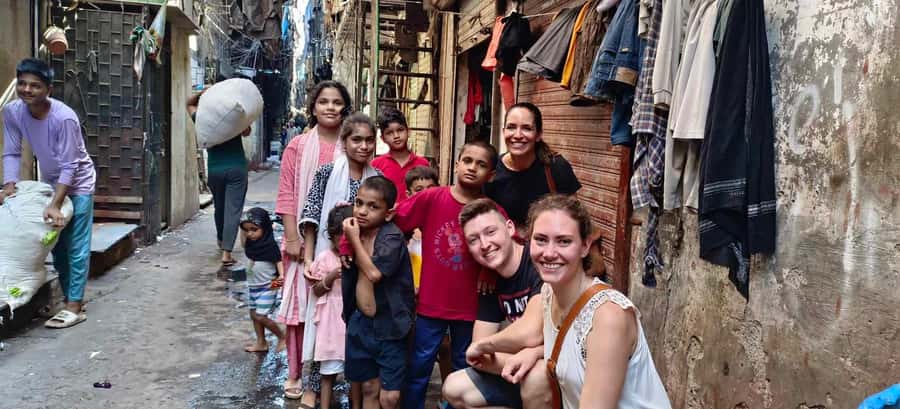
- Learn the real routine—where families stay, how children play, and how people relax
- Visit the Slumdog Millionaire filming location inside Dharavi, tying movie geography to real streets
- Guides balance stories with privacy, especially when sharing what’s sensitive in such close quarters
First stop: Third Wave Coffee Mahim and finding your guide
The experience starts with something easy: you meet at Third Wave Coffee in Mahim, opposite the Mahim railway junction (West). When you arrive, stand just outside the café or sit inside. The guide should find you quickly—then you’ll get a quick name check and a friendly introduction.
This matters more than it sounds. Dharavi tours go best when the first few minutes feel calm. You’re stepping into a dense, working neighborhood, so having the right orientation early helps you ask better questions later.
A nice detail: the tour includes water, which is practical in Mumbai. You’re also told up front that the tour is guided in English, so you won’t be guessing what you’re seeing.
You can also read our reviews of more tours and experiences in Mumbai.

Your walk through Dharavi: homes, work, kids, and privacy
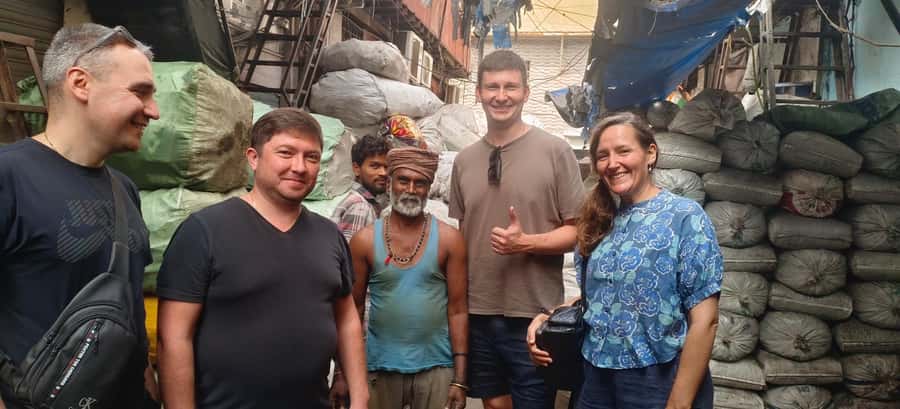
Once the tour starts, the main point becomes clear: you’re not just looking at a place—you’re watching how people organize daily life inside it.
On this tour, you’re guided to see:
- Where residents live
- Where families spend time together
- Where children play
- Where people work and trade
- Where everyday relaxation happens too
The strongest part for me is that the tour actively pushes back against a single-note image of Dharavi. Instead of treating the area like a problem to pity, you’re shown a community where work and home life mesh. It’s still tough in many ways, but the day-to-day reality looks sharper than stereotypes.
You’ll also notice how guides handle boundaries. One guide, Bharti, is described as especially sensitive to people’s privacy, and that’s a big deal here. In tight streets, privacy is fragile. A good guide keeps the focus on what’s appropriate to share and what isn’t.
The industries you’ll see aren’t props
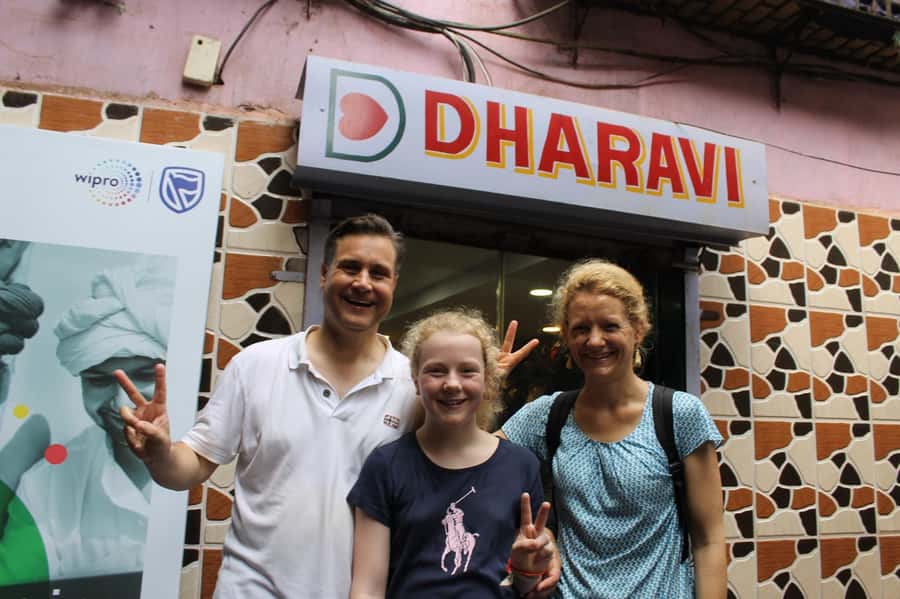
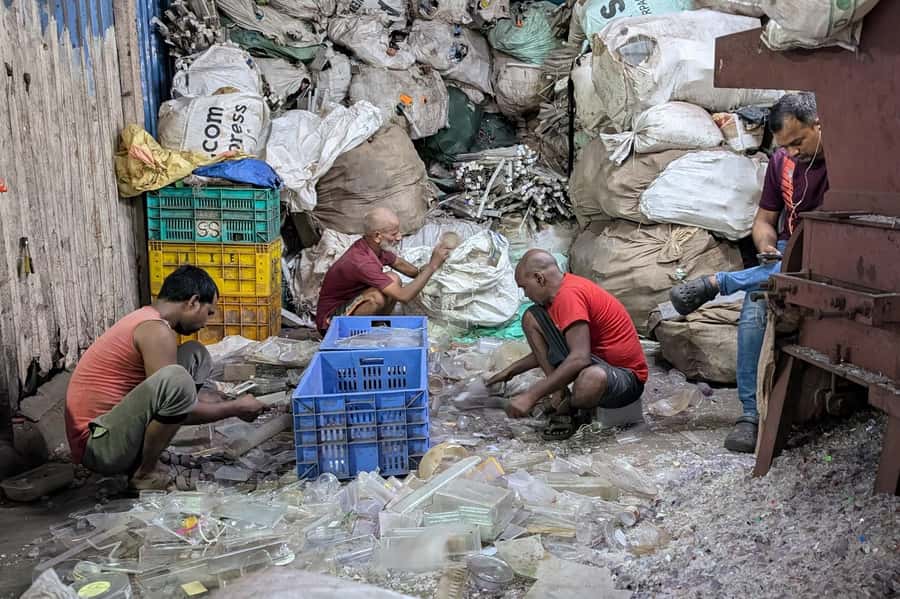
Dharavi is famous for small industries that run on skill, speed, and reuse. This tour is built around that. You’ll walk past areas involved with plastic recycling, and the tour also points you toward other work such as:
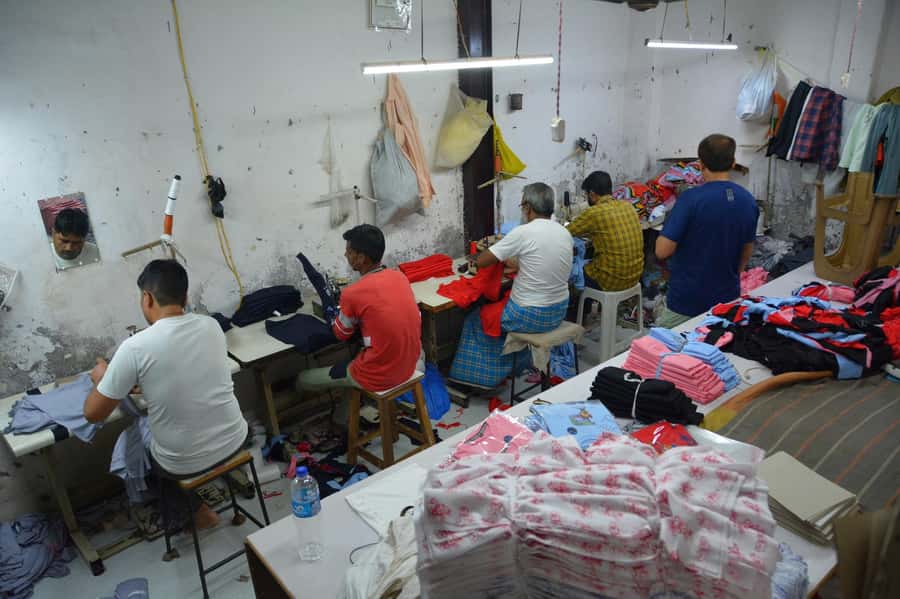
- Garment and textile activities
- Leather work
- Metal industry
- And more businesses that support these supply chains
What you gain from this isn’t just a list of trades. It’s context. The tour frames Dharavi as a place that functions like an industrial hub—one where materials and products move through many hands. That includes the claim that the area’s industries generate a reported yearly income around $1 billion. Whether you view that number as a guide figure or a marketing line, the point for visitors is the same: this is work, not just survival.
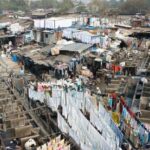
One review highlight that you can take seriously is the laundry stop. Mark described how the laundry area showed the process from collection through processing and delivery. If laundry is on your route, treat it as a window into systems: how items enter, get managed, and get returned. It’s the kind of practical step-by-step you rarely get when you only visit “touristy” spots.
A note about a possible local-transport moment
Some tours may include local transport along the way. One person described a jammed local train ride as part of their experience. If that happens for your group, keep your expectations realistic: Mumbai transit is crowded, and that crowd is part of the authentic texture of the city.
Slumdog Millionaire filming spot: why it matters (and when it doesn’t)
This tour doesn’t stop at “movie trivia.” It includes a visit to where Slumdog Millionaire was filmed inside Dharavi.
Why is that valuable? Because it forces a comparison:
- The film version of place feels like a story.
- The real streets feel like a community with real routines.
You’ll get a sharper sense of how filmmakers translate reality into scenes, and you’ll also see how residents live in the same space the movie used. It’s a reminder that cinema is only one layer of geography.
That said, don’t come expecting a guided tour of film sets with a full script breakdown. Here, the movie connection is a thread—not the whole fabric. The main focus stays on life and labor.



The guides: when the storyteller is also a resident
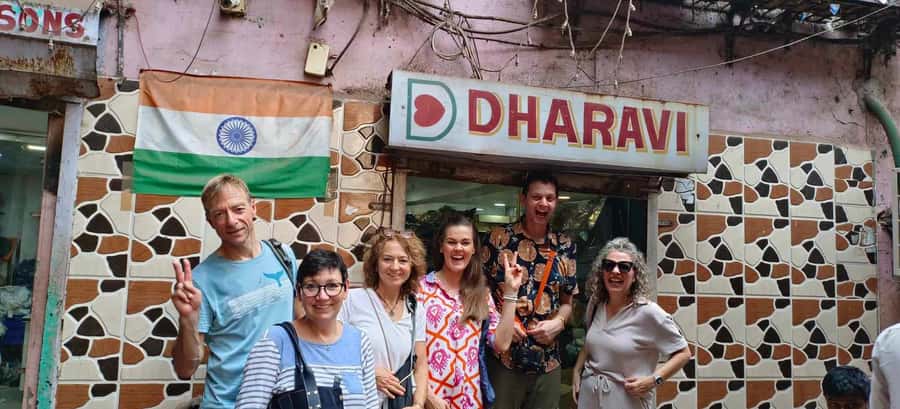
A big reason this tour scores so high is the guide experience. You’re not just hiring someone to point at buildings—you’re getting a resident who can explain what you’re seeing and why it works.
From the names shared, you may be guided by people like:
- Abishek, described as helpful and able to give the right amount of information with room for questions
- Zeeshan, praised for storytelling skill and for explaining complicated issues with simple metaphors
- Bharti, noted for empathy and for being protective of privacy
- Mohammed, described as friendly and warm
- Faizan, called engaging and informative
- Rakesh, mentioned with a funny, enjoyable approach
If you want the best day possible, choose curiosity over checklist thinking. Ask how industries connect. Ask how families manage inside limited space. And when your guide speaks about community life—like how different religions may live side by side—listen for what it reveals about daily coordination, not just culture facts.
Safety and respect: what the tour promises and how you can help
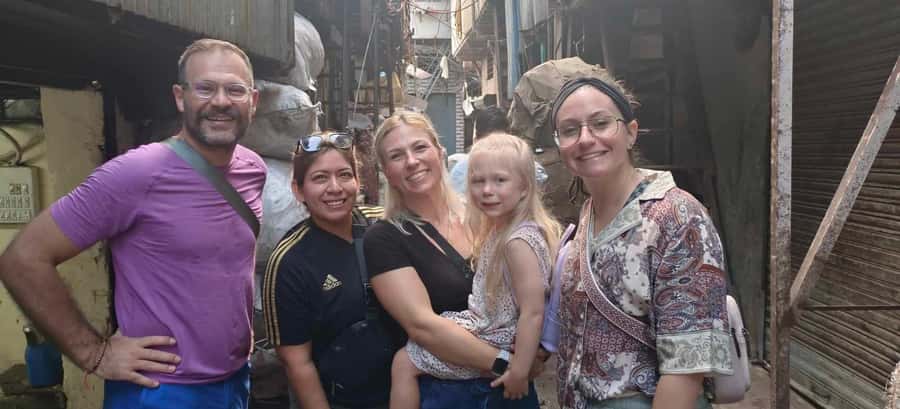
The operator states that the tour is completely safe to visit inside and around and that you visit only via residents. They also frame the experience as respectful: you go through the neighborhood with locals guiding the path.
Your job is to match that respect.
Practical ways to do that:
- Keep your voice at street level. Loud questions can make people uncomfortable.
- Don’t block doorways or narrow paths to take photos.
- Ask before filming close-up details of people’s homes or daily routines.
- Treat shops and work areas like real workplaces, not photo backdrops.
Also, pets are not allowed. That rule is likely there for hygiene and neighborhood comfort, so plan accordingly.
Price and value: $4.99 is cheap, but it’s not free
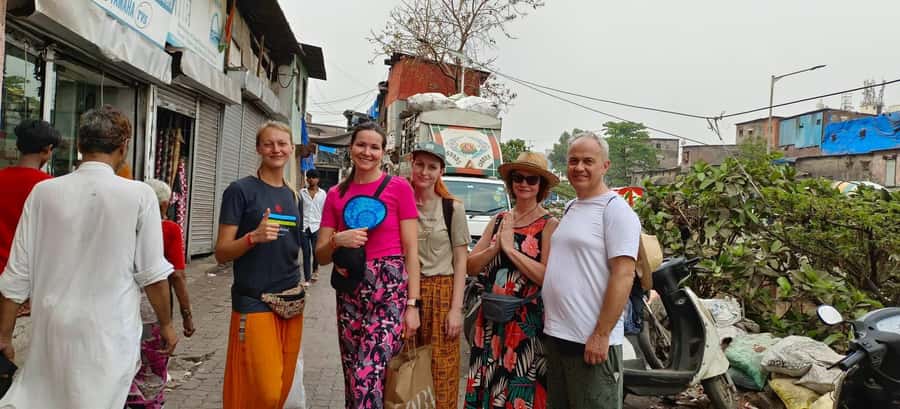
At $4.99 per person, this tour is priced like a community access pass rather than a high-end sightseeing product. What you’re getting for that price includes:
- A local slum resident English guide
- Entry tickets for visiting inside Dharavi areas on the tour
- Water
So the value isn’t just the walk—it’s the access plus local time. If you’ve paid a lot more elsewhere in India just for viewpoints, this feels different. You’re paying for the ability to ask questions in the place where the answers happen.
Still, keep expectations grounded. There’s a human reality here: the neighborhood is working, crowded, and layered with sensitive stories. That means the experience will be more serious and sometimes more uncomfortable than a normal city tour. If you want clean, staged visuals, this isn’t that.
It’s not just “poverty tourism”—the tour tries to correct the story
One of the clearest themes in how this tour is presented is a mission to dispel common notions and stereotypes. The tour aims to show the inspiring side too, not by denying hardship, but by refusing to reduce Dharavi to a single image.
You’ll hear stories about how people manage:
- Where families live
- How children’s lives play out in small spaces
- The businesses that keep materials moving
- The lack of government support, as explained in at least one account (including a claim about limited support for a large population living there)
This is where the tour earns its keep. A standard sightseeing day shows you what looks impressive. This shows you what makes a community function—how industry and daily life create a kind of rhythm even under pressure.
A balanced caution: shops, claims, and what to watch for
Not every part will land perfectly for every person. One account said the ending included a stop at a leather store where the pricing felt high, and the interaction didn’t match the respectful tone they expected. Another concern raised was the possibility of overly specific product claims—like explanations about where certain luxury handbag leather originates—felt wrong to that visitor.
You can’t control what every guide says, and you can’t control whether your route includes a shop stop. What you can do is:
- Stay focused on process and skills, not brand origin drama.
- If you don’t want to shop, politely keep your distance and stick to questions about work methods.
- If a claim seems too neat, ask a follow-up in a calm way.
It’s still a worthwhile tour. You just need a mindset of learning, not consuming.
Who should book this Dharavi tour?
This tour is a strong fit if you want:
- A local perspective guided by people who grew up there
- Real observation of trades like recycling, textiles, leather, and metal work
- A serious, respectful look at how daily life functions in a dense neighborhood
- The movie connection to Slumdog Millionaire, without treating it as the main event
It’s less ideal if you:
- Want a purely scenic walk with minimal real-world complexity
- Dislike any chance of a shop stop
- Need a tour that avoids discussing economics and hard realities
Should you book this Dharavi Slumdog Tour?
If your goal is understanding Mumbai beyond postcards, I’d book this. The price is low for what’s included, the guides often bring both warmth and smart explanations, and the itinerary is built around the industries and daily routines that most visitors never see up close.
Before you go, come with three expectations:
- This is work in action, not a theme park.
- You’ll learn more from respectful questions than from staring.
- The vibe can be emotional and practical at the same time.
If that sounds like your kind of travel—curious, respectful, and ready to see a real neighborhood—then this Dharavi tour deserves a spot on your Mumbai days.
FAQ
What is the price of the Mumbai: Dharavi Slumdog Tour?
It costs $4.99 per person.
Where is the meeting point?
Meet at Third Wave Coffee, Mahim (opposite Mahim railway junction, West). Stand outside the cafe or sit inside and the guide will meet you.
Does the tour include an English-speaking guide?
Yes, the tour guide is listed as English-speaking.
What’s included in the tour?
Included are a local slum resident English guide, entry tickets to visit inside Dharavi areas on the tour, and water.
What will I see during the tour?
You’ll see where people live, work, and play, including industries such as plastic recycling, garment/textile, leather, metal, and more.
Do you visit inside Dharavi?
Yes. The tour includes entry tickets to visit inside Dharavi slum areas.
Is the tour safe?
The tour description says it is completely safe to visit inside and around Dharavi.
Where does the tour end?
It ends back at the same meeting point.
Are pets allowed?
No, pets are not allowed.
Can I reserve with pay later, and what about cancellation?
The listing offers reserve & pay later. Cancellation is allowed up to 24 hours in advance for a full refund.