REVIEW · GUIDED
Mumbai Half-Day Guided Tour
Book on GetYourGuide →Operated by Mystical Mumbai · Bookable on GetYourGuide
Mumbai hits fast, then makes you look twice. This half-day tour strings together iconic landmarks and daily life, with Gateway of India by the harbor and Dhobi Ghat right on your route. I like that your guide keeps it practical and story-led, and I also like the way stops are mixed: grand monuments, working neighborhoods, and city viewpoints.
The only real catch is time: 4 hours means short stops and lots of drive-time through Mumbai traffic. If you’re the type who wants deep museum time or a slow wandering pace, you’ll need to accept that this is a high-intensity highlights tour (and there’s no lunch included).
In This Review
- Key highlights worth marking on your map
- Meeting your guide in Mumbai (and why it matters)
- Gateway of India to Taj Mahal Palace: starting at the harbor story
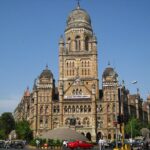
- Chhatrapati Shivaji Station and Rajabai Clock Tower: big sights, clear meanings
- Oval Maidan and Bombay High Court: cricket grass and British-era structure
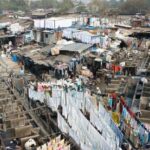
- Dhobi Ghat: watching laundry at work in open air
- Mani Bhavan, Jain temple, and Banganga tank: faith and local calm
- Kamala Nehru Park and the Hanging Gardens near the Tower of Silence
- Marine Drive and the South Mumbai art-and-heritage route
- Price and logistics: where the value shows up
- Who this tour fits best
- What I’d suggest you do before you go
- Should you book this Mumbai half-day guided tour?
- FAQ
- How long is the Mumbai half-day guided tour?
- Where do I get picked up and dropped off?
- Is lunch included?
- What’s included in the price?
- What language is the live guide available in?
- Can I cancel, and is there a pay-later option?
Key highlights worth marking on your map
- Gateway of India as the launch point with a quick look at the nearby Taj Mahal Palace area
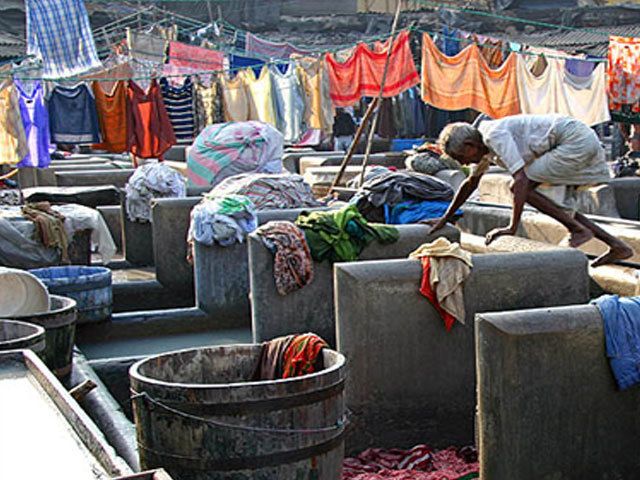
- Dhobi Ghat, Asia’s largest open-air laundry, seen in full working view
- UNESCO Chhatrapati Shivaji train station plus major university/clock-tower sights nearby
- Views from Kamala Nehru Park paired with the Hanging Gardens area near the Tower of Silence
- Marine Drive, the Queen’s Necklace, with plenty of photo opportunities for light and angles
- British-era landmarks across South Mumbai, from Rajabai Clock Tower to Kala Ghoda and modern art
Meeting your guide in Mumbai (and why it matters)
You’re picked up from your Mumbai hotel, then you’re sent off in an air-conditioned vehicle that’s built for moving through traffic without turning your day into a stress test. The timing is tight but not rushed in a chaotic way—there are break moments, photo stops, and a bit of breathing room so you can absorb what you’re seeing.
The tour is guided live in English, and you may also find it offered with a German-speaking guide. That language option matters in a city where street scenes can be fascinating but easy to misread without context.
And a big plus: the tour is personalized to your preferences, so it’s not just a fixed checklist with no room to steer. Guides with strong English skills show up a lot in the kind of feedback this tour earns, and you’ll feel the difference when someone is explaining what you’re actually looking at.
You can also read our reviews of more guided tours in Mumbai
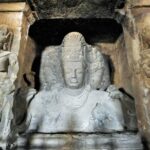

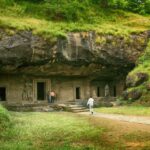
Gateway of India to Taj Mahal Palace: starting at the harbor story
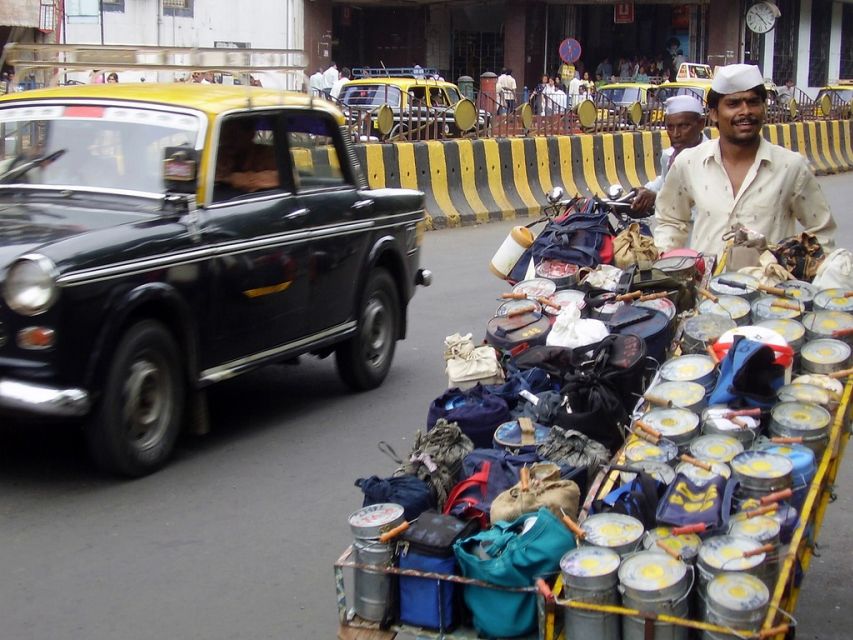
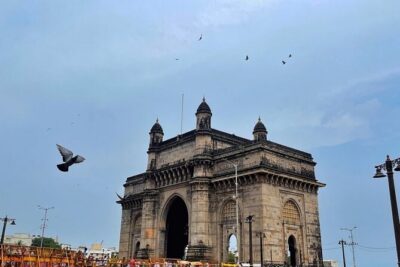
The tour begins at the Gateway of India, Mumbai’s go-to landmark for meeting the city on day one. It was built to welcome King George V and Queen Mary, and even if you’re not a “colonial architecture” person, the scale and setting do the job. You’ll be close enough to take photos that look like Mumbai postcards—but also close enough to understand that this is an active public space, not a museum exhibit.
Just around the corner is The Taj Mahal Palace Hotel, commissioned by Jamshedji Tata and first opened to guests on 16 December 1903. Even if you don’t go inside, it helps you connect the dots between the harbor-era grandeur and the city that grew up around it.
Practical note: you’ll likely spend only a short window at each key stop, so if you care about photos, do a quick sweep first—get your wide shot, then come back for details like the edges, the people flow, and the skyline lines.
Chhatrapati Shivaji Station and Rajabai Clock Tower: big sights, clear meanings
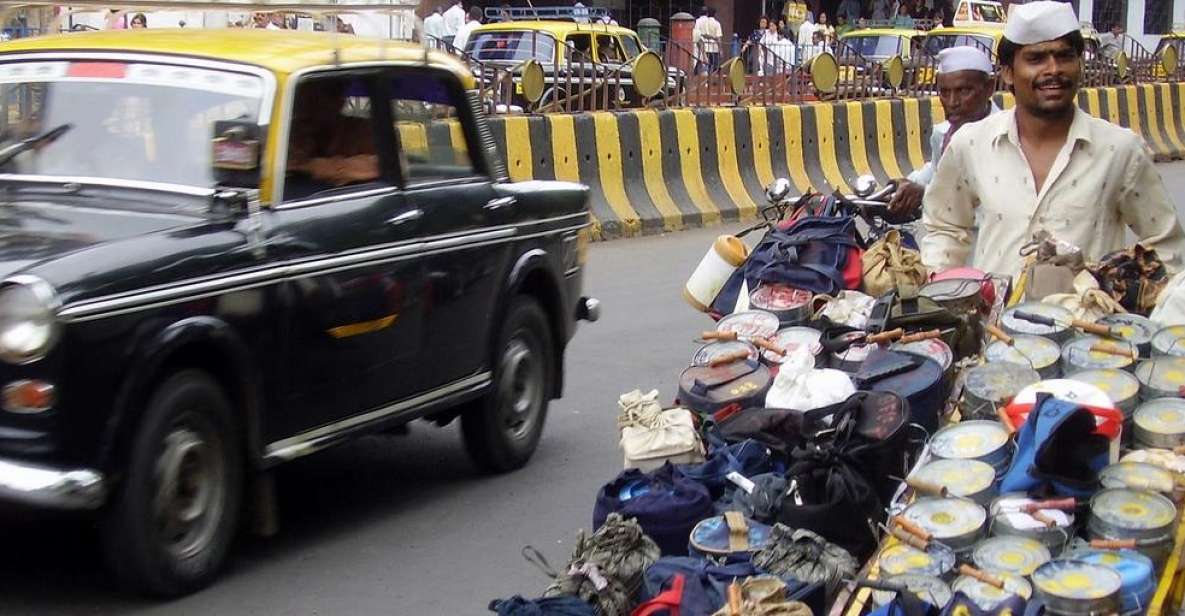
Next up is Chhatrapati Shivaji train station, a UNESCO World Heritage Site. This is one of those places where the design isn’t just decorative—it signals how important rail travel was (and still is) to Mumbai’s identity. Your guide’s job here is to turn the building from “pretty” into “understandable,” and that’s where the stronger guides tend to earn their praise.
From there you’ll pass Mumbai University and the Rajabai Clock Tower, often called the Big Ben of India. The nickname is useful because it gives you a mental anchor, but what you really want to notice is how the tower sits in the larger campus-and-street rhythm. It’s one of those urban landmarks that makes you feel like you’re looking at a city blueprint.
This section is also a good reality check for your expectations. In a few hours, you won’t cover every historic building in South Mumbai. But you will hit the ones that readers and first-timers use to orient themselves fast.
Oval Maidan and Bombay High Court: cricket grass and British-era structure
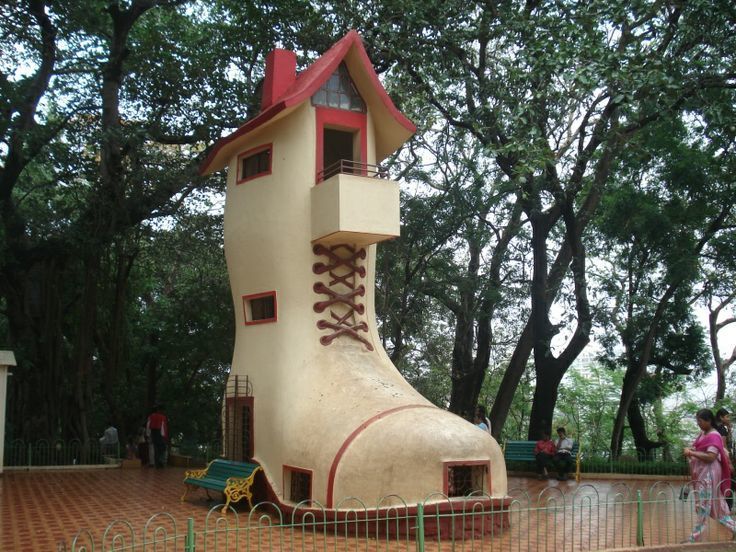
You’ll get views over Oval Maidan, where cricket is the most beloved sport in India. Even if you don’t know the exact field layout, it’s easy to grasp why this kind of open ground matters. It’s space for watching, gathering, and doing life out in the open.
Nearby is Bombay High Court, a British heritage building. The contrast is part of the fun: you move from a public sports space into a formal government institution, then out again into street-level Mumbai. A good guide helps you see how these spaces reflect power, ritual, and daily rhythm—without turning it into a lecture.
If you’re a photography person, this is a great stretch for quick wide shots that show architecture + street texture together. You don’t need a tripod. You just need a moment and a decent angle.
Dhobi Ghat: watching laundry at work in open air
Then comes the stop most people remember: Dhobi Ghat, described as Asia’s largest open-air laundry. It’s not staged. People work there in full view, and you’ll see the entire process as it happens around you.
Here’s why it’s a strong value add: most city tours show monuments. Dhobi Ghat shows a working system—how garments get washed, handled, and managed in public. It gives you a practical sense of how Mumbai keeps running, even when tourists are staring at the fancy buildings.
One consideration: this is real labor in an open environment, so keep your behavior respectful, don’t hover in anyone’s work zone, and be prepared for sensory intensity (noise, movement, and the everyday smell of work). If you’re sensitive, take it slow and step back when you need a breath.
You can also read our reviews of more tours and experiences in Mumbai


Mani Bhavan, Jain temple, and Banganga tank: faith and local calm
After the laundry scene, the tour pivots into quieter, more reflective stops. You’ll visit Mani Bhavan, Mahatma Gandhi’s residence in Mumbai. It’s a reminder that this city wasn’t only about empire-era buildings and big public monuments. Gandhi’s presence gives this part of the tour moral gravity and historical footing.
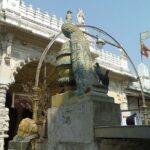
You’ll also see a Jain temple and Banganga tank. These stops work well because they don’t ask you to memorize facts. They ask you to notice practice—how religious and community spaces shape the look and feel of the streets around them.
If you want to get the most out of this stretch, don’t just snap photos. Look for small cues: where people pause, where they enter, what looks maintained, and what looks used daily. That’s the kind of detail your guide can point out without spoiling it.
Kamala Nehru Park and the Hanging Gardens near the Tower of Silence
Next, the tour climbs into viewpoint territory: Kamala Nehru Park for spectacular city views. You’ll also encounter the Hanging Gardens near the Tower of Silence area. Even if you don’t know all the layers behind the sites, the payoff is clear: you get a higher angle on the city that you can’t get from the street.
Views like this are worth it because they help you connect the earlier scenes. You started at the harbor. You moved through civic buildings and working neighborhoods. Now you can see how everything sits together—roads, roofs, and the density that makes Mumbai feel like a living machine.
Bring a mental checklist for these viewpoints:
- do one wide photo for context
- do one mid-shot for recognizable buildings
- then just watch the city for a few minutes
You’ll thank yourself later when you’re trying to remember what you saw.
Marine Drive and the South Mumbai art-and-heritage route
One of the best parts of the tour is the ride along Marine Drive, often called The Queen’s Necklace. Even from the vehicle, you can get a sense of the curve and the open-air waterfront mood. This is the stretch that helps Mumbai feel cinematic without you having to do anything except look.
Then you’ll see more British heritage buildings and institutions, including the Prince of Wales Museum, Maharashtra Police Headquarters, Flora Fountain and Hutatma Chowk, plus the Telegraph Office and the India Post Office Building. You’ll also pass through areas like Kala Ghoda, where the streets themselves feel like an outdoor gallery.
Two stops that add cultural texture:
- David Sasoon’s Library
- National Gallery of Modern Art
You’re not getting a full museum visit here, but you’re seeing the city’s art footprint in a way that helps you plan what you might do next. If you come away thinking, I want more art, your guide has essentially done the scouting work for you.
Price and logistics: where the value shows up
At $43 per person for about 4 hours, the big question is: what do you actually get for the money? Here’s the honest breakdown based on how the tour is structured.
You get hotel pickup and drop-off, transportation in an air-conditioned vehicle, and a professional guide. All fuel, driver allowance, tolls, taxes, and parking are included. You also get help that matters in busy places—like skip-the-ticket-line, where tickets apply. That saves you time and hassle, and time in Mumbai isn’t cheap.
What you don’t get is lunch, so plan to eat before or after. If you usually run hungry and cranky during walking days, I’d build in a snack plan. Even a short break can help you enjoy the next viewpoint instead of rushing through it.
If you’re short on time, this tour is strong because it hits a wide range of Mumbai in one go. If you have more days, it’s also useful as an orientation tool—you’ll know where you want to return later.
Who this tour fits best
This half-day works especially well if you:
- want a smart first pass through South Mumbai without researching every stop
- like a mix of architecture + real-life city scenes
- prefer a guide who can explain what you’re seeing in clear English
- value comfort during traffic with an air-conditioned car
It may feel less ideal if you:
- hate stop-and-go pacing
- want long time inside museums or religious spaces
- need a slow, unstructured walk with no tight schedule
What I’d suggest you do before you go
Pack for a city day. Comfortable shoes help because you’ll be walking and stopping often. Bring a small camera-ready setup, and if you’re sensitive to crowds, Dhobi Ghat is the section where you’ll want to manage your exposure.
Also, if you care about photo angles, ask your guide where to stand for the best views at places like Kamala Nehru Park and Marine Drive. A good guide doesn’t just explain. They help you frame.
Should you book this Mumbai half-day guided tour?
If you want a fast, high-value introduction to Mumbai that includes both landmark sights and everyday life, I think this is a solid yes. The best sign is the guide quality: people consistently praise guides for being attentive, flexible, and good at explaining what you’re actually looking at. You’ll likely come away with a city “map in your head,” not just a pile of photos.
If you’re the type who needs hours in one place to feel satisfied, then you might feel short-changed. But if you’re working with limited time and want the highlights done right, this tour is a practical choice.
FAQ
How long is the Mumbai half-day guided tour?
The tour lasts about 4 hours.
Where do I get picked up and dropped off?
You’ll be met in the lobby of your Mumbai hotel, and you’ll be dropped off back at your hotel at the end.
Is lunch included?
No, lunch is not included.
What’s included in the price?
The price includes transportation by air-conditioned vehicle, fuel/driver allowance/tolls/taxes/parking, a professional live guide, and a personalized itinerary that can accommodate your preferences.
What language is the live guide available in?
The tour is available with an English-speaking or a German-speaking guide.
Can I cancel, and is there a pay-later option?
Yes. There’s free cancellation up to 24 hours in advance for a full refund. You can also reserve now and pay later.