REVIEW · TEMPLE & SPIRITUAL TOURS
Private Guided Spiritual Walk in Banganga Hindu Temples
Book on Viator →Operated by M/s Khaki Tours · Bookable on Viator
Banganga at dusk feels like a secret. This private guided spiritual walk takes you around the Banganga Tank and into the Walkeshwar temple area, with stories that connect mythology, Mumbai history, and everyday faith in one easy stroll. I especially like the personalization of a private guide and how the route keeps the big ideas understandable, not lecture-y. The only real drawback to plan for is the walking and the steps around the tank—wear comfortable shoes.
Banganga Tank sits on the tip of Malabar Hill and is still alive with ritual life, not just sightseeing. You’ll walk the sacred precinct at a human pace, with your guide shaping the experience around what you care about—history, religion, symbolism, or just the how-and-why of it all. It’s also a practical option: the tour is about 2 hours, and it starts and ends near Walkeshwar Road in Teen Batti.
At $36.81 per person, it’s priced as a focused, short private experience rather than a half-day production. Banganga’s admission is free, and you’ll see why Walkeshwar is such a magnet for pilgrims—though one temple stop has an admission fee you should expect to cover yourself. If you like place-based storytelling, this is one of the easier ways to understand Mumbai beyond the usual photo stops.
In This Review
- Key things you’ll notice on this Banganga spiritual walk
- Banganga Tank and Walkeshwar: why this spot hits harder than you expect
- The walk around Banganga Tank: stepping into a living pilgrimage route
- Walkeshwar Temple Complex: stone shrines, meanings, and local etiquette
- Private guide storytelling: what makes this tour feel worth it
- Timing, meeting point, and how to plan your route in Mumbai
- Price and value: what you’re really paying for at $36.81
- Who this fits best—and who might skip it
- Should you book the Private Guided Spiritual Walk in Banganga Hindu Temples?
- FAQ
- How long is the private guided spiritual walk?
- Is this tour private or shared?
- Where does the tour start and end?
- Which places are included?
- Is admission included for Banganga and Walkeshwar?
- What is the price per person?
- How soon should I book?
- How do I receive the ticket?
- What is the tour rating?
- What happens if weather is poor?
Key things you’ll notice on this Banganga spiritual walk
- A private guide who can tailor the pace so you don’t feel rushed through sacred space
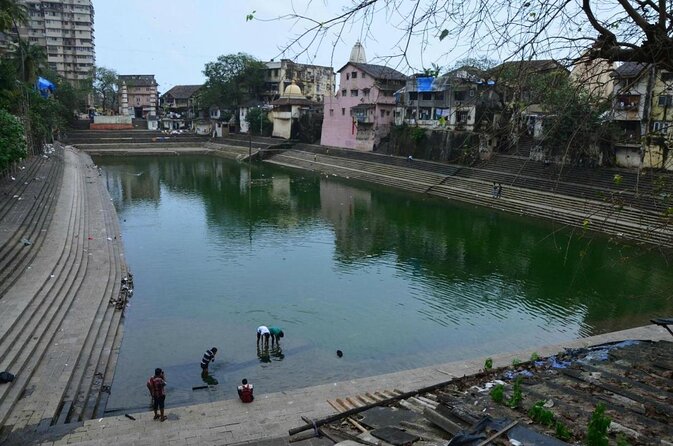
- Banganga Tank on a natural freshwater spring with steps and small temples around it
- Walkeshwar Temple Complex with stone shrines and lots of local custom to explain
- Storytelling that links faith and history (not just religious facts, but meaning)
- Short, efficient timing at roughly 2 hours, with a walkable route in South Mumbai
Banganga Tank and Walkeshwar: why this spot hits harder than you expect
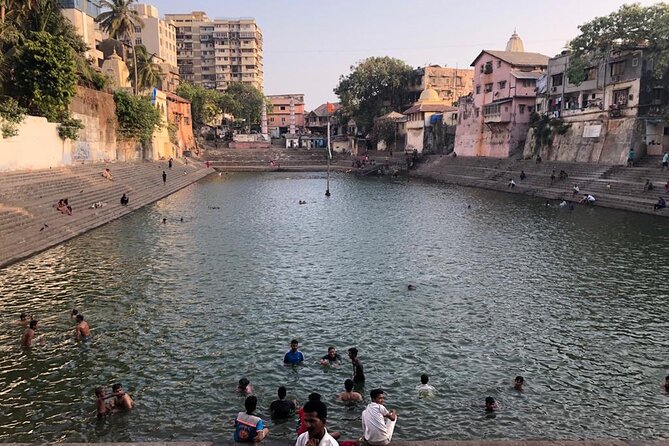
If you’ve only seen Mumbai from the road, Banganga surprises you fast. This is one of those places where the setting does some of the teaching: a sacred water body right in the middle of temple architecture, ringed by steps and small shrines, with a constant sense of routine devotion.
What makes it more than a scenic temple stop is the layered story your guide can explain in plain language. You get history tied to Mumbai’s oldest continually inhabited area, plus the spiritual role of the tank itself. You’re not just looking at stones—you’re learning why people keep returning here and what the space is meant to hold.
I also like that the vibe stays respectful and grounded. Several guide styles are mentioned across past experiences, but the theme stays consistent: thoughtful explanations, calm handling of customs, and a real effort to keep the pace manageable. That matters because sacred sites can feel confusing if you show up with no context—this tour gives you the context without turning it into a textbook.
You can also read our reviews of more walking tours in Mumbai
The walk around Banganga Tank: stepping into a living pilgrimage route
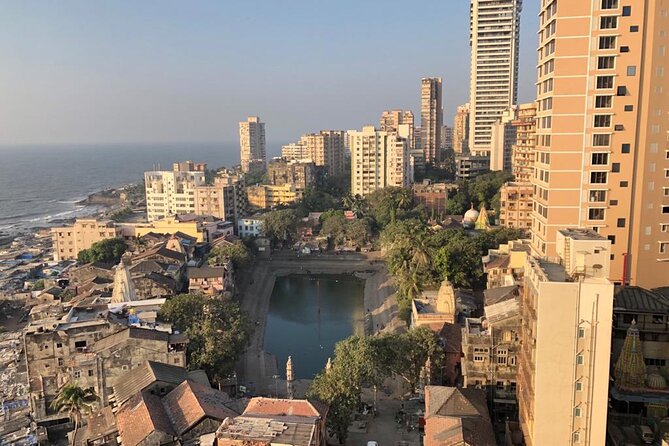
The core of this experience is the parikrama-style walk around Banganga Tank. The tank is described as a rectangular natural freshwater spring, and that shape isn’t just trivia—it affects how people move through the space, where attention goes, and why the surrounding steps matter.
Expect the walk to feel like guided orientation. Your private guide helps you notice details you’d miss on your own: how the tank sits within the holy district, how the steps act like a transition between everyday movement and ritual space, and how the nearby temple elements reinforce the sacred purpose of the water.
Timing is short at this first stop—around 10 minutes—but don’t let the clock fool you. In practice, guides often slow down at meaningful points to explain symbolism and local faith. The tank is the emotional center of the walk, so this is where the story usually clicks.
One practical note: the experience requires good weather. That’s because you’ll be outside and walking on uneven temple-area surfaces. If Mumbai weather is turning, plan to go only when conditions are suitable, or be ready to shift dates if the operator reschedules.
Walkeshwar Temple Complex: stone shrines, meanings, and local etiquette
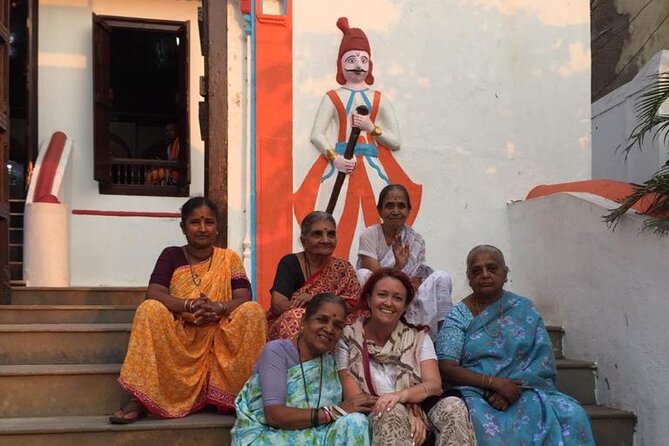
Right after Banganga, the route focuses on the Walkeshwar Temple Complex area. This is where the walk turns from sacred-water context into temple-and-shrine context—small stone temples and shrines that help explain how devotion plays out visually and spatially.
The stop is also brief—about 10 minutes—but the stories can expand quickly because the guide has a lot of interpretive material to connect. Past experiences highlight guide styles that mix mythology and faith with historical or cultural explanation. Some guides even bring in the reasoning behind certain practices in an approachable way, so you don’t leave with just names and dates.
Admission matters here. Banganga’s admission is listed as free, while Walkeshwar Temple admission is not included. So you should expect that you may need to pay for entry to at least one temple component, depending on what’s open and how the guide structures the visit.
Also watch your footing. Sacred precincts often have steps and narrow transitions. This isn’t a marathon; it’s still a “respect the space” walk. Comfortable shoes are the real MVP here.
Private guide storytelling: what makes this tour feel worth it
This is marketed as a private tour, and the private part is where you get real value. With only your group participating, your guide can adjust the route tempo and the story depth. That’s especially useful at a place like Banganga, where people can experience the site in very different ways: as history, as religion, as architecture, or as a living neighborhood ritual.
Across the guide mentions tied to this experience, you’ll see recurring strengths: passionate storytelling, careful attention to customs, and explanations that connect more than one way of looking at the same place. Names that show up include Mr. Vasant Sanzgiri, Sudhakar, Ajay, Ajay Hattangdi, Sonali, and Jimmy. Different guides, but a similar approach: they bring meaning to details so the walk stops feeling like a checklist.
One standout angle in the kind of commentary you’ll likely hear is the blend of spirituality with “how the area works.” Some explanations go beyond temples into how communities live around these sacred spaces, including the socioeconomics around the temples (like guest houses). That’s a big deal for value: you’re not only learning religion—you’re learning Mumbai’s human geography.
If you’re the type who likes trivia and stories that make architecture and rituals intelligible, this is the format that fits.
Timing, meeting point, and how to plan your route in Mumbai
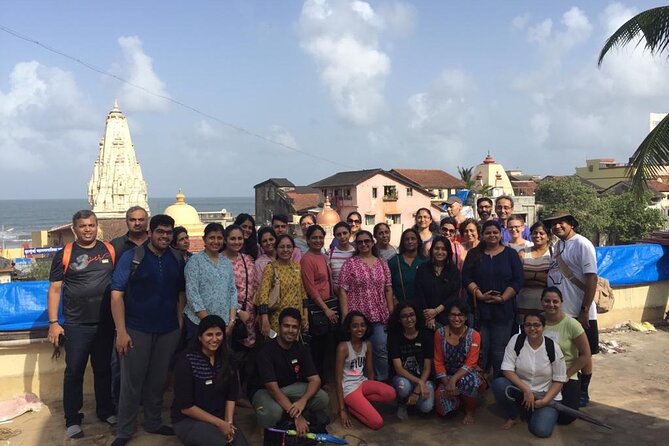
This tour runs for about 2 hours. The meeting point is very specific: Walkeshwar Rd, Teen Batti, Malabar Hill, Mumbai, Maharashtra 400006, India. Your guide leads you through the Banganga and Walkeshwar area, and the experience ends back at the meeting point.
Because it returns to the start, you can plan the rest of your day with less stress. If you’re pairing this with other South Mumbai sights, it’s easier to build around a loop-based plan.
It’s also noted as being near public transportation. That’s a practical advantage in Mumbai, where traffic and navigation can get annoying. You can keep the whole day simpler by using transit to reach Teen Batti / Malabar Hill and then walking the rest with your guide.
Walking level is generally “most travelers can participate,” but again: temple steps and a short outdoor route mean you should dress for mobility. If you have foot issues, treat this as a cautious step-up from flat-city sightseeing.
You can also read our reviews of more guided tours in Mumbai




Price and value: what you’re really paying for at $36.81
The price listed is $36.81 per person, and that sounds modest for a private guided walk in South Mumbai. What helps the value is the match between price and structure:
- It’s private, so you’re not paying for a crowd experience.
- The route is focused on two sacred points, with the tank as the core.
- Banganga admission is free, so you’re not paying twice just to enter the main spiritual area.
- You also get a mobile ticket, which keeps things simple on arrival.
There’s one cost consideration: Walkeshwar Temple admission is not included. That doesn’t make the tour overpriced, but you should budget for it so you’re not surprised at the door.
Booking timing is another value signal. On average, it’s booked about 6 days in advance, which suggests demand stays steady. If you’re traveling during popular times, booking earlier gives you more chance at the exact date and time you want.
Finally, private storytelling in a sacred zone is rarely “fast.” Even though the walk is about 2 hours, some groups experience it closer to 2.5 hours if the guide’s pacing includes extra explanation at key points. That’s not a problem—it’s the product working as intended. You’re buying time for context.
Who this fits best—and who might skip it
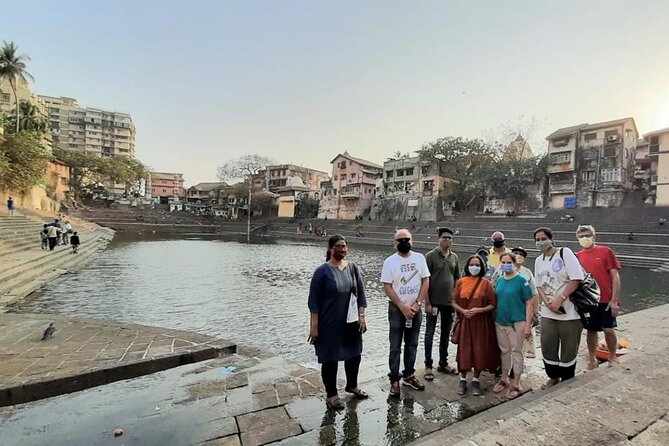
This walk suits you if you want spirituality with explanations you can actually use. You’ll get the best experience if you enjoy:
- understanding why a place matters (not just what it looks like)
- mythology and faith explained in plain, human terms
- history tied to the real geography of South Mumbai
It’s also a good fit for families and mixed-age groups because the format is short and guided. If you like respectful cultural immersion—without a heavy time commitment—this is a strong option.
You might consider something else if you want a long, wide-ranging sightseeing day. This is intentionally compact: two main stops, focused on Banganga Tank and the Walkeshwar temple area. Think of it as a “meaningful hour-and-change walk,” not a full tour of all Mumbai.
Should you book the Private Guided Spiritual Walk in Banganga Hindu Temples?
I’d book it if you want a shortcut to understanding Mumbai’s sacred South with a guide who can turn confusing details into a clear story. The private format keeps the experience personal, and the focus on Banganga Tank makes it feel like you’re standing at the spiritual center—not just passing by temples for photos.
Book it if:
- you care about history and local meaning
- you like calm, respectful storytelling
- you want a short, manageable outing near Malabar Hill
Skip it if:
- you’re not comfortable with steps and uneven temple-area walking
- you want admission-free temples only (since Walkeshwar admission isn’t included)
If the weather is cooperating and you’re open to learning through stories, this is the kind of tour that makes a sacred place feel understandable fast.
FAQ
How long is the private guided spiritual walk?
It lasts about 2 hours (approx.).
Is this tour private or shared?
It’s private. Only your group participates.
Where does the tour start and end?
The tour starts at Walkeshwar Rd, Teen Batti, Malabar Hill, Mumbai, Maharashtra 400006, India, and ends back at the meeting point.
Which places are included?
You’ll visit Banganga and the Walkeshwar Temple area within the Walkeshwar Temple Complex.
Is admission included for Banganga and Walkeshwar?
Banganga admission is free. Walkeshwar Temple admission is not included.
What is the price per person?
The price is $36.81 per person.
How soon should I book?
On average, it’s booked about 6 days in advance.
How do I receive the ticket?
You receive a mobile ticket.
What is the tour rating?
It has a 4.9 rating based on 271 reviews, with 99% recommended.
What happens if weather is poor?
The experience requires good weather. If it’s canceled due to poor weather, you’ll be offered a different date or a full refund.