REVIEW · DHARAVI SLUM TOURS
Mumbai: Dharavi Slum Walking Tour by First Female Tour Guide
Book on GetYourGuide →Operated by Mumbai Excursions · Bookable on GetYourGuide
Dharavi changes how you picture Mumbai. This 2 to 2.5-hour walking tour takes you through real, lived-in Dharavi life with a local first female guide, not a slideshow version of it. You’ll see the everyday systems that keep a massive community moving—work, education, commerce, and home life all in one loop.
I especially like the hands-on focus on how waste becomes income. The route is built around plastic, paper, aluminium recycling, and then branches into soap-making, cloth manufacturing, leather work, pottery, and more.
The main drawback to plan for is the emotional weight and the physical feel of the day. You are walking through dense streets and compact spaces at a steady pace, and some moments may feel uncomfortable if you came expecting a quick, neat sightseeing stop.
In This Review
- Key things that make this Dharavi walk worth your time
- Why this Dharavi walking tour beats the usual Mumbai checklist
- Third Wave Coffee meet-up: starting point and pacing for a smooth day
- Recycling and the local industry engine: what you’ll actually see
- From soap factories to leather and pottery: waste becomes products
- Schools, colleges, markets, and homes: seeing Dharavi as a community
- The first-female guides: why the person matters as much as the route
- How to keep things respectful (and enjoy the day)
- Price and value: what $5 buys you in Dharavi time
- Who should book this Dharavi walk—and who might not
- Should you book this tour? My take
- FAQ
- How long is the Mumbai: Dharavi Slum Walking Tour?
- What does the tour cost?
- Where does the tour meet?
- Is the tour led in English?
- Is bottled water included?
- What will we see during the walk?
- Is it a walking tour?
- Can I book a private group?
- What’s the cancellation policy?
- Is reserve now and pay later available?
- Does the tour include a guide?
Key things that make this Dharavi walk worth your time
- First female Dharavi guiding with stories that come from inside the community
- Recycling and manufacturing on the route (plastic, paper, aluminium, soap, cloth, leather, pottery)
- Small-group energy that helps you move together and ask questions
- Schools, colleges, markets, and residential areas so you see Dharavi as a neighborhood, not a label
- Ethical, impact-minded approach centered on real work and resilience
Why this Dharavi walking tour beats the usual Mumbai checklist
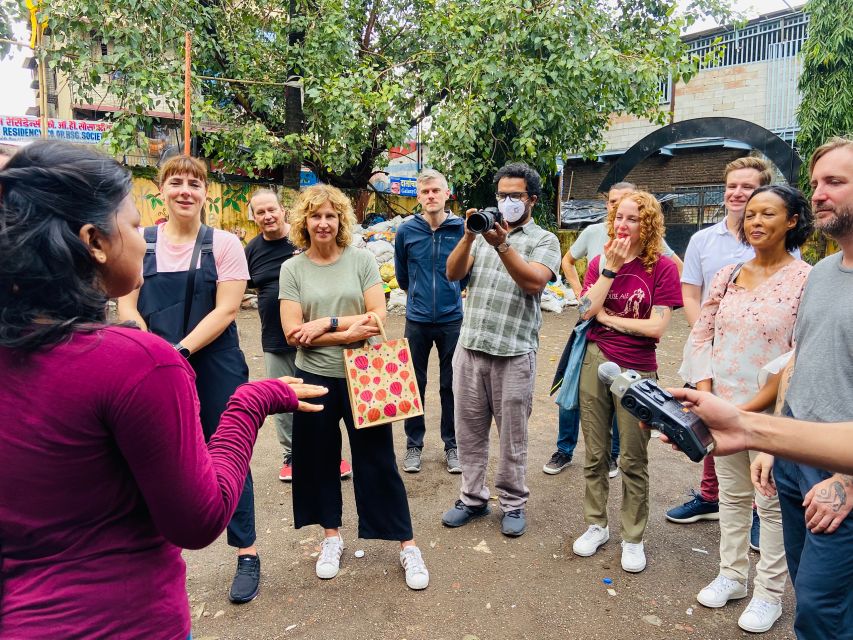
If your first instinct is to picture Dharavi as only poverty, this tour will correct that—fast. Dharavi is complicated. It’s also practical. The tour is designed to show you how people here handle work, learning, and community needs day after day, in places you would not easily find (or understand) on your own.
What I like most is the balance. Yes, you’re walking in an area many outsiders only discuss in one tone. But the walk keeps returning to systems: recycling, small industry, local services, and the places where people study and gather. You end up with a clearer mental model of how the neighborhood functions.
And timing matters. This is positioned as a smart thing to do early in your Mumbai stay, because it gives you context for what you’ll see later in the city—especially how Mumbai’s energy can be both harsh and ingenious. After this, other parts of the metropolis make more sense.
You can also read our reviews of more walking tours in Mumbai



Third Wave Coffee meet-up: starting point and pacing for a smooth day
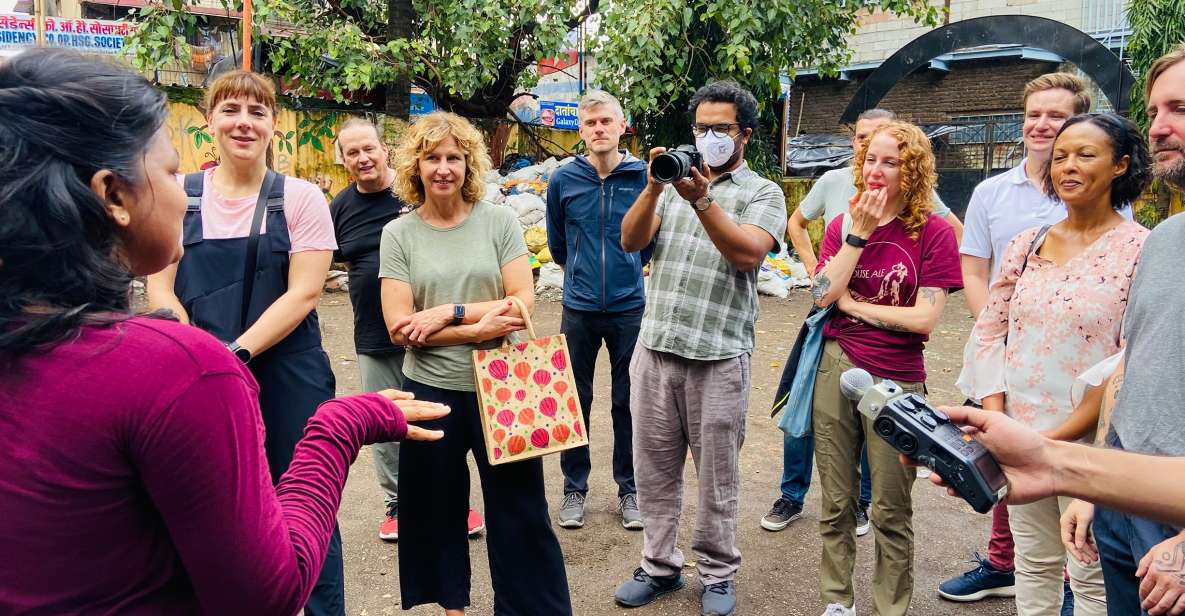
Your guide meets you outside Third Wave Coffee, which is a helpful anchor in a city where traffic and turns can eat your time. It’s also listed as a convenient meeting point, so you’re not wandering for a long time trying to locate a group in a crowded area.
The tour runs about 2 to 2.5 hours walking. That duration is short enough to fit into a first-day schedule, but long enough for the route to feel like a real loop rather than a brief drive-by. You’re not just passing factories from the street. The walk is structured so you get a connected sequence—work areas, commercial corners, and then places closer to everyday residential life.
You also get bottled mineral water, which sounds small, but it matters on foot in Mumbai’s heat. I’d treat it as part of your pacing plan: sip early, not at the finish line.
One practical note from experience patterns around Mumbai: if you’re arriving by car, plan extra time. Traffic can be rough, and the meeting point is described as being near a train option, which often makes planning easier.
Recycling and the local industry engine: what you’ll actually see
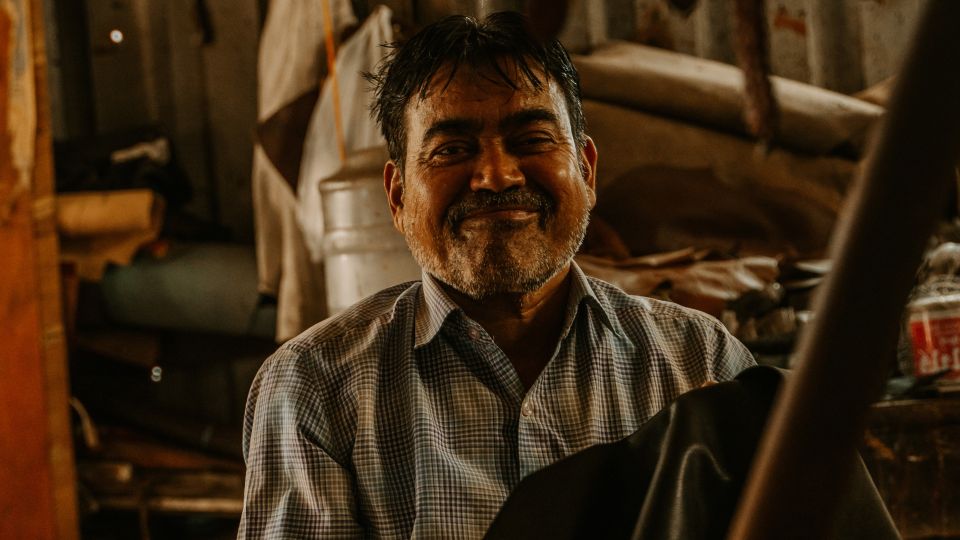
This is the heart of the tour. Dharavi here isn’t presented as an abstract idea. It’s presented as a working economy. You’ll walk past areas involved in plastic recycling, paper recycling, and aluminium recycling—and you’ll hear how material moves through the process in the real world.
Why this matters: recycling isn’t just “saving the planet” on a poster. It’s a job system. It’s how raw material gets sorted, handled, and turned into something useful again. On this tour, you’re watching that chain of work at human scale, with people who know what needs doing and how quality gets judged.
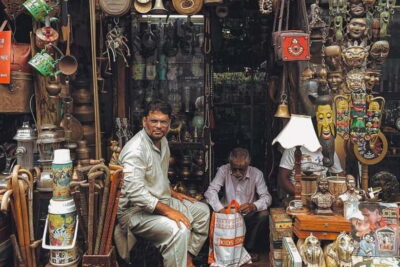
And the route doesn’t stop at one category. You’ll also pass related small businesses and workshops, which helps you understand why Dharavi can feel so industrious even when infrastructure is limited. The tour is built to show interconnected roles: people who process materials, people who package and sell, and people whose work depends on those flows.
If you like practical travel—seeing how daily life runs—you’ll enjoy this part. If you prefer only famous monuments, this section will feel less comfortable, but more honest.
From soap factories to leather and pottery: waste becomes products
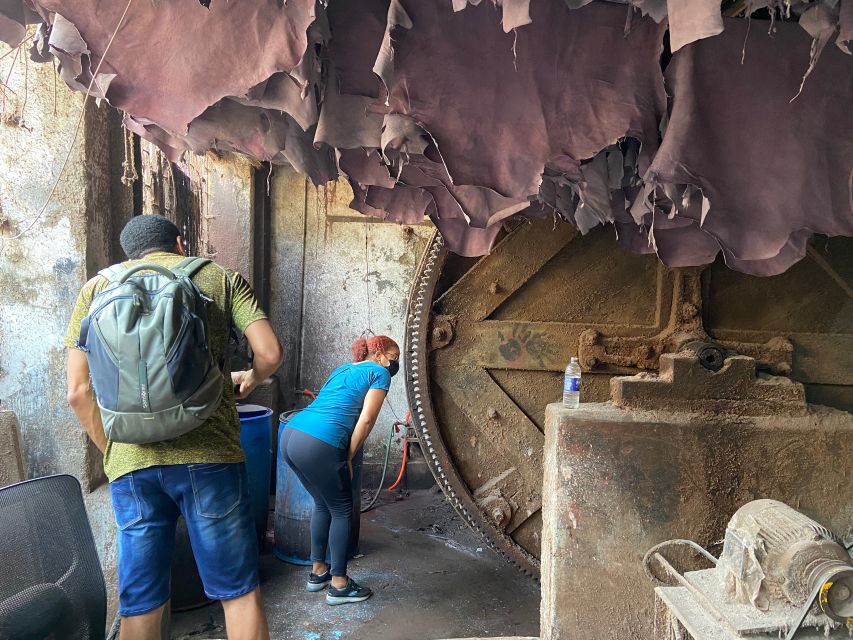
After the recycling stops, the tour expands into other manufacturing and craft work. You may see places tied to soap factories, cloth manufacturing, leather industries, and pottery. These aren’t just “look at the craft” moments. They’re part of the same story: how people make products, earn money, and keep skills in motion.
What I found especially useful from the descriptions is that the tour doesn’t treat these industries like curiosities. It frames them as part of Dharavi’s daily rhythm. You’re walking through areas that have specific needs, tools, and routines—so the neighborhood feels less like a single visual and more like a set of linked workplaces.
Also, the tour is built around what you wouldn’t find on Google. That’s where this style of guiding earns its price. You can read facts online, but it’s the route—what’s next to what, who appears where, and how the neighborhood breathes—that turns facts into understanding.
Keep your expectations grounded: you’re not touring a controlled museum space. You’re moving through a working area with real people and real schedules. A good guide helps you stay respectful while still giving you context.
Schools, colleges, markets, and homes: seeing Dharavi as a community
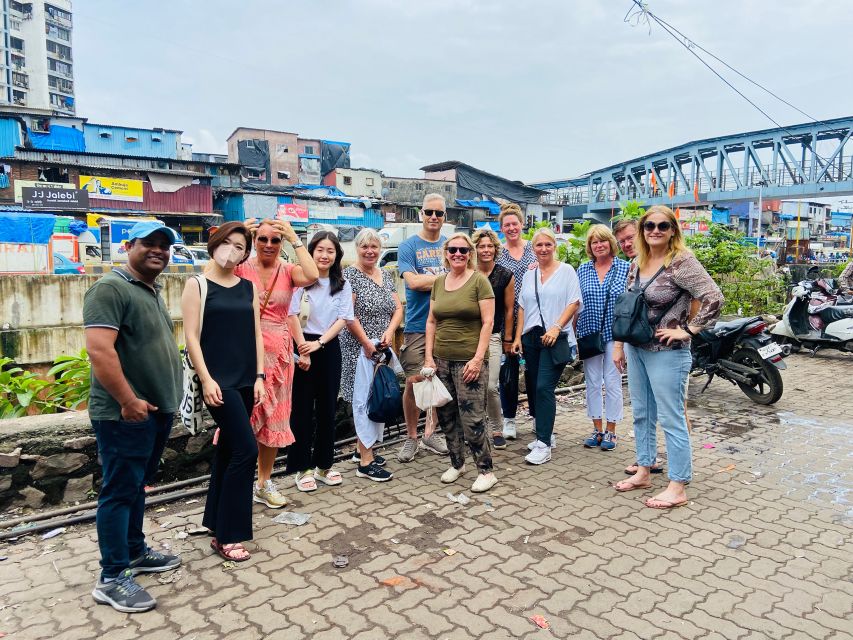
One reason this tour earns such strong ratings is that it goes beyond industrial zones. You’ll also see schools, colleges, markets, commercial places, and residential areas. That matters because Dharavi isn’t only work. It’s family life, learning, and local services.
In plain terms, stereotypes shrink when you can see education and everyday buying and selling. When you understand where young people study, where goods move, and where people spend time close to home, Dharavi stops feeling like a single label.
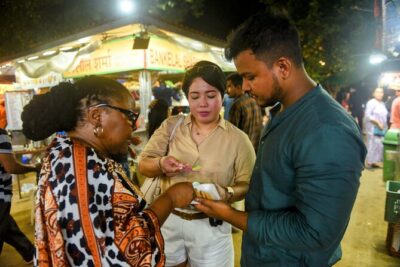
You’ll also hear unique transformation stories—the kind of personal narratives that are hard to find in generic overviews. The tour highlights human resilience, but it does it through the lens of lived experiences: how people adapt, rebuild, and keep going inside a place that outsiders often only describe from far away.
This is also a tour where questions are welcome. You’ll likely get help interpreting what you’re seeing on the ground—how roles connect, why certain businesses sit where they do, and how education and jobs interact in the neighborhood.
You can also read our reviews of more guided tours in Mumbai





The first-female guides: why the person matters as much as the route
This tour is led by a first female Dharavi guide, and that’s not a marketing detail—it changes the tone. The guides mentioned in booking feedback include Anu, Sneha, Pooja, Varsha, Anushka, Sarah, and Mahek. Across those names, a common theme is clear English, patience with questions, and a style that helps you feel safe and oriented while you walk through unfamiliar streets.
A few guide-specific traits that show up repeatedly:
- Staying on top of group movement so nobody gets separated easily
- Explaining details clearly, including how parts of Dharavi function
- Using humor without losing focus, which helps the heavier moments land more gently
- Sharing a personal, resident perspective that makes explanations feel grounded
I like this model because it reduces the “tour bus factor.” When the guide is local, you’re not just consuming information. You’re benefiting from a translator for context—someone who knows what’s appropriate to ask and how to frame what you’re seeing.
Also, the tour is described as a small-group experience by locals only, which usually means more time for conversation and fewer people crowding the same viewpoints.
How to keep things respectful (and enjoy the day)
Dharavi is active and close-quarters. That means your behavior matters. I’d treat this like an etiquette-forward neighborhood walk, not a photo safari.
A few practical ways to keep it smooth:
- Ask before taking close-up photos, especially of people at work or in transit
- Keep your camera use brief and purposeful
- Expect the guide to decide pacing; follow it instead of trying to sprint ahead
- Use the time to ask questions about how work and education connect
This tour can also bring up feelings fast. Even when it’s handled with care, you’re seeing a community that survives and builds with limited resources. If you’re someone who gets overwhelmed easily, plan to take breaks when the guide offers them and keep your day emotionally paced.
You’ll likely hear stories and learn facts about daily struggles and hopes. I’d give the stories space to land. Don’t rush to summarize them in your head. The point is to leave with understanding, not just reactions.
Price and value: what $5 buys you in Dharavi time
At $5 per person for roughly 2 to 2.5 hours, this tour is priced like a bargain. But the real value isn’t just money—it’s access to explanation.
You’re paying for:
- A local guide’s real-world interpretation
- A route through parts of Dharavi you likely wouldn’t navigate safely alone
- Visits that connect recycling, manufacturing, schools, markets, and residential areas
- Bottled mineral water for the walk
For your budget, this is one of those rare experiences where the cost doesn’t match the effort and context you get. In Mumbai, other paid experiences can be expensive and still feel surface-level. Here, the guide is doing the heavy lifting: translating the place into something you can actually understand.
One caution on value: cheap tours can sometimes mean rushed groups or generic stopping points. That’s not the vibe here based on the consistently high ratings and repeated comments about guides managing the group, answering questions, and making the walk feel informative and human.
Who should book this Dharavi walk—and who might not
This tour is ideal if you want:
- A real neighborhood experience on your first Mumbai day
- Industrial and social context, not just sightseeing
- A human-story approach to understanding places
- An English-speaking guide with a resident perspective
It’s also a good fit for curious solo travelers, couples, and small groups who like to ask questions and walk at a steady pace.
Who might pause:
- If you dislike walking or tight spaces, this may feel physically challenging
- If you need a low-emotion, low-stress outing, this can be intense
- If you want only famous landmarks, this won’t match that style
I’d still say the tour is worth it for most open-minded travelers who can handle respectful, grounded reality.
Should you book this tour? My take
Book it if you want your Mumbai day to mean something beyond photos. This walk connects recycling, work, education, and daily life through a guide who knows the area from the inside. The $5 price makes it easy to justify, but it’s the route and the guiding style that make it stand out.
I’d only skip if you’re not up for walking through a real community or you strongly prefer sanitized, monument-only sightseeing.
If you book, go with curiosity, be respectful with photos, and come prepared to learn how Dharavi works—not just how it looks.
FAQ
How long is the Mumbai: Dharavi Slum Walking Tour?
The tour lasts about 2.5 hours (the details say 2 to 2.5 hours, and you can check availability to see starting times).
What does the tour cost?
It’s listed at $5 per person.
Where does the tour meet?
Your guide meets you outside Third Wave Coffee. If you can’t find your guide, you should contact the organizers.
Is the tour led in English?
Yes. The live tour guide speaks English.
Is bottled water included?
Yes. Bottled mineral water is included.
What will we see during the walk?
You’ll walk through areas including recycling (plastic, paper, aluminium), soap factories, cloth manufacturing, leather industries, pottery, schools, colleges, markets, and residential and commercial areas.
Is it a walking tour?
Yes. It’s a walking tour through Dharavi.
Can I book a private group?
Private group options are available.
What’s the cancellation policy?
You can cancel up to 24 hours in advance for a full refund.
Is reserve now and pay later available?
Yes. The listing includes reserve now & pay later.
Does the tour include a guide?
Yes. A live tour guide is included.