REVIEW · DHARAVI SLUM TOURS
Mumbai Sightseeing with Dharavi Slum
Book on Viator →Operated by Dynamic Mumbai · Bookable on Viator
Mumbai hits hard, then teaches you fast. What makes this tour stand out is the pairing of major sights with a real, on-the-ground look at Dharavi led by Nikesh, who brings personal insight and a calm, safety-first approach. I love the strong contrast: grand landmarks like the Gateway of India and the UNESCO Chhatrapati Shivaji Terminus side-by-side with everyday work and home life in one of Asia’s largest slums. I also like how the day is guided with care, not just sightseeing. The one drawback to plan for: Dharavi is not a casual photo stop, so you’ll want to keep your questions respectful and accept a more serious tone.
You’ll ride in an air-conditioned vehicle, and this is a private setup for up to three people, which keeps the pace comfortable and questions actually get answered. Pickup is offered, and the tour runs within daily hours from 7:00 AM to 6:00 PM, so you can usually fit it around your other plans.
If you like Mumbai for what it is, not what a postcard promises, this is a great day. It suits solo travelers too, especially if you want a guide who makes you feel looked after while still showing you the city’s real textures.
In This Review
- Key highlights to know before you go
- A 6-hour Mumbai loop that doesn’t feel like a checklist
- Gateway of India and the Taj Mahal Palace Hotel: the “welcome” and the message
- Chhatrapati Shivaji Terminus (CST): the UNESCO stop that feels like a movie set
- Mani Bhavan Gandhi Museum: the local place where history got personal
- Dhobi Ghat: laundry work you can’t unsee
- Entering Dharavi the right way: work, home life, and respectful questions
- Colonial-era Mumbai by car: universities, courts, clocks, and coastal viewpoints
- Price and value: $250 for up to 3 people (and why that can be a smart deal)
- What the day feels like in practice
- Who should book this tour?
- Should you book Mumbai Sightseeing with Dharavi Slum?
- FAQ
- How long is the Mumbai Sightseeing with Dharavi Slum tour?
- How much does the tour cost?
- Is pickup available, and where do we meet?
- What type of ticketing do I get?
- What is included in the price?
- Is lunch included?
- Do I need to pay admission for Dharavi and Dhobi Ghat?
- Is this tour private or shared?
- Can I cancel for a full refund?
Key highlights to know before you go
- Nikesh-led Dharavi walk: personal perspective on how people work and live
- UNESCO Chhatrapati Shivaji Terminus (CST): a short stop with big payoff
- Gandhi at Mani Bhavan: a focused museum visit that adds context
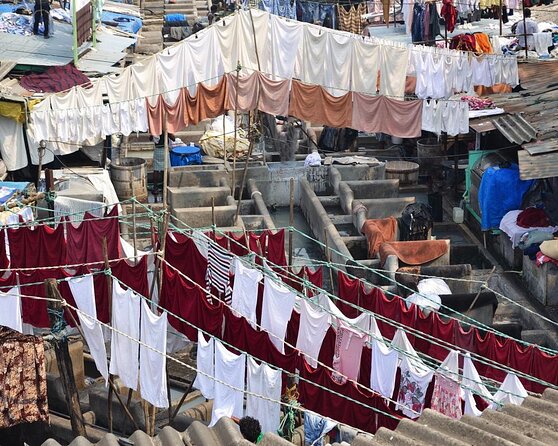
- Dhobi Ghat open-air laundry: watch daily labor in full view
- Colonial-era Mumbai landmarks: British heritage stops plus scenic coastal drives
A 6-hour Mumbai loop that doesn’t feel like a checklist

This tour is designed as a tight loop with two moods. First comes the Mumbai many first-timers expect: monumental waterfront views, train-station grandeur, and British-era architecture. Then the day turns. After Dhobi Ghat, you head to Dharavi for a walking look at daily life, work, and community rhythms.
The schedule is long enough to feel like a full outing—about 6 hours—but it avoids the all-day trap where you start rushing every stop. Most admissions are light-touch: some places are free, and key museum/heritage sites are handled with included tickets.
You’re traveling in a private group (up to three), so you can ask follow-ups without competing for attention. That matters in a day like this, because the best parts aren’t the building photos. They’re the explanations—how and why things look the way they do.
You can also read our reviews of more tours and experiences in Mumbai.


Gateway of India and the Taj Mahal Palace Hotel: the “welcome” and the message
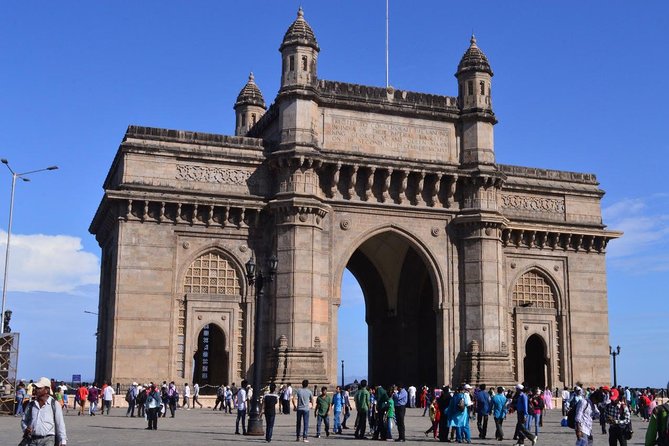
You’ll start with a classic Mumbai pairing: Gateway of India and the nearby Taj Mahal Palace Hotel. The Gateway was built to welcome King George V and Queen Mary into India, and seeing it in person gives you a sense of how public architecture once tried to frame power, empire, and arrival.
Even if you’re not a “stand and stare” person, spend a few minutes here. The location is a big reason: the Gateway and the Taj sit next to each other, which makes it easy to compare how different buildings tell different stories. The Gateway is all ceremony and stone. The Taj is all identity and style.
Practical tip: plan for photos, but don’t get stuck here. You’ll want your energy for the later stops that land more emotionally.
Chhatrapati Shivaji Terminus (CST): the UNESCO stop that feels like a movie set
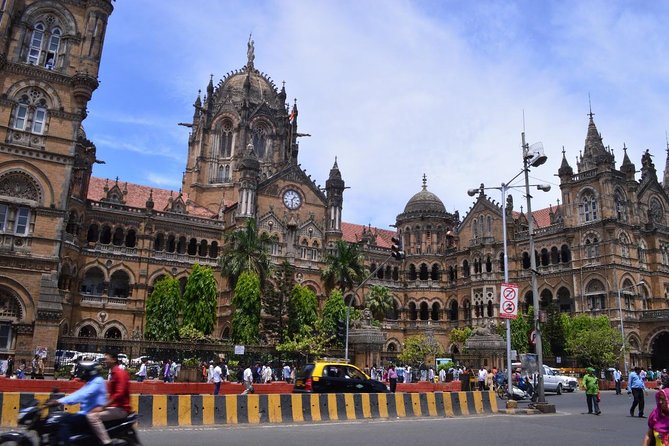
Next up is Chhatrapati Shivaji Terminus (CST), a UNESCO World Heritage train station. With only about 15 minutes here, you won’t see everything in an endless wander, but you can still get the big idea: this is not a plain transit hub. It’s a showpiece.
This kind of heritage is easier to appreciate with a guide because they can point out what you might otherwise miss—how a train station became a public landmark, how the building language signals importance, and how this space fits into Mumbai’s daily motion.
If you care about architecture, you’ll enjoy this stop even in a short time. If you’re more into street life, treat CST as a contrast marker: it’s the city’s speed and grandeur in stone.
Mani Bhavan Gandhi Museum: the local place where history got personal

One of the most meaningful stops is Mani Bhavan Gandhi Museum. Gandhi lived there for 17 years, from 1917 to 1934, and the time span is what makes the visit click.
Even when you only have around 30 minutes, this museum is the kind of stop that changes the rest of the day. You start noticing how Mumbai’s layers overlap: colonial-era buildings, political movements, and the city’s evolving identity. It’s a shift from “look at the buildings” to “think about the people behind the buildings.”
You’ll get admission here as part of the tour, which saves you the small hassle of figuring out ticketing on the spot.
Dhobi Ghat: laundry work you can’t unsee
Then comes Dhobi Ghat, described as the world’s largest open-air laundry. About 20 minutes is enough to see what’s happening, take in the scale, and understand why this is one of Mumbai’s most recognizable everyday scenes.
What I like about this stop is that it’s not staged in the way many “cultural attractions” are. It’s a working space. Clothes are washed in full view of the public, so you’re watching real labor, not a performance.
The practical tradeoff: it can be busy and visually intense. If you’re sensitive to crowds or strong smells, give yourself a little time to adjust and keep your pace calm. Also, take photos only when it feels appropriate in the moment.





Entering Dharavi the right way: work, home life, and respectful questions
The heart of this day is the Dharavi slum walk—about two hours with a guide. You walk through Dharavi to see how people work and live in one of Asia’s largest slums, and you talk about what you’re seeing instead of just ticking off sights.
This is the part where Nikesh stands out. In the experiences shared with this tour, his living connection to the area comes through in the way he explains daily life and the logic behind the spaces. He’s also described as humorous and approachable, which helps a serious subject feel more like a conversation than a lecture.
Still, go in with the right mindset. You’re stepping into someone’s neighborhood. Keep these guidelines in your head:
- Ask what you’re truly curious about, not what will make a good Instagram shot
- Stay aware of personal space and privacy
- Don’t treat hardships like entertainment
If you do that, Dharavi won’t just feel “interesting.” It will feel real—and that’s the point.
Colonial-era Mumbai by car: universities, courts, clocks, and coastal viewpoints
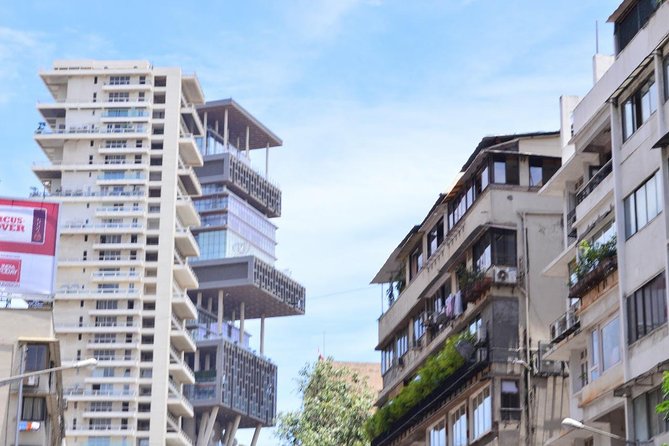
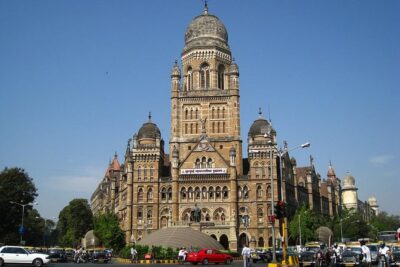
Between the major stops, the tour weaves in a set of landmarks that explain Mumbai’s British-era influence. The overview includes sights like Mumbai University (built in 1857), Rajabai Clock Towers (Big Ben of India), Bombay High Court, and the Bombay Municipal building.
You’ll also drive past Marine Drive and Chowpatty Beach, plus viewpoints like Kamala Nehru Park for skyline views and the recognizable old woman’s shoe detail. Another included visual stop is Hanging Gardens, built on top of water tanks near the Tower of Silence (Parsi burial place). The tour also mentions Oval Cricket Ground, famous for being tied to India’s most beloved sport.
And then there’s Watson’s Hotel ruins: it’s presented as the story of Tata being refused entry and so building the Taj Mahal Hotel. That kind of origin story helps you see the Taj not as a random luxury building, but as a response to a very real moment.
None of this is meant to replace actual neighborhood wandering. It’s more like the guided “map in motion,” giving you cultural context while you move efficiently between the places that matter most.
Price and value: $250 for up to 3 people (and why that can be a smart deal)
At $250 per group (up to 3), this isn’t a budget “hop-on, hop-off” product. It’s a private guided experience, and the value comes from three big areas.
First, you get an air-conditioned vehicle plus time spent efficiently covering major sights. In Mumbai, that matters. Second, the tour handles admissions/tickets for key stops (CST and Mani Bhavan are included), while other locations like Gateway of India and Dharavi are free. Third, the guide’s approach is part of the product. A Dharavi walk without trust and context can feel like a stunt. With a guide like Nikesh, it’s framed as real-life understanding.
If you’re traveling solo, you might compare it to the cost of hiring a guide and transport separately. If you’re two or three people, private value gets better fast.
One more note: this tour is often booked about 24 days in advance on average. If your dates are firm, don’t wait too long.
What the day feels like in practice
The best way to think of the timing is this: you start with landmark Mumbai, then move through heritage and everyday city scenes, and you end with a serious, human-focused experience.
The tour includes:
- pickup offered, with start at Café Coffee Day (Unit No. 58, Ground Floor, Ram Mahal Building, Senapati Bapat Marg, Mahim area)
- a mobile ticket
- private group format
- air-conditioned vehicle
- all fees and taxes
Lunch isn’t included, so you’ll want to plan your eating around the six-hour window. If you’re the type who needs food at set times, consider grabbing something before you meet.
Who should book this tour?
Book it if you want:
- a single-day plan that covers both iconic Mumbai and real neighborhood life
- a private guide who can answer questions in a thoughtful way
- a mix of architecture, political history, and everyday scenes like Dhobi Ghat
Skip it if:
- you’re uncomfortable with serious social realities and a more reflective pace
- you want a lighter, mostly-photo-focused day
- you don’t do well with crowded working spaces (Dhobi Ghat can be intense)
If you’re a first-timer, this tour helps you get your bearings fast. If you’ve been in Mumbai for a few days, it still works because it connects the dots between empire-era buildings, Gandhi’s presence, and life at street level.
Should you book Mumbai Sightseeing with Dharavi Slum?
I think this is worth booking if your goal is understanding, not just sightseeing. The strongest reason is the way the day pairs famous landmarks with Dharavi through a guide like Nikesh, who brings lived context and a respectful tone. You’ll walk away with a Mumbai that feels more human and less generic.
Before you book, set expectations: it’s a structured day with a few short, efficient heritage stops and one longer, meaningful walking segment. If that matches your travel style, you’ll likely feel the time was used well.
If you want the city’s scale and contradictions in one go, this is a solid choice.
FAQ
How long is the Mumbai Sightseeing with Dharavi Slum tour?
It lasts about 6 hours (approx.).
How much does the tour cost?
It costs $250.00 per group (up to 3 people).
Is pickup available, and where do we meet?
Pickup is offered. The start point is Café Coffee Day, Unit No. 58, Ground Floor, Ram Mahal Building, Senapati Bapat Marg, Mahim area in Mumbai, and the tour ends back at the meeting point.
What type of ticketing do I get?
You’ll receive a mobile ticket.
What is included in the price?
Included are an air-conditioned vehicle and all fees and taxes. Admission is included for Chhatrapati Shivaji Terminus (CST) and Mani Bhavan Gandhi Museum.
Is lunch included?
No, lunch is not included.
Do I need to pay admission for Dharavi and Dhobi Ghat?
Dharavi and Dhobi Ghat are listed as free admission for this experience.
Is this tour private or shared?
It’s private. Only your group participates.
Can I cancel for a full refund?
Yes. You can cancel up to 24 hours in advance for a full refund. If you cancel less than 24 hours before the start time, the amount paid is not refunded.