REVIEW · DHARAVI SLUM TOURS
Private Dharavi Slum Photography Tour With Pickup
Book on Viator →Operated by Young Tours And Travel · Bookable on Viator
A camera turns assumptions into questions. This private Dharavi photography tour is built around how people actually live and work in Mumbai’s tightest pocket of industry, schools, hospitals, and homes. You’re not just looking at an area—you’re learning how to see it, and how to photograph it the right way.
I especially like the local guide angle: the tour team is from Dharavi, so you get practical context that outsiders often miss. I also like that the experience mixes Dharavi with a short craft stop in Kumbharwada, so your photos cover both daily life and the skills that sustain family businesses.
One drawback to keep in mind: a small number of past guests complained about the tour ending sooner than the advertised time. If you’re coming with a strict schedule, I’d confirm the expected 3–4 hour window before you go, even if the plan is clearly described.
In This Review
- Key things to know before you go
- Entering Dharavi: a real city, not a photo backdrop
- What the 2-hour Dharavi photo walk feels like
- Kumbharwada pottery village: where craft shapes space
- Pickup and meeting points: getting there without stress
- Price and value: $14 is a bargain, but verify the time
- Safety, respect, and the community-first angle
- Your guide matters: when Sahil’s approach is the difference
- Who this tour is best for
- Should you book this Dharavi photography tour?
- FAQ
- What is the duration of the Dharavi photography tour?
- How much does the tour cost?
- Is this tour private or shared?
- Does the tour include pickup?
- Where do I meet the tour?
- Where does the tour end?
- Is there free cancellation?
Key things to know before you go
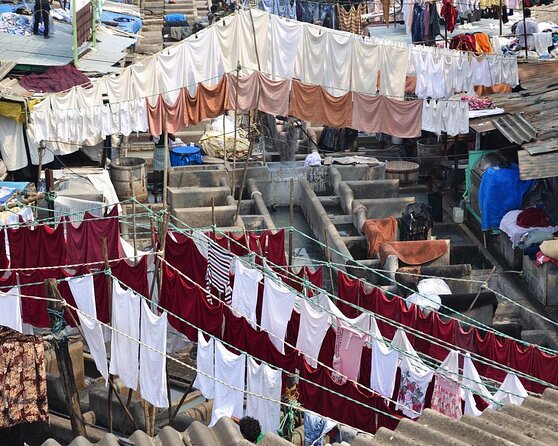
- Dharavi is a whole mini-city: over 1 million people, schools, hospitals, factories, and more in about 2.7 sq km.
- Guides are from Dharavi: you’ll get local perspective on daily life and photo moments.
- Kumbharwada pottery stop: you’ll see how stages of making pots shape the workspaces.
- Private tour for your group: only your group participates, which can help with pacing and questions.
- Free entry for the stops: the Dharavi and Kumbharwada segments list admission tickets as free.
- Price is low, but time matters: one negative review flagged a shorter-than-expected walk, so manage expectations.
Entering Dharavi: a real city, not a photo backdrop
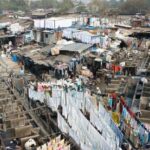
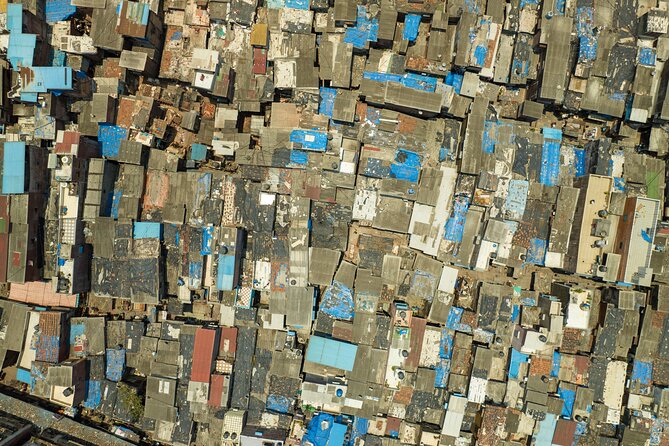
Dharavi gets called a slum, but the tour frames it as something more specific: a dense urban area that functions like a city. In roughly 2.7 sq km, there’s a population of more than 1 million, plus schools, public and private hospitals, playgrounds, theatres, and over 1,500 single-room factories.
That matters for your photos. Instead of only chasing dramatic street scenes, you’re looking for patterns: workshops tucked into small spaces, daily routines, and how communities organize work and school life side by side. If you’re the type who likes photographing systems—food prep, manufacturing, school mornings—this tour gives you that structure.
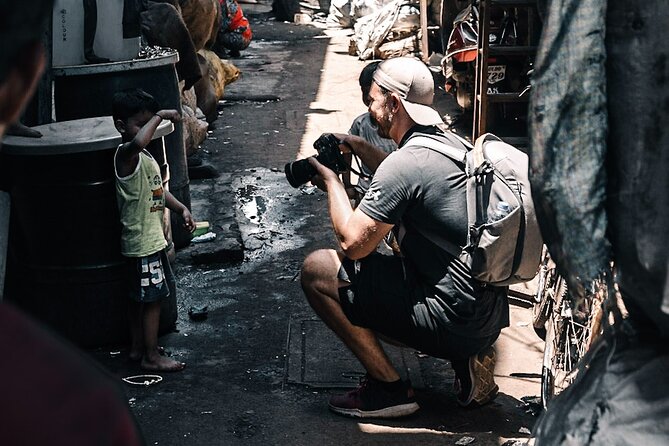
It also changes how you should behave. When you’re inside a working community, your camera becomes a request, not a right. A local guide helps you ask the right questions and notice the moments that feel normal to residents, not staged for visitors.
You can also read our reviews of more private tours in Mumbai
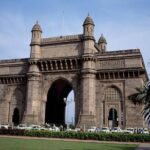
What the 2-hour Dharavi photo walk feels like
The main block is about 2 hours in Dharavi. The goal isn’t to race through alleys; it’s to slow down long enough to understand what you’re seeing and how to capture it respectfully. You’ll likely spend time moving between areas where work and home overlap—exact routing isn’t detailed, but the tour’s emphasis is on day-to-day life and photography.
Here’s what you can expect your guide to bring to the table. The operator’s pitch is clear: guides from Dharavi share firsthand understanding of challenges and beauty, including the realities behind the labels people outside apply. That kind of context tends to produce better photos because you stop looking only for shock value and start looking for meaning.
Practical tip: in a place this dense, you’ll want your camera ready, but your approach calm. If someone looks hesitant, pause. A good guide will help you read the room and decide what’s appropriate to photograph.
Kumbharwada pottery village: where craft shapes space
The second stop is Kumbharwada, a pottery-making area tied to migrant communities from Gujarat who arrived in the late 19th century. The tour highlights that this isn’t just a craft demo; it’s about how families organized spaces to keep skills alive across generations.
This part is short—about 20 minutes—so you’ll want to come prepared to photograph quickly. The tour’s focus is on the stages of creating pots and how each stage affects the spaces around it. That’s great for photography because you’re not only capturing finished ceramics; you’re capturing workflow—hands, tools, materials, and the sequence that turns raw inputs into usable forms.
If you like “process shots,” this stop fits your style. Try to grab images that show cause and effect: where clay sits, where shaping happens, and where the finished items are displayed. Those details can tell the story even if a photo can’t explain every step.
Pickup and meeting points: getting there without stress
The tour includes pickup offered, but you also get a clear start point. The listed meeting location is Third Wave Coffee, Tip Road, Unit no. 58, Ground, Ram Mahal, Senapati Bapat Marg, Marinagar Colony, Station, Mahim, Mumbai, Maharashtra 400016.
The ending point is near Kumbharwada as well, at the operator’s office: Young Tours & Travel, 90 Feet Rd, Muslim Nagar, Kumbhar Wada, Dharavi, Mumbai, Maharashtra 400017. The tour info also notes that from this office you can get local transportation easily.
Why this matters: Dharavi’s streets can be confusing at first, especially if you’re trying to arrive early. Having both an exact start and an office-based finish helps you avoid the classic India-travel problem of wandering while you wait for a pickup that’s hard to locate.
Timing-wise, the tour is described as 3 to 4 hours (approx.). The schedule includes 2 hours in Dharavi plus a short craft stop, so you’re getting a compact plan that’s designed to be practical rather than all-day sightseeing.
Price and value: $14 is a bargain, but verify the time
The price is listed at $14.00 per person, which is genuinely low for a private photography tour with pickup. The experience also lists mobile ticket access and group discounts, which can make it even easier to justify if you’re traveling with friends.
That said, one caution comes from the information you have available. A negative review described a situation where the tour ended after a little more than 1 hour, with the guest feeling the session didn’t match the advertised 3–4 hour plan. That person labeled the booking as a scam, which is harsh language, but it does raise a real question for you: will your session run the full time?
My practical advice: before booking, confirm what “3–4 hours” means for your exact start time and whether the tour always includes both Dharavi and Kumbharwada. If a tight schedule is your thing, I’d treat the time estimate as something to verify, not something to assume.
Also, be aware that “private” can mean different group sizes across operators. Here, the data says only your group participates, which usually helps the pacing. Still, ask yourself whether you want a quick photo tour or a slower learning-focused walk. If you want more instruction, more time is your friend.

Safety, respect, and the community-first angle
The tour information puts safety first, saying the operator takes precautions to keep visitors comfortable throughout. In a place as busy and dense as Dharavi, that’s not a throwaway line. It typically means your guide handles movement through crowded areas and keeps you on a route that makes sense for visitors.
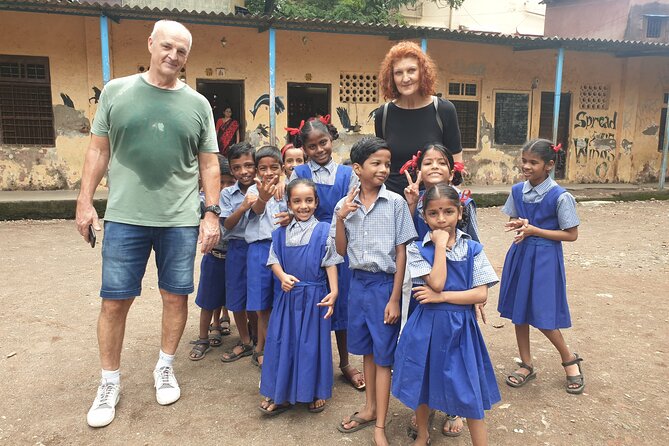
There’s also a strong community support message. The operator says guides are local students who work with the tour, and that the company’s commitment includes supporting the community through an NGO. Even if you only take this as a trust signal, it helps explain why a guide from Dharavi is central to the experience.
Why this helps your photography: when the tour is built around community connection, you’re more likely to be guided toward respectful moments rather than purely sensational ones. You get better pictures because you’re spending time understanding what you see, not just grabbing shots and moving on.
Your guide matters: when Sahil’s approach is the difference
One guide name shows up in the available feedback: Sahil. In the negative review, the guest gave Sahil five stars for being a very nice guide, while blaming the operator for the perceived mismatch in duration and value. In other words, the guide can strongly shape your experience even if the logistics aren’t perfect.
That’s a useful takeaway. Before you rely on any tour, it helps to know you’re paying for people, not just a route. A guide who understands how to explain daily life and how to manage visitor behavior in sensitive spaces can turn a short tour into a meaningful one.
If you’re booking specifically for photography, ask yourself what you want more: the best possible photo spots or the best possible explanations. Based on the tour’s positioning and the guide praise, you’re likely getting both when everything runs on schedule.
Who this tour is best for
This is a private activity that “most travelers can participate,” which makes it a good option if you want a focused experience without navigating on your own. It also feels well suited to people who:
- Want a photography-driven way to understand everyday life.
- Prefer a guide who can explain what you’re seeing while you shoot.
- Like compact plans that fit into a half-day in Mumbai.
If you’re traveling with kids, or you’re on a tight mobility schedule, you might want to be extra cautious with your expectations. The data doesn’t spell out accessibility details, so it’s smart to ask about pace and walking amount before you commit.
If you’re only interested in quick skyline-style photos, you may find Dharavi’s visuals require a different mindset. The best results come from patience, asking permission, and learning how to frame daily work and home spaces.
Should you book this Dharavi photography tour?
I’d book it if you want a compact, guided photo experience where Dharavi is treated like a real place with real routines, not just a headline. The combination of a longer Dharavi walk and a short Kumbharwada pottery segment is a solid way to diversify your photo set without turning it into an all-day production.
I’d also take one step before you pay: confirm that your session truly runs the advertised 3–4 hours, and that both Dharavi and Kumbharwada are included in your plan. The available info includes a complaint about a shorter session, so don’t assume every booking follows the ideal timeline.
If your schedule is flexible, this tour’s price and local-guide model make it an easy “worth trying” choice. If you’re on a strict itinerary, you’ll sleep better after a quick time confirmation.
FAQ
What is the duration of the Dharavi photography tour?
It’s listed as 3 to 4 hours approximately, with the itinerary including about 2 hours in Dharavi and about 20 minutes in Kumbharwada.
How much does the tour cost?
The price is listed at $14.00 per person.
Is this tour private or shared?
This is a private tour/activity, and only your group will participate.
Does the tour include pickup?
Yes, pickup is offered. A specific meeting point is also listed.
Where do I meet the tour?
The start meeting point is Third Wave Coffee, Tip Road, Unit no. 58, Ground, Ram Mahal, Senapati Bapat Marg, Marinagar Colony, Station, Mahim, Mumbai, Maharashtra 400016.
Where does the tour end?
The end point is Young Tours & Travel, 90 Feet Rd, Muslim Nagar, Kumbhar Wada, Dharavi, Mumbai, Maharashtra 400017.
Is there free cancellation?
Yes. The tour offers free cancellation, with a full refund if you cancel up to 24 hours in advance of the experience’s start time. If you cancel less than 24 hours before, the amount is not refunded.