REVIEW · MUMBAI
Private Maximum Mumbai Tour With Add-On Options
Book on Viator →Operated by Young Tours And Travel · Bookable on Viator
Mumbai hits fast, and you get oriented quickly. This private tour is built for first-timers with hotel transfers, an air-conditioned car, and a short city train ride that shows another side of Mumbai beyond the landmarks.
I love how the day mixes landmark architecture with places that feel lived-in. You’ll get photo-worthy exteriors like the Taj Mahal Palace Hotel and the Rajabai Clock Tower look-alike, then shift gears to human-scale stops like Dhobi Ghat and Mani Bhavan Gandhi Museum.
One consideration: the pace is brisk, with most stops timed around quick views and photos, and lunch isn’t included. If you’re hungry at the wrong moment, you’ll want to plan ahead with snacks or a bite stop outside the tour.
In This Review
- Key highlights you’ll feel on the ground
- Why this private Mumbai tour is such a smart way to start
- Gateway of India, Taj Mahal Palace, and the Rajabai Clock Tower look-alike
- Bombay High Court and Chhatrapati Shivaji Maharaj Terminus: architecture with scale
- Dhobi Ghat: watching a huge open-air laundry in action
- Hanging Gardens, Tower of Silence, and the view reset you’ll appreciate
- Mani Bhavan Gandhi Museum: the day’s history anchor
- Marine Drive and Chowpatty: the seaside Mumbai moment
- That included train ride: seeing Mumbai’s rhythm beyond the window
- Antilia viewpoint and South Mumbai contrasts
- Food, water, and what you should plan for
- Price and value: what $49 buys you in 4 to 6 hours
- Who this Mumbai private tour is best for
- Should you book this private Mumbai tour?
- FAQ
- How long is the private Mumbai tour?
- Does the tour include hotel pickup and drop-off?
- What’s included in the tour price?
- Is lunch included?
- Are entry tickets included for the stops?
- Is this a private tour or a group tour?
- Will I get to ride a train during the tour?
- What if I’m a cruise passenger and I miss the tour due to docking delays?
- FAQ
- Can I cancel for a full refund?
- What cancellation cutoff time should I use?
Key highlights you’ll feel on the ground
- Private pickup and drop-off that saves you from Mumbai logistics on day one
- UNESCO-listed Chhatrapati Shivaji Maharaj Terminus paired with other colonial-era landmarks
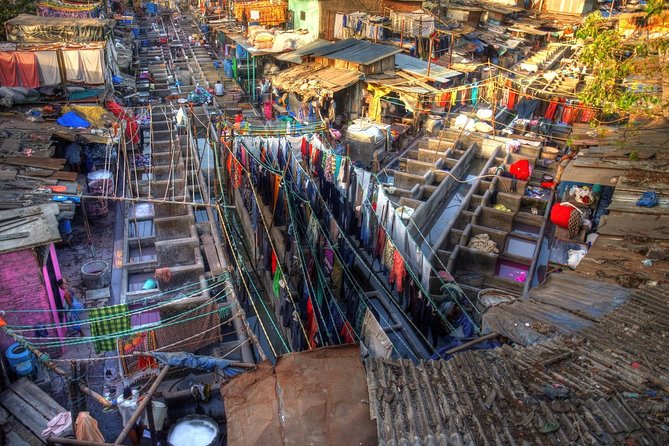
- Dhobi Ghat: open-air laundry on a huge scale, organized like a real working place
- Gandhi at Mani Bhavan: the house used for Gandhi’s activities and major movements
- South Mumbai viewpoints like Hanging Gardens and the Marine Drive seaside promenade
- That included train ride for a quick taste of the city’s rail rhythm
Why this private Mumbai tour is such a smart way to start
Mumbai can feel like a puzzle: big, crowded, and full of history that sits right beside everyday life. This experience helps you put those pieces together in a short window by combining a private vehicle, a guide, and a short rail segment.
Because it’s private, you don’t waste time waiting for a group to rally. You’re also more likely to get your questions answered on the spot, especially when the guide points out what you’re actually looking at—like why certain buildings feel so British-colonial even though you’re deep in India.
The 4 to 6 hour timing is also practical. You get a strong orientation of South Mumbai without turning your entire day into a sightseeing marathon.
You can also read our reviews of more private tours in Mumbai

Gateway of India, Taj Mahal Palace, and the Rajabai Clock Tower look-alike
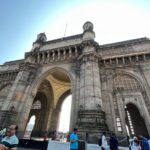
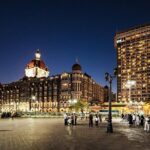
The day starts at the Gateway of India, a landmark built in 1924 to commemorate the arrival of King George V and Queen Mary in 1911. It’s the kind of place where you immediately understand why Mumbai was a port city with global attention.
From here, you’ll also spend time in the orbit of the Taj Mahal Palace Hotel in the Colaba area. Even if you don’t go inside, you’re close enough to appreciate the heritage look—especially the colonial-era vibe that makes this part of town so visually distinct.
A key detail worth paying attention to is the Rajabai Clock Tower look-alike of Big Ben. The clock tower style isn’t just decoration; it’s a clue about how the city’s institutions and architecture reflect a blend of influences.
What I like about this opening sequence is the balance. You’re not just chasing famous names. You’re building a mental map of the area: gateway, heritage hotel zone, and the institutional buildings that shape the skyline.
Bombay High Court and Chhatrapati Shivaji Maharaj Terminus: architecture with scale
Next up, you’ll see the Bombay High Court. It’s known as the main high court of Mumbai, and the big draw here is the colonial architecture—serious stonework and a feel of permanence that makes it look like it belongs on a postcard.
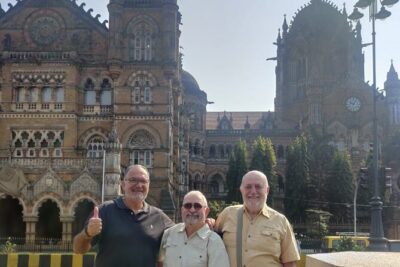
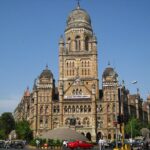
Then the tour moves to Chhatrapati Shivaji Maharaj Terminus, previously called Victoria Terminus. This UNESCO site is famous for its grand design and the fact that it has a look some people associate with St. Pancras in London—because the architecture language is related, even if the city feels totally different.
Chhatrapati Shivaji Maharaj Terminus is also a working station area. That means you don’t just see a building—you see the city moving around it. For first-time visitors, it’s one of the best “now versus then” moments in South Mumbai.
A practical note: this stop is all about seeing details at the right angles. If your timing is tight, do a quick circuit for photos, then look up. The most impressive parts are often higher than you expect.
Dhobi Ghat: watching a huge open-air laundry in action
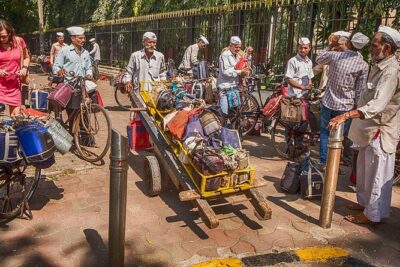
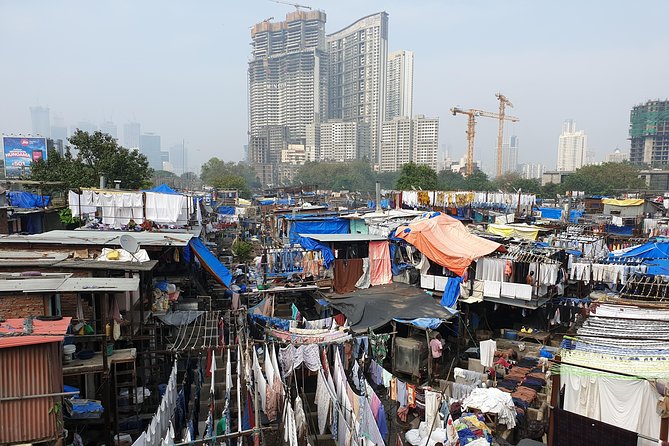
Dhobi Ghat is one of those places that changes how you think about everyday work. It’s an open-air laundry with over 200 families involved, and it’s recognized in the Guinness World Records book for maximum people connected to laundry operations in one area (as noted for 2013).
This isn’t a theme park stop. You’re looking at a working system: routines, organization, and the sheer scale of what families do day to day.
The most useful way to experience Dhobi Ghat is to treat it like a live observation point. Look at the workflow, the layout, and how people handle their tasks. If your mind expects only tourism scenes, Dhobi Ghat gently corrects that.
Timing is short, so you’ll want your phone charged and your camera ready. Even a quick visit can feel memorable because the place is so unmistakably real.
Hanging Gardens, Tower of Silence, and the view reset you’ll appreciate
After Dhobi Ghat, the tour shifts to the hills with Hanging Gardens, built in 1881. It’s a public park on Malabar Hills, and it functions as a protective cover over a water reservoir beneath. That means the greenery has a practical purpose, not just an aesthetic one.
This stop is great because it slows the day down for a moment. Even if the time is brief, you’re getting a viewpoint and a break from street-level intensity.
Right near it is the Tower of Silence, a Parsi burial ground. It’s the kind of stop that adds depth to the neighborhood story because it reminds you Mumbai’s community history isn’t just one thread.
If you’re someone who likes contrast—industrial city life to quiet hilltop space—this is a good pairing. It keeps the tour from feeling like one long line of photos.


Mani Bhavan Gandhi Museum: the day’s history anchor
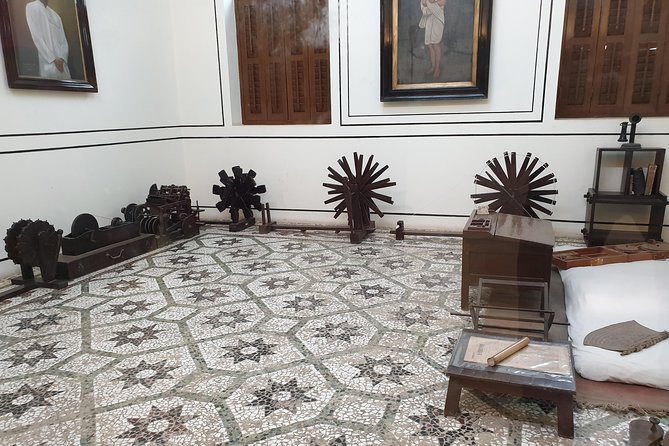
One of the most meaningful stops is Mani Bhavan Gandhi Museum. The site is linked to Gandhi’s temporary house, where he facilitated activities from 1917 to 1934.
This is more than a background history stop. It’s connected to major events like the launch of the great march of Satyagraha. Admission is listed as included, which matters because it keeps the day smooth and avoids last-minute ticket math.
The museum time is about 30 minutes, so it’s best for travelers who want a strong orientation to Gandhi’s story without needing hours of reading. You’ll likely leave with a clearer sense of why this area matters to modern India.
Tip for your visit: use the museum to pick one or two themes you care about—civil resistance, leadership, or daily life at the time. Then let the rest of the information fill in around those themes.
Marine Drive and Chowpatty: the seaside Mumbai moment
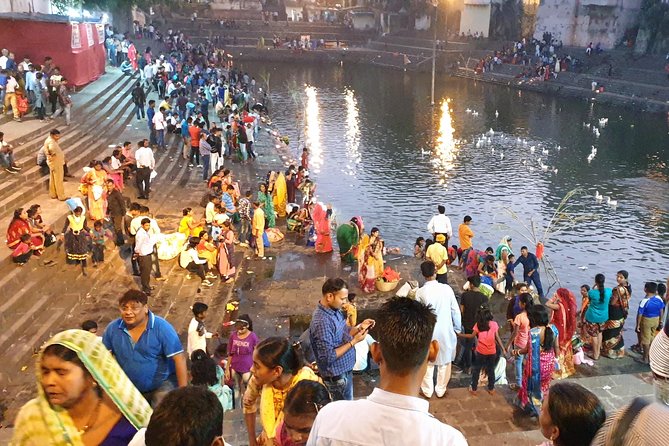
Then you hit Marine Drive, also called Queen’s Necklace. It’s a 3.6 km stretch along the beach, and it’s one of the most visited areas for locals in the region.
This stop is short, so treat it like a fast reset. Stand, look along the line of the promenade, and take in the spacing of the buildings and the curve of the sea-facing walkway.
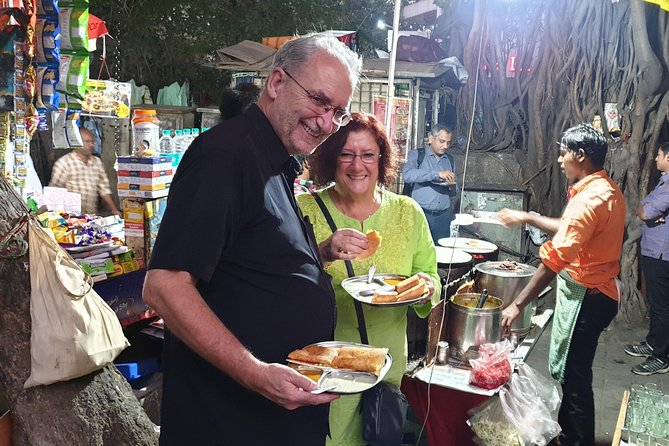
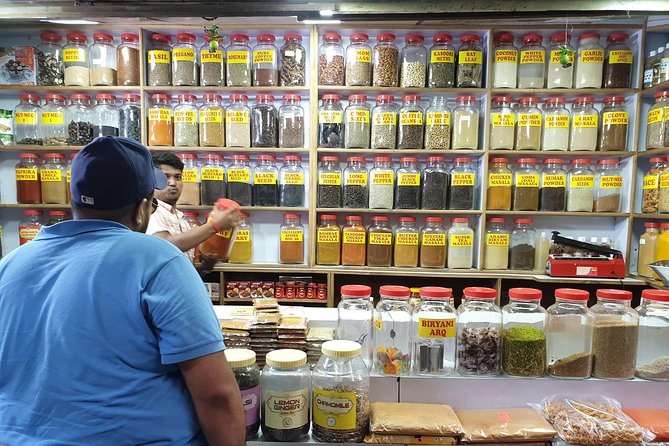
Next is Chowpatty Beach (Girgaum Chowpatty). It’s surrounded by buildings and known for street food stalls. If you like eating as part of the sightseeing, this is where the tour’s local-cuisine component makes sense—because it sets you up for what the seaside crowd is doing.
Don’t underestimate the value of this sequence. After earlier stops that can be intense—like Dhobi Ghat—you get a lighter, social atmosphere. It’s a good ending vibe for most people.
That included train ride: seeing Mumbai’s rhythm beyond the window
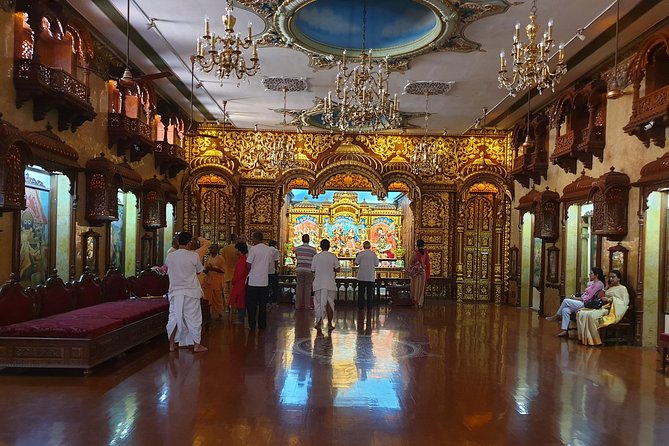
One of the tour’s best “small but important” inclusions is a small train ride. Even though it’s not long, it helps you understand the city as a system, not just a list of monuments.
When a guide connects the train ride to what you’ll see along the route, the experience clicks. You stop thinking of Mumbai as only coastal scenery and start recognizing it as a city that moves through rail.
This also changes your photo opportunities. From a station or platform perspective, you get different angles of daily life—people, flow, and how buildings frame movement.
If you don’t love crowded spaces, keep expectations realistic. A short ride can still feel busy in a city like Mumbai, but the time is limited and the rest of the day is structured.
Antilia viewpoint and South Mumbai contrasts
Another stop includes Antilia, a 27-floored private residence tied to Mukesh Ambani and described as the world’s most expensive home in the tour info. You’re not going there—it’s a viewing stop—but it’s a striking counterpoint to Dhobi Ghat, Gandhi’s story, and the public spaces like Marine Drive.
This contrast is why the tour works. You see Mumbai’s extremes in one day: working neighborhoods, heritage institutions, and ultra-wealth architecture nearby.
If you’re sensitive to heavy contrasts, this stop might feel abrupt. But if you like understanding a city’s full range—social, architectural, and economic—Antilia makes the point fast.
Food, water, and what you should plan for
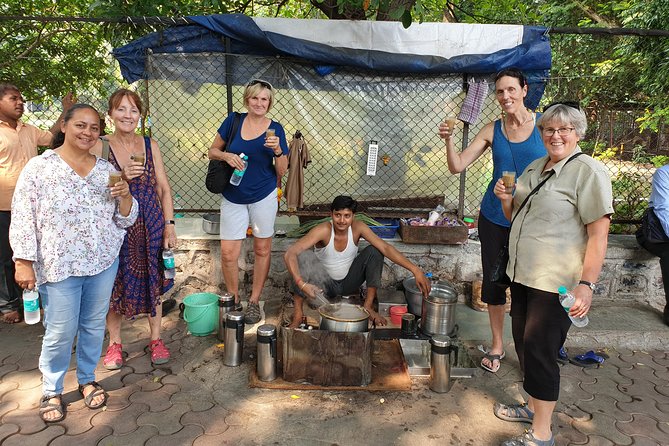
Local cuisines and bottled water are included. That’s a real value add because sightseeing days can turn into dehydration or snack panic quickly.
Lunch is listed as not included, though. So you’ll want to treat the tour food as a bonus, not a full meal plan. When you’re finishing near Chowpatty, you’ll likely have a chance to eat independently afterward.
If you’re the type who gets hungry early, consider grabbing a light snack before pickup. It’s the simplest way to keep the day enjoyable instead of rushed.
Price and value: what $49 buys you in 4 to 6 hours
At $49 per person, this tour is priced like an efficient city intro rather than a long custom charter. The value comes from stacking multiple cost centers into one ticket: pickup and drop-off, private transport in an air-conditioned vehicle, a professional guide, and the included train ride.
For many first-timers, the biggest hidden cost in cities like Mumbai is time lost to figuring out transport and entry timing. This tour reduces that friction. Even if you’re not doing every stop at max depth, you still get a guided path through the places that most people would spend hours trying to arrange themselves.
Two more value signals: many stops are listed as admission free, while Mani Bhavan Museum admission is included. That reduces surprises.
The main trade-off is depth. You won’t have hours in any one place. You’re buying orientation, contrast, and a well-paced sampler that helps you decide what to revisit on a future trip.
Who this Mumbai private tour is best for
This is a strong fit if you:
- are visiting Mumbai for the first time and want quick orientation in South Mumbai
- care about architecture and UNESCO landmarks as well as everyday life
- want a guide who can explain what you’re seeing, from colonial-era buildings to Gandhi’s house
- prefer a structured day with hotel pickup and drop-off
It’s also a good choice for solo travelers who want comfort and planning built in. In the guide names highlighted, Kamlesh is mentioned with emphasis on safety planning for solo women. Rahul is highlighted in multiple experiences for energy and a smooth, “picked up, driven, guided” day. If Raul is assigned, Dhobi Ghat is specifically singled out as a standout.
If you’re a museum-only person who wants 2+ hours of deep reading, this may feel short. But for most people, that’s exactly the point: you get a lot of Mumbai without burning your whole vacation day.
Should you book this private Mumbai tour?
I’d book it if you want a fast, well-organized introduction that pairs icons like Gateway of India and Chhatrapati Shivaji Maharaj Terminus with real-life stops like Dhobi Ghat and Mani Bhavan. The included train ride is also a smart “experience multiplier” because it adds how the city moves, not just what it looks like.
Skip it only if you hate tight timing. The stops are brief, and lunch isn’t provided. If you crave long, unhurried museum time or you’re traveling at a slow walking pace, you might feel rushed.
If you do book, I suggest you pick one “must-immerse” stop for yourself—either Dhobi Ghat, Mani Bhavan, or the station architecture—then let the rest of the day be guided exploration and photo time.
FAQ
How long is the private Mumbai tour?
It runs about 4 to 6 hours.
Does the tour include hotel pickup and drop-off?
Yes. Hotel/port pickup and drop-off are included.
What’s included in the tour price?
You get a professional guide, private tour, an air-conditioned vehicle, a small train ride, local cuisines, and bottled water. All taxes and handling charges are included too.
Is lunch included?
No. Lunch is not included.
Are entry tickets included for the stops?
Many stops are listed as free admission. Mani Bhavan Gandhi Museum has admission listed as included.
Is this a private tour or a group tour?
This is private. Only your group participates.
Will I get to ride a train during the tour?
Yes. There is a small train ride included.
What if I’m a cruise passenger and I miss the tour due to docking delays?
If you miss the tour because of late or non-arrival of the cruise ship, refunds are not issued.
FAQ
Can I cancel for a full refund?
Yes, you can cancel up to 24 hours in advance for a full refund.
What cancellation cutoff time should I use?
The cutoff is based on local time. Cancel at least 24 hours before the start time for the full refund.