REVIEW · HISTORICAL TOURS
Mumbai Private Cultural Tour with Lunch and Transport
Book on Viator →Operated by World of Bollywood Tours · Bookable on Viator
Mumbai feels different with a local guide. This private 5–6 hour tour threads work life, worship, and everyday routines through places you can’t really read from a map, including Dhobi Ghat and Khar Danda. I love the backstage look at how Mumbai runs on habit and efficiency, and I love how the day mixes photo stops with real food and customs for work, travel, eating, and prayer. One thing to consider: the pace is purposeful, and several stops are brief, so you’ll want to plan your camera and questions accordingly.
You get hotel pickup and drop-off plus transport in a private vehicle, and lunch is included (vegetarian option available if you tell them in advance). With a dress code of smart casual and the tour operating in all weather, you’ll get the most out of it by dressing for sun, shade, and quick shifts in conditions.
In This Review
- Key things to know before you go
- Entering Mumbai through work life and worship
- Price and value: what $130 buys you
- Pickup and transport: easier sightseeing in one continuous run
- Crawford Market: wholesale energy and household essentials
- Bandra Fort and the Bandstand Promenade: locals first, photos second
- Mount Mary Basilica: a quick moment of faith in Bandra
- Juhu Beach: where casual eating becomes part of the experience
- Gateway of India: iconic landmark, fast stop
- Jogger’s Park on Carter Road: daily movement and easy rhythm
- Dabbawalas tribute statue: the quiet system behind lunch
- Khar Danda: the fish market and the voices of fish sellers
- Dhobi Ghat: open-air laundry as a living workplace
- CSMT Heritage Museum: trains, architecture, and everyday movement
- Lunch experience: where the day’s tastes catch up with the lessons
- What the best guides tend to do with this route
- Weather, comfort, and smart casual logistics
- Should you book this Mumbai private cultural tour?
- FAQ
- What is the duration of the Mumbai Private Cultural Tour?
- Does the tour include hotel pickup and drop-off?
- Is lunch included, and are drinks included?
- Is this a private tour or will I share the group?
- What dress code should I follow?
- Is a vegetarian lunch option available?
- Should you book this tour today?
Key things to know before you go
- Private guide context: You’re not just ticking sights. You get explanations about local customs for work, travel, eating, and prayer.
- Labor and logistics, not just monuments: The day highlights how people make systems work, including dabbawalas and the laundry scene at Dhobi Ghat.
- Short stops, strong variety: Many places are free and quick, which means you’ll see a lot without spending all day in lines.
- Lunch is part of the cultural picture: You’re given light refreshments and lunch, with chances to experience street-food style eating near Juhu Beach.
- Works for groups who want flexibility: It’s a private tour, so your group’s questions can shape the flow (within the set timing).
Entering Mumbai through work life and worship
Mumbai can overwhelm you if you only chase famous landmarks. This tour avoids that by pairing iconic spots with the practical side of the city—markets, daily routines, and the places where work and community overlap with faith.
What I like most is the way the guide connects dots: you’re shown where people shop, how they move around, how they eat, and how prayer fits into everyday life. Stops are mostly free, and the day is built around moving through different neighborhoods and functions—wholesale trade, coastal leisure, and the city’s rail heartbeat—without turning it into a lecture.
You can also read our reviews of more private tours in Mumbai

Price and value: what $130 buys you
At $130 per person for about 5 to 6 hours, this is priced like a full-service private experience rather than a low-cost group bus tour. The value is in the combination: hotel pickup and drop-off, a private vehicle, bottled water, light refreshments, and lunch are included.
You’re also paying for interpretation. In a place as fast and layered as Mumbai, a good local guide saves you from guessing what you’re seeing—especially when you’re in markets and working environments like Dhobi Ghat and Khar Danda.
Pickup and transport: easier sightseeing in one continuous run
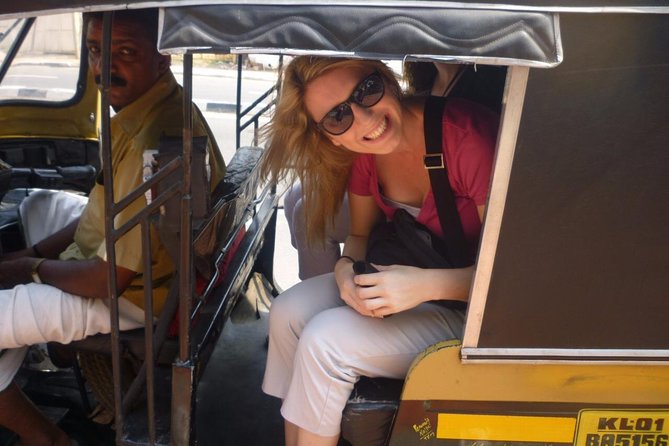
The day starts with pickup from your hotel, then you’re driven by private vehicle between stops. That matters because Mumbai distances can feel deceptive—you’ll save time and reduce stress, especially if you’re dealing with heat, crowds, or just jet lag.
Because it’s a private tour, you don’t have to worry about waiting for other groups. Your guide/driver team can keep things moving at a steady pace, including short photo windows that fit the tour’s timing.
Crawford Market: wholesale energy and household essentials
Your first stop is Crawford Market, a huge wholesale market for fruits, vegetables, and a long list of utility items for the home. This is the kind of place where you instantly get a feel for the city’s supply chain—food isn’t “bought,” it’s sourced in bulk, then redistributed.
The stop is short, so you’ll want to look intentionally: watch how people move, notice how vendors organize goods, and take in the variety. The downside is simple: if you love slow wandering, the clock moves on, and you’ll have to pick what you’re most curious about.
Bandra Fort and the Bandstand Promenade: locals first, photos second
Next you shift into Bandra, with stops that feel like real local hangouts. Bandra Fort is described as beautiful and picturesque, and locals use it for pictures. It’s not just a viewpoint; it’s a neighborhood pause where you can see how people enjoy the outdoors close to their daily routines.
Then comes Bandstand Promenade, where locals come to walk, jog, stroll, and hang around. This is one of the best places on the route to observe Mumbai as a living city rather than a museum.
You can also read our reviews of more historical tours in Mumbai


Mount Mary Basilica: a quick moment of faith in Bandra
Mount Mary Basilica is a brief stop, but it adds contrast after market and promenade scenes. You’re stepping into a place where visitors and locals intersect through worship and community life.
Because the visit is short, treat it as a stop for orientation and reflection. If your group has questions about local customs tied to prayer and daily life, this is where those explanations can land well.
Juhu Beach: where casual eating becomes part of the experience
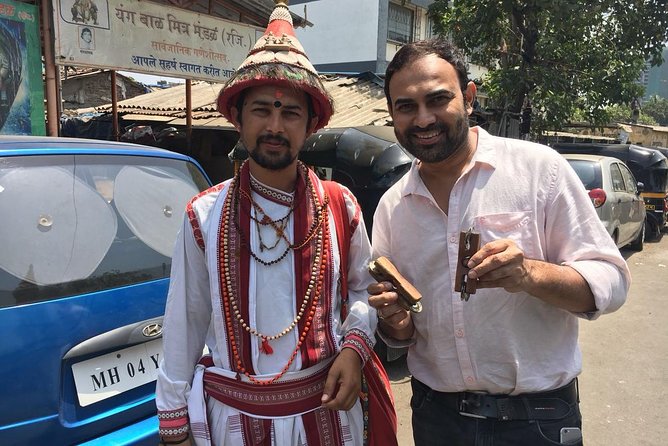
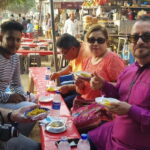
At Juhu Beach, the tour leans into food culture. The plan includes time with local food stalls where people go to try what Mumbai-style eating tastes like.
This is also a good place to ask your guide what to order and how locals think about timing—like what feels like a snack versus a proper meal. You can use the short time to get your bearings on the shoreline, then focus on eating and people-watching.
One consideration: beach areas can be busy, and conditions change quickly. Go with the mindset that this is a cultural stop, not a long beach day.
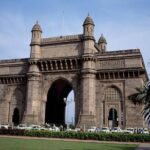
Gateway of India: iconic landmark, fast stop
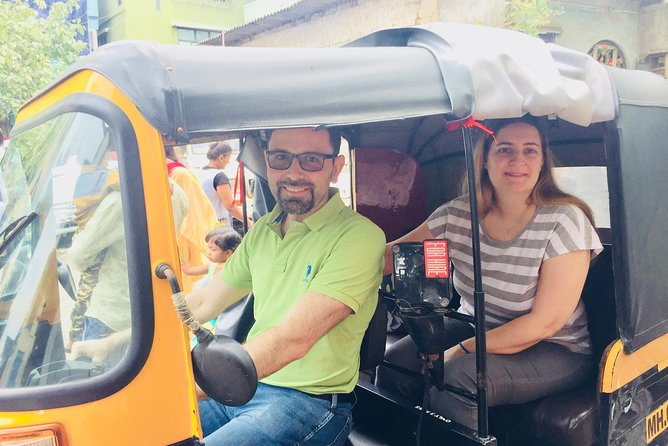
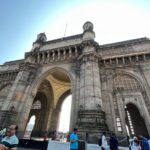
The Gateway of India is a quick hit—about 5 minutes in the day’s flow. It’s famous for a reason, but the tour’s real goal here is context. You’re using the monument as a reference point while the guide keeps the focus on what’s happening around it.
If your priority is slow landmark time, you might wish this stop were longer. But for a 5–6 hour route that includes markets and working sites, it’s a reasonable trade.
Jogger’s Park on Carter Road: daily movement and easy rhythm
Then you head to Jogger’s Park on Carter Road, another short stop where you see how people use space for regular movement. It’s described as very popular, so it’s a strong snapshot of daily habits rather than tourism.
This is the kind of place where you can watch without needing to translate anything. You’ll see routines: walking pace, jogging flow, and how the area supports casual social life.
Dabbawalas tribute statue: the quiet system behind lunch
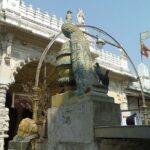
One of the more distinctive parts of the tour is the Dabbawala Tribute Statue, which highlights the dabbawalas, the famous lunchbox delivery people. You’re shown how they work with remarkable efficiency, described as working without any technology.
Even if you’ve heard of the dabbawala system before, a local explanation helps you understand the mindset: coordination, reliability, and repetition. It’s also a reminder that lunch in Mumbai isn’t only about taste—it’s logistics plus respect for people’s schedules.
Khar Danda: the fish market and the voices of fish sellers
Next is Khar Danda, a local fish market. The experience is designed to help you see how local fisher women sell fresh fish.
This stop is short, but it can be memorable because it brings you close to the real commercial side of seaside life. Since it’s a working area, keep your questions simple and your movement careful. The trade-off here is time: you’ll want to focus on what your guide points out rather than trying to read every interaction at once.
Dhobi Ghat: open-air laundry as a living workplace
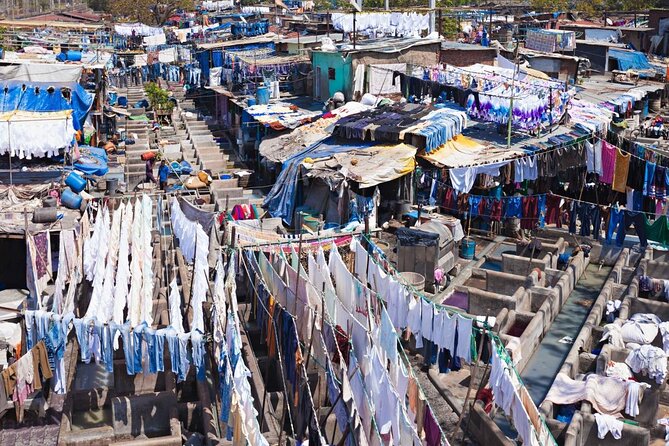
Dhobi Ghat is one of the big reasons to book this tour. You’re taken to what’s described as the biggest open air laundry in the world, and it’s presented as a real working space rather than a staged attraction.
What makes this stop valuable is the perspective shift. You come away understanding that Mumbai is full of industries that run on daily rhythm, skilled hands, and shared routines. It’s not only about the visual scene—it’s about learning what the place means to the people who rely on it.
A practical note: because it’s an active environment, you’ll want to stay alert, follow your guide’s instructions, and treat photography respectfully. The visit is brief, so absorb first, shoot second.
CSMT Heritage Museum: trains, architecture, and everyday movement
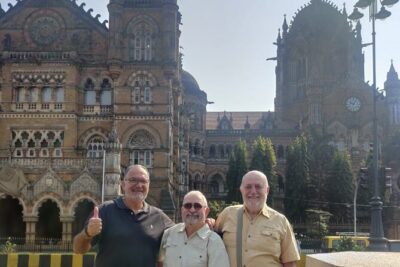
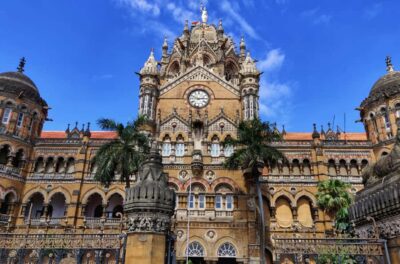
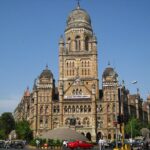
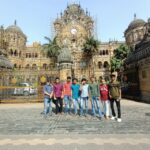
The last major stop is CSMT Heritage Museum, tied to Chhatrapati Shivaji Maharaj Terminus. You’ll spend a short time here, and the framing matters: it’s described as the biggest train station in India, and it’s also presented as beautiful.
This is where the tour’s theme clicks: Mumbai’s energy moves through systems—markets, deliveries, and rail. Even with limited time, you’ll likely notice how people flow, how signage and movement guide you, and how the station’s architecture shapes the experience.
Lunch experience: where the day’s tastes catch up with the lessons
Lunch is included, along with bottled water and light refreshments. That’s a big deal for a private city day because you’re not hunting for food between stops while everyone gets cranky.
One helpful tip from the tour’s past guests: lunch has been tied to places like Cafe Metro, and they’ve recommended ordering Chicken Nargisi and garlic naan. If you’re vegetarian, make sure you request the vegetarian option when you book, so your meal planning is handled early.
Also, keep expectations realistic: since the day is packed with stops, you’ll eat with purpose—not as a lingering restaurant afternoon.
What the best guides tend to do with this route
The tour experience is highly dependent on the guide, and the names Sho and Tiger show up in past experiences for good reason. Sho has been praised for being accommodating and for sharing cultural highlights at a pace that doesn’t feel rushed. Tiger has been noted for speaking good English and keeping the day relaxed.
You can also look for that same style in your guide: clear explanations, patience with questions, and smart timing so you don’t feel like you’re being pushed through Mumbai on fast-forward.
Weather, comfort, and smart casual logistics
The tour operates in all weather conditions, so you should dress for the day you’ll actually get. Since the dress code is smart casual, you don’t need to go formal, but you should aim for clothes that let you move comfortably through markets and promenades.
You also need moderate physical fitness. That doesn’t mean you need to be an athlete. It just means you should be okay with walking and short stop durations across different areas of the city.
Should you book this Mumbai private cultural tour?
Book it if you want a private Mumbai day that mixes landmarks with how people work and live—especially if Dhobi Ghat, dabbawalas, and local markets are on your must-see list. It’s also a strong choice if you value a guide’s explanations about customs for work, travel, eating, and prayer, because that turns the stops into context rather than checklist items.
Skip it (or consider another option) if you prefer long stays at fewer places. This tour gives you variety and understanding, but many stops are brief by design—so it’s best for travelers who like momentum and learning on the move.
FAQ
What is the duration of the Mumbai Private Cultural Tour?
The tour runs for about 5 to 6 hours.
Does the tour include hotel pickup and drop-off?
Yes. Hotel pickup and drop-off are included as part of the experience.
Is lunch included, and are drinks included?
Lunch is included, along with bottled water and light refreshments. Alcoholic drinks are not included, though they may be available to purchase.
Is this a private tour or will I share the group?
It’s a private tour/activity, so only your group participates.
What dress code should I follow?
The dress code is smart casual.
Is a vegetarian lunch option available?
Yes. A vegetarian option is available—just advise when you book.
Should you book this tour today?
If you’re trying to understand Mumbai as a system—markets, deliveries, trains, and daily routines—this private loop is a solid value. The included lunch, pickup, and guide context make it easier to spend your energy on seeing and learning, not logistics.