REVIEW · DHARAVI SLUM TOURS
Private Slumdog Millionaire Tour in Dharavi with Slum Visit
Book on Viator →Operated by Magical Mumbai Tours · Bookable on Viator
Dharavi changes your mental map fast. This private walking tour uses Dharavi’s real day-to-day—the recycling work, small factories, and tight lanes—to connect the area behind Slumdog Millionaire to the people who live there, meeting at Mahim Railway Station area.
I like the hands-on local perspective guides bring, especially when you’re shown real neighborhoods and home life by people like Ravi and Pooja. I also like the structure: you get a commercial stop first, then the residential side with narrow alleys and schools, so your impression comes from both work and daily living.
One thing to think about: logistics can occasionally go sideways. There’s at least one reported case of a guide no-show after waiting 1.5 hours, and in another case the visit ran short due to immigration delays at the gate—so build in a little buffer and keep phone access handy.
In This Review
- Key highlights worth planning for
- What makes this Dharavi tour feel real, not staged
- Price and time: what you’re paying for in practical terms
- Finding the start point: Third Wave Coffee and Mahim orientation
- Commercial Dharavi: recycling, workshops, and how materials get remade
- Residential Dharavi: narrow allies, local culture, and school life
- Guides: safety, pacing, and that local context people talk about
- Walking logistics in Mumbai: why “comfortable shoes” is not a throwaway line
- Who this tour fits best (and who might want a different option)
- The real value: what you’ll walk away understanding
- Should you book this private Dharavi tour?
- FAQ
- How long is the private Slum visit tour in Dharavi?
- Where do I meet for the tour?
- Is the tour private or group-based?
- What does the tour include?
- Is pickup available?
- Can I bring a service animal?
Key highlights worth planning for
- Private, walking-style format: you stay on foot and get more direct attention than big group tours.
- Commercial-first route: recycling and workshop areas show how raw waste becomes usable material.
- Residential lanes and schools: you see how people move through tight alleys and community spaces.
- Real guide credibility: guides named Ravi, Pooja, Bulgi, and Chirag are repeatedly praised for context and pacing.
- Safety mindset: the tour is described as safe, with guides guiding the flow through crowded areas.
What makes this Dharavi tour feel real, not staged
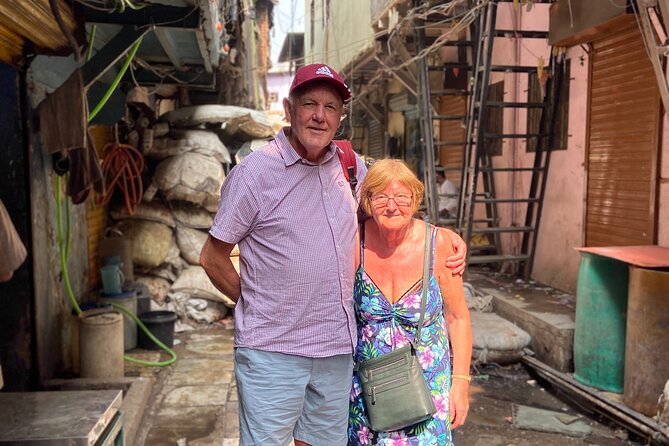
Dharavi has two sides most first-timers expect to see at once, and this tour keeps them separate for a reason. You start with the commercial zone—workshops and recycling—and then shift to the residential area, where daily life plays out in narrow lanes and community spots like schools. That order helps you connect what you see to how people live.
The private format matters here. You’re not just getting a checklist of sights. You’re getting time to ask questions, slow down, and understand the logic behind the work—especially around recycling and small-scale manufacturing, where materials change form again and again.
Also, this isn’t positioned as a tour about misery. It’s about resilience and how an enormous informal system runs on creativity, skills, and effort, even when conditions are tough.
You can also read our reviews of more private tours in Mumbai



Price and time: what you’re paying for in practical terms
This tour costs $37.20 per person and runs about 3 hours. That’s a useful length: long enough to see both commercial and residential sides, short enough to stay focused.
You also get a few things that reduce hassle during a busy Mumbai day: bottled water, an English-speaking guide, and a mobile ticket. Pickup is offered, and the tour ends back at the meeting point, which makes planning simpler than tours that dump you somewhere else.
Value-wise, the real win is the private guide time. In a place where details matter, having an expert who can explain what you’re seeing as you walk is what turns “a difficult area” into an educational, grounded experience.
Finding the start point: Third Wave Coffee and Mahim orientation
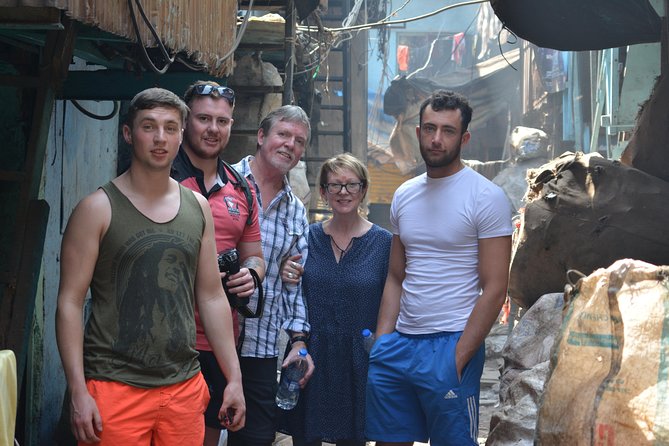
The meeting point is at Third Wave Coffee Tip Road, Unit no. 58, Ground, Ram Mahal, Senapati Bapat Marg, Marinagar Colony, Mahim, Mumbai, Maharashtra 400016. The tour also notes meeting at Mahim Railway Station in Dharavi, which is how you should picture the start: you’re getting oriented near transit, not out in the middle of nowhere.
Plan for walking. This is a walking tour, so wear comfortable shoes you can trust for narrow lanes and uneven ground. If you’re coming from central Mumbai, you’ll appreciate that it’s described as near public transportation.
One practical tip: arrive early enough to settle in before your scheduled start. While most reports are smooth, there’s at least one documented case of a guide not showing up and the traveler waiting 1.5 hours without communication. Early arrival gives you breathing room if anything causes delay.
Commercial Dharavi: recycling, workshops, and how materials get remade
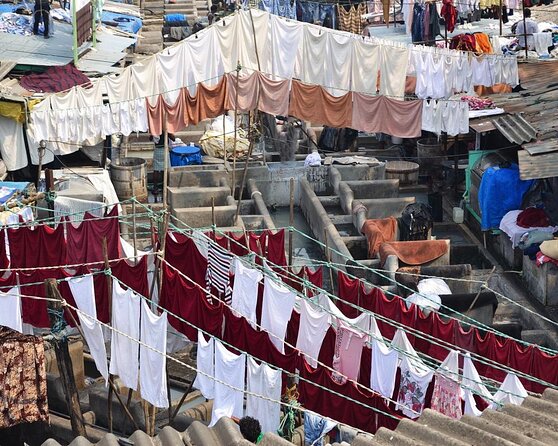
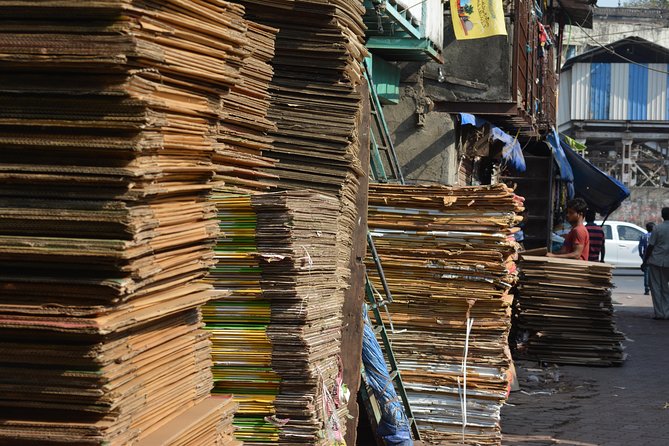
The tour starts in Dharavi’s commercial area. This is where you’ll see the machinery and processes behind the work: plastic recycling, aluminium recycling, paper/cardboard recycling, and oil paint can recycling. You’ll also pass by or visit leather factories, luggage bag manufacturing factories, bakeries, and clothing industries.
What I like about starting here is that it gives you an economic frame. Instead of only thinking about buildings and lanes, you begin with outputs—materials turned into products, waste turned into something usable again. Even if you know the general story, the specific categories listed above help you connect the dots fast.
This is also where you’ll likely feel the “real world” scale. Small production lines and workshop-style spaces can look cramped from the outside, but in context they’re jobs, livelihoods, and skills. Guides like Pooja and Ravi are praised for explaining the work clearly, and that matters because the same sight can feel random if you’re not given the process behind it.
If you’re worried about how you’ll react to intense sights or smells, you’ll still want to keep your expectations grounded. One review describes starting apprehensive, then shifting into amazement and curiosity once the tour started. The pacing and explanation are what change the experience from overwhelming to understandable.
Residential Dharavi: narrow allies, local culture, and school life
After the commercial side, the tour moves to the residential area. This is where the neighborhood becomes more human in the everyday way: you’ll walk through very narrow alleys, see local culture up close, and visit schools.
Narrow lanes change everything about a tour. You can’t rush. You have to listen and look. It also makes your guide’s role more important, since moving respectfully through tight spaces is part of the experience.
This residential section adds meaning to what you saw earlier. When you understand the recycling and workshop work, you start to see how it fits into community life—who’s there, how people get around, and where learning spaces like schools sit within the neighborhood.


Guides: safety, pacing, and that local context people talk about
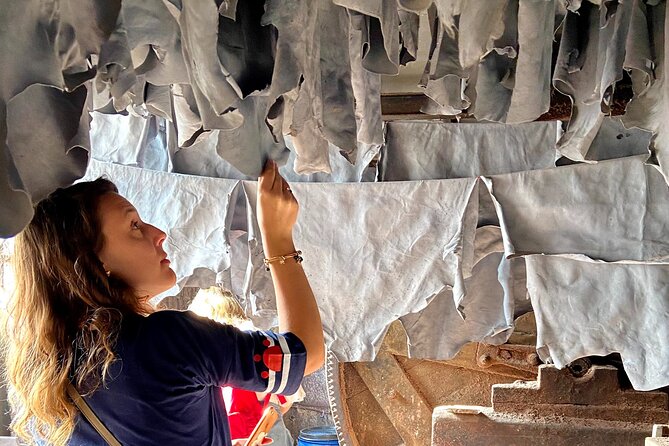
The guide can make or break a tour like this, and the feedback here is unusually strong on that point. Many of the best experiences were linked to specific names—Ravi, Pooja, Bulgi, and even Chirag.
Ravi is repeatedly praised for being engaging and for explaining what you’re looking at. One review specifically notes that their guide lived in the slum area, which is the kind of local context that changes the way a place feels, because you’re not only hearing information—you’re getting lived insight.
Pooja also shows up in standout reviews, with comments about the tour being engaging, informative, and safe. Another review notes patience during explanations, including details about how plastics from sources like automobiles are broken down into usable pellets and then made into products.
Safety is mentioned directly. The tour is described as safe and well-organized, with references to a safe driver as well (Hasan is named). That’s important because this isn’t a museum walk. It’s a working neighborhood with real foot traffic, and a good guide helps you move at the right pace and in the right way.
Walking logistics in Mumbai: why “comfortable shoes” is not a throwaway line
It’s easy to skip the practical advice when you’re reading a tour description. Here, walking comfort is a big deal because the tour includes very narrow allies and a mix of areas. Even if the route is “only” 3 hours, your feet will notice the difference between open streets and tight lanes.
Also, the tour is private—only your group participates. That’s great for conversation, but it also means you rely on the guide to keep timing steady. If you’re late or if you hesitate too much, the route can feel tight because you’re moving together.
One more practical thought: if you’re visiting during a day when Mumbai authorities create delays at gates, your timing might shift. One review notes the visit got cut short due to Mumbai immigration delays getting through the gate. It doesn’t mean it will happen to you, but it does mean you should avoid booking tight follow-on plans right after the tour.
Who this tour fits best (and who might want a different option)
This is a strong fit if you want a deeper look at Mumbai that doesn’t stay on the shiny, postcard side. It’s also a good choice if you’ve been to Mumbai before and you’re looking for something that changes your perspective fast.
I think it’s especially suitable for:
- First-timers who want the reality of Dharavi without doing it solo
- People who like clear explanations about how local work functions
- Travelers who prefer a private pace over crowded group tours
It may feel less ideal if:
- You’re very uncomfortable with close-up, everyday neighborhood conditions
- You need a perfectly timed experience and can’t tolerate any chance of delay
- You expect a polished “attraction” format rather than a working community walk
The real value: what you’ll walk away understanding
If you do this tour well, you leave with a mental map that’s more specific and less stereotyped. You’ll understand how recycling processes relate to manufacturing and daily life. You’ll also see how a community runs on practical solutions—skills that keep materials moving from one form to another.
That’s why the commercial-to-residential sequence works. It stops your brain from turning the area into one single image. Instead, you get two connected views: how work happens, then how people live around it.
Should you book this private Dharavi tour?
Book it if you want a structured, human-scale experience with an English-speaking guide and you’re ready to walk through both working and residential parts of Dharavi. The strong pattern of 5-star experiences linked to guides like Ravi and Pooja is a good sign that you’ll get explanation and pacing, not just a quick pass.
Hold off or choose carefully if you’re extremely sensitive to delays, because there is at least one documented no-show situation and at least one timing-short report due to gate delays. For most people it likely runs smoothly, but you’ll sleep better if you plan buffer time and keep your contact info ready.
If your main goal is to see Dharavi as a real functioning place—workshops, recycling, lanes, and schools—this tour is an efficient way to get there.
FAQ
How long is the private Slum visit tour in Dharavi?
It’s about 3 hours.
Where do I meet for the tour?
You meet at Third Wave Coffee Tip Road, Unit no. 58, Ground, Ram Mahal, Senapati Bapat Marg, Marinagar Colony, Mahim, Mumbai, Maharashtra 400016, India.
Is the tour private or group-based?
It’s private. Only your group participates.
What does the tour include?
It includes a private guided tour with an English-speaking guide, bottled water, and an admission ticket for the 3-hour experience.
Is pickup available?
Pickup is offered.
Can I bring a service animal?
Yes. Service animals are allowed. The tour is also near public transportation and most travelers can participate.