REVIEW · CITY TOURS
Mumbai City Tour
Book on Viator →Operated by Splendid Indian Holidays · Bookable on Viator
Mumbai can feel like a lot. This tour helps you get your bearings fast. You’ll see the big postcard sights and the working-city scenes in one smooth loop. I like that it’s private (just your group) and that it packs real variety, from Dhobi Ghat’s everyday hustle to grand colonial-era architecture around the Gateway.
Two things I really liked: the pickup option and the strong guide quality people keep naming, like Amir organizing a car with Sunil’s clear English, and Hakim running the route with crisp history and explanations. One consideration: the schedule is tight, so several stops are short photo-and-look moments, not long museum-style visits.
In This Review
- Key reasons this Mumbai tour works
- A fast, focused South Mumbai loop in 4 hours
- Dhobi Ghat: Mumbai’s open-air laundromat reality check
- Kamala Nehru Park and Hanging Gardens: a quick viewpoint break
- Banganga Tank and the Walkeshwar temple complex vibe
- A Jain temple stop that’s more than a quick photo
- Gateway of India: the photo icon, plus the surrounding story
- Chhatrapati Shivaji Terminus: 1887 rail power, up close
- Marine Drive and the curve that defines the shoreline mood
- Oval Maidan: universities, courts, and the big public-space feel
- Town Hall (Asiatic Society Library): a photography stop with real payoff
- Crawford Market: shopfront energy, not a museum
- Price and logistics: what you’re really paying for
- The guide makes the difference
- Who should book this Mumbai city tour?
- Should you book this Mumbai city tour?
- FAQ
- How long is the Mumbai City Tour?
- What is the price per person?
- Is pickup included?
- Is this tour private?
- Are tickets included for attractions?
- What main places will I see?
- What’s the cancellation policy?
Key reasons this Mumbai tour works
- Dhobi Ghat first: a working laundromat view before the skyline stuff
- South Mumbai highlights, sequenced well: Gateway to Marine Drive to Oval Maidan
- Architecture mix: temples, colonial landmarks, and India’s busiest rail hub area
- Short but meaningful stops: enough time to see, not enough to get bored
- Guides get praised by name: Amir, Hakim, and Pinto show up in the feedback
- All fees and taxes included: you’re not nickel-and-dimed at each stop
A fast, focused South Mumbai loop in 4 hours

This is the kind of tour I recommend when you have limited time but still want to understand how Mumbai pieces together. In about four hours, you move through South Mumbai’s most photographed stretch, then hit a couple of “this is how the city actually runs” stops. It’s not trying to be a full-day immersion. It’s trying to help you place Mumbai—geography, architecture, and culture—quickly.
At $28.37 per person, the value comes from the combination: guided route + all fees and taxes included + pickup option + mobile ticket. If you’re traveling as a couple or small group and want less hassle than arranging transport and tickets yourself, this setup usually pays off.
The most practical tip: plan to keep your expectations realistic. With quick stops like 5–20 minutes each, you’ll enjoy the highlights, but you won’t get slow, in-depth time inside every landmark.
You can also read our reviews of more city tours in Mumbai


Dhobi Ghat: Mumbai’s open-air laundromat reality check
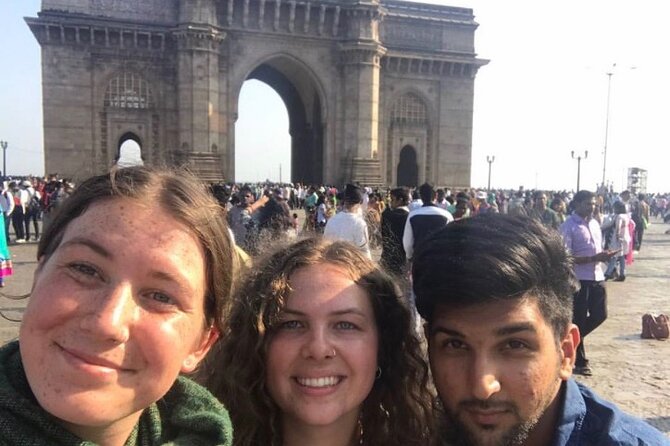
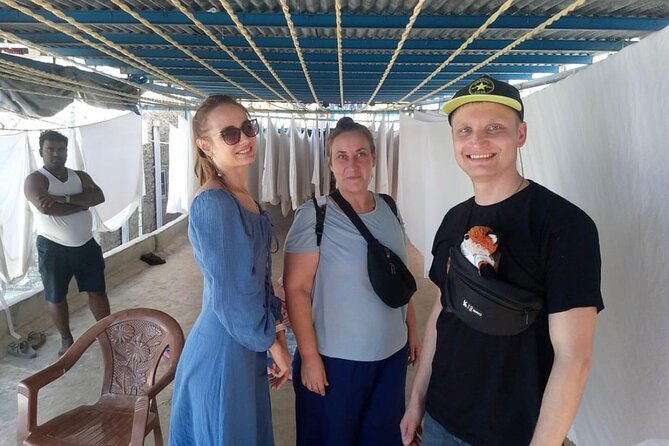
You start at Dhobi Ghat, described as an open-air laundromat where dhobis (washers) clean clothes and linens used by hotels and hospitals. Expect it to feel like a living workplace, not a museum exhibit. This is where Mumbai shows you its everyday rhythm, fast and human-scale.
You’ll likely spend around 20 minutes here. That’s short, but it’s enough to notice patterns: how workers handle bundles, how linens move through the process, and how the whole place functions without the polished “tour” feeling you might expect elsewhere.
Photo tip that’s actually useful: don’t just shoot the scene from one angle. Move a step or two, because Dhobi Ghat has layered views—people, hanging laundry, and workflow all at once. Also, keep your phone low and respectful if you’re close to workers. You’re watching a job, not staging a show.
One more practical note: this kind of stop tends to be busy. If you’re sensitive to crowds or smell, pace yourself and stay focused on what you’re seeing.
Kamala Nehru Park and Hanging Gardens: a quick viewpoint break
Next comes Kamala Nehru Park, part of the Hanging Gardens complex, about 16,000 sq.mt. You’ll have roughly 15 minutes, which is perfect for a reset. This is the moment to catch your breath after Dhobi Ghat and shift your attention toward Mumbai’s “outdoor landmark” side.
Why it’s worth a stop even when it’s brief: it gives you a different lens on the city. Instead of just buildings and streets, you get a landscaped pocket with structure and views in the background. It’s also a nice buffer before you head toward water and temple areas later.
If you’re the type who hates “stop-and-drop” moments, you might find this short. But as a breather stop, it works.
Banganga Tank and the Walkeshwar temple complex vibe
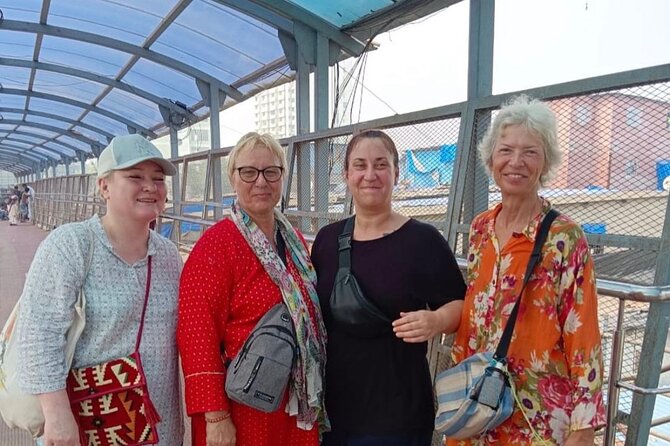
Then you shift to Banganga, also called Banganga Talav or Banganga Tank. It’s an ancient water tank connected with the Walkeshwar Temple Complex in the Malabar Hill area of Mumbai. Plan for about 10 minutes and treat it like a calm, sensory pause.
Water features in old Mumbai neighborhoods can feel surprisingly atmospheric, especially when you slow down for a minute and just watch how people move through the space. Even in a short visit, you’ll get the sense that the city isn’t only modern—religious sites and older geography remain part of daily life.
Practical consideration: temple areas often have expectations around modest clothing and respectful behavior. If you’re bringing a “light vacation outfit,” have something handy like a light scarf or wrap. You don’t want one wrong outfit choice to steal your focus.
A Jain temple stop that’s more than a quick photo
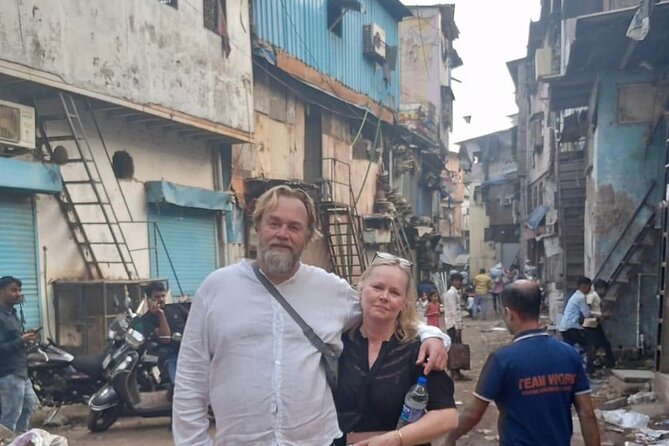
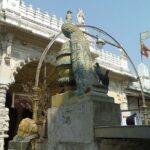
You also visit a Jain Temple in Mumbai, the place of worship for Jain followers. The time here is short—around 10 minutes—but it’s a meaningful kind of stop. Jain temples often feel ordered and quiet compared with the street energy around them, and that contrast helps you understand Mumbai’s different layers.
What makes this stop valuable in a short tour: it adds texture. You’re not only seeing architecture for tourists. You’re seeing sacred space designed for worship.
If you’re hoping for a “walk inside and linger” experience, manage expectations. A highlight tour moves on quickly. But you’ll still get a solid sense of place.



Gateway of India: the photo icon, plus the surrounding story
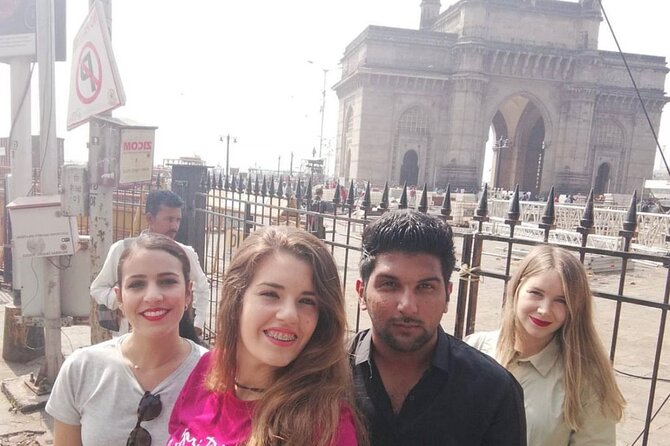
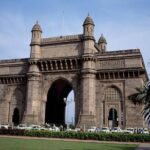
One of the tour’s anchors is Gateway of India, visited for about 20 minutes at one point and revisited again later for around 15 minutes. The Gateway is an arch monument built in the early 20th century to commemorate the landing of the first British monarch in India.
Here’s what makes it more interesting than just a big arch photo: the Gateway area connects multiple threads of Mumbai. You’ll see viewpoints and nearby landmarks like Fisherman Village, Nariman Point, and Marine Drive. The route also folds in areas such as Tower of Silence and Mani Bhavan (Gandhi House), which adds a political and cultural layer beyond postcards. You’re not only looking at a monument—you’re walking through the map of modern Mumbai memory.
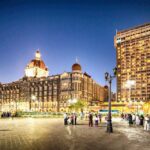
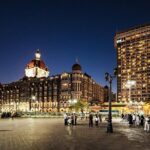
Also, the overview mentions the Taj Mahal Palace, and in this part of South Mumbai, that connection makes sense visually. Even if you’re not doing a full stop for the hotel itself, the name comes up because the Gateway and that grand hotel skyline are linked by the same shoreline drama.
Practical reality check: the Gateway area can be crowded, and crowds change how long you actually want to stand somewhere. Having two Gateway moments in the tour helps. If the first photo is hectic, you may get another angle later when the crowd flow shifts.
Chhatrapati Shivaji Terminus: 1887 rail power, up close

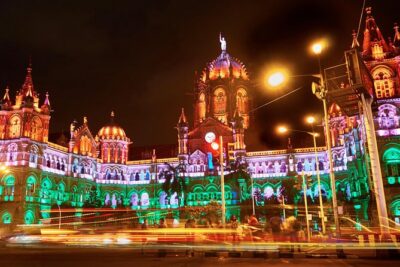
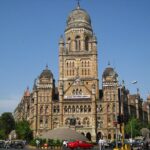
Next you hit Chhatrapati Shivaji Terminus (10 minutes). It was constructed in 1887 and today functions as the headquarters of the Central Railways. If you only know this by reputation, a short look can still shock you—in a good way.
This is one of those places where you feel the city’s scale instantly. Trains aren’t a “sight.” They’re the operating system. Seeing the station during a brief pass gives you context for why Mumbai’s streets, commerce, and neighborhoods are so tightly linked to rail.
Photo note: the station is dramatic, and you’ll probably want to shoot wide first. Then get a second photo with your feet closer to highlight detail. A 10-minute window can still give you a couple strong images if you move intentionally.
Marine Drive and the curve that defines the shoreline mood
Marine Drive gets a quick stop (around 5 minutes). It’s a 3.6-kilometre boulevard in South Mumbai, built by philanthropist Bhagojisheth Keer and Pallonji Mistry. Even in a short visit, you’ll notice why this is a defining Mumbai image: the boulevard’s curve pulls your eyes along the coast.
This is the kind of sight where it helps to pause and look down the line. Don’t just take a single photo and move on. A 30-second “stand still and watch” moment can make the place feel real.
If you’re visiting during brighter or busier times, you might find the line of view packed with people. Still worth it, because Marine Drive is one of the easiest places to feel the city’s rhythm without needing a museum ticket.
Oval Maidan: universities, courts, and the big public-space feel
Then you’re at Oval Maidan (about 5 minutes). This open area is where you’ll see Mumbai University, the Rajabai Clock Tower, and the Bombay High Court. This stop matters because it shifts your perspective from the waterfront to the civic core.
Open public spaces like this help you understand how Mumbai uses space: government and education sit close to the daily pedestrian world. It also gives you strong architectural backdrops that photograph well.
Tip: if you’re trying to avoid blurry photos, this stop is actually easier than you’d think. You’ve got open space and steady lines, so you can set your camera once and then take multiple frames as people move.
Town Hall (Asiatic Society Library): a photography stop with real payoff
At Town Hall, also known as the Asiatic Society Library, you get another short stop (around 5 minutes) with admission included. This is a stop built for photos. The exterior and the structure around it give you that “South Mumbai classic” look.
Why it’s worth a quick ticketed visit even if you’re not a hardcore architecture fan: it creates a contrast. You’ve already seen the working city (Dhobi Ghat) and the big memorial landmark (Gateway). Now you get an orderly, institutional-feeling place that rounds out the story.
Practical note: since time is limited, keep your movement efficient. Check the best angles early, then spend the remaining minutes enjoying the building rather than wandering randomly.
Crawford Market: shopfront energy, not a museum
Finally, you’ll visit Crawford Market (around 10 minutes), a famous South Mumbai market originally named after Arthur Crawford. This stop brings you back to street life—color, signage, and the daily shopping pulse.
The value here is that markets show you how a city eats, trades, and carries on. It’s also one of the best places to pick up small items or snacks if that’s your style, though this tour specifically doesn’t list alcohol as included.
A realistic consideration: markets can be overwhelming if you’re tired or hungry. If you tend to get overstimulated, treat this as a look-and-choose stop. Don’t feel like you have to browse everything in 10 minutes.
Price and logistics: what you’re really paying for
Let’s talk value in plain terms. At $28.37 per person for about 4 hours, you’re getting:
- a guided route through key South Mumbai landmarks,
- pickup offered (so you spend less time figuring out transport),
- mobile ticket,
- and all fees and taxes included.
What’s not included: alcoholic beverages. So if you want a drink, plan that separately.
The other “logistics win” is that this is a private tour, meaning only your group participates. That usually means fewer waiting gaps and less time stuck behind strangers. It’s great if you want a controlled experience and clear explanations at each stop.
One small thing to double-check: the start time is listed as 12:00 am. That’s unusual. Your confirmation should clarify the actual meeting time, so don’t just assume it’s midnight and show up at the wrong hour.
The guide makes the difference
The itinerary hits big names, but the biggest praise pattern is about guidance. People call out guides by name and mention that the English is easy to follow and that they route you efficiently so you don’t waste time.
I paid attention to the repeated names:
- Amir gets praised for being organized and helpful, including arranging a car and working smoothly with Sunil, who’s noted for good English.
- Hakim shows up in feedback for being professional and for sharing detail beyond just dates—history and local tradition context, plus strong pacing.
- Pinto gets singled out with high praise for knowledge and easy English.
Also, one review notes the car had good A/C, which matters in Mumbai when the day heats up.
So if you care about explanations, not just photos, this is the sort of tour where you’ll feel the difference.
Who should book this Mumbai city tour?
This tour is a good fit if:
- you only have a short window in Mumbai and want South Mumbai orientation fast,
- you like guided walking-and-looking more than museum-heavy days,
- you want a private setup without doing planning homework,
- and you care about practical context at landmarks.
It might not be your best choice if:
- you want long, slow visits inside every major building,
- you prefer a neighborhood-by-neighborhood food tour instead of landmark sequencing,
- or you dislike quick photo stops and crowds.
Should you book this Mumbai city tour?
Yes, if you’re arriving for the first time and want a high-value route that hits Mumbai’s strongest visual and cultural anchors in one go. The private format, pickup option, and all fees and taxes included make it easier to enjoy the day without constant small decisions.
I’d book it especially if you like the idea of mixing the “wow” factor (Gateway, Marine Drive, station architecture) with a real working-world stop at Dhobi Ghat. Just be ready for a schedule that moves. You’ll see a lot. You won’t linger forever.
If you’re the type who wants to go deeper on one place—like spending hours at a museum or doing a long market browse—pair this with another focused half-day later.
FAQ
How long is the Mumbai City Tour?
It’s about 4 hours.
What is the price per person?
The price is listed as $28.37 per person.
Is pickup included?
Pickup is offered.
Is this tour private?
Yes. It’s a private tour/activity, so only your group participates.
Are tickets included for attractions?
Admission is included for some stops, and other stops are listed as free. The tour also includes all fees and taxes overall.
What main places will I see?
You’ll pass through areas including Dhobi Ghat, Kamala Nehru Park, Banganga, a Jain Temple, Gateway of India, Chhatrapati Shivaji Terminus, Marine Drive, Oval Maidan, Town Hall (Asiatic Society Library), and Crawford Market.
What’s the cancellation policy?
You can cancel for free up to 24 hours in advance for a full refund. If the minimum number of travelers isn’t met, you’ll be offered a different date/experience or a full refund.